By Mario GonzalezEquipment
Best Padel Bags 2026: How to Choose the Right Bag for Your Gear
A guide to the best padel bags in 2026. Compare paleteros, racket bags, and backpacks by storage, features, and price to find the right fit.
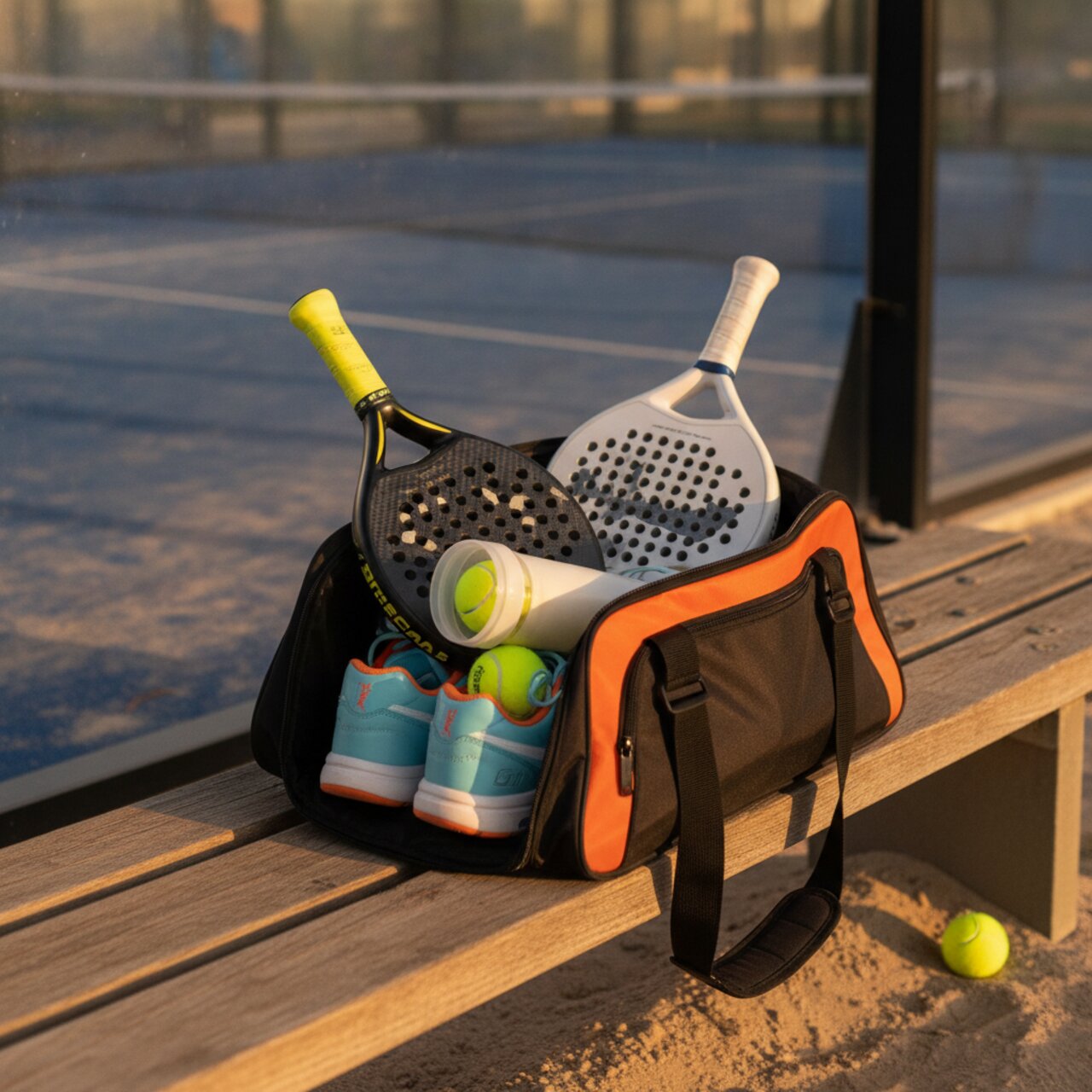
A good padel bag does more than carry your rackets. It keeps your paddles from knocking against each other, separates sweaty shoes from clean shirts, and survives months of being thrown into a car boot. Picking the best padel bag for your routine comes down to how much you carry, how often you play, and whether you travel to tournaments or just walk to the club down the road.
Most players overbuy or underbuy here. They grab a giant tournament paletero when a backpack would do, or stuff three rackets into a cheap sleeve that offers no protection. The sections below break down what actually matters so you spend on the features you’ll use.
What to Look for in a Padel Bag
Start with capacity. Padel bags are measured loosely by how many rackets they claim to hold, but that number assumes the bag is empty otherwise. A “3-racket” bag carrying shoes, two balls tubes, a towel, and a water bottle realistically fits two rackets comfortably. If you own more than two padel rackets and rotate them, size up.
The thermal compartment matters more than people expect. Padel rackets have an EVA or foam core that softens in heat and stiffens in cold, and a car parked in summer sun can hit 60°C inside. A thermal-lined racket compartment (usually insulated with a reflective layer) slows that temperature swing and protects the core. If you store your bag in the car between sessions, this feature alone justifies a higher price.
Look for a separate ventilated shoe pocket. Padel shoes pick up clay, dust, and moisture, and you don’t want that against your rackets or kit. A dedicated bottom compartment with mesh venting keeps odour and grit isolated. The same goes for a small zipped pocket for valuables, keys, phone, and an access card.
Comfort is the quiet dealbreaker. Padded, adjustable backpack straps make a loaded paletero bearable on a ten-minute walk or a metro ride. Cheap bags use thin webbing straps that dig into your shoulders once you add shoes and water. Test the strap padding before anything else if you carry your gear any real distance.
Finally, check the build. Reinforced base panels, YKK or equivalent zippers, and double stitching at stress points are what separate a bag that lasts five years from one that splits a seam in six months. Water-resistant outer fabric is worth it if you play at outdoor clubs.
Types of Padel Bags and Who Each Suits
The Paletero (Tournament Bag)
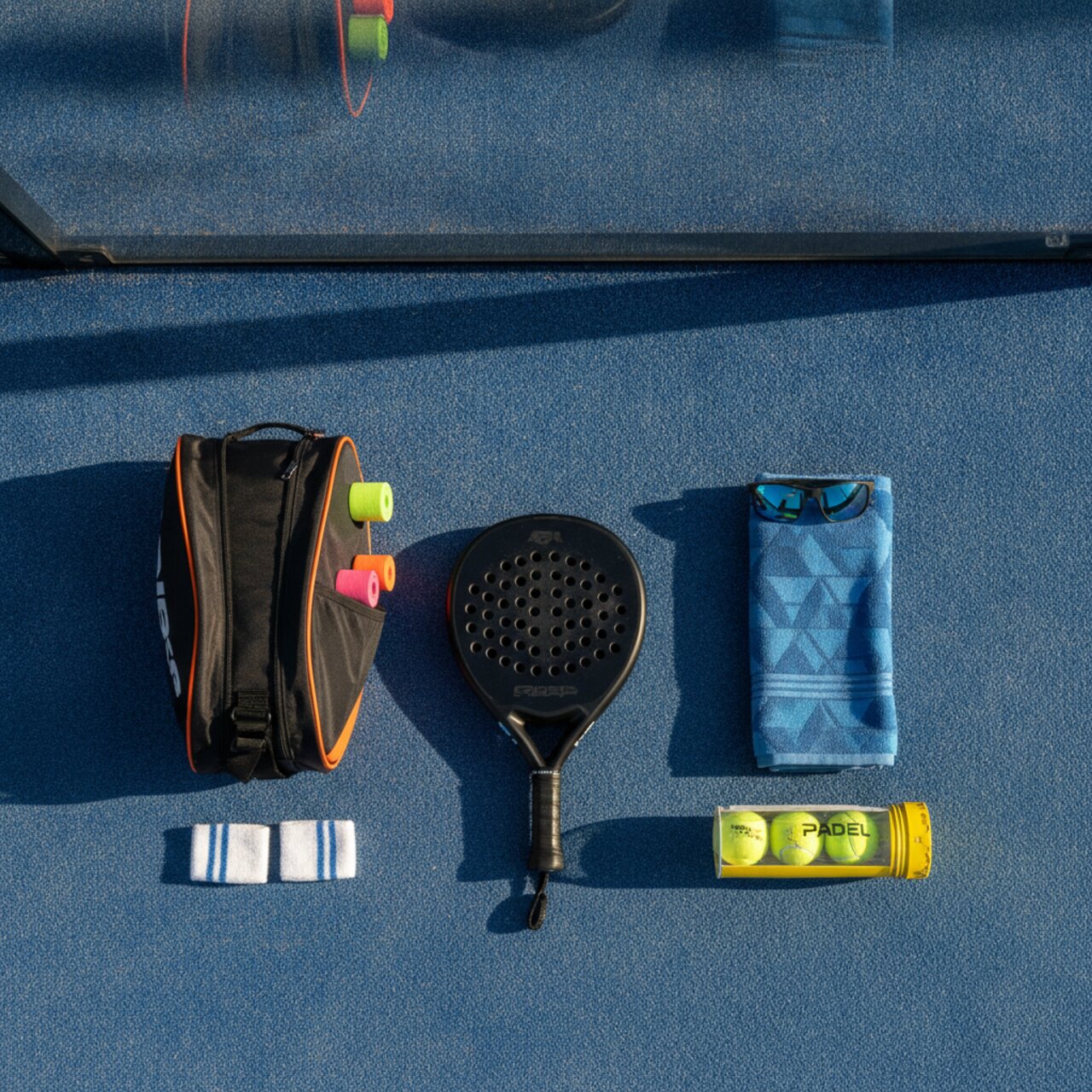
The paletero is the classic padel bag: a long, wide holdall that carries three to six rackets plus full kit. Brands like Bullpadel, Nox, and Adidas build their flagship paleteros with thermal racket compartments, separate shoe pockets, and convertible backpack straps.
This is the right bag for competitive players, anyone who plays four or more times a week, and players who carry a full change of clothes and multiple rackets. Expect to pay €45 to €90 for a quality paletero, with pro-line models from Head, Babolat, and Nox reaching €100 or more.
The downside is bulk. A loaded paletero is heavy and awkward on public transport, and overkill if you own one racket and play twice a week.
The Padel Backpack
A padel-specific backpack carries one or two rackets in a padded sleeve plus shoes, a towel, and essentials. It wears like a normal backpack, which makes it ideal for players who commute by bike, metro, or on foot, and for anyone who finds a paletero excessive.
Backpacks run €35 to €70 and have become the most popular choice for recreational and intermediate players. The trade-off is capacity: you won’t fit four rackets and a full kit, and the thermal protection is usually lighter than a dedicated paletero.
The Racket Bag (Sleeve)
A simple padded sleeve or two-racket bag protects your paddles and little else. It’s cheap, light, and fine if you keep shoes and kit in a separate gym bag, or if you store rackets at home and only need transport protection.
Sleeves cost €15 to €30. They suit beginners testing the sport who don’t want to invest yet, and players who already own a separate bag for clothes and shoes.
The Duffel With Racket Slot
A hybrid duffel offers a large open main compartment with a side or end slot for one or two rackets. It works well for players who carry a lot of kit, train at a gym attached to the club, or want one bag for padel and general sport. Duffels range from €40 to €80. They lack the dedicated organisation of a paletero, so gear tends to mix together inside the main space.
Comparison Table
| Bag type | Racket capacity | Thermal lining | Shoe pocket | Best for | Price range |
|---|---|---|---|---|---|
| Paletero | 3–6 | Usually yes | Usually yes | Competitive, frequent players | €45–€100+ |
| Backpack | 1–2 | Sometimes | Usually yes | Commuters, recreational players | €35–€70 |
| Racket sleeve | 1–2 | Rarely | No | Beginners, minimalists | €15–€30 |
| Duffel | 1–2 | Rarely | Sometimes | Gym-and-club players | €40–€80 |
Matching the Bag to Your Play Level
If you’re new to padel and still using a starter racket, a padded sleeve or an entry backpack covers you. There’s no reason to spend €90 on a tournament paletero before you know how often you’ll play. Keep it cheap and reassess after a few months.
Intermediate players who train regularly and own two rackets get the most from a padel backpack. It carries everything for a normal session, including your padel shoes, without the bulk of a full paletero, and it’s comfortable to carry daily.
Competitive players and anyone who plays tournaments should buy a thermal paletero. The racket protection, capacity for backups, and organisation pay off when you’re carrying three or four paddles, a change of kit, and spare grips across a full day of matches.
Caring for Your Padel Bag
Empty the bag after every session. Damp shoes and a sweaty towel left inside breed odour and mildew, and the moisture can transfer to your rackets. Pull out the shoe pocket contents and let the bag air with the compartments unzipped.
Wipe the interior every couple of weeks with a cloth and a little mild soap, paying attention to the shoe compartment where clay and grit collect. Most padel bags aren’t machine washable, so spot-clean stains rather than soaking the whole thing. Check the zippers occasionally and rub a little candle wax or zipper lubricant along the teeth if they start to stick.
Keep the bag out of direct sun when you can. The same heat that softens your racket core also fades and weakens bag fabric over time. Protecting the rackets inside is the point of the thermal lining, but the bag itself lasts longer in the shade too. Pair good bag habits with a proper racket maintenance routine and your whole kit stays in better shape.
Frequently Asked Questions
Do I really need a thermal padel bag? If you ever leave your bag in a hot or cold car, yes. Temperature swings stiffen or soften the racket core and shorten its playable life. If you carry your bag straight from home to the court and back, a non-thermal bag is fine.
How many rackets should my bag hold? For most players, capacity for two rackets plus kit is enough. Buy three-plus capacity only if you genuinely rotate multiple paddles or play tournaments where a backup matters.
Is a backpack or a paletero better? A backpack is more comfortable for daily and commuter use and suits one or two rackets. A paletero carries more and protects better but is bulkier. Match it to how much you carry and how you travel to the club.
Can I use a regular sports bag for padel? You can, but you’ll want at least a padded sleeve inside it to protect the rackets. A bare racket rattling around a duffel will scuff and chip at the frame. A full equipment checklist helps you see everything a bag needs to hold.
How long should a padel bag last? A well-built bag from a known brand lasts three to five years with regular use if you air it out and keep it clean. Cheap bags often fail at the zippers or base seams within a year of heavy use.
The right padel bag is the one that fits how you actually play, not the biggest or the flashiest on the rack. Match the capacity to your kit, prioritise thermal protection if your bag lives in the car, and spend on strap comfort and build quality. Get those three right and the bag disappears into your routine, which is exactly what a good one should do.