By Mario GonzalezEquipment
Essential Padel Accessories Checklist: The Gear That Earns Its Bag Space
A practical padel accessories checklist: overgrips, wristbands, bags, protectors, and on-court extras worth carrying, plus the gadgets you can safely skip.
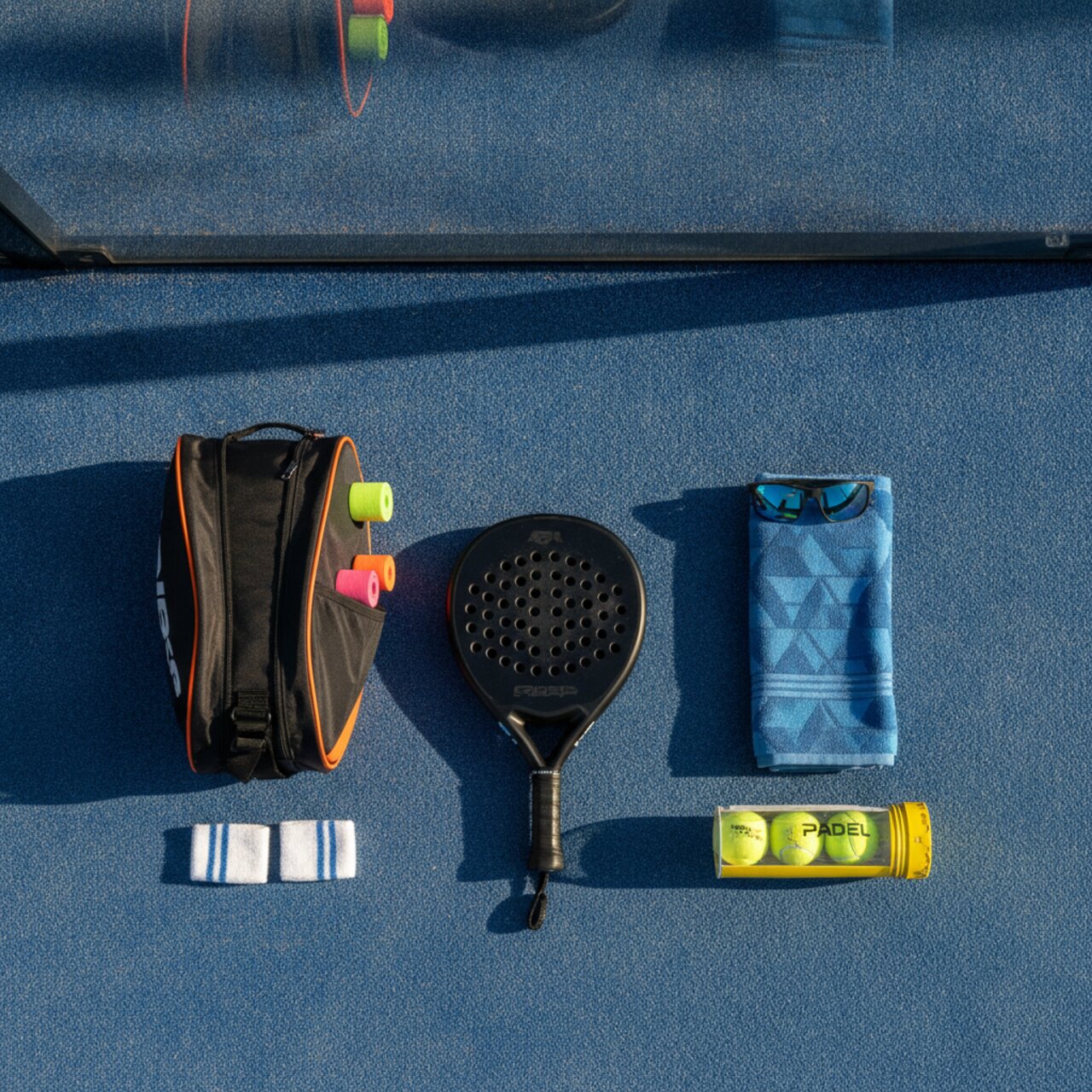
Essential Padel Accessories Checklist: The Gear That Earns Its Bag Space
Once you own a racket and shoes, the next round of spending is where most players waste money. Padel accessories range from genuinely useful to pure marketing, and the difference is not obvious in a shop. A €4 overgrip changes how you play every point; a €30 vibration dampener does almost nothing you’ll notice.
This checklist covers the accessories that sit between your core gear and your game: grips, sweat management, protection, and the small on-court extras. For the big-ticket items like the racket, shoes, and balls, start with the padel equipment checklist instead. Everything here assumes you already have those covered.
How to Judge Whether a Padel Accessory Is Worth It
Before adding anything to your bag, run it through three questions. Does it touch the ball or your hand? Does it protect gear you’ve already paid for? Does it keep you comfortable for a full 90-minute session? An accessory that answers yes to one of those usually earns its place. One that only promises “more power” or “pro feel” rarely does.
Price is a weak signal in padel accessories. Overgrips from a premium brand and a supermarket own-brand often come off the same production lines. Spend where contact and durability matter (grips, a decent bag), and save on the parts that are mostly cosmetic.
The other filter is your playing frequency. If you play once a week, a single overgrip lasts a month and you need almost nothing extra. If you play four times a week in a hot climate, sweat management and grip replacement become weekly running costs, and that changes what belongs in your bag.
The Grip Layer: Overgrips and Grip Aids
The overgrip is the highest-value accessory in padel, full stop. It’s the thin layer wrapped over your racket’s original grip, and it does two jobs: it absorbs sweat and it lets you adjust grip thickness to fit your hand. A worn, slippery grip makes you squeeze harder, which tires your forearm and kills touch on the bandeja and volley.
Buy overgrips in packs of three or twelve rather than singles; the per-unit price roughly halves. Tacky overgrips (like the Wilson Pro or Bullpadel GB1600) suit dry hands and players who want maximum stick. Perforated or “dry” overgrips work better if your hands sweat heavily. If you’re unsure how the overgrip relates to the grip underneath it, the overgrip vs replacement grip guide breaks down when to replace which layer.
Rotate a fresh overgrip in roughly every 8-12 hours of play, or sooner if it goes shiny and slick. Keep two or three spares in your bag so a mid-week grip failure never costs you a session. Some players add a thin layer of grip powder (rosin or magnesium) for humid indoor courts, though a good perforated overgrip usually makes that unnecessary.
Wristbands, Towels, and Sweat Management
Sweat is the enemy of grip, and managing it is cheaper than fighting it. A pair of cotton wristbands stops sweat running down your forearm onto your hand and racket, which is exactly where it does the most damage. In hot conditions this single €6 accessory keeps your grip usable for far longer.
A small microfibre towel clipped to the fence or your bag lets you dry your hands and face between points. It matters more than it sounds: wiping your palm before a serve or a smash gives you a cleaner strike when the point is on the line. Pack a second shirt too if you play back-to-back matches, since a soaked shirt adds weight and chill.
For heavy sweaters, a headband or cap keeps sweat out of your eyes during long rallies at the net. None of this is glamorous, but comfort over a two-hour session directly affects how well you move in the final games, when matches are usually decided.
Protecting Gear You’ve Already Paid For
A racket protector is a plastic strip that shields the frame’s edge from scrapes against the court’s glass and the ground. Padel rackets take constant low hits near the walls, and an exposed frame chips and cracks over time. Whether the protector is worth it depends on how you play; the racket protector guide covers the trade-offs, but for most players who scrape the frame regularly, a €10 protector is cheap insurance on a €150 racket.
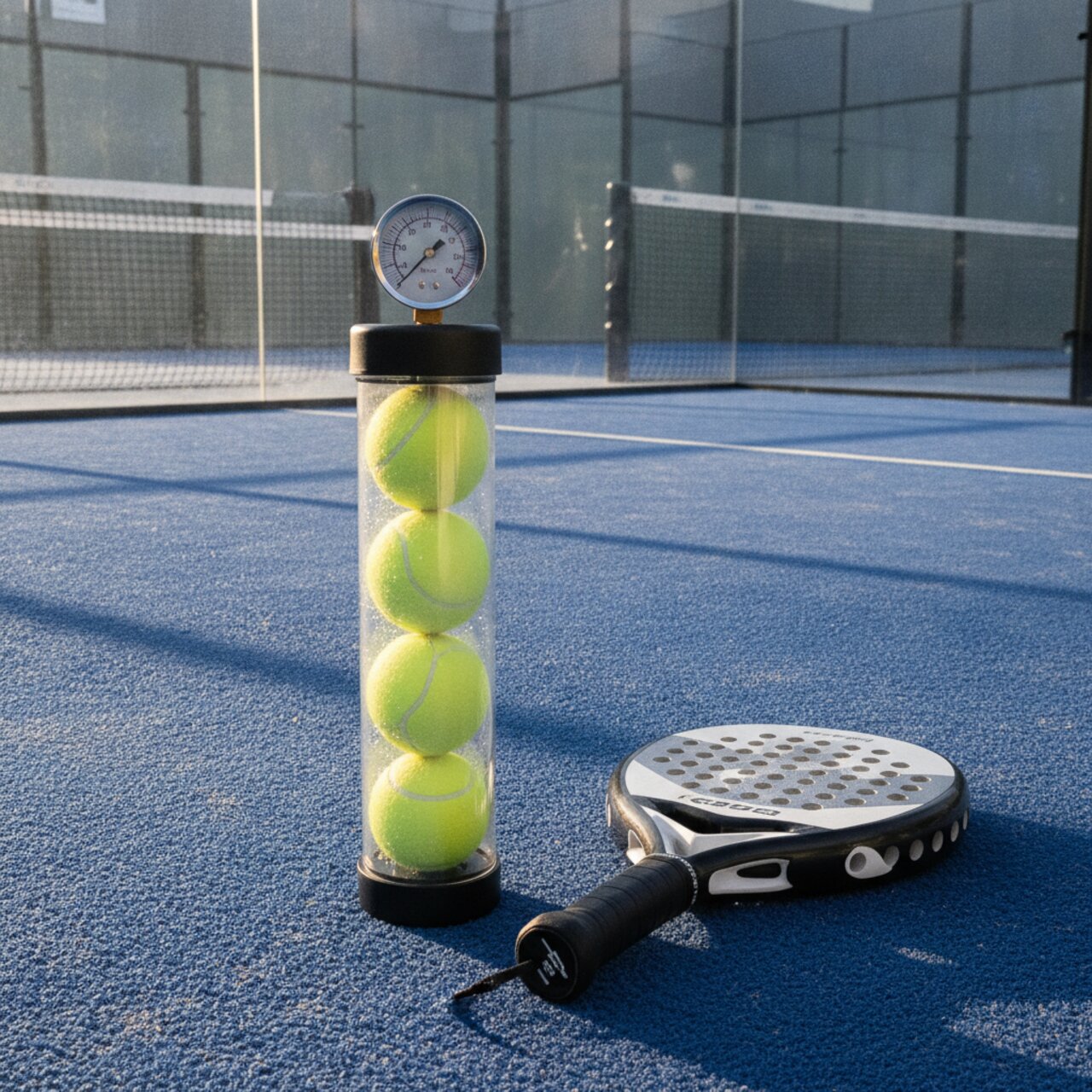
A ball pressurizer is the accessory serious players underrate. Padel balls lose internal pressure within a few sessions, turning heavy and dead. A pressurized tube keeps opened balls playing like new for weeks, which pays for itself fast if you buy balls often. The ball pressurizer guide explains how much life it actually restores and who benefits most.
Beyond those, a simple racket cover or thermal bag sleeve protects your frame from temperature swings. Leaving a racket in a hot car boot softens the foam core and shortens its life, so a thermal compartment is more than a luxury if you store gear in your vehicle.
Carrying It All: Bags and Backpacks
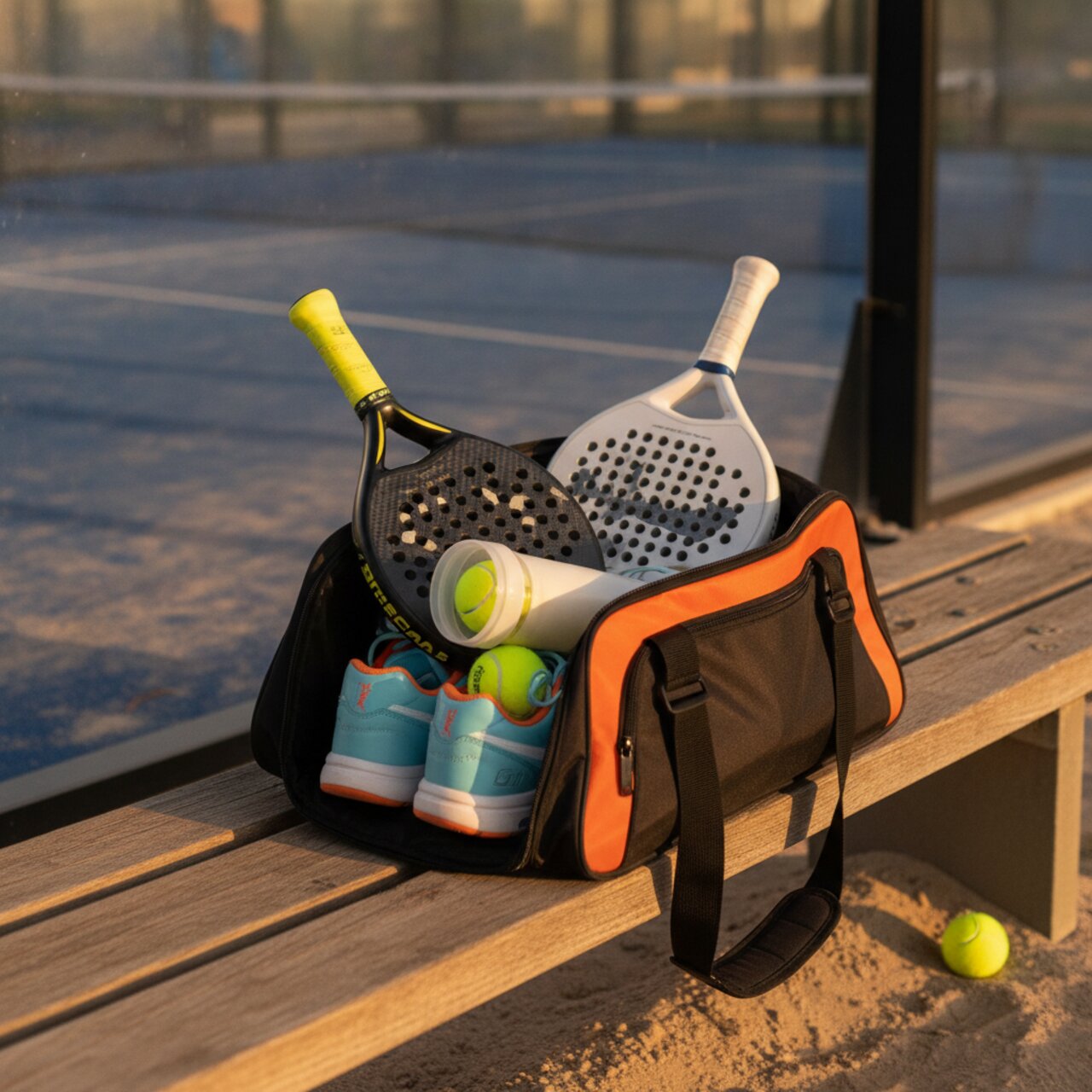
Your bag is the accessory you touch every single session, so it’s worth getting right rather than defaulting to whatever came in a starter bundle. The two common formats are the paletero (a wide padel-specific bag with a dedicated racket compartment) and the backpack, which suits players who commute to the club on foot or bike.
Look for a separate thermal racket pocket, a ventilated shoe compartment so sweaty trainers don’t sit against your clean kit, and a small zip pocket for keys, phone, and overgrips. Full recommendations and current models are in the best padel bags guide, but the features matter more than the brand.
Don’t oversize your bag. A three-racket paletero is overkill if you own one racket and play social doubles; it just becomes a heavy, half-empty box. Match the bag to what you actually carry.
On-Court Extras Worth Packing
A few small items round out a complete bag without adding real weight. A one-litre insulated water bottle handles a full session and a hot climate better than a disposable bottle. A tube of spare balls means a burst or lost ball never ends a match early. And a small strip of sports tape or a couple of plasters handles the blisters and finger splits that come from a fresh grip and a long session.
Eyewear deserves a mention for outdoor play. Padel’s low, fast smashes and the glare off glass and sun make protective or sports sunglasses a real safety and performance item, not vanity; the padel glasses and eye protection guide covers when they’re worth it. Sunscreen and a cap belong in any outdoor bag from spring onwards.
What you can safely skip: vibration dampeners (padel rackets barely transmit the shock that tennis frames do), novelty grip gadgets, and most “performance” jewellery or compression sleeves unless you have a specific medical reason. They add cost and bag clutter without changing how you play.
Accessories Checklist at a Glance
| Accessory | Priority | Rough cost | Replace / refresh |
|---|---|---|---|
| Overgrips (pack) | Essential | €8-15 | Every 8-12 hours of play |
| Wristbands | Essential | €5-8 | Yearly |
| Microfibre towel | Recommended | €5-10 | Yearly |
| Racket protector | Recommended | €8-12 | When worn through |
| Padel bag / backpack | Essential | €30-70 | Every 2-3 years |
| Water bottle (insulated) | Recommended | €10-20 | As needed |
| Spare balls (tube) | Essential | €7-10 | Ongoing |
| Ball pressurizer | Optional | €25-40 | One-off |
| Sports sunglasses | Situational | €20-60 | As needed |
| Sports tape / plasters | Recommended | €4-8 | Ongoing |
Treat “essential” as the bag you should never turn up without, “recommended” as the difference between a good session and a comfortable one, and “optional” as spending that only makes sense once you play often.
Keeping Your Accessories in Good Shape
Accessories last longer with almost no effort. Air out your bag after every session rather than zipping it shut on damp kit, which is how bags start to smell and shoes stay wet. Pull sweaty wristbands and towels out to dry instead of leaving them balled up in a side pocket.
Store overgrips in their sealed packet until you need them, since exposed tacky grips attract dust and lose their stick. Keep your racket in its thermal compartment rather than loose in the boot of a car, and check your protector every few weeks; once it’s worn through to the frame, it’s no longer protecting anything and should be replaced.
Frequently Asked Questions
What padel accessories do beginners actually need? Overgrips, wristbands, a bag, spare balls, and a water bottle. That covers you completely for the first few months. Add protection and comfort items once you know how often you’ll play.
How often should I change my overgrip? Roughly every 8-12 hours of play, or as soon as it feels shiny and slippery. Frequent players in hot climates may change theirs weekly.
Are ball pressurizers worth it? For anyone who buys balls regularly, yes; they extend ball life by weeks and pay for themselves quickly. For occasional players who use one tube a month, they’re optional.
Do I need a vibration dampener for my padel racket? No. Padel rackets have a foam core and short frame that transmit very little shock, so dampeners make almost no practical difference.
What’s the one accessory I shouldn’t cheap out on? Overgrips and your bag. The overgrip touches your hand every point, and a good bag protects everything else you own. Save on the cosmetic items instead.
Get the core gear sorted with the equipment checklist, keep a few fresh overgrips in rotation, and you’ll spend less over a season than the player who buys every gadget on the wall. When you’re ready to track how your game improves alongside your setup, log your matches with Padellog and let the results tell you what’s actually working.