By Mario GonzalezEquipment
Best Padel Rackets 2026: Complete Buying Guide
Find the best padel racket for your game. Expert reviews of top models with recommendations for different skill levels and play styles.
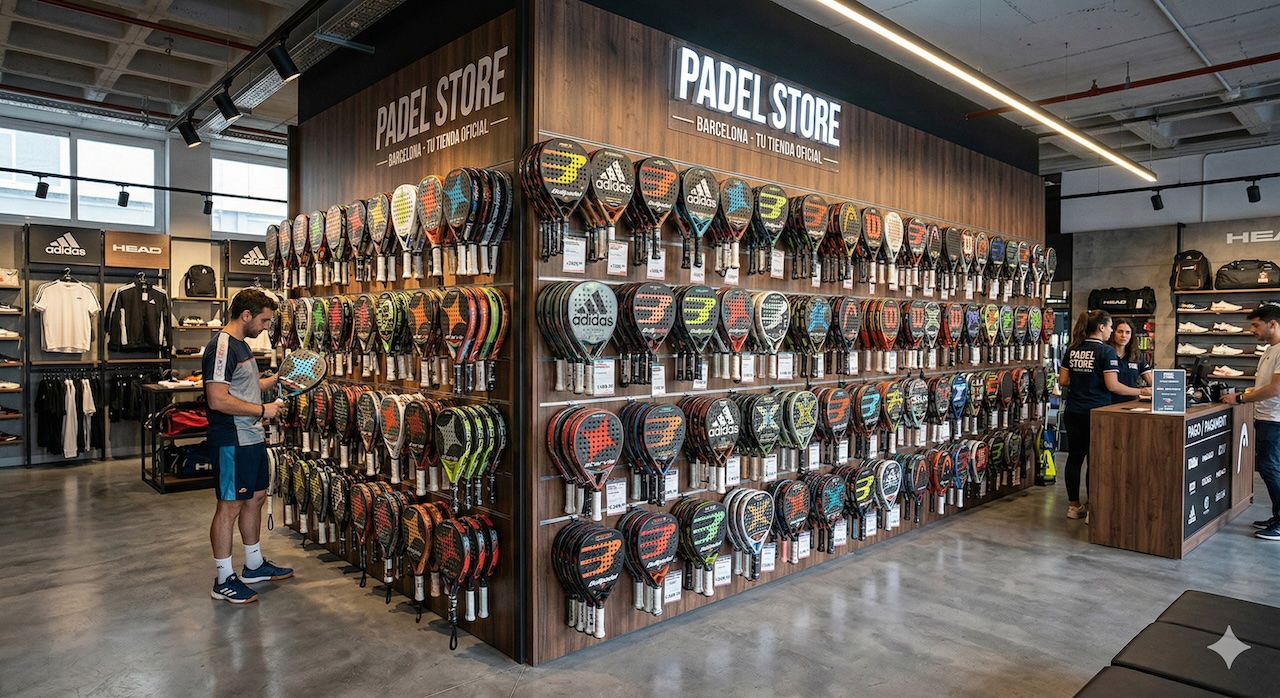
Choosing the right padel racket is one of the most important decisions you’ll make as a player. Your racket directly impacts your control, power, comfort, and overall game development. With hundreds of options on the market, finding the best padel racket for your level and playing style can feel overwhelming.
This guide cuts through the noise. We’ve analyzed the top padel rackets of 2026 across different categories and skill levels, so you can make an informed decision based on your needs rather than marketing hype.
What to Look for in a Padel Racket
Before diving into specific models, understand the key characteristics that define a quality padel racket.
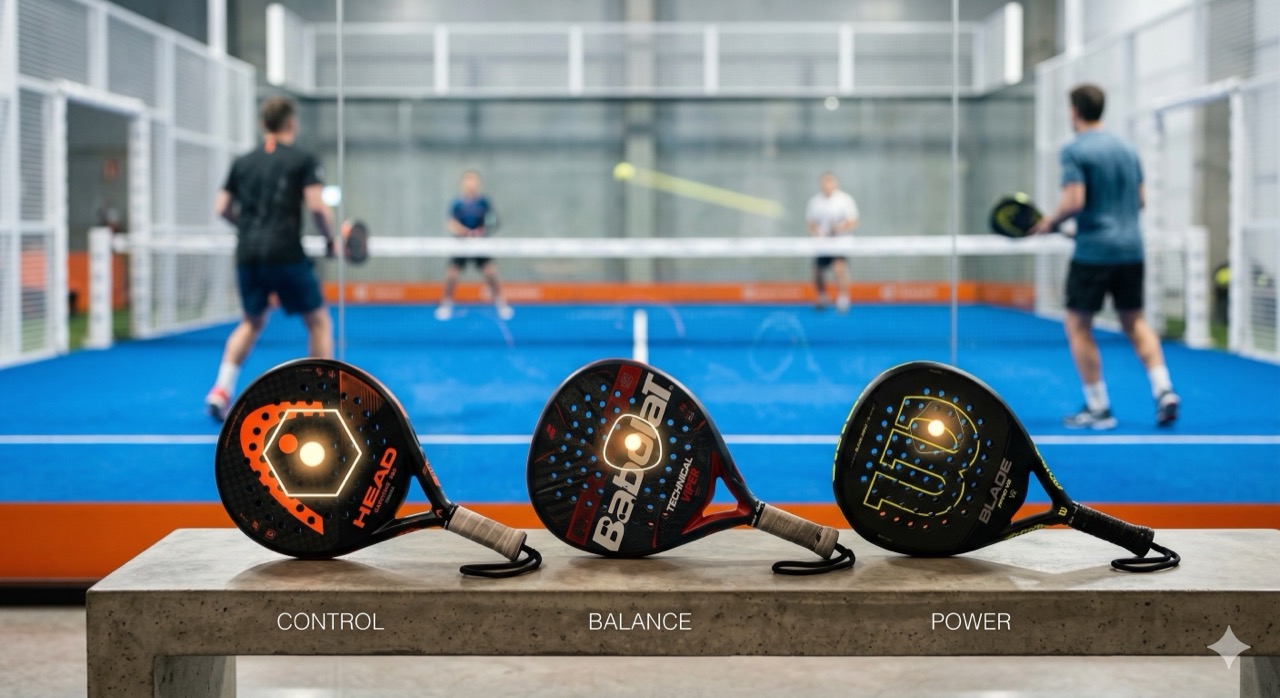
Weight and Balance. Padel rackets typically range from 330g to 385g. Lighter rackets (330-360g) offer maneuverability and reduce arm fatigue, making them ideal for beginners and defensive players. Heavier rackets (360-385g) provide more power and stability for aggressive baseline play. Balance point matters just as much—head-light rackets favor control while head-heavy rackets generate power with less effort.
Head Shape and Size. Teardrop heads (diamond-shaped) provide more power and a larger sweet spot, while round heads offer better control and maneuverability. Head size ranges from 640 to 715 cm². Larger heads are more forgiving for off-center hits, while smaller heads give experienced players better feel.
Core Material. EVA foam cores vary in density. Soft cores (Eva Soft) absorb impact and reduce arm strain, suiting beginners and recreational players. Medium cores offer balance. Hard cores (Eva Hard) maximize power transfer for competitive play but require proper technique to avoid injury.
Frame Material. Most modern padel rackets use graphite, carbon fiber, or hybrid combinations. Carbon fiber provides excellent power-to-weight ratio and stability. Graphite is more durable and forgiving. Hybrid frames balance performance and durability.
String Pattern and Power. Denser string patterns (80+ strings) offer better control and spin potential. Open patterns (fewer strings) reduce power but provide access to more spin variations at the edges of the frame.
Top Padel Rackets for Beginners
Best Overall Beginner Option: Head Zoro Lite
The Head Zoro Lite combines forgiving technology with an accessible price point. The large head (700+ cm²) and lightweight construction (340g) make it easy to swing even if you lack experience. The soft EVA core absorbs impact, reducing arm fatigue during longer sessions. This racket won’t limit your game as you improve—many intermediate players still favor it for recreational play.
Best Budget Choice: Dunlop Nitro Lite
Don’t assume budget means poor quality. The Dunlop Nitro Lite delivers solid performance at an entry-level price. The teardrop head provides a good sweet spot for beginner mistakes, and the light weight (350g) won’t tire you out quickly. It’s a reliable choice for someone just starting and unsure about long-term commitment to the sport.
Best Control Option: Bullpadel Vertex 02
If control matters more than power in your learning phase, the Bullpadel Vertex 02 offers exceptional touch and precision. The balanced weight distribution and medium-soft core make it ideal for developing technique rather than relying on racket compensation.
Top Padel Rackets for Intermediate Players
Best Overall Intermediate Choice: NOX AT10 Pro Cup
The NOX AT10 Pro Cup stands as the benchmark for intermediate players. It balances power, control, and comfort without requiring you to make major sacrifices in any dimension. The carbon fiber frame provides stability during more aggressive play. The medium EVA core absorbs vibration while allowing enough power for attacking shots. Professional players and serious amateurs both trust this racket.
Best Power Option: Adidas Metalbone Carbon
The Adidas Metalbone Carbon generates tremendous power without the dead feeling of some overweight rackets. The reinforced carbon frame maintains stability even when you hit full-force from the baseline. It’s particularly effective for players with quick arm speed looking to dominate at the net.
Best Defensive Option: Babolat Vento Hybrid
The Babolat Vento Hybrid excels when you’re pushed back from the net. The soft core and special string pattern provide exceptional ball control even on defensive shots. The light weight keeps you mobile while recovering, and the racket’s feel gives you confidence on half-volley situations.
Top Padel Rackets for Advanced Players
Best All-Around Advanced Choice: Wilson Blade V2
The Wilson Blade V2 offers the responsiveness that advanced players demand. Every shot tells you exactly what happened—whether the miss came from your timing or your technique. The balanced construction rewards perfect execution while punishing lazy shots. This transparency makes it excellent for continued improvement.
Best Power Choice: NOX Nerbo Genius
The NOX Nerbo Genius channels an aggressive approach with its carbon reinforcement and weighted frame. Advanced players who hit hard benefit from the extra power this racket provides on overhead smashes and attacking drives. It demands good technique but rewards it generously.
Best Spin Option: Siux Goldfire
The Siux Goldfire features an open string pattern specifically designed for spin generation. Advanced players who’ve mastered spin mechanics will create devastating angles and defensive security with this racket. It requires technical competence but opens creative shot possibilities.
Racket Comparison Table
| Model | Skill Level | Weight | Head Shape | Core Density | Best For | Price Range |
|---|---|---|---|---|---|---|
| Head Zoro Lite | Beginner | 340g | Teardrop | Soft | Learning fundamentals | €80-120 |
| Dunlop Nitro Lite | Beginner | 350g | Teardrop | Soft | Budget-conscious start | €60-100 |
| Bullpadel Vertex 02 | Beginner | 360g | Round | Soft | Control-focused players | €90-130 |
| NOX AT10 Pro Cup | Intermediate | 365g | Teardrop | Medium | Balanced performance | €140-180 |
| Adidas Metalbone Carbon | Intermediate | 375g | Teardrop | Medium-Hard | Baseline power | €130-170 |
| Babolat Vento Hybrid | Intermediate | 355g | Round | Soft | Defensive stability | €120-160 |
| Wilson Blade V2 | Advanced | 370g | Teardrop | Hard | Responsive feedback | €180-220 |
| NOX Nerbo Genius | Advanced | 380g | Diamond | Hard | Aggressive play | €190-240 |
| Siux Goldfire | Advanced | 365g | Open | Medium-Hard | Spin techniques | €170-210 |
Maintenance and Care
Your racket investment extends well beyond the purchase. Proper maintenance prevents deterioration and extends lifespan.
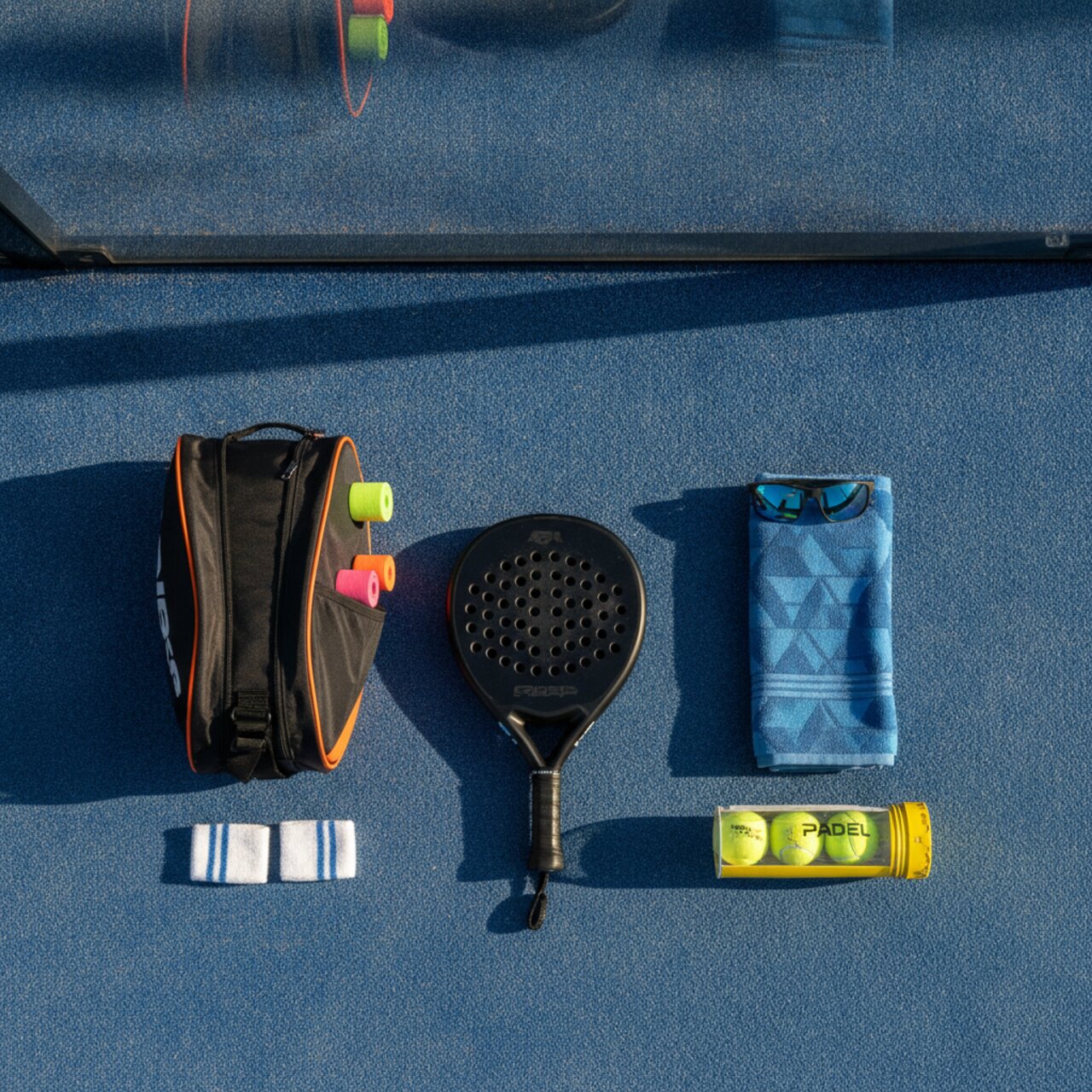
Store your racket in a protective case away from extreme temperature swings. Heat weakens the core material and can warp the frame. After playing in wet conditions, dry it thoroughly before storing. Every 3-4 months, inspect the grip. If it feels slick or compressed, it’s time to replace it—a new grip costs €15-25 and dramatically improves comfort and control.
String tension decreases over time, especially with frequent play. Professional players have their rackets restrung every 6-8 weeks. Casual players can go longer, but once you notice decreased control and power, restringing is worthwhile. It typically costs €30-50.
Check the frame for cracks or splits regularly. Small damage worsens quickly with continued play. Most damage is repairable if caught early, but replacement becomes necessary if cracks affect the core.
Matching Racket to Play Style
Your dominant approach on court should guide your choice.
Baseline Power Players benefit from heavier rackets (370g+) with hard cores and teardrop heads. The extra weight generates power without requiring perfect technique on every shot. Aggressive baseline oriented play demands responsiveness and stable frame construction.
Net-Dominant Players favor lighter rackets (340-360g) with soft cores and round heads. Quick movements at the net require minimal weight, and softer construction forgives the close-range touch shots that determine net exchange outcomes.
Defensive Specialists choose rackets that excel on half-volleys and recovery shots. Medium-soft cores with balanced weight distributions provide the touch needed for precise defensive positioning while maintaining enough stability for counter-attacks.
All-Court Players seeking versatility should prioritize mid-range weight (360-370g) with medium cores. These rackets perform adequately across all situations without specializing in any single area.
Women players weighing lighter frames and grip considerations can find tailored guidance in our women’s padel equipment and technique tips.
FAQ: Common Racket Questions
Should I buy the same racket as my favorite professional player?
Probably not. Professional players receive sponsorship support and modify rackets with custom stringing, grip size, and balance adjustments. A pro player’s gear is tuned specifically to their body and technique. Your professional favorite’s racket serves more as a reference point than a direct purchase recommendation.
How often should I replace my racket?
With proper care, a quality padel racket lasts 2-3 years of regular play. Performance degrades gradually as the core material fatigues. You’ll notice decreased power and control before the racket becomes unplayable. If you play 3+ times weekly, annual replacement is reasonable. Recreational players can stretch to 2-3 years.
Does a more expensive racket automatically perform better?
More expensive doesn’t equal better for your specific needs. Premium rackets offer marginal performance gains that matter mainly to advanced players. A €120 racket is often the better choice than a €200 racket if it matches your skill level. Buy for your current ability, not aspirational ability.
What’s the ideal grip size?
Measure from the middle of your palm crease to your fingertip. Standard sizes run 1 through 4. Most adults use size 2 or 2.5. An incorrect grip size affects control and increases injury risk. Many shops will measure for free before purchase.
Taking Your Next Step
Selecting a padel racket is personal. The best racket combines your budget, skill level, and play style. Visit a local padel shop when possible—manufacturers often provide demo rackets for testing. Thirty minutes of play tells you far more than any review.
Once you’ve found your racket, commit to it for at least a month of regular play before deciding. As your technique improves, your current racket may feel limiting. That’s the time to explore advanced models. For now, pick a racket matching your current level and focus your energy on developing solid fundamentals. The racket amplifies technique—it never replaces it.