By Mario GonzalezEquipment
Indoor vs Outdoor Padel Balls: Differences, Performance, and How to Choose
A practical guide to indoor vs outdoor padel balls. Learn how pressure, bounce, and conditions change ball performance and which to pick for your court.
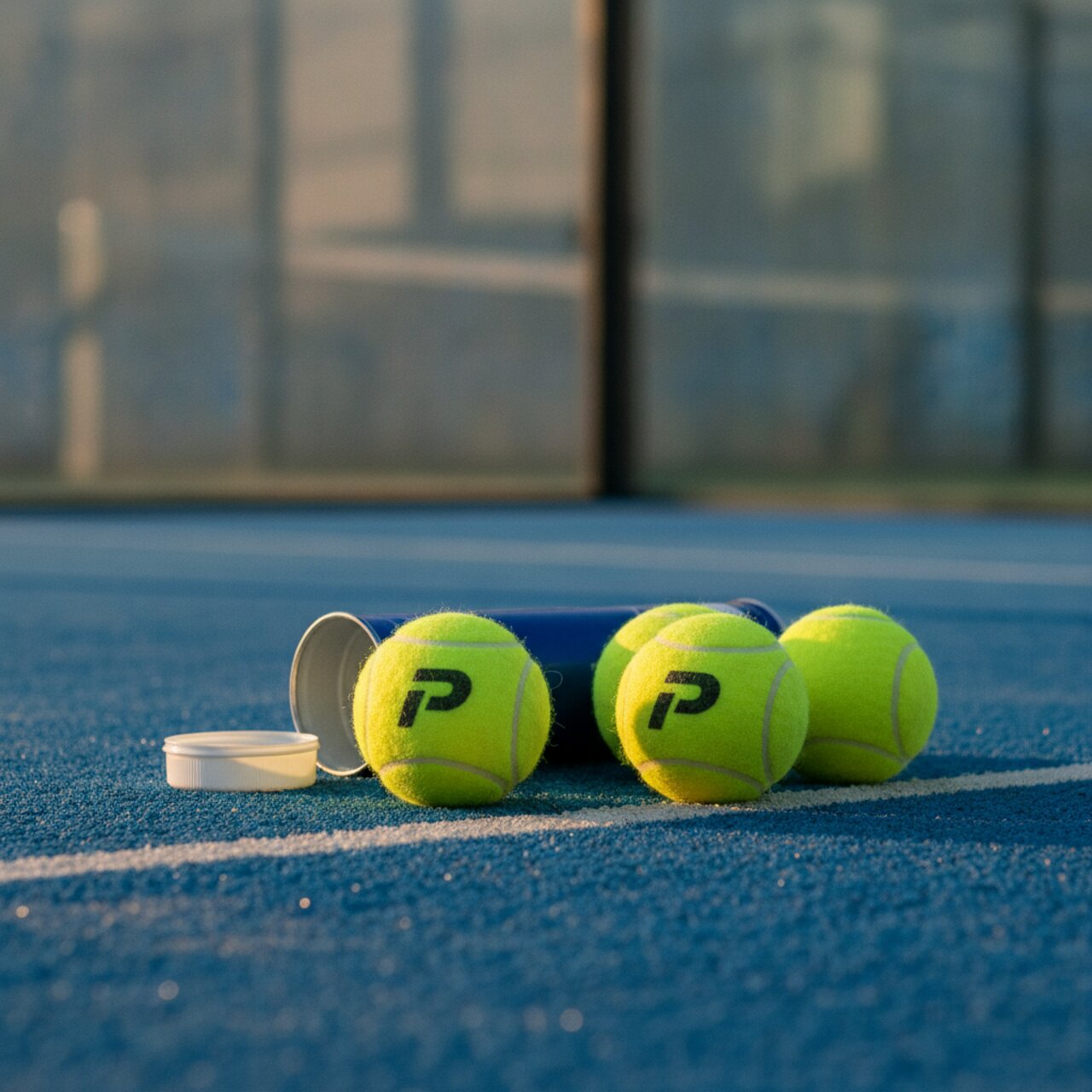
Walk into any padel club shop and you will find a wall of ball tubes that all look identical. The truth most beginners never hear: padel has no official “indoor” or “outdoor” ball category the way badminton or some tennis lines do. Every approved padel ball meets the same Federación Internacional de Pádel specs. What changes between indoor vs outdoor padel balls is how the same ball behaves once you account for temperature, altitude, court surface, and how fast you want the game to play.
That distinction matters because picking the wrong ball for your conditions will quietly cost you points. A ball that bounces perfectly under indoor lights can turn slow and dead on a cold outdoor morning. Below is how to read the differences and choose the right tube every time.
What Actually Defines a Padel Ball
Before splitting balls into indoor and outdoor, it helps to know what they all share. The FIP standard requires a diameter of 6.35 to 6.77 cm, a weight of 56 to 59.4 grams, and a rebound of 135 to 145 cm when dropped from 2.54 meters onto concrete. Padel balls look like tennis balls but carry slightly lower internal pressure, which suits the shorter court and the walls.
Inside that narrow window, manufacturers tune three things you can feel on court:
- Pressure and bounce. Higher internal pressure gives a livelier, faster ball. Lower pressure plays slower and is easier to control.
- Felt density. Thicker, denser felt slows the ball through the air and wears longer on rough surfaces. Thinner felt plays faster but fluffs up and dies quicker.
- Core rubber. The compound affects how the ball reacts off the glass and how long it holds pressure during a match.
Those three variables are the real story behind every “fast,” “slow,” “pro,” or “altitude” label on the tube.
Indoor vs Outdoor Padel Balls: The Core Differences
The phrase indoor vs outdoor padel balls is really shorthand for matching ball speed to your environment. Indoor courts are climate-stable: no wind, consistent temperature, even lighting. Outdoor courts throw weather, sun, and cold at the ball. The same tube behaves differently in each.
| Factor | Indoor courts | Outdoor courts |
|---|---|---|
| Temperature | Stable, often warm | Variable; cold mornings deaden the ball |
| Wind | None | Affects lobs, smashes, and high balls |
| Surface wear | Low, clean turf | Grittier, dustier turf wears felt faster |
| Ball preference | Faster ball is playable and fun | Slightly slower/denser ball gives more control |
| Pressure loss | Slower | Faster in cold, faster felt wear |
Indoors, you can comfortably use a faster, livelier ball because nothing is fighting you. Many players prefer a quick ball under the roof for sharper rallies. Outdoors, a denser, slightly slower ball is more forgiving when wind and cold are already adding chaos. If you mostly play in the cold, a fresh, higher-pressure ball compensates for the deadening effect of low temperatures.
How Temperature Changes the Bounce
Temperature is the single biggest variable outdoor players underestimate. Cold air lowers internal pressure, so a ball that bounced to your hip at 22°C barely reaches your knee at 6°C. On a winter morning, open a fresh tube rather than reusing balls from last week, because cold storage compounds the pressure loss. In summer heat the opposite happens: balls play faster and can feel slippery, so a denser felt helps you keep control.
How Altitude Changes Everything
If you play above roughly 500 meters, standard balls bounce too high and too fast because there is less air resistance and pressure outside the ball. Brands like Head and Wilson sell dedicated altitude (or “Pro S”-style) balls with lower internal pressure to counteract this. Madrid, Mexico City, Bogotá, and many mountain clubs need these. Using a sea-level ball at altitude makes the game feel uncontrollable, with balls flying off the back glass.
What to Look For When Buying
Match the ball to where and how you play rather than chasing the most expensive tube.
Speed rating. Most brands label balls as faster or slower, sometimes as “Pro” (faster) versus “Control.” Pick faster for indoor and warm conditions, slower or standard for cold and windy outdoor play.
Pressure retention. Tournament-grade balls hold pressure longer through a match but go flat sooner once the tube is opened. Cheaper practice balls keep a usable bounce for weeks of casual hitting.
Felt durability. Outdoor turf is abrasive. A denser felt survives more sessions before fluffing. Indoor players can prioritize feel over felt life.
Altitude version. Non-negotiable if your club sits at elevation. Read the tube; the altitude variant is usually a separate product line, not a default.
Recommended Balls by Scenario
These are widely available, FIP-approved options grouped by use case rather than ranked, since the right one depends on your court.
Best all-round outdoor and competition: Head Padel Pro. The reference ball for many professional events, with a balanced bounce and durable felt that handles gritty outdoor turf. Mid-to-high price. Best for club players who want a single reliable tube.
Best for faster indoor play: Bullpadel Premium Pro / Next Pro. Lively off the strings and the glass, rewarding players who like quick rallies under a roof. Mid-to-high price. Best for indoor regulars and attacking players.
Best for control and cold conditions: Wilson Padel or a denser “control” line. A slightly slower, dense-felt ball that stays manageable when wind and cold are working against you. Mid price. Best for winter outdoor sessions.
Best for altitude: Head Pro S or any dedicated altitude ball. Lower pressure tames the extra bounce above 500 meters. Mid-to-high price. Essential for high-elevation clubs.
Best for practice and high volume: any brand’s training or “play” tube. You do not need pro pressure to drill serves and volleys. Cheaper tubes last longer for casual hitting. Best for beginners and practice baskets.
Maintenance: Make Your Balls Last
Padel balls lose pressure from the moment the tube is opened, not from the moment you start hitting. A few habits stretch their life:
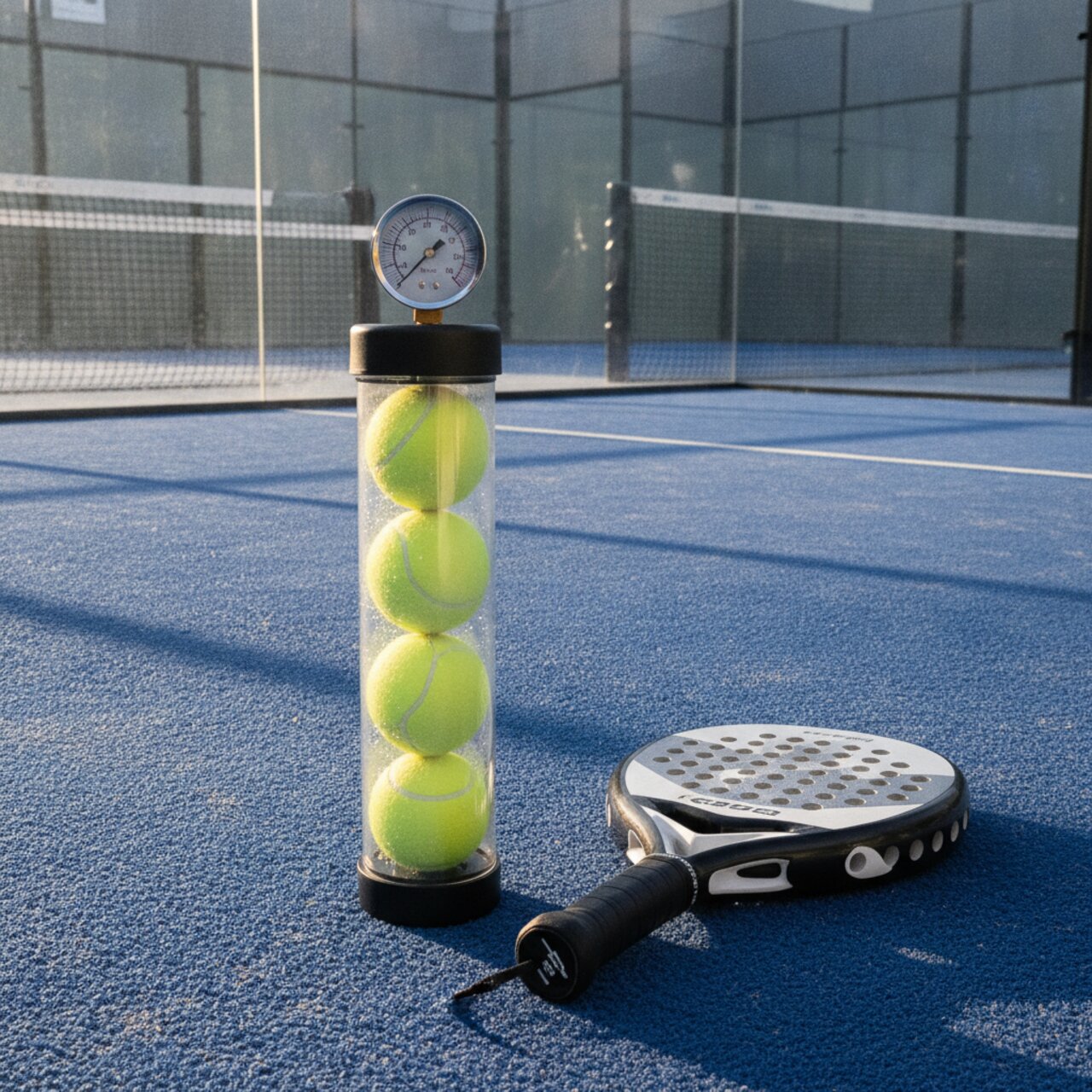
- Store opened balls in a pressurized tube. A ball pressurizer (a screw-top container that re-pressurizes the air around the balls) keeps an opened set lively for weeks instead of days. It is the cheapest performance upgrade most players ignore.
- Keep balls warm before cold matches. Carry them in an inside jacket pocket or your bag rather than a cold car boot. Warm balls bounce truer in the first game.
- Rotate, do not hoard. Once felt fluffs up or the bounce drops noticeably, demote balls to warm-up duty. A flat ball trains bad timing.
- Don’t leave them in direct sun. Heat between sessions accelerates pressure loss and degrades the rubber.
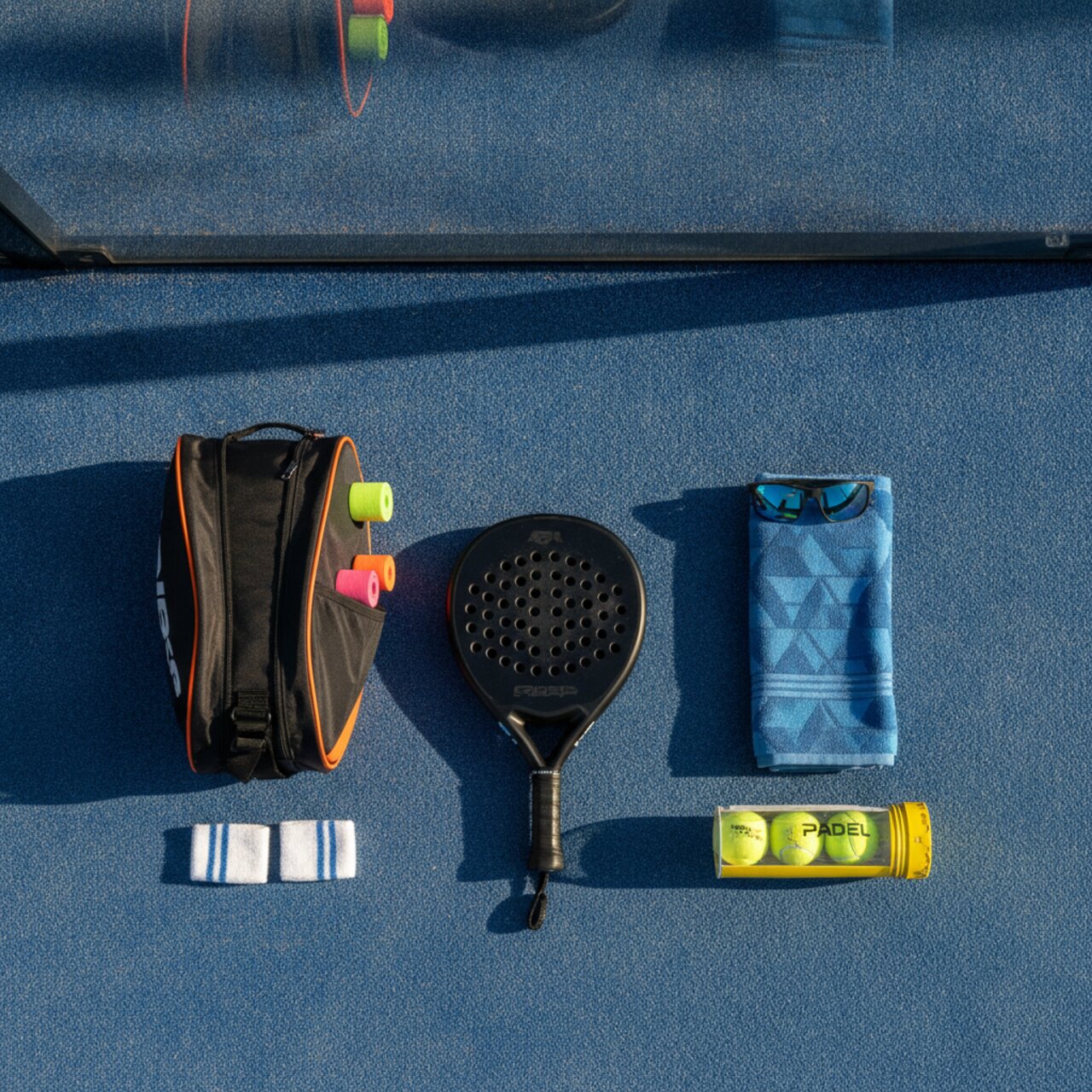
For more on protecting the rest of your gear, see our padel racket maintenance guide and the full padel equipment checklist.
How Long Do Padel Balls Last?
Competitive players change balls every one to three matches because pressure drops measurably after heavy hitting. For casual play, a tube stays usable for several sessions, especially with a pressurizer. The signal to retire a ball is not a calendar date but feel: when the bounce sits low, the felt fluffs, or the ball stops reacting off the back glass, replace it. Tracking how your game holds up across conditions is easier when you log your matches in Padellog, where you can spot whether off days line up with worn balls or cold courts.
Frequently Asked Questions
Are there really separate indoor and outdoor padel balls? Not officially. Every approved ball meets the same FIP standard. The indoor/outdoor choice is about matching ball speed and felt to your conditions: faster balls suit stable indoor courts, denser and slightly slower balls handle outdoor wind and cold better.
Can I use tennis balls for padel? You can in a pinch, but tennis balls carry higher pressure and bounce too much for the padel court and walls. Use proper padel balls for any real game. The differences are similar to those covered in our padel vs pickleball comparison for tennis-adjacent sports.
Why do my balls feel dead outdoors in winter? Cold air lowers the internal pressure, cutting bounce height. Open fresh balls for cold matches and keep them warm until you play.
Do I need altitude balls? Only if your court sits above roughly 500 meters. Below that, standard balls behave normally. Above it, altitude balls stop the ball flying uncontrollably off the glass.
What is the best ball for a beginner? A standard, durable, mid-priced ball such as a Head or Wilson tube. You will not benefit from premium pro pressure until your control improves, and cheaper tubes last longer through practice. Pair good balls with a forgiving racket from our beginner racket guide.
Choosing balls is less about brand loyalty and more about reading your court. Stable indoor club at sea level? Reach for a faster tube. Cold, windy outdoor session in the hills? A denser, fresher ball will save you points. Once you start matching the ball to the conditions, the game feels noticeably more predictable, and your shot-making gets the consistency it deserves.