By Mario Gonzalez
Padel Racket Head Size: Impact on Your Game
Find your ideal padel racket head size. Compare surface areas, control vs power, and how head size affects your game style.
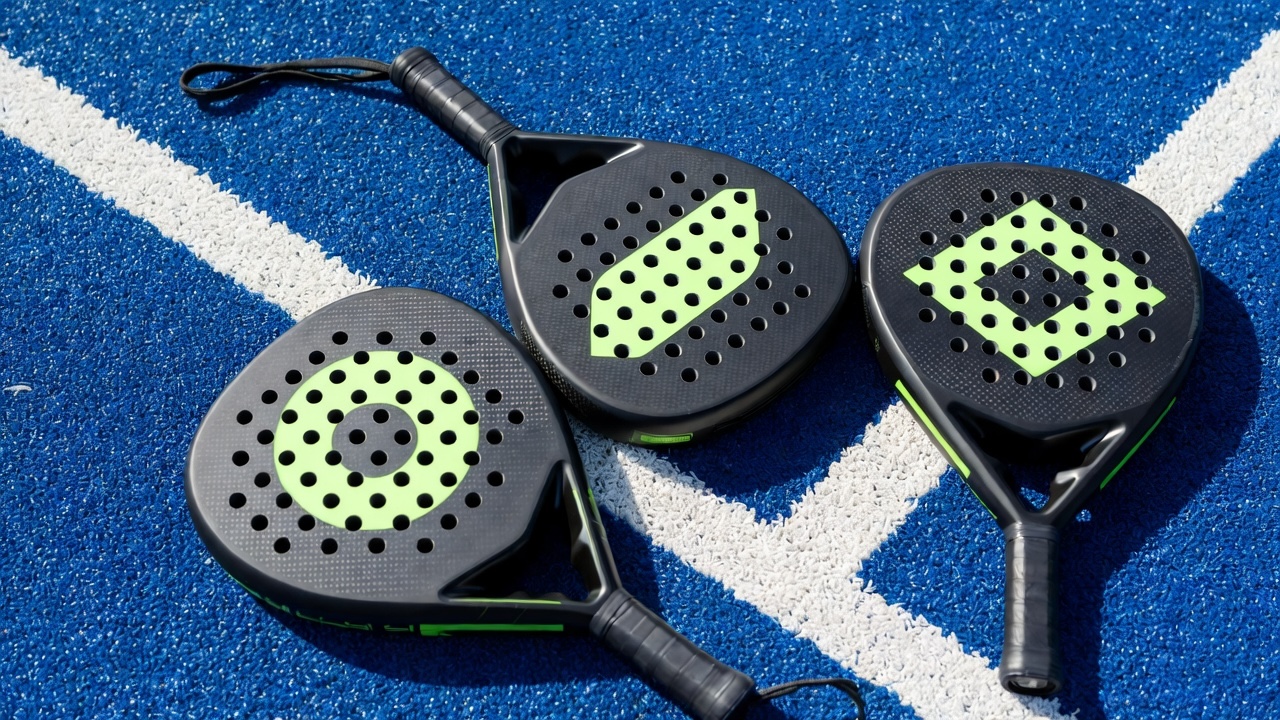
Padel Racket Head Size: Impact on Your Game
The head size of your padel racket is one of the most important factors affecting your playing style. It directly influences power, control, and how forgiving your shots are. Let’s break down what you need to know.
Standard Head Sizes in Padel
Padel rackets typically come in three head size categories:
| Size | Surface Area | Classification | Best For |
|---|---|---|---|
| Small | 455-470 cm² | Compact | Advanced players, control-focused |
| Medium | 475-500 cm² | Standard | Most players, balanced approach |
| Large | 505-645 cm² | Oversize | Beginners, power hitters |
The majority of padel rackets fall in the medium range, which offers the best balance between power and control.
How Head Size Affects Your Game
Power vs Control
Larger heads have a bigger sweet spot—the area on the racket where you generate maximum power with minimal effort. This is why beginners often benefit from larger heads. Miss the sweet spot slightly, and you’re more forgiving.
Smaller heads demand precision but reward you with better control. Advanced players typically prefer compact heads because they need the responsiveness and can consistently hit the sweet spot.
Sweet Spot Size
The sweet spot changes dramatically:
- A large head might have a sweet spot of 30-40 cm²
- A medium head typically offers 20-25 cm²
- A small head concentrates power into just 15-20 cm²
Hit outside the sweet spot on a small racket? You’ll feel it immediately. On a large racket, you might not notice.
Maneuverability
A larger racket head adds weight and requires more effort to move quickly. In padel, where fast reactions at the net are crucial, this matters.
Small rackets are nimble at the net. Large rackets are better for baseline defense.
Which Size Should You Choose?
Choose a larger head (550+ cm²) if you:
- Are a beginner (just starting padel)
- Prefer power and comfort over precision
- Have slower reaction times
- Play mostly at the baseline
Choose a medium head (475-500 cm²) if you:
- Have 1-2 years of padel experience
- Want balance between power and control
- Play at all court positions
- Aren’t sure what you prefer yet
Choose a small head (455-470 cm²) if you:
- Are an advanced or competitive player
- Value control and feel over forgiving shots
- Have quick reflexes
- Play aggressively at the net
The Caveat: Head Size Isn’t Everything
Don’t get caught up in optimizing head size alone. Other factors matter just as much:
- Weight distribution - Where the weight sits affects how the racket feels
- Balance point - High balance (heavier at the head) feels more powerful; low balance feels more controlled
- Material - Carbon fiber, fiberglass, and hybrid compositions all play a role, as you’ll see across the best padel rackets of 2026
- Frame rigidity - Stiffer frames generate more power; flexible frames absorb shock better
A 500 cm² racket with poor weight distribution might feel worse than a 550 cm² racket with great balance.
How to Test Different Head Sizes
Before buying:
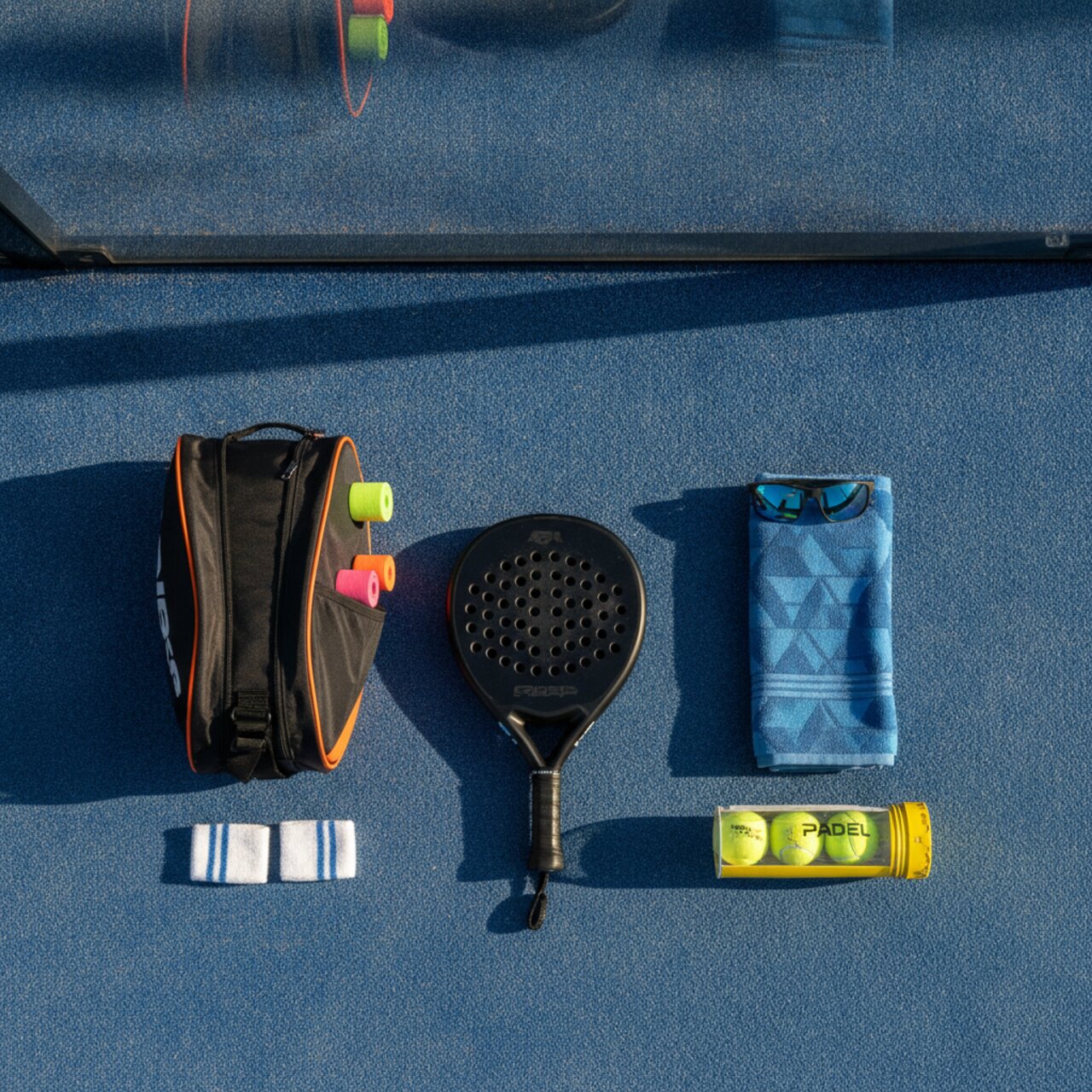
- Borrow rackets from friends with different sizes, then double-check you have the rest of your padel equipment sorted
- Hit baseline shots, volleys, and serves with each
- Notice which feels most natural
- Pay attention to how quickly you can react at the net
Your “ideal” head size is the one that feels most comfortable after 15 minutes of play—not what the specs say or what a friend recommends.
The Bottom Line
Head size is your starting point. Beginners almost always benefit from larger rackets (natural forgiveness). As you improve, you might transition to medium or small sizes for better control. But the right racket is the one that suits your game, your swing, and your court position.
Start with a medium head size if you’re unsure. It’s the safest bet for most players.