By Mario GonzalezTechnique
How to Execute the Víbora in Padel: Advanced Shot Technique
Master the víbora in padel. Learn the grip, technique, and positioning for this advanced offensive shot that destroys defensive setups.'
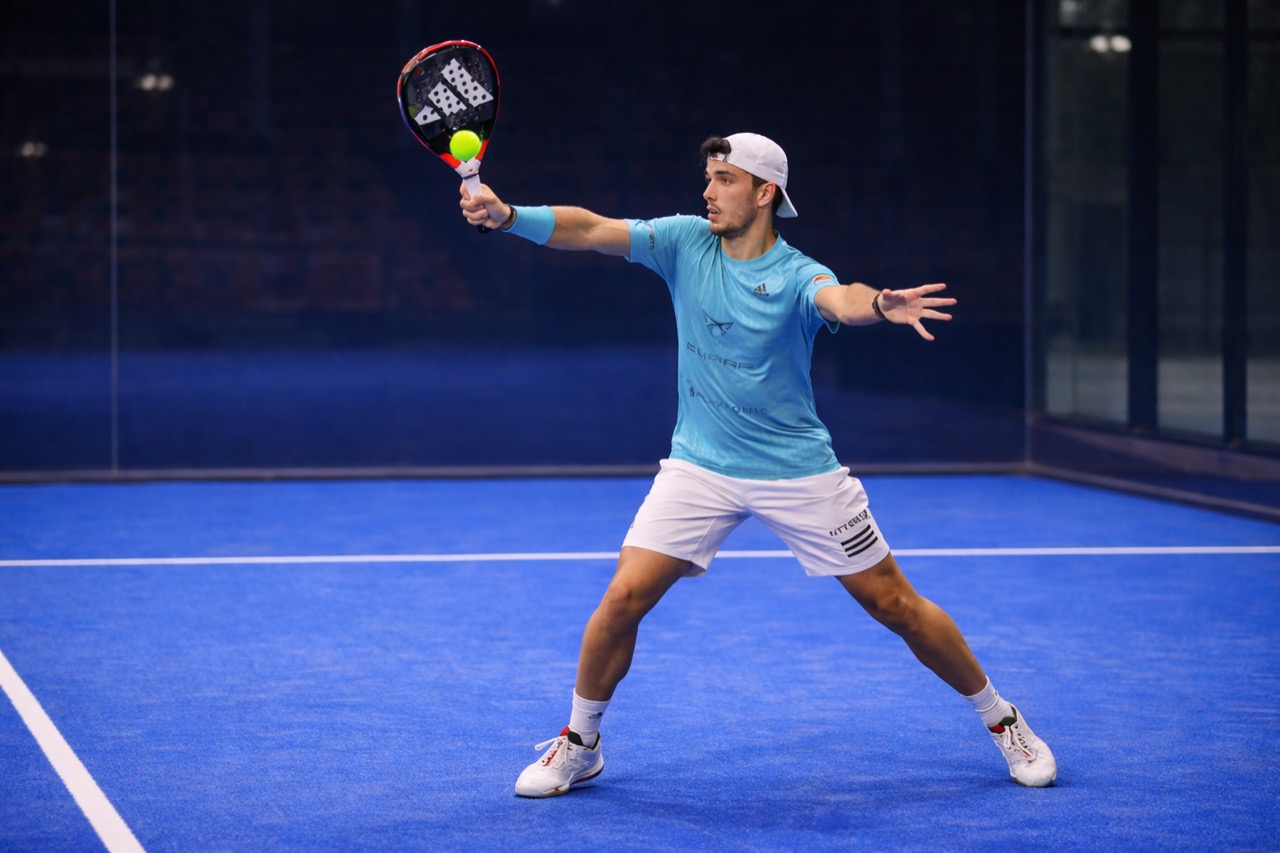
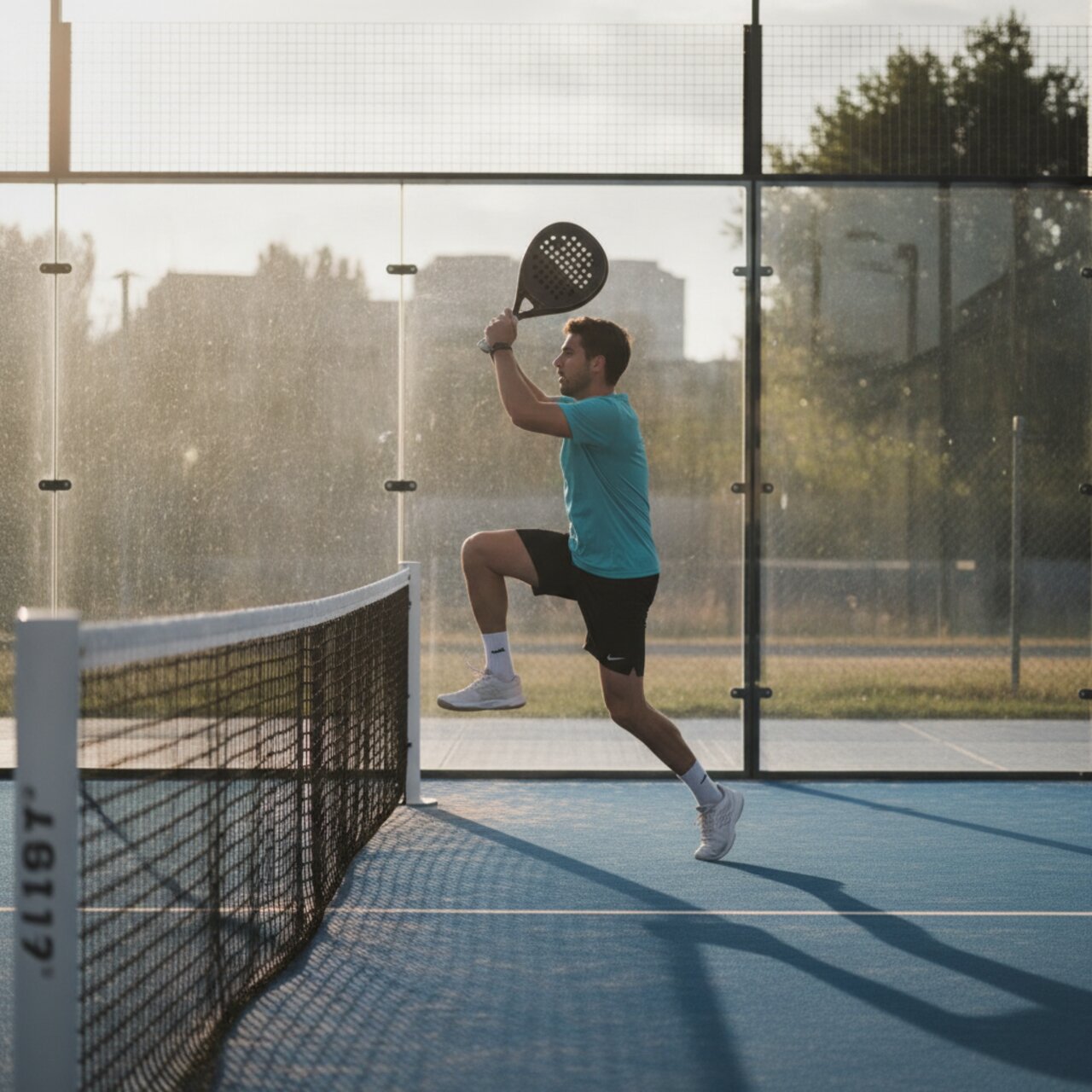
The víbora (snake) represents one of padel’s most dominant attacking shots. When executed properly, it transforms defensive positions into instant offensive advantages. The víbora is an overhead shot that uses a sharp wrist rotation and brushing action to create devastating top spin and heavy drop. It’s the aggressive answer when opponents push you back from the net.
Unlike the smash, which relies on power and directness, the víbora combines finesse with aggression. It requires precise timing and wrist control. Master this shot and you’ll have an answer for high balls that don’t quite reach smash height, and a powerful addition to your complete arsenal of padel shots.
What is the Víbora and When to Use It
The víbora is an overhead groundstroke hit from the court (not from the net position). You execute it from anywhere between the service line and baseline when the ball reaches head height to slightly above. The shot uses a continental or semi-western grip and a compact swing with aggressive wrist rotation.
Tactically, hit the víbora when:
Ball height favors spin over power. A ball at head height gives you the sweet spot for this shot. A ball at shoulder height or higher becomes a smash. A ball lower requires a different approach.
You need immediate court position improvement. The víbora lands short, forcing opponents backward. This creates the aggressive situation you want at the net.
Opponents are pushed deep. When they’re 8+ meters behind the baseline, a short, heavy drop shot from their lob breaks their defensive structure immediately.
You’re uncomfortable with an overhead smash. Some players lack the confidence or comfort executing smashes from certain positions. The víbora offers a reliable alternative that still provides offensive dominance.
Grip and Preparation
Get the grip right or the shot falls apart.
Grip. Use a continental grip—the most essential element. Hold the racket as if shaking hands, with the base knuckle of your index finger on the third bevel of the handle. This grip allows the wrist rotation necessary for the víbora’s spin generation. A western grip severely limits your wrist mobility.
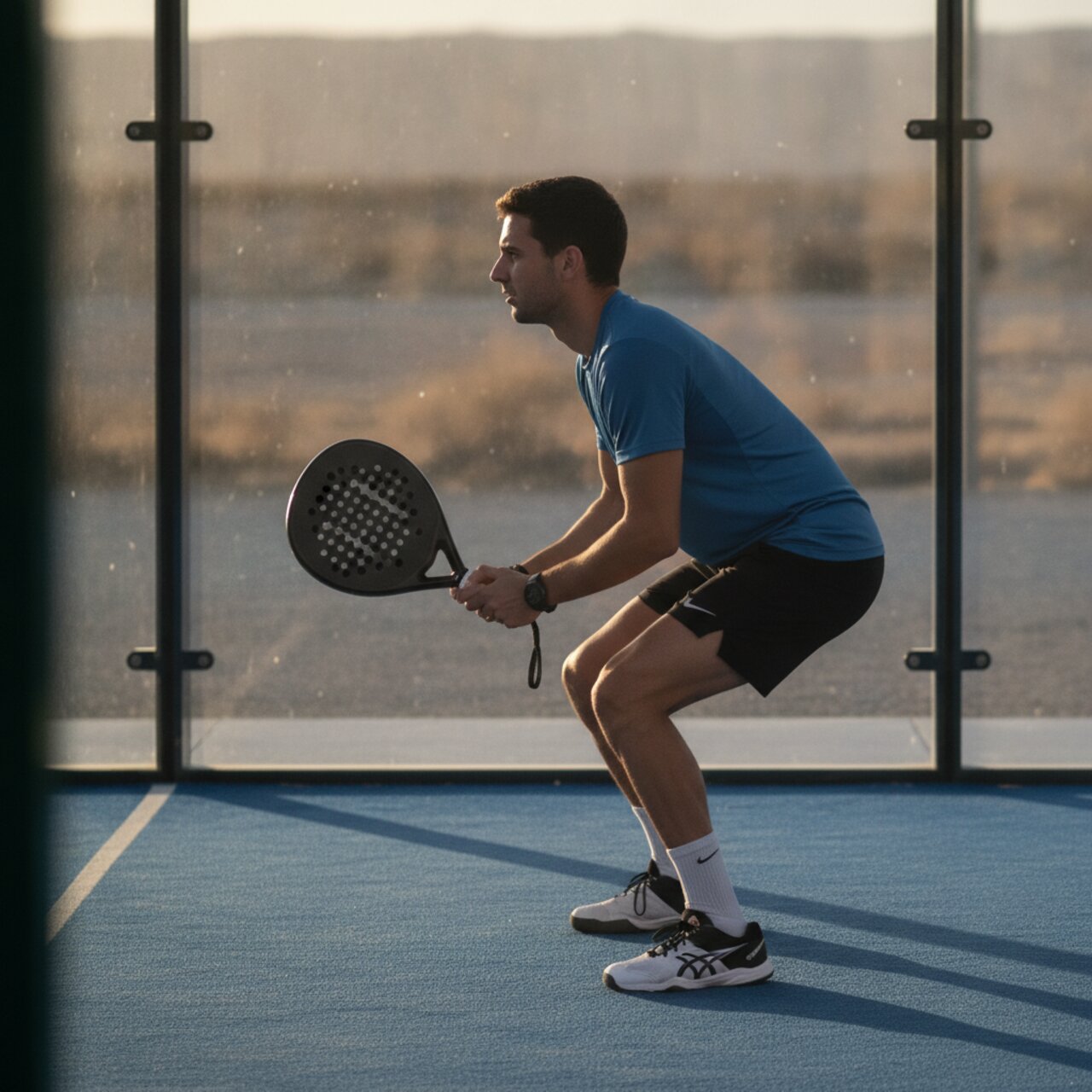
Stance. Position yourself sideways to the net with your shoulder pointing toward the target. Your non-dominant side should face the court. Keep your feet shoulder-width apart. Your knees maintain slight bend—avoid stiffness.
Ball tracking. Watch the incoming ball closely. The earlier you identify it will sit at head height, the earlier you can prepare. Sloppy preparation creates rushed execution.
Arm position. Bring your hitting arm up with your elbow bent at roughly 90 degrees. Position your racket head above and slightly behind your head. The non-hitting arm remains extended for balance. Don’t drop your racket behind your back—that’s smash preparation, not víbora.
Execution: The Complete Movement
The technique happens quickly. Breaking it down into steps helps you practice correctly.
Step 1: Load. From your prepared position, load your weight slightly onto your back foot. Keep your torso coiled and ready. Your arm stays relaxed despite the aggressive intent.
Step 2: Brush the ball. As the ball reaches its ideal height, begin your swing forward. Your forearm accelerates rapidly. The key difference from a smash: you brush upward and across the ball rather than hitting through it. The brushing action creates topspin rather than flat power.
Step 3: Wrist acceleration. The wrist rotates aggressively during the brushing motion. Start this rotation as your forearm moves forward. This wrist snap multiplies the brushing effect and creates the heavy spin that characterizes the víbora. The wrist rotation should feel explosive but controlled.
Step 4: Contact point. Strike the ball at its apex, slightly forward of your head. Contact happens with the racket face slightly closed (facing downward angle). This angle combined with the upward brush creates the topspin. The contact should feel crisp and direct, not like a slow, exaggerated motion.
Step 5: Follow-through. Your arm continues forward and across your body after contact. The follow-through completes naturally—don’t stop it abruptly. Your wrist finishes in a pronated position (palm facing down), completing the rotation.
Common Mistakes and Corrections
Mistake: Trying to hit power instead of spin. Beginners often swing hard, hoping for speed. The víbora demands finesse. The spin does the work, not raw force. Focus on brushing and wrist rotation rather than maximum arm speed.
Fix: Practice the motion slowly first. Feel the brush and wrist rotation before accelerating. Record yourself to verify your motion matches technique videos.
Mistake: Using a western grip. Many players default to their groundstroke grip. The western grip limits wrist rotation—the continental grip is mandatory for víbora execution.
Fix: Switch to continental grip during specific víbora practice sessions. Your muscle memory will eventually make this transition automatic.
Mistake: Poor ball height judgment. Hitting a víbora on a ball that’s too low or too high produces weak results. You need the precise head-height window.
Fix: Have a partner feed balls at specific heights. Practice identifying the sweet spot for víbora versus other overhead shots.
Mistake: Decelerating through the contact. Some players slow down approaching contact, trying to “guide” the ball. This removes the aggression that makes the víbora work.
Fix: Maintain acceleration through contact. Your arm continues accelerating until after the ball leaves the racket, then follow-through completes the motion.
Mistake: No weight transfer. Executing the víbora entirely from your back foot removes the power transfer your body can provide.
Fix: As you brush the ball, transfer your weight onto your front foot. This timing grounds your shot and adds stability.
Drills for Practicing the Víbora
Drill 1: Wall practice. Stand about 3 meters from a wall with a ball in hand. Toss the ball to head height and execute the motion in slow motion. Watch your technique in the wall reflection. Repeat 20 times, focusing on brush and wrist rotation. This zero-pressure environment lets you groove the motion.
Drill 2: Partner feeding. Have a partner feed balls from the other end. They toss balls at head height. You practice actual víbora execution with live balls. Start from inside the service line, then progress to deeper court positions. Perform 30 repetitions.
Drill 3: Game-situation pressure. Play points where your partner intentionally lobs short balls at head height. Force yourself to execute the víbora in semi-competitive conditions. This builds confidence when match pressure arrives.
Drill 4: Accuracy gates. Place cones in the opponent’s court. Practice landing víboras inside the target zone. Accuracy matters as much as execution—an inaccurate víbora gives the opponent attacking opportunity.
Víbora vs Bandeja vs Smash: When to Use Each
Understanding the differences prevents poor shot selection.
Víbora (head height, spin-focused): Use when the ball sits at head height and you want a short, heavy drop shot. The aggressive topspin forces opponents backward. Best when they’re already pushed deep.
Bandeja (head height, control-focused): Use when you need a safe overhead with control priority. The bandeja doesn’t require the aggressive wrist rotation of the víbora. Choose bandeja when accuracy matters more than aggression—like when opponents are at the net ready to pounce on weak returns.
Smash (shoulder height or higher, power-focused): Use when the ball reaches shoulder height or above. The smash goes through the court with flat power. It’s your weapon when they give you an elevated lob.
When the ball reaches head height, ask yourself: Do I need aggressive topspin (víbora) or controlled safety (bandeja)? Your opponent positioning answers this question.
Integrating the Víbora Into Your Game
Adding the víbora to your arsenal takes practice and patience.
Start in practice sessions, not matches. Groove the motion until it feels natural. Once you consistently execute víboras in practice with accuracy, introduce it into casual matches against friendly opponents. This removes pressure while you build confidence.
The víbora excels in doubles against opponents who defend aggressively at the net. As they pressure you, this shot’s short landing creates the court position you want. Use it strategically—don’t attempt it on every high ball. Mix it with bandeja and smash so opponents can’t anticipate your selection, and study how the bandeja and víbora compare to know which to choose.
Advanced players eventually develop the ability to modify víbora height based on defensive positioning. A deeper opponent receives a higher landing shot, extending their recovery. A net-positioned opponent receives a shorter víbora cutting off their attack options. This variation develops only through extensive repetition.
Progression Path
Week 1-2: Master the grip and basic motion against a wall with slow-motion practice.
Week 3-4: Progress to partner feeding at the court. Execute 30+ víboras daily, focusing on consistency over power.
Week 5-6: Introduce the shot into casual matches. Accept some errors as learning cost.
Week 7-8: Begin modifying depth and spin based on defensive positioning. Refine accuracy.
Month 3+: The víbora becomes a reliable option you naturally select when the situation calls for it.
FAQ: Víbora Questions
Is the víbora harder than the smash?
For many players, yes. The víbora requires more refined wrist control and timing. But some find the smash more intimidating due to its power requirements. Practice determines which feels more comfortable.
Can I use an eastern grip instead of continental?
Technically possible but not recommended. Continental grip allows the wrist rotation the shot demands. Other grips restrict this motion and limit your topspin generation.
What if I’m left-handed?
The technique remains identical—mirror everything for your dominant side. Left-handers often develop excellent víboras due to less crowding at the net. You have your own space to execute.
How do I know if my víbora has enough spin?
Watch the ball’s movement after landing. Proper topspin causes the ball to dip sharply and bounce relatively low. A weak víbora sits up high, inviting aggressive attack. Record yourself to see the actual spin production.
The Path Forward
The víbora separates advanced padel players from intermediate ones. Investment in this shot pays continuous dividends throughout your padel career. The shot feels awkward initially—that’s normal. Persistence through the awkward phase leads to a weapon that transforms how you handle high balls.
Practice the motion deliberately. When you nail a víbora in a match and see your opponent scramble backward, you’ll understand why this shot deserves the practice investment. The víbora isn’t flashy like a smash, but its effectiveness speaks for itself.