By Mario Gonzalez
The víbora in padel: the overhead shot with venom
Learn how to hit the víbora in padel: step-by-step technique, differences from the bandeja, when to use it, common mistakes, and video tutorials.
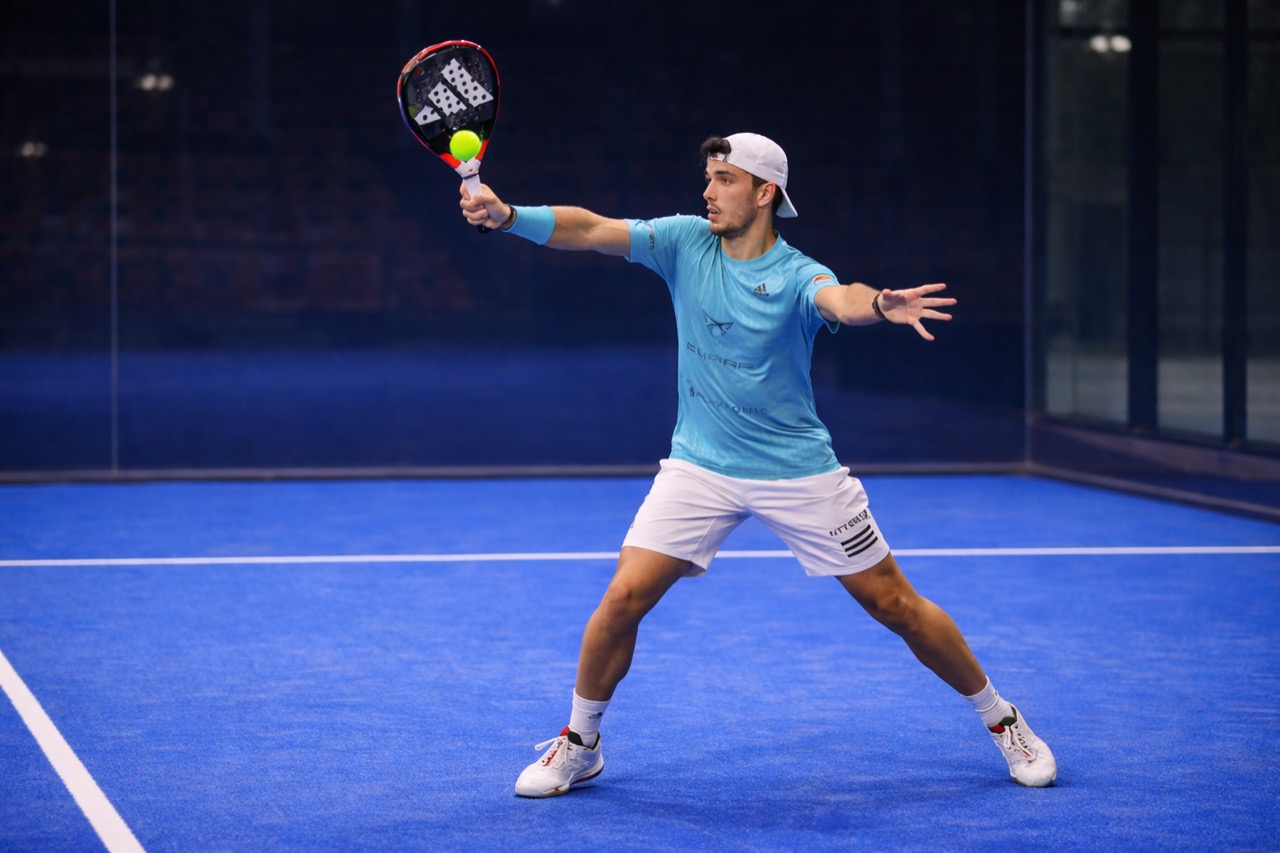
The víbora: add some venom to your overhead game
So you’ve got the bandeja down and you want something meaner. Something that makes your opponent flinch. The víbora is that shot: a bandeja with side spin that kicks off the glass and leaves your opponent scrambling.
The name means “viper” in Spanish. Pretty accurate, honestly.
What is the víbora?
It’s an overhead shot that combines slice with lateral spin. You hit it above your head like a bandeja, but with a wrist rotation that sends the ball sideways after it bounces. The result: the ball hits the ground and shoots toward the side glass at an angle your opponent wasn’t expecting.
The difference from the bandeja is straightforward. The bandeja is about control and holding position. The víbora is about doing damage. It sits between the bandeja and the smash on the aggression scale.
When to use it
- Short lobs that land comfortably: you’ve got time, good position, and you want to press. Víbora.
- To surprise after several bandejas: if you’ve hit three bandejas in a row, your opponent is getting comfortable returning them. The víbora changes the script.
- Against opponents who handle your bandeja well: if your bandeja isn’t hurting them, time to turn up the heat.
- Balls on your forehand side: the víbora works best from your natural side (right side if you’re right-handed).
- When your opponent is far from the side glass: a víbora toward the glass is lethal when they’re centered or on the wrong side.
How to execute it step by step
If you want to go deeper, this advanced víbora technique breakdown covers the mechanics in more detail.
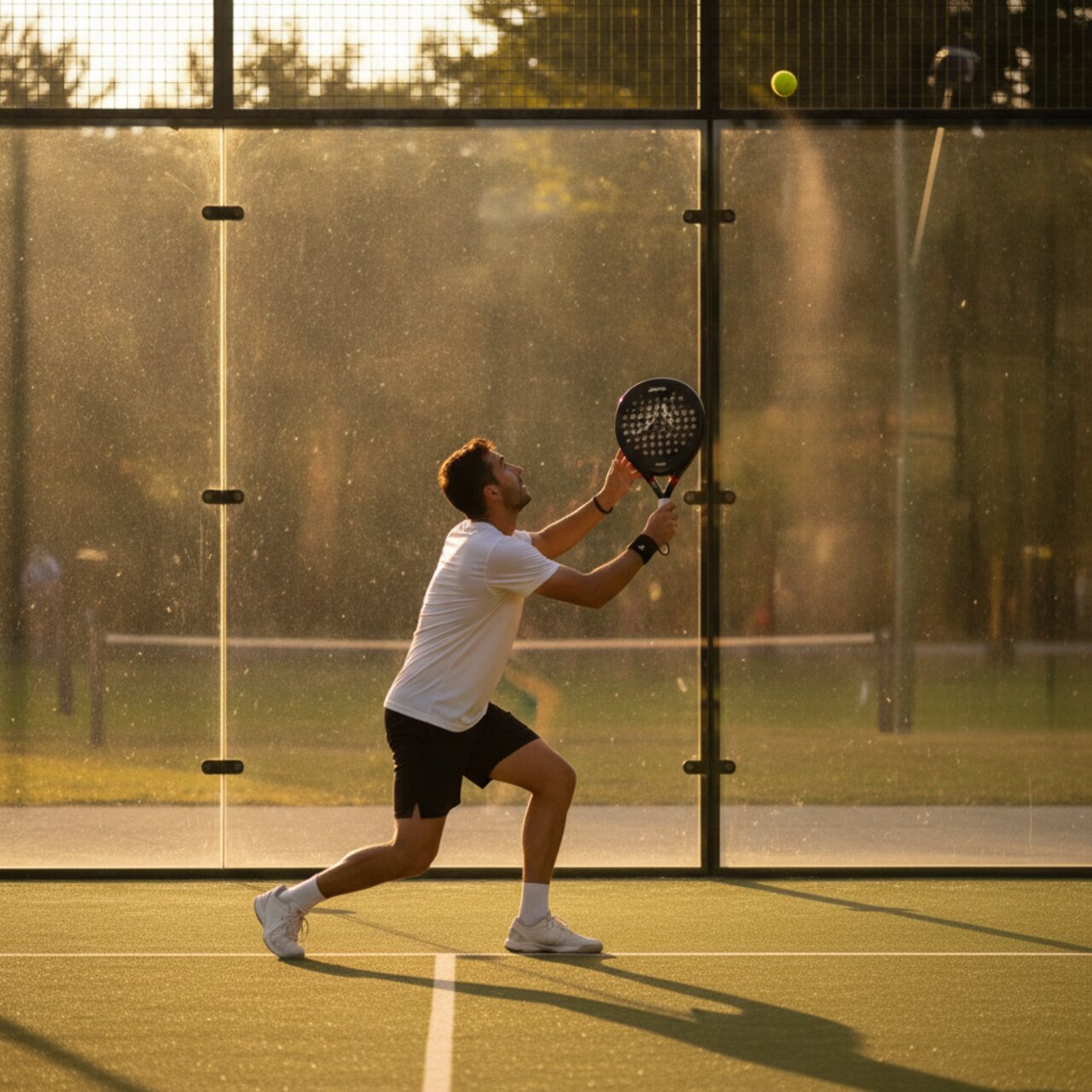
1. Setup
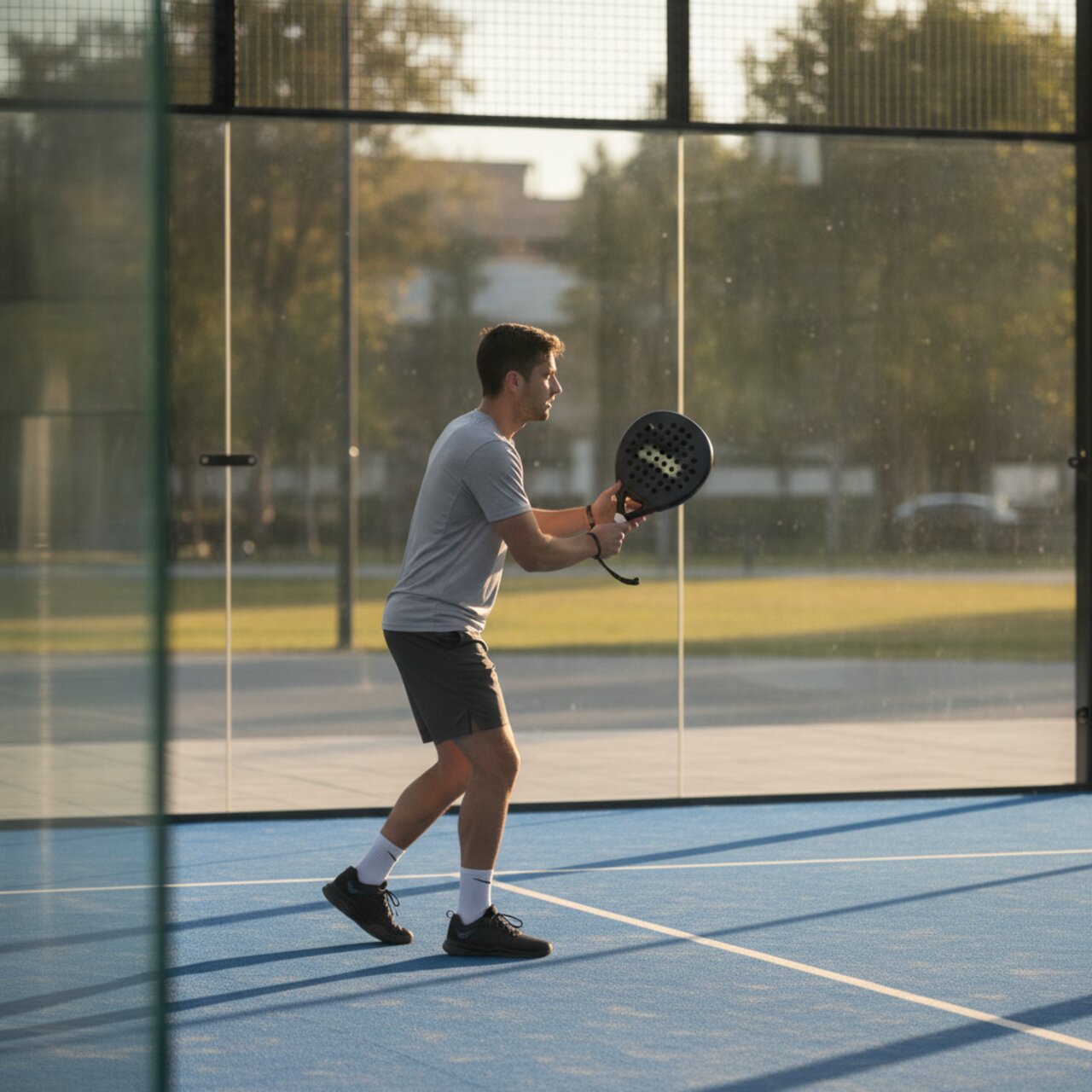
- Sideways position, same as the bandeja. Back foot behind, body turned.
- Racket up, but this time with your wrist ready to rotate.
- Free hand pointing at the ball.
- Position yourself slightly closer to the ball than for a bandeja - you need to be “on top” of it.
2. The stroke
- The motion combines slice (top to bottom) with an inward wrist rotation (pronation).
- Hit the ball in front of and slightly to the side of your body.
- The wrist does the magic: rotate it like you’re forcefully turning off a tap.
- The ball should come off with side spin - you want it to bounce on the ground then kick off the side glass.
- Aim for the third of the court closest to the side wall on the opponent’s side.
3. After the shot
- Get back to the net. The víbora can throw your balance off a bit more than a bandeja because of the wrist rotation.
- Be ready for the return - it’s not always a winner.
- If they manage to return it short, prepare for a finishing volley.
Common mistakes
| Error | Consequence | Fix |
|---|---|---|
| Only using wrist, no body | Weak shot, ball floats | The rotation comes from body + wrist together |
| Hitting too far back | Ball goes up instead of down | Contact in front of your body, always |
| Too much force | Unforced error, ball in the net or out | The víbora is about spin, not brute force |
| Using it on deep, high lobs | Can’t reach properly, no control | If the lob is good, play a bandeja or retreat |
| Always going to the same spot | Opponent reads it and waits | Alternate side glass, center, and down the line |
Advantages
- ✅ More aggressive than the bandeja without the risk of a flat smash
- ✅ The lateral bounce confuses opponents and forces them to read the glass
- ✅ You keep the net while doing damage
- ✅ Tough to return when you get good side spin on it
- ✅ Sets you apart from other players at your level - few people outside the pro tour nail it consistently
Risks
- ⚠️ Technically harder than the bandeja - the wrist rotation takes practice
- ⚠️ If you miss the spin, the ball sits up and your opponent gets an easy return
- ⚠️ Wrist injury risk if you use bad technique repeatedly
- ⚠️ Doesn’t work great on your backhand side - the mechanics feel unnatural over there
Recommended videos
The best YouTube tutorials to master the víbora:
- 🎥 APRENDE la VÍBORA de PÁDEL - Tutorial with Álex Ruiz - The Padel School - Pro tour player Álex Ruiz breaks down the víbora from scratch.
- 🎥 The BEST Vibora Padel Lesson! (Pro Coach Teaches Me) - Padel Road - A pro coach transforms the author’s víbora in real time.
- 🎥 LEARN the PADEL TRAY - Tutorial “Bandejandra” with Alejandra Salazar - The Padel School - Includes bandeja vs víbora comparison with Alejandra Salazar.
- 🎥 Master Your Bandeja - Live Session with Mauri Andrini - Hello Padel Global - Also covers the bandeja-to-víbora transition in the same session.
- 🎥 Learn the Padel Bandeja From Scratch! - The Padel School - Great companion video to understand the foundation before adding spin.
Pro tip
The víbora doesn’t replace the bandeja - it complements it. Pros use the bandeja about 70% of the time and pull out the víbora when the opportunity is right. If you try to víbora every ball, you’ll miss a lot. Think of it as a surprise weapon: the less you use it, the more effective it is when you do. Check out the full shot arsenal to see where the víbora fits in your overall game.
Want to know how many points you’re winning with the víbora? Track your matches on padellog and see the data.