By Mario Gonzalez
What is Padel? Everything You Need to Know in 2026
Discover what padel is, how it differs from tennis, and why it is the fastest-growing racket sport in the world. Complete guide for newcomers.
What is Padel? Everything You Need to Know in 2026
If you’ve been hearing about “padel” lately and wondering what all the fuss is about, you’re not alone. This racket sport has exploded in popularity worldwide, with over 25 million players globally and counting. But what exactly is padel, and why is everyone talking about it?
In this guide, we’ll break down everything you need to know about padel - from its origins to how it’s played, and why it might become your new favorite sport.
Quick Answer: What is Padel?
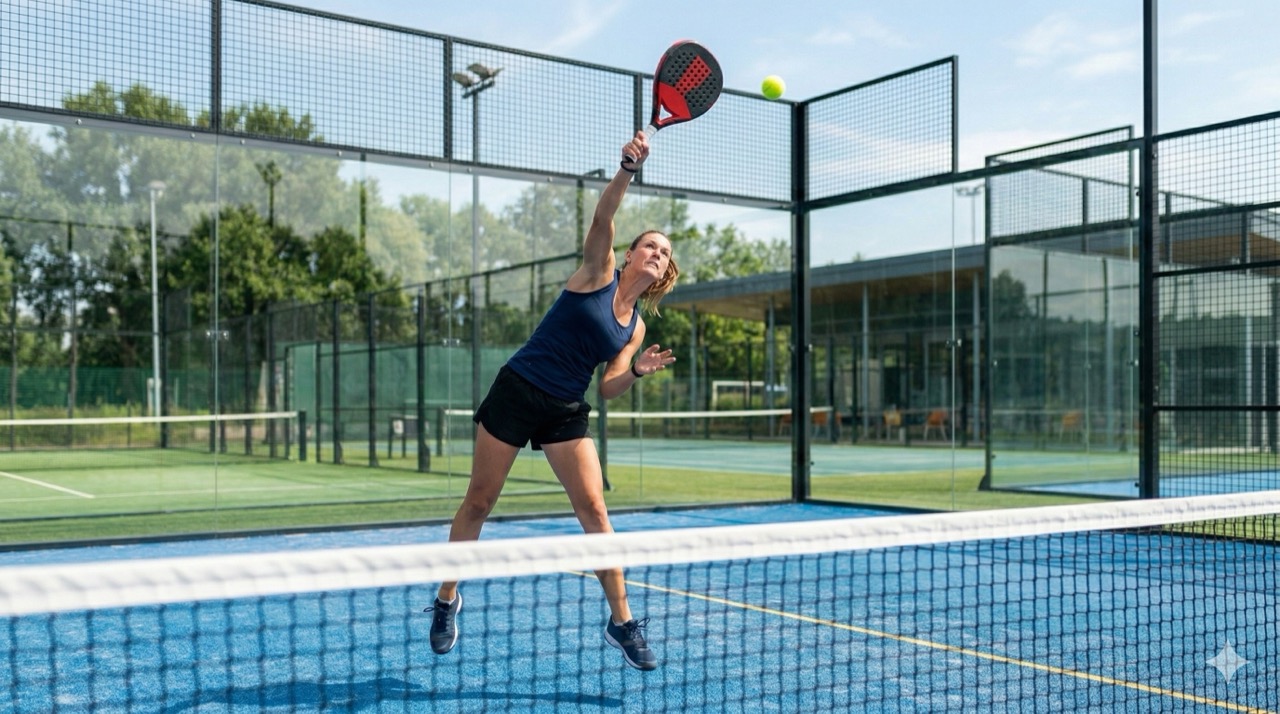
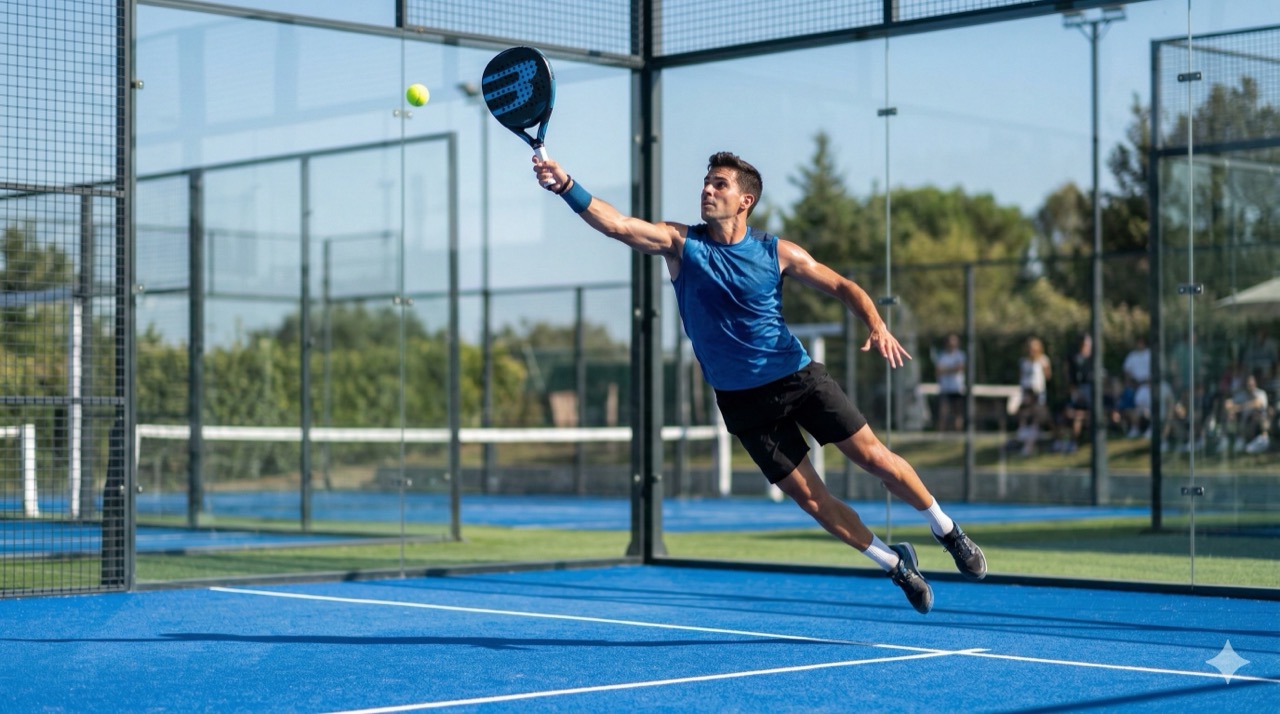
Padel (also called padel tennis) is a racket sport that combines elements of tennis and squash. It’s played on an enclosed court about one-third the size of a tennis court, always in doubles (4 players), using solid rackets and a pressurized ball. The key difference from tennis? The glass walls surrounding the court are part of the game - you can play balls off them, similar to squash.
Think of it as: Tennis meets Squash, played with a friend, on a smaller court, with walls you can use.
The Basics of Padel
Court & Equipment
- Court size: 20m x 10m (66ft x 33ft) - about 1/3 of a tennis court
- Walls: 3-4 meter high glass walls at the back and sides (part of the playing area)
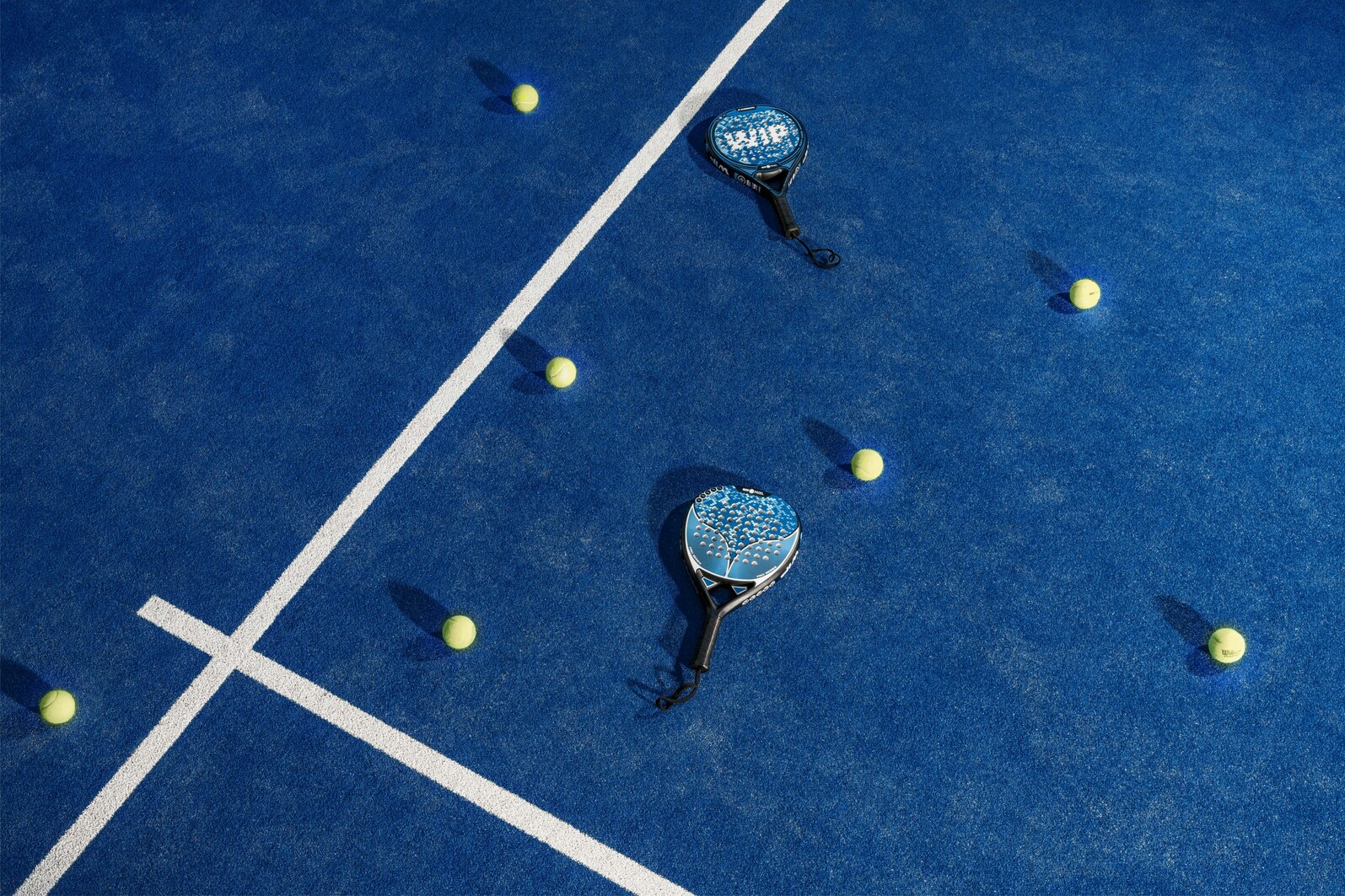
- Racket: Solid paddle (no strings) with holes, about 18 inches long
- Ball: Similar to a tennis ball but with lower pressure (softer, slower bounce)
- Net: Similar height to tennis (88cm at center)
- Format: Always doubles (2v2)
How It’s Played
- Serve: Underhand serve (below waist) into the diagonal service box
- Rally: Ball can bounce once on the ground, then hit
- Walls: After bouncing on the ground, the ball can hit your side walls - still in play!
- Scoring: Same as tennis (15, 30, 40, game)
- Win condition: First to 6 games wins the set (with 2-game margin)
Key Rules
- Must serve underhand
- Ball must bounce before hitting your walls
- Always played in doubles (no singles format)
- Walls are your ally - use them strategically
- Same scoring as tennis
Where Did Padel Come From?
Padel was invented in 1969 in Acapulco, Mexico, by Enrique Corcuera (read the full history of padel from Acapulco to the world). He wanted to build a tennis court at his vacation home but didn’t have enough space, so he built a smaller court surrounded by walls. Friends loved it, and the sport spread to Spain in the 1970s.
Why Spain? Spanish businessman Alfonso de Hohenlohe brought padel to Spain’s Marbella Club in 1974. The sport exploded in popularity across Spain, Argentina, and Latin America. Today, Spain has over 20,000 padel courts and 4+ million players.
Global Growth: From Spain, padel has spread to:
- 🇪🇸 Spain (birthplace of modern padel)
- 🇦🇷 Argentina (huge padel culture)
- 🇸🇪 Sweden (fastest-growing European market)
- 🇬🇧 UK (rapid expansion since 2020)
- 🇺🇸 USA (emerging market, courts popping up everywhere)
- 🇦🇪 UAE (Middle East hub)
Why is Padel So Popular?
Padel has become the fastest-growing racket sport in the world. Here’s why:
| Reason | Explanation |
|---|---|
| Easy to Learn | You can have fun rallies on your first day - much easier than tennis |
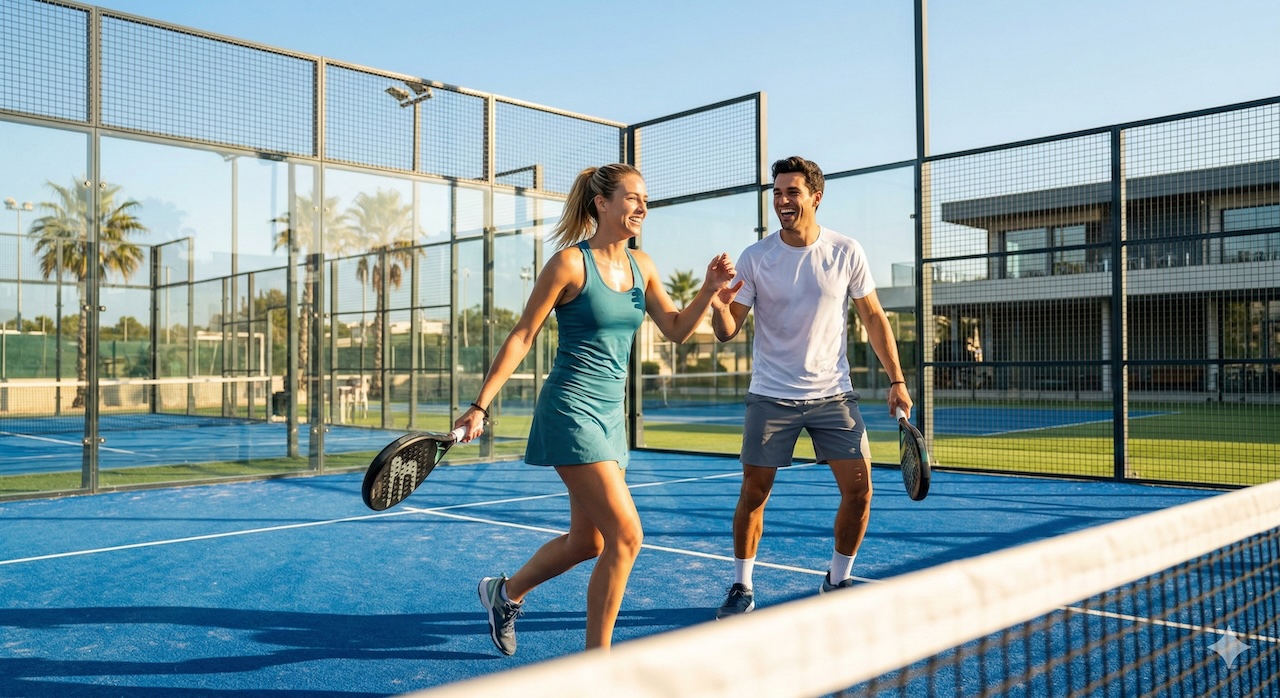
| Social & Fun | Always played in doubles, very interactive, lots of laughs |
| Less Injury Risk | Smaller court means less running, easier on knees and joints |
| Strategic Depth | Wall play adds tactical complexity - easy to start, hard to master |
| Great Workout | Burns 400-600 calories/hour while being less intense than tennis |
| Space Efficient | Courts fit in smaller spaces than tennis - easier to build |
| Age Friendly | Suitable for ages 6-80+ due to lower physical demands |
Padel vs Tennis: Key Differences
If you’re familiar with tennis, here’s how padel compares:
| Feature | Tennis | Padel |
|---|---|---|
| Court Size | 78’ x 36’ | 66’ x 33’ (smaller) |
| Walls | No walls | Glass/mesh walls in play |
| Racket | Strung racket | Solid paddle |
| Serve | Overhead | Underhand only |
| Format | Singles or doubles | Doubles only |
| Physical Demand | High (lots of running) | Moderate |
| Learning Curve | Steep | Gentle |
| Strategy | Power + placement | Positioning + patience |
Bottom line: Tennis rewards power and individual skill. Padel rewards strategy, patience, and teamwork.
How to Play Padel: Simple Rules
The Serve
- Stand behind the service line
- Bounce the ball once
- Hit underhand (below waist height)
- Ball must land in opponent’s diagonal service box
- You get one serve (not two like tennis)
During the Rally
Legal moves:
- Hit the ball before it bounces (volley)
- Let it bounce once, then hit
- Ball can bounce off YOUR side walls before you hit it
- Your shot can bounce on ground first, then hit opponent’s walls
You lose the point if:
- Ball bounces twice on your side
- Ball hits the fence/mesh on your side before you hit it
- You hit the net
- Ball goes out without bouncing on opponent’s side first
Scoring
Exactly the same as tennis:
- 15, 30, 40, game
- Deuce at 40-40
- Sets won at 6 games (or 7-6 tiebreak)
- Matches usually best of 3 sets
New addition (2026): Some tournaments use the Golden Point (sudden death at deuce) to speed up matches. The receiving pair chooses which side to receive on.
What Makes Padel Unique?
1. The Walls Change Everything
Unlike tennis where hitting the back fence ends the point, in padel the walls are part of the game. This creates:
- Longer rallies - balls don’t go “out” as easily
- Strategic angles - use walls to create tricky returns
- More thinking - positioning matters more than power
- Spectacular shots - off-the-wall winners are common
2. Always Played in Doubles
Padel has no singles format. This makes it:
- More social - always playing with and against friends
- Better for beginners - partner covers your weaknesses
- Team-oriented - communication is key
- Less physically demanding - half the court to cover
3. Easier to Learn Than Tennis
Most beginners can:
- Have decent rallies on day one
- Understand the basics in 30 minutes
- Play competitively within a few weeks
- Enjoy the game from the start
4. Strategy Over Power
In padel:
- The serve is not a weapon (underhand only)
- Patience wins over aggression
- Positioning beats athleticism
- Smarter players beat stronger players
Who Can Play Padel?
Short answer: Almost everyone!
Age range: 6 to 80+ years old
Fitness level: Any (from beginners to athletes)
Tennis background: Helpful but not required
Padel is ideal for:
- Tennis players looking for less injury risk
- Squash players who want outdoor play
- Pickleball players wanting more challenge
- Social groups seeking fun group activity
- Older players (easier on joints than tennis)
- Kids (smaller court, easier to control)
How Much Does It Cost?
Padel is relatively affordable compared to other racket sports:
| Item | Cost | Notes |
|---|---|---|
| Court Rental | $20-40/hour | Split 4 ways = $5-10 per person |
| Racket | $60-300 | Beginners: $60-120 |
| Shoes | $60-150 | Court shoes (tennis shoes work) |
| Balls | $6-8 per can | Clubs often provide |
| Lessons | $30-60/hour | Optional but recommended |
First-time cost: $10-20 if you rent equipment
To buy your own gear: $120-300 (racket + shoes)
Ongoing cost: $5-10 per session for court rental
Where to Play Padel
Padel courts are popping up everywhere. Find courts near you:
1. Dedicated Padel Clubs
- Purpose-built padel facilities
- Multiple courts, coaching, leagues
- Growing rapidly in major cities
2. Tennis Clubs
- Many tennis clubs adding padel courts
- Often have both sports available
3. Sports Centers
- Community recreation centers
- University sports complexes
4. Private Courts
- Some luxury apartments/hotels have courts
- Growing trend in residential areas
Find courts:
- Google “padel courts near me”
- Use the padellog app court finder
- Check local tennis/sports clubs
- Facebook groups for your city
Professional Padel
Padel has a thriving professional scene:
Premier Padel Tour (2024-present)
- Official tour backed by International Padel Federation
- Major tournaments worldwide
- Top prize money exceeding $1 million annually
Top players earn:
- Prize money: $500k - $2M per year
- Sponsorships: Additional millions for top players
- Growing viewership on YouTube and streaming
Watch pro padel:
- YouTube: “Premier Padel” channel
- Social media: Instagram, TikTok highlights
- Tournaments often held in major stadiums
The Future of Padel
Padel’s growth shows no signs of slowing:
Current stats (2026):
- 25+ million players worldwide
- 85+ countries with padel courts
- 20,000+ courts globally
- Fastest-growing racket sport
Coming soon:
- Olympic inclusion discussions
- Major sports brands investing heavily
- AI-powered coaching and stats (like padellog!)
- High-tech courts with built-in sensors
Why it will keep growing:
- Low barrier to entry
- Smaller footprint than tennis (easier to build courts)
- Social media friendly (spectacular rallies)
- Perfect for modern lifestyles (quick games, social)
How to Start Playing Padel
Ready to try padel? Here’s your action plan:
Step 1: Find 3 Friends
Padel is doubles-only, so grab 3 friends. First-timers are perfect - you’ll all learn together!
Step 2: Book a Court
- Google “padel courts near me”
- Book 1 hour (enough for first time)
- Cost: $20-40 total ($5-10 per person)
Step 3: Rent or Borrow Equipment
- Most clubs rent rackets ($5-10)
- Wear court shoes (tennis shoes work)
- Bring water and sunscreen
Step 4: Learn the Basics
- Watch a 5-minute YouTube tutorial
- Read the rules (this guide!)
- Arrive 10 minutes early to warm up
Step 5: Just Play!
- Focus on fun, not perfection
- Expect to miss a lot at first (everyone does)
- Enjoy longer rallies as you improve
- Laugh at mistakes (it’s part of learning)
Step 6: Track Your Progress
Use padellog to:
- Log your matches
- Track your improvement
- Find courts and players
- Analyze your stats
Download for iOS | Download for Android
Common Questions About Padel
Is padel the same as pickleball?
No. While both are racket sports played on smaller courts, they’re quite different:
- Padel: Glass-walled courts, solid rackets, tennis-like ball, doubles only
- Pickleball: Open court, perforated balls, smaller court, singles or doubles
Can you play padel in singles?
Technically yes, but it’s extremely rare. The court and game are designed specifically for doubles (2v2). Playing singles padel defeats the social purpose and strategic design of the sport.
Is padel easier than tennis?
Yes, for beginners. The smaller court, softer ball, and forgiving walls make it easier to have fun rallies from day one. However, both sports have high skill ceilings - mastering padel takes years.
Do I need special shoes for padel?
Court shoes with good lateral support are recommended. Tennis shoes work perfectly. Avoid running shoes (not enough lateral support) and shoes with black soles (can mark the court).
How long does a padel match take?
A typical recreational match lasts 60-90 minutes. Professional matches can go 2-3 hours. Most court bookings are 60-90 minutes.
What age can kids start playing padel?
Kids as young as 5-6 can start with modified equipment. Many clubs offer junior programs for ages 8-16. There’s no upper age limit - players in their 80s still enjoy padel.
Is padel an Olympic sport?
Not yet, but the International Padel Federation is working toward Olympic inclusion. The sport’s rapid global growth makes it a strong candidate for future Olympics.
Why is padel so popular in Spain?
Padel arrived in Spain in 1974 and fit perfectly with Spanish culture: social, outdoor, leisurely pace. Spain’s climate allows year-round play. Today, Spain has more padel courts per capita than any country.
Ready to Start Your Padel Journey?
Padel is more than just a sport - it’s a social experience, a workout, and a lifelong skill. Whether you’re looking for fun with friends, competitive play, or a new fitness routine, padel has something for everyone.
Quick recap:
- Padel = Tennis meets Squash, always doubles, with walls
- Easy to learn, hard to master
- Social, fun, less injury risk than tennis
- 25+ million players worldwide
- Courts popping up everywhere
Your next step:
- Find 3 friends
- Book a court
- Download padellog to track your journey
- Start playing!
See you on the court! 🎾
Related articles:
- Padel for Beginners: Complete Guide
- Padel Rules: 10 Essential Rules
- Padel vs Tennis: Key Differences
- Padel Court Dimensions Explained
- Why Padel Is the Perfect Family Sport
Track your padel journey: Download the padellog app to log matches, track stats, and find courts near you.