By Mario GonzalezEquipment
Overgrip vs Replacement Grip in Padel: Which One You Actually Need
Overgrip vs replacement grip in padel explained: what each layer does, when to swap each one, the types to buy, and how to set the right handle thickness.
The overgrip vs replacement grip question trips up more players than almost any other piece of padel gear. They sit on the same part of the racket, they both wrap around the handle, and the marketing on the packaging rarely explains how they work together. Get the difference wrong and you either replace the expensive layer too often or play on a tacky surface that died three weeks ago.
These are two separate components doing two separate jobs. Once you understand what each one is for, choosing what to buy and when to change it becomes obvious.
Overgrip vs Replacement Grip: The Core Difference
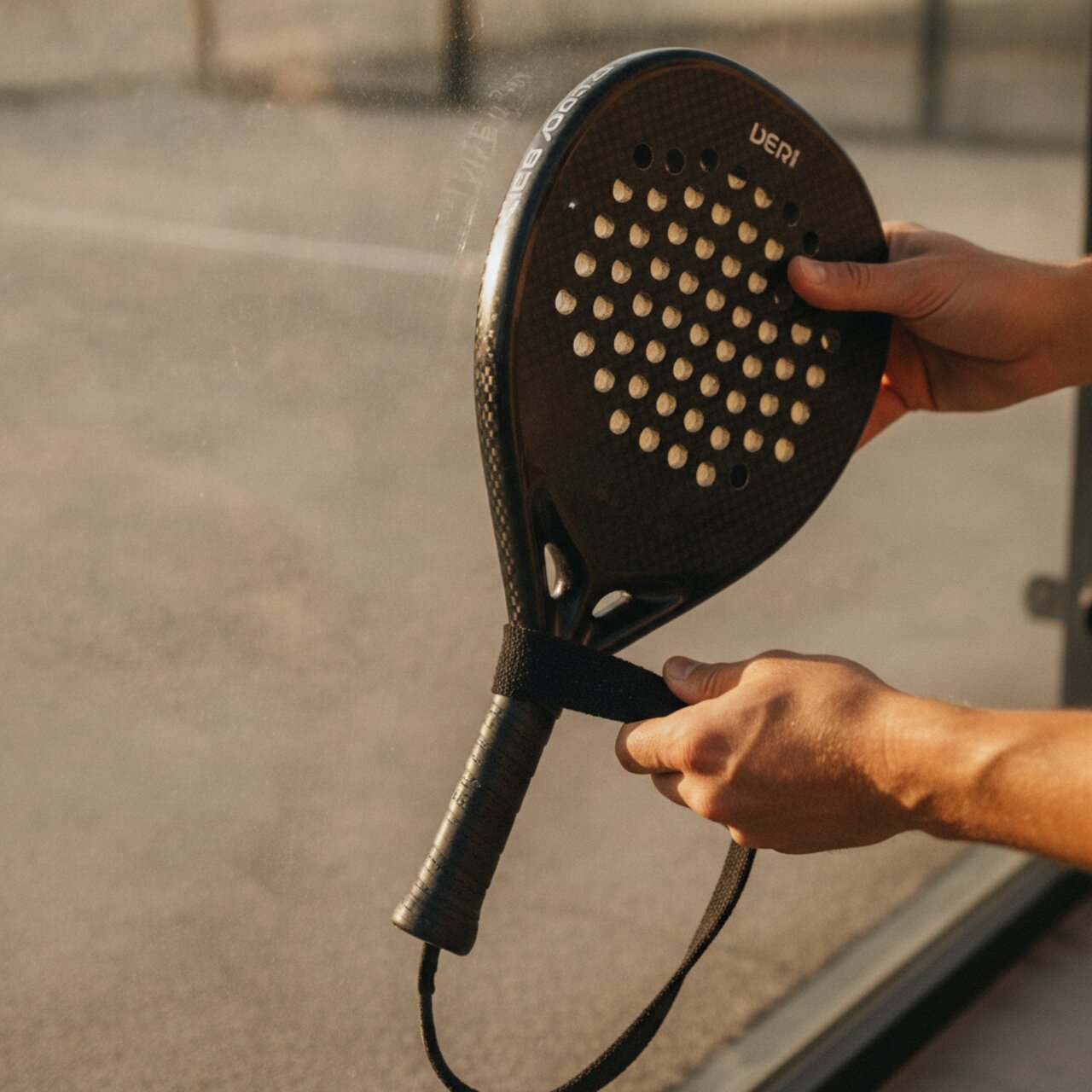
The replacement grip (also called the base grip) is the thick, foam-backed band wrapped directly around the bare handle. It comes pre-installed on every new racket. Its job is structural: it builds the handle to a usable thickness, cushions impact, and absorbs the bulk of the shock that travels up from the ball.
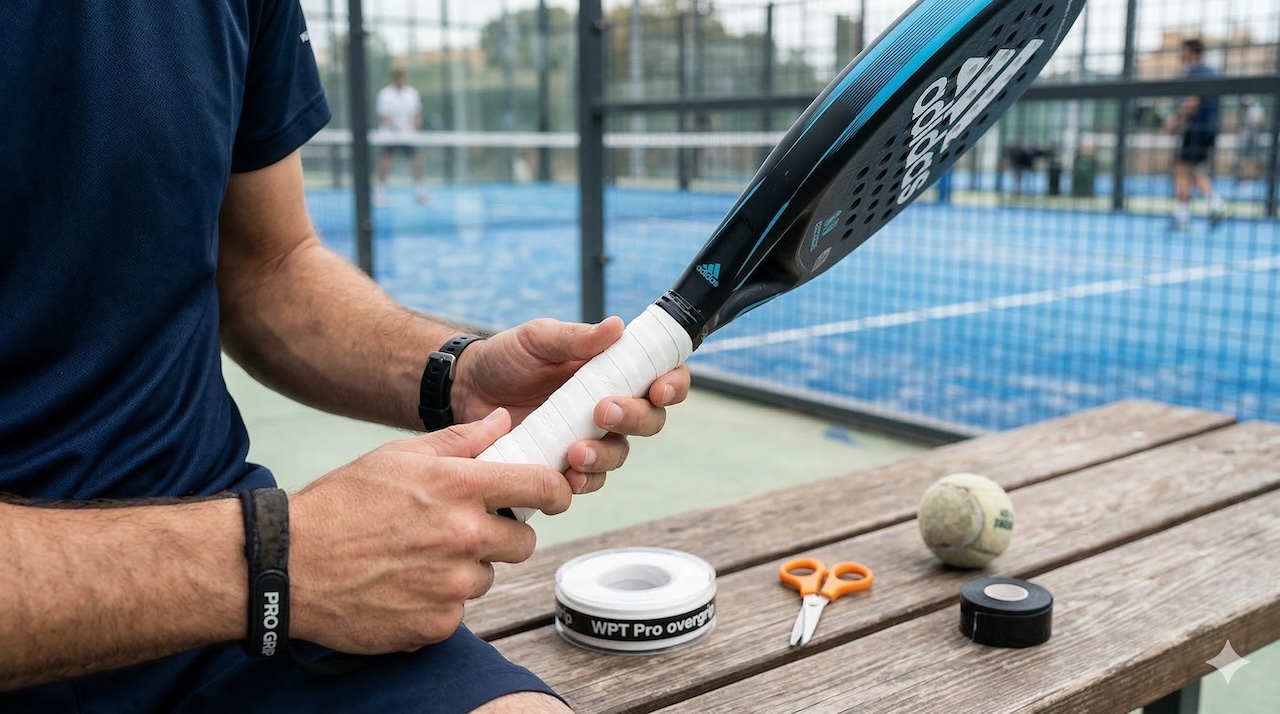
The overgrip is the thin layer you wrap on top of the base grip. It’s typically 0.5 to 0.75 mm thick versus the 1.5 to 1.8 mm of a base grip. Its job is the contact surface: tack, sweat absorption, and the feel under your fingers. This is the layer you’re meant to wear out and replace constantly.
A useful way to think about it: the base grip is the mattress, the overgrip is the bedsheet. You change the sheet often and the mattress rarely. Most players run one base grip plus one overgrip, and that combination feels right for the majority of hands.
| Replacement (base) grip | Overgrip | |
|---|---|---|
| Position | Directly on the handle | On top of the base grip |
| Thickness | 1.5–1.8 mm | 0.5–0.75 mm |
| Main job | Cushioning, handle size | Tack, sweat, feel |
| Change frequency | Every 6–12 months | Every 2–6 weeks |
| Price each | €6–12 | €2–4 (often sold in 3-packs) |
| Comes with racket | Yes | No |
When to Replace Each Layer
The two layers wear on completely different schedules, and confusing them is the most common mistake.
Your overgrip is a consumable. It loses tack, turns shiny, and starts sliding well before it looks destroyed. An intensive player training three to four times a week will get through one every two to three weeks. A weekend player can stretch one to four to six weeks. If you sweat heavily or play through a Spanish summer, halve those numbers. The cost is low enough that there’s no reason to play on a dead overgrip.
Your base grip lasts far longer because the overgrip protects it. Replace it every six to twelve months, or sooner if you notice the cushioning has gone flat, the foam has compressed unevenly, or you start feeling more shock in your wrist and elbow after matches. A base grip that has hardened is a real injury risk, not just a comfort issue. If you’ve never changed the original grip on a racket you’ve owned for a year, it’s almost certainly time.
For a deeper walkthrough of the swap itself, see our step-by-step guide to changing your padel racket grip, which covers the wrapping direction and tension for both layers.
Types of Overgrip
Overgrips split into two broad families, and picking the wrong one for your hands is why some players never feel comfortable.
Tacky Overgrips
Tacky overgrips have a slightly sticky, smooth surface that grabs your fingers. They give a connected, locked-in feel and suit players with dry or normal hands. The downside is they get slippery once saturated with sweat, because there’s no texture to channel moisture away. If your hands stay dry through a match, this is usually the better feel.
Dry (Absorbent) Overgrips
Dry overgrips have a textured, perforated, or tacky-but-absorbent surface designed to soak up moisture and keep a consistent feel as you sweat. Players with sweaty hands, and anyone playing in heat and humidity, should default to these. They feel less “sticky” out of the wrap but stay reliable deep into a long match.
A practical test: if you finish matches wiping your hand on your shorts every few points, you need a dry overgrip. If your grip stays dry naturally, a tacky one will feel better.
Perforated and Textured Options
Within both families you’ll find perforated overgrips (small holes for ventilation and grip), textured ones with raised patterns, and ribbed versions. These are personal-preference refinements rather than separate categories. Buy a 3-pack of one type, play with it for a few sessions, and only experiment further if something specifically bothers you.
How Grip Layers Affect Handle Size
Beyond feel, your grip stack determines how thick the handle is, and handle size has real consequences for your wrist and your shots.
Padel handles are fairly standardized and on the small side compared to tennis, which is deliberate. A thinner handle lets you snap your wrist freely for the serve, the bandeja, and wrist-driven flicks. But a handle that’s too thin forces you to squeeze harder to control the racket, which fatigues your forearm and contributes to tennis elbow.
Each overgrip adds roughly 0.5 to 0.75 mm of circumference. Most players land in the right zone with one base grip and one overgrip. If the handle feels too thin or you find yourself gripping tightly, add a second overgrip rather than buying a thicker base grip; it’s cheaper and easier to fine-tune. Players with large hands sometimes run a base grip plus two overgrips. Avoid going past two overgrips, since the extra layers deaden the feedback the thin handle is designed to give you.
If you’re choosing a new racket entirely, handle thickness is one of several fit factors worth weighing alongside shape and weight in our guide to the best padel rackets of 2026.
Application: Getting It Right
A few details separate a grip that lasts from one that unravels mid-match.
Wrap the overgrip starting from the butt of the handle and work upward, overlapping each turn by a couple of millimeters. Keep steady tension; too loose and it bunches, too tight and it tears. Most overgrips come with a thin adhesive finishing tape, but many players add a turn of electrical tape or a grip band at the top for extra security in humid conditions.
Match the wrapping direction to your dominant hand: right-handers wrap so the overlap faces away from the fingers as they close, which stops the edge from peeling. The full grip-changing guide breaks the direction down with the reasoning behind it.
Keep your grip stack clean. Sweat and dust work into the base grip over time, and a fresh overgrip on a grimy base never feels as good. Wiping the handle down when you change overgrips is a 30-second habit that’s part of basic racket maintenance.
FAQ
Can I just keep adding overgrips instead of changing them? No. A new overgrip on top of a dead one builds the handle too thick and traps the old tackless layer underneath. Strip the old overgrip before wrapping a new one. The base grip stays; only the top layer comes off.
Do I need an overgrip at all if the racket came with a grip? You can play on the bare base grip, but you’ll wear it out fast and it absorbs sweat poorly. An overgrip is a €2–4 layer that protects a €10 base grip and gives you better feel. It’s the cheapest performance upgrade in padel.
Why does my overgrip get slippery so quickly? Either it’s the wrong type for your hands (you likely need a dry/absorbent one) or it’s simply spent. Overgrips lose tack with use and turn shiny well before they look worn out.
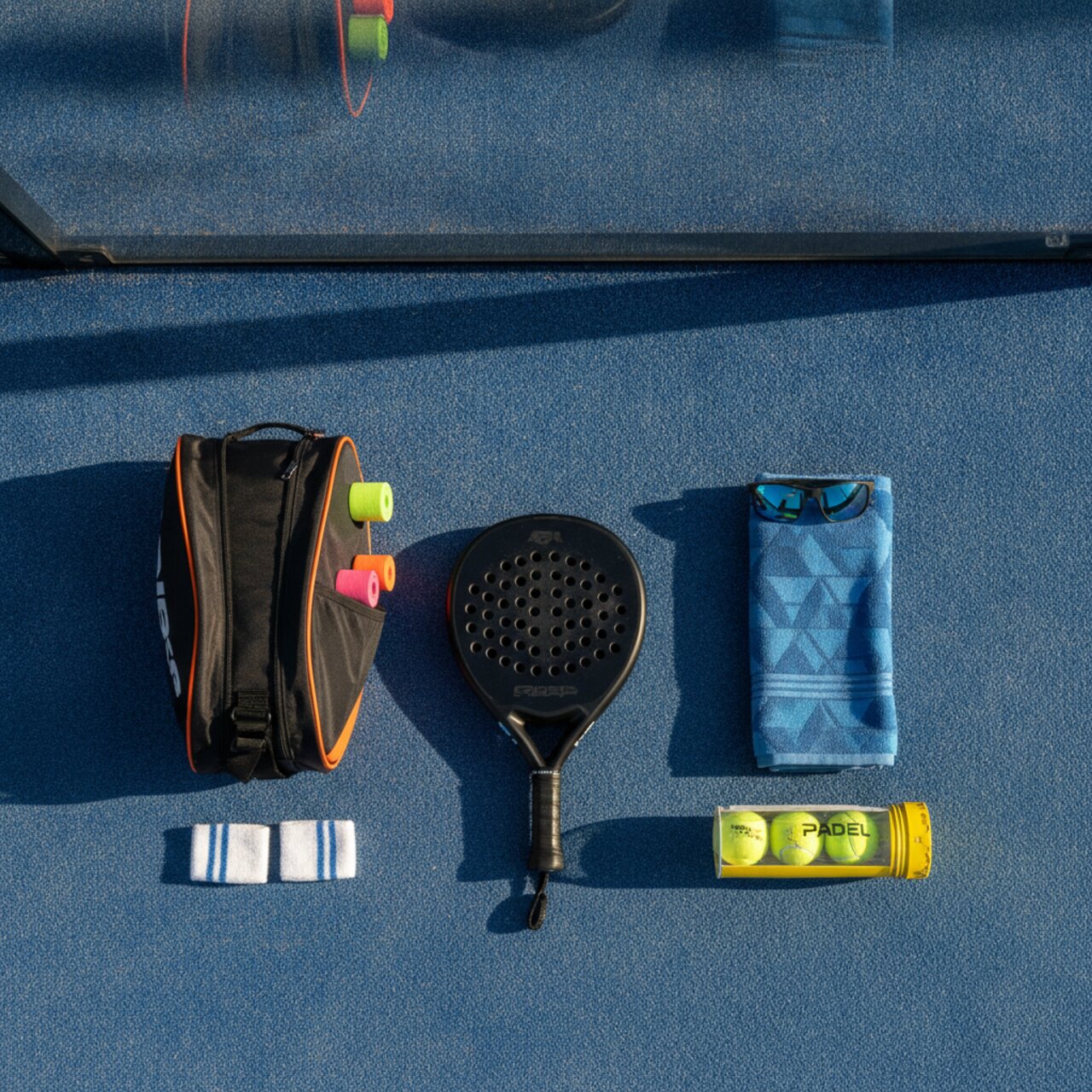
How many overgrips should I keep in my bag? Keep at least two spares. They’re cheap, they fail without much warning, and a slick handle on match point is a problem you can avoid for a couple of euros. Stocking them is part of a complete padel equipment checklist.
Does the overgrip color or brand affect performance? Color is cosmetic. Brand matters only insofar as the tacky-versus-dry choice and build quality vary. Find a type that suits your hands and buy it in multipacks rather than chasing pro endorsements.
Your grip is the only thing connecting you to the racket, so it earns more attention than most players give it. Run a fresh base grip, top it with the overgrip type that matches how much you sweat, and change that top layer before it dies. Pair that with the rest of your gear knowledge from our padel equipment checklist and you’ll never lose a point to a slippery handle again.