By Mario GonzalezBeginner
Padel for Kids: A Getting Started Guide for Parents
A practical guide to padel for kids covering the right starting age, racket sizing, court setup, first drills, and how to keep young players motivated.
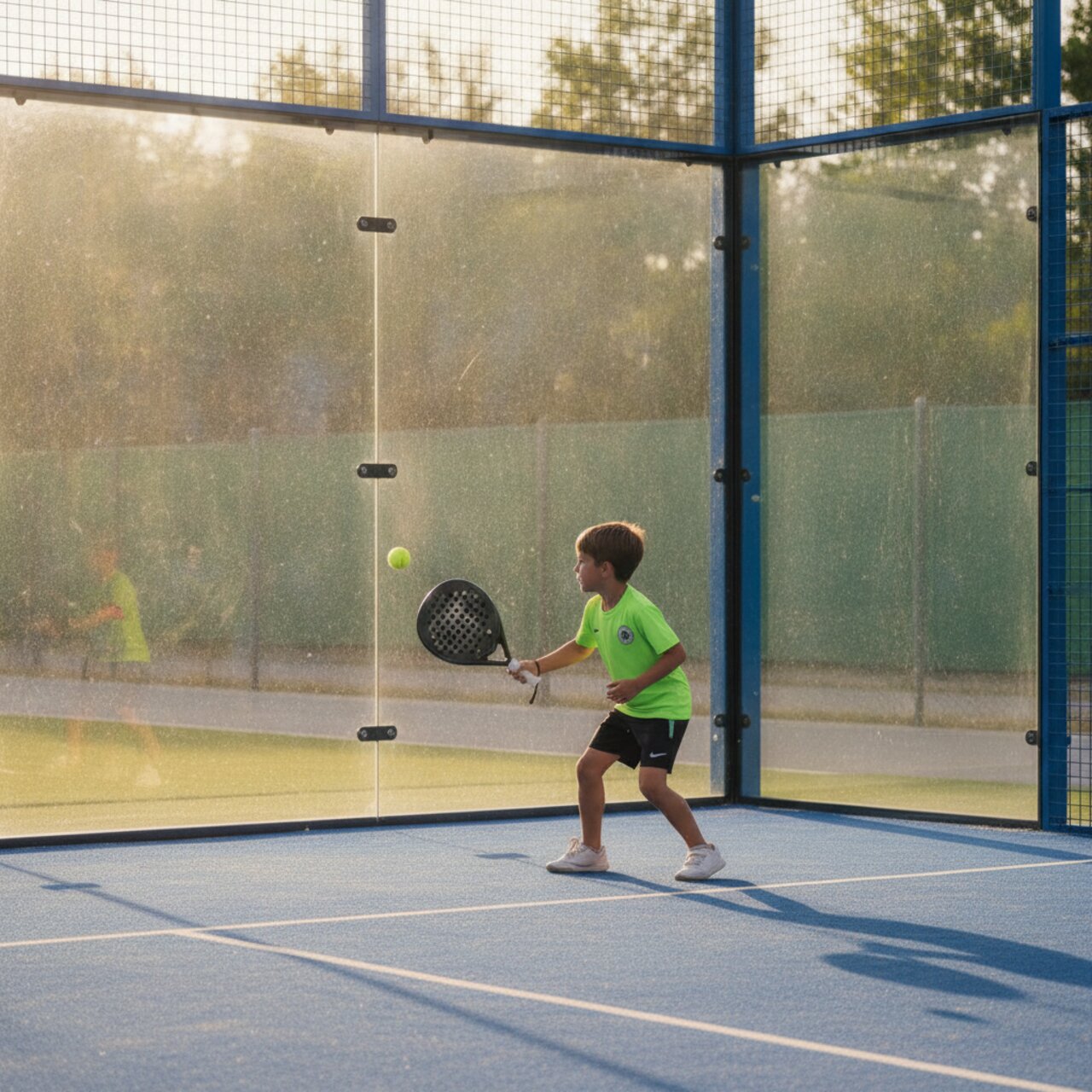
Padel for kids works because the court is small, the walls keep the ball in play, and rallies last long enough for a beginner to feel successful within the first session. A six-year-old who would chase a tennis ball into the next county can keep a padel point going off the back glass. That early success is the whole game when it comes to keeping children interested.
This guide covers the practical decisions parents face: when to start, what equipment fits a small body, how to run a first session, and what realistic progress looks like over the first year. None of it requires you to be a coach or even a strong player yourself.
What Age Can Kids Start Padel?
Most children can start hitting balls in a structured way around age 5 or 6. Before that, attention spans and hand-eye coordination usually aren’t ready for rallying, though plenty of clubs run movement-based “mini padel” sessions for ages 4 to 5 that focus on play rather than technique.
The 5-to-8 bracket is about contact and fun: catching, throwing, tapping the ball over a low net, learning that the walls are friends. Real shot technique and scoring start to make sense around 8 to 10, when kids can hold a swing and follow a point. By 11 or 12, motivated players can train seriously and compete in junior categories.
Age is a guide, not a gate. A coordinated five-year-old may rally happily while a restless eight-year-old needs more game-based sessions first. Match the format to the child, not the birthday.
Choosing the Right Junior Racket
A full-size adult racket is too heavy and too long for a child, and handing one over is the fastest way to build bad habits and sore wrists. Junior rackets are shorter, lighter, and built with softer materials that absorb shock.
Weight is the number that matters most. As a rough guide:
- Ages 4-6: 210-240 grams
- Ages 7-9: 240-260 grams
- Ages 10-12: 260-300 grams
- Ages 12+: approaching adult weights of 300-360 grams
A racket that’s too heavy forces a child to drop the head and swing from the shoulder, which wrecks technique before it forms. When in doubt, go lighter. A round-shaped head is the right call for every junior because it offers the largest sweet spot and the most forgiving, balanced feel. Save the diamond and teardrop shapes for adults chasing power. If you want the full reasoning on shape and weight, the racket shapes guide explains how each affects play.
Don’t overspend early. A child’s size and grip will change fast, so a mid-range junior racket they’ll outgrow in a year is a smarter buy than a premium one. When they’re ready for a real frame, the best rackets for beginners round-up covers grown-up options.
The Court and the Basics
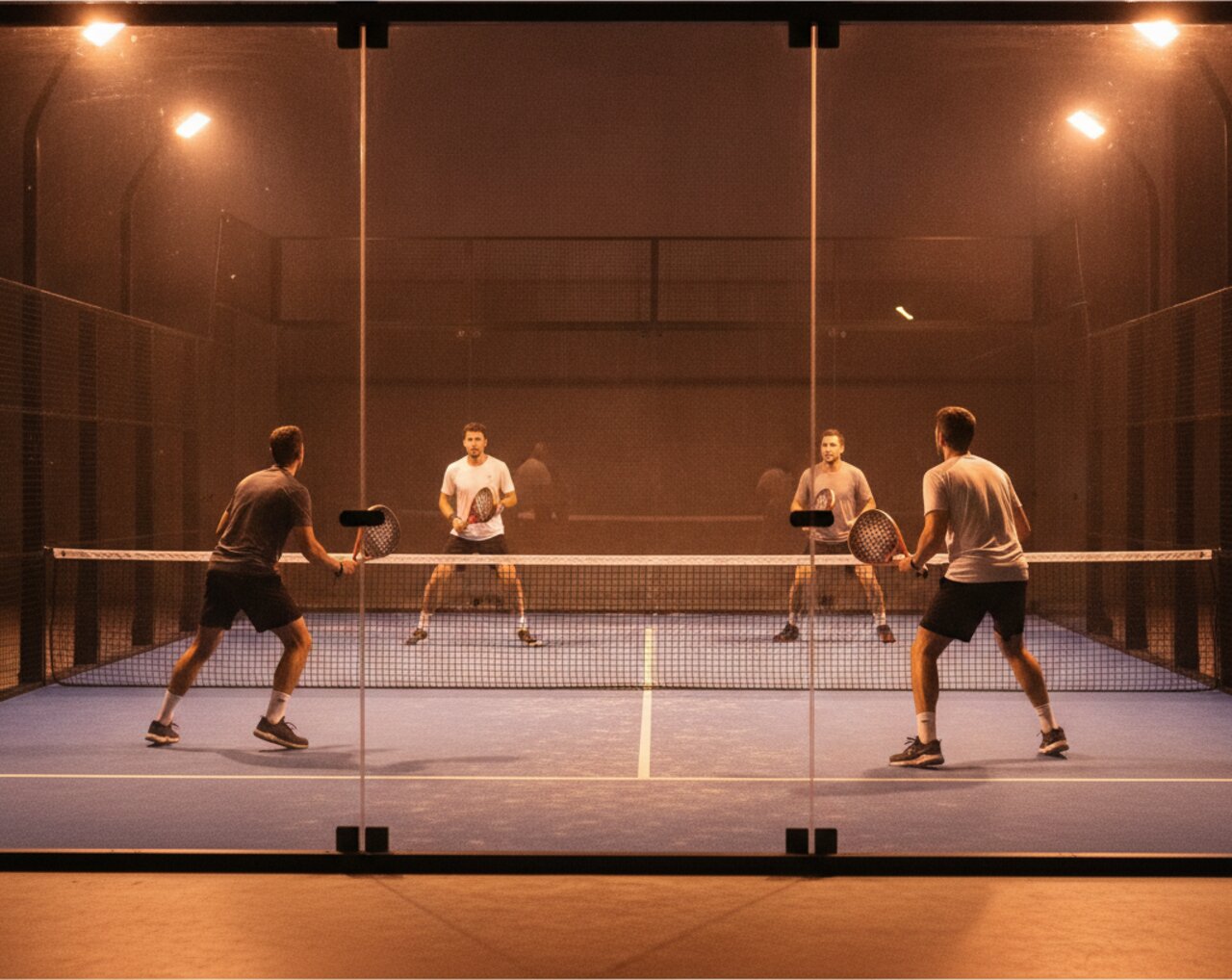
Padel is played on an enclosed court roughly a third the size of a tennis court, with glass walls and mesh fencing that keep the ball in play. For kids, that enclosure is a gift: balls that would be lost on an open court come back into the rally. If your child is brand new to the sport, the what is padel overview lays out the basics, and the court dimensions guide shows the layout.
Some clubs offer reduced-size junior courts or set up portable nets across a normal court for the youngest groups. A smaller space means more touches and less running to exhaustion, which keeps energy and morale high.
Two habits are worth teaching from day one. First, the underhand serve, bouncing the ball once and hitting it below waist height, because it’s the only legal serve and it’s easy for small arms. Second, using the walls on purpose: let the ball pass, watch it come off the glass, and hit it on the way back. Kids who learn to play the rebound early have a huge advantage over those who panic at the wall.
Running a First Session
You don’t need a lesson plan to give a child a great first hour. Keep it short, keep it moving, and end before they’re bored.
Start with five minutes of catching and throwing across the net, no rackets. This teaches spacing and tracking the ball without the complication of a swing. Then introduce the racket for simple cooperative hits: how many times can the two of you tap the ball back and forth without a miss? Counting turns practice into a game instantly.
Once they can sustain a few hits, add the back wall. Roll or gently feed a ball into the glass and let them hit the rebound. Children find this genuinely fun, and it builds the single most padel-specific skill there is. Finish with a mini “match” to a small number of points, where you serve underhand and keep the ball easy. Let them win some. A child who wins a few points leaves wanting to come back.
Avoid drilling technique for more than a minute or two at a time at this age. Correction is fine in small doses, but the goal of early sessions is for the child to associate padel with fun and success, not instruction.
Keeping Kids Motivated
Motivation in young players runs on enjoyment and small wins, not long-term goals. A six-year-old does not care about improving their backhand; they care about whether the next hour is fun.
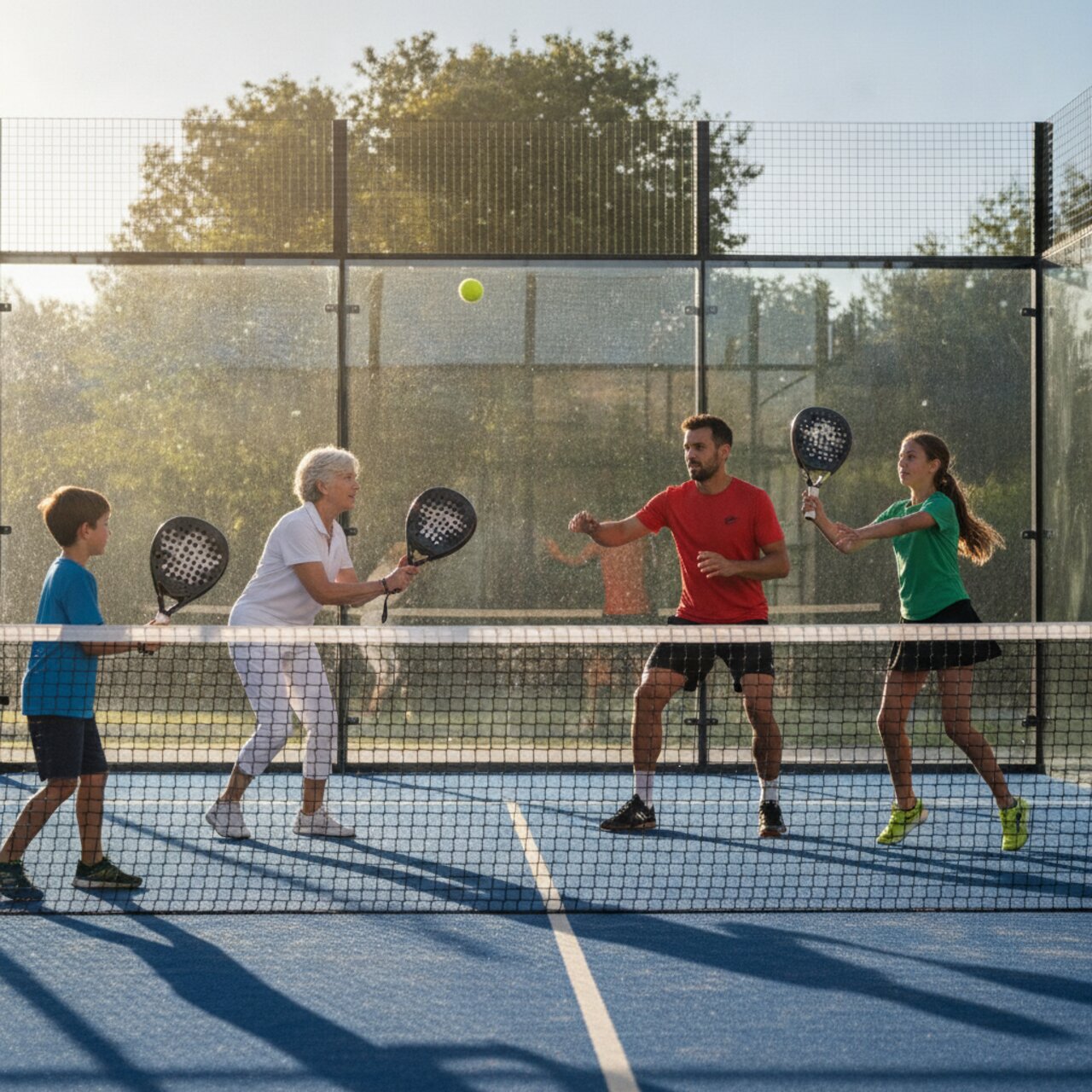
Group sessions usually beat one-on-one for this age. Playing alongside other kids adds social energy, light competition, and the simple fun of being with friends. Many clubs run junior academies or weekend mini-padel programs that handle this well, with coaches who know how to keep a group of children engaged.
Mix in games rather than pure drills. Target practice (hit the cone, hit the wall square), simple relays, and points-based mini matches keep effort high without it feeling like work. Praise effort and good attempts, not just winning shots. And watch for burnout: two enthusiastic sessions a week beat four that turn into a chore.
If your child plays a tennis-style sport already, expect some crossover and some habits to unlearn, especially the overhead serve and the instinct to take the ball before the wall. That’s normal and corrects with court time.
What to Expect in the First Year
In the first few months, a child learns to make consistent contact, serve underhand, and keep a cooperative rally going. They’ll start using the back wall instinctively, which is a real milestone.
By six months to a year, motivated kids can play simple points with a partner, understand basic scoring, and move toward and away from the net with purpose. Technique will still be rough, and that’s fine. Padel rewards consistency and court sense long before it rewards a clean swing, so a child who keeps the ball in play and uses the walls is already a competent young player.
Don’t measure progress against adults or against fast-track expectations. The kids who stick with the sport are almost always the ones who were allowed to enjoy it first and refine it later.
Next Steps
Once your child is rallying and ready for more structure, the complete beginner’s guide covers rules, positioning, and the fundamentals in depth. Learning the scoring system together makes mini matches more meaningful, and the glossary of essential terms helps the whole family speak the same language on court.
The best thing you can do for a young padel player is simple: get them on court regularly, keep it fun, and let the skills follow. Padel is a sport families can grow into together, and starting early gives kids years of enjoyment ahead.