By Mario Gonzalez
The padel drop shot: how to win points with a soft touch
Master the padel drop shot from the net and from the back. Step-by-step technique, when to use it, common mistakes and video tutorials.
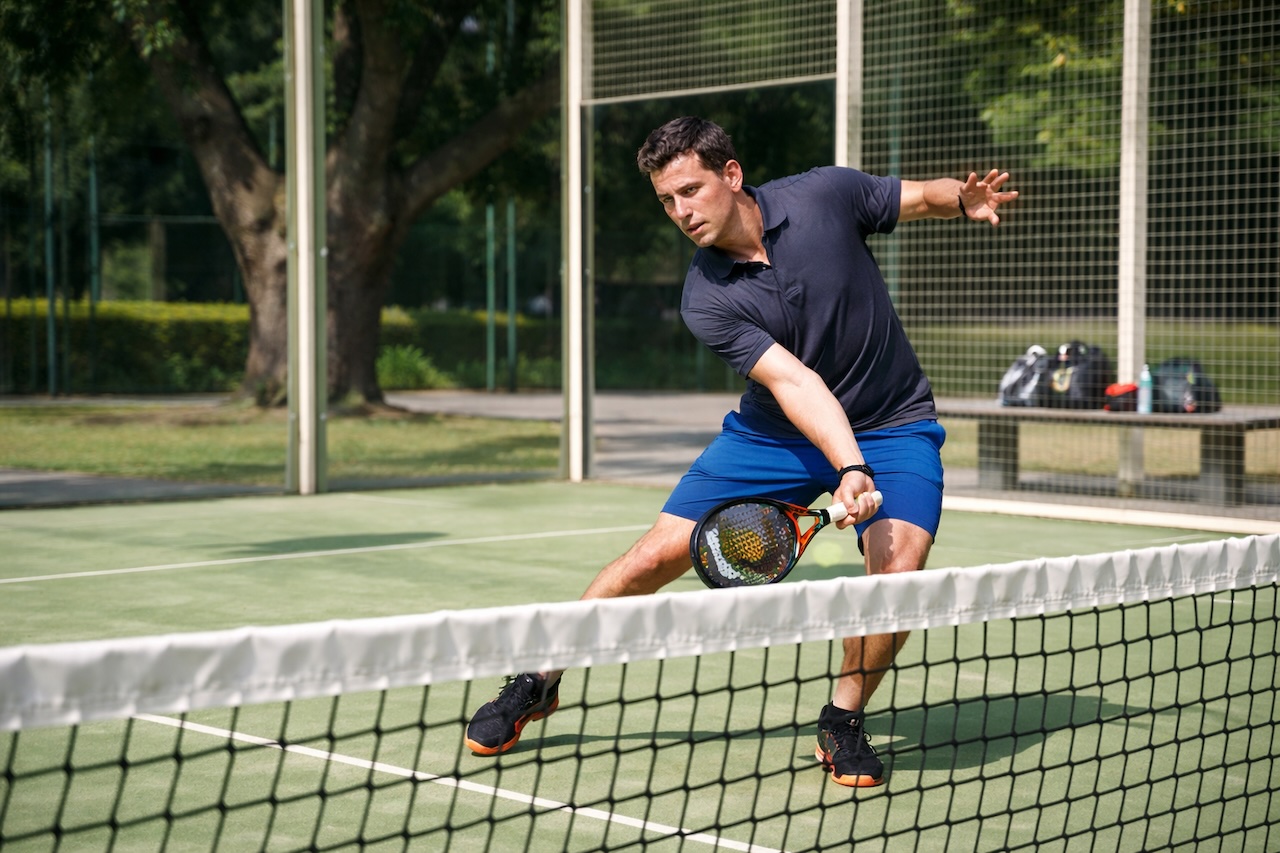
The padel drop shot: the quiet point winner
Few things in padel feel as good as a perfectly placed drop shot. The ball dies near the net, barely bounces, and your opponent sprints forward knowing they’re not going to make it. Beautiful. But here’s the catch - a bad drop shot is basically handing your opponent an easy put-away. So you need to know the how and the when.
What is the drop shot?
A soft shot designed to land as close to the net as possible on your opponent’s side, with minimal bounce. The goal is simple: the ball dies before they can reach it.
Two main types:
- Drop shot from the net: you’re already up front, you receive a comfortable ball, and instead of punching a volley, you let it drop softly over. This is the more common one and has a higher success rate.
- Drop shot from the back: you’re at the baseline and instead of returning deep, you slip in a drop shot that catches opponents off guard. Riskier but devastating when it works.
The drop shot is closely related to the chiquita, but they serve different purposes. The chiquita targets your opponent’s feet at the net so you can move up. The drop shot wants the ball to die before anyone touches it.
When to use it
- When opponents are stuck at the back: they’re far from the net, so the drop shot forces a desperate sprint.
- After moving them side to side: you’ve dragged them to one corner, then drop it to the opposite side. Brutal.
- When you have a comfortable ball at the net: not every volley needs to be aggressive. Sometimes the drop is the smarter play.
- To break the rhythm: if the rally has turned into a boring baseline exchange, a drop shot changes everything.
- Against opponents with poor mobility: if someone’s slow to start, the drop shot exploits that all day.
- Never when you’re in trouble: the drop shot demands control and calm. If you’re scrambling or off balance, pick a different shot.
How to execute it step by step
1. Setup
- Disguise is everything: the key to a good drop shot is making your opponent think you’re hitting something else. Prepare exactly the same way you would for a volley or a groundstroke.
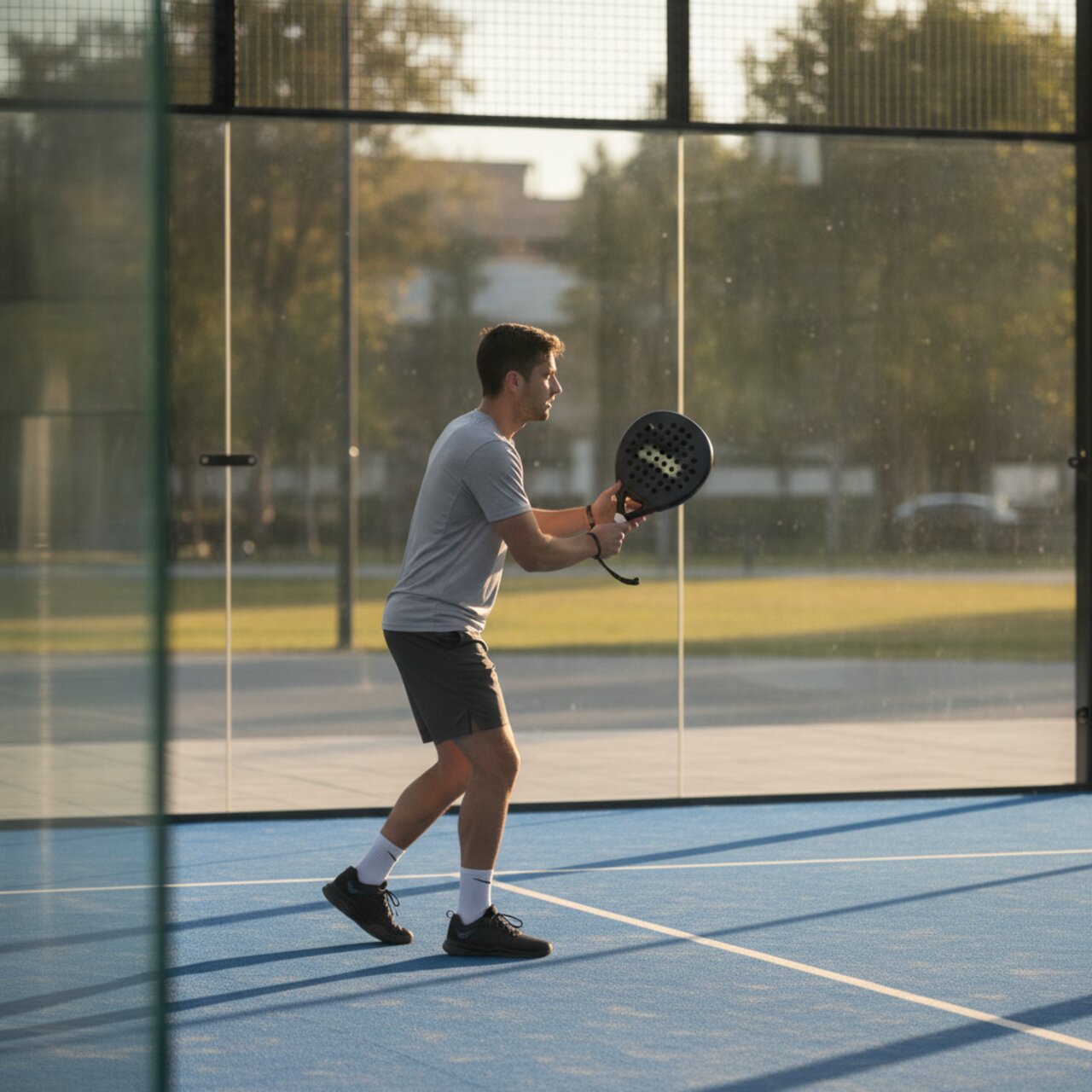
- Relaxed grip: loosen your hand slightly. You need feel, not force.
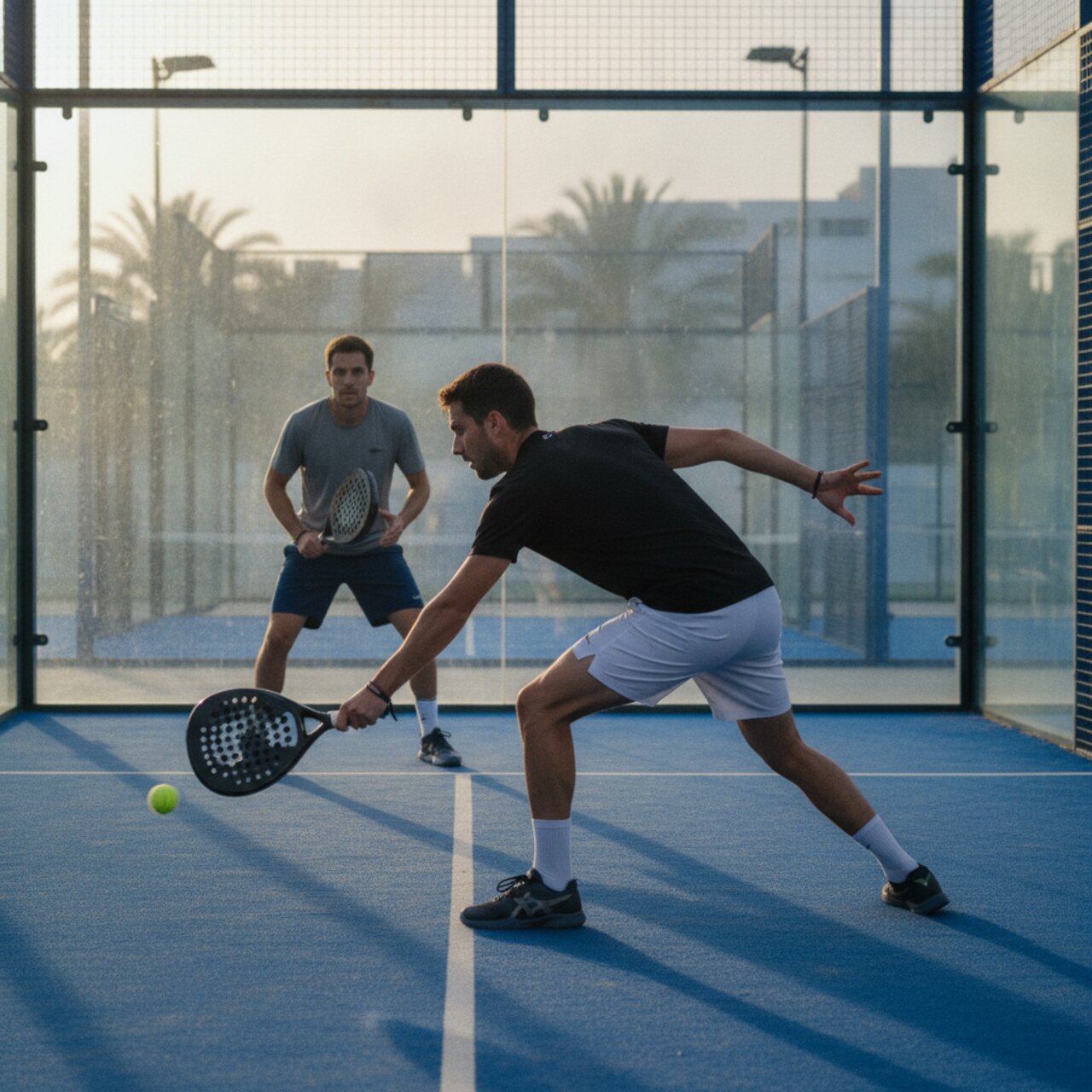
- Body position: face the ball, stay balanced. Whether at the net or the back, bend your knees.
2. The stroke
Drop shot from the net:
- At the moment of contact, open the racket face upward.
- The motion is tiny. Almost nothing - the racket brushes under the ball.
- Add some backspin so the ball bounces low and stays near the net.
- Aim to clear the net by just a few centimeters. The lower, the better.
Drop shot from the back:
- You need a bit more swing here because the ball has to travel further.
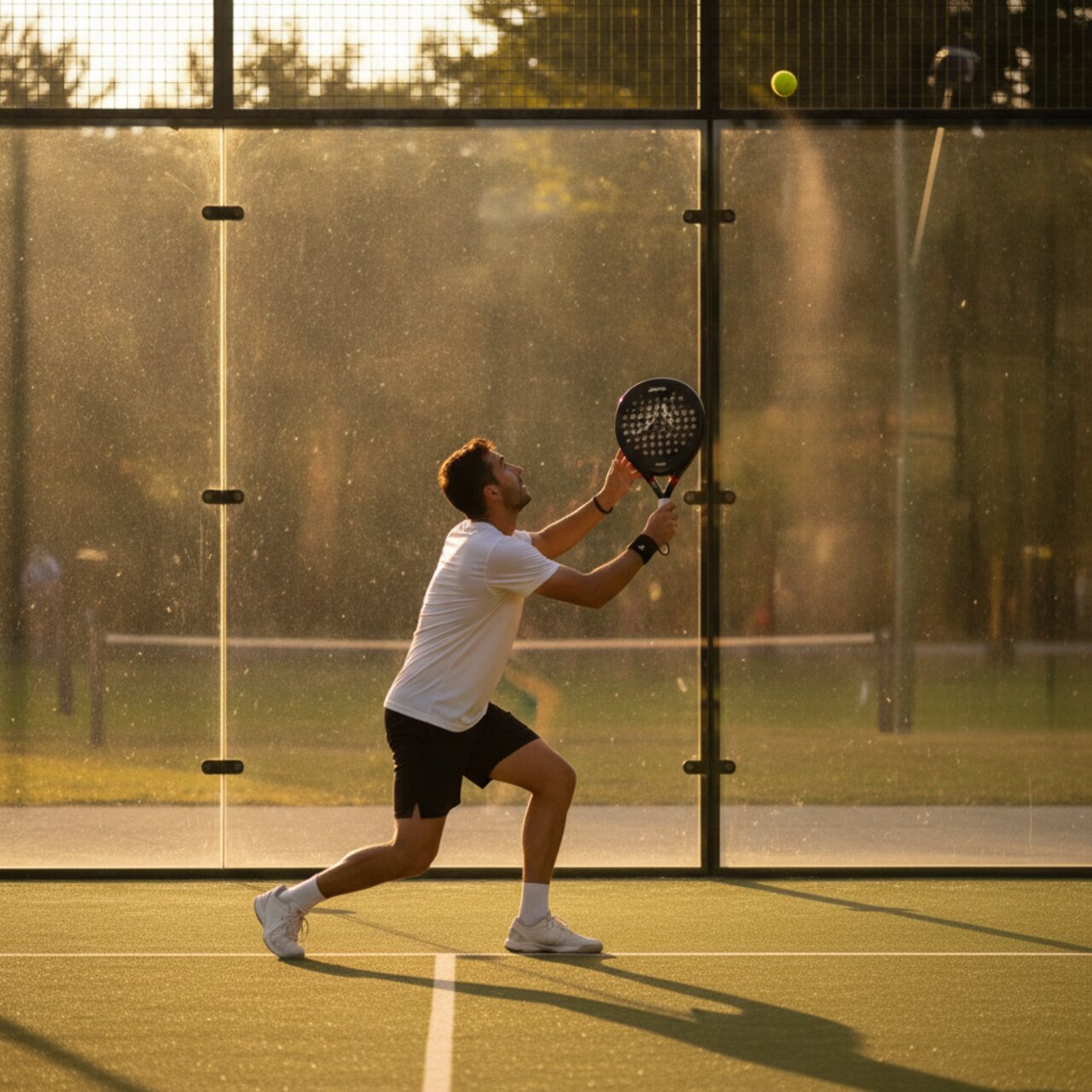
- The motion goes high to low with the racket face wide open. Heavy slice.
- The ball should go high over the net (it needs the distance) but with so much backspin that it dies on the bounce.
- The wrist does most of the work. Soft motion, like you’re placing the ball on a shelf.
3. After the shot
- Good drop from the net: stay up front and get ready. Your opponent will likely arrive stretched and give you an easy ball.
- Good drop from the back: move to the net. You’ve pulled them out of position - take advantage.
- Bad drop shot: prepare to defend. A drop shot that sits up high and central is candy for your opponent.
Common mistakes
| Mistake | Consequence | Fix |
|---|---|---|
| Telegraphing the drop shot | Opponent reads it and arrives easily | Prepare the same way as any other shot |
| Too much force | Ball crosses with pace and opponent attacks it | Less is more. Soften your hand |
| Dropping when under pressure | No control, ball goes anywhere | Only use it when balanced and comfortable |
| No backspin | Ball bounces high, opponent reaches it easily | Open the racket face and slice under the ball |
| Always to the same spot | Opponent reads you after two attempts | Vary: cross-court, down the line, center |
| Overusing the drop shot | Opponents start anticipating | Keep it as a surprise, not a habit |
Advantages
- ✅ Almost a guaranteed point when opponents are deep and you execute well.
- ✅ Breaks the rhythm and applies psychological pressure.
- ✅ Forces opponents to worry about one more threat.
- ✅ Even if they reach it, they usually return a weak ball you can attack.
- ✅ Doesn’t require physicality - just touch and brains.
Risks
- ⚠️ A poorly executed drop shot is a free ball with open court for your opponent.
- ⚠️ Overuse it and opponents start anticipating and countering.
- ⚠️ From the baseline, the error percentage is high. Use it wisely.
- ⚠️ Wind can make the drop shot unpredictable - too short or too long.
Recommended videos
- How to Play the Perfect Padel Dropshot - EverythingPadel
- How to Play the Perfect Dropshot - Padel Tutorial - Otro Nivel Padel
- 5 Mistakes on Your Dropshot - Hello Padel Academy
- Do You Need a Soft Touch? The Padel Dropshot - The Padel School
- How and When to Slice: Dropshot vs Attacking - The Padel School
Pro tip
The best drop shot is the one your opponent never sees coming. Work on the disguise as much as the touch. If you prepare exactly like a hard volley and at the last instant open the face and let it fall, even the fastest opponent won’t get there. It’s all in that last-moment switch.
Track your matches and see how your game evolves over time with padellog.
Related shots: Master the volley for net dominance, learn the bandeja for overhead control, or explore all padel shots in our complete guide.