By Mario GonzalezEquipment
When to Replace Your Padel Racket: Signs of Wear and Performance Loss
Learn when to replace your padel racket. Spot the signs of wear, dead spots, and performance loss so you know when a pala is finished and not just dirty.
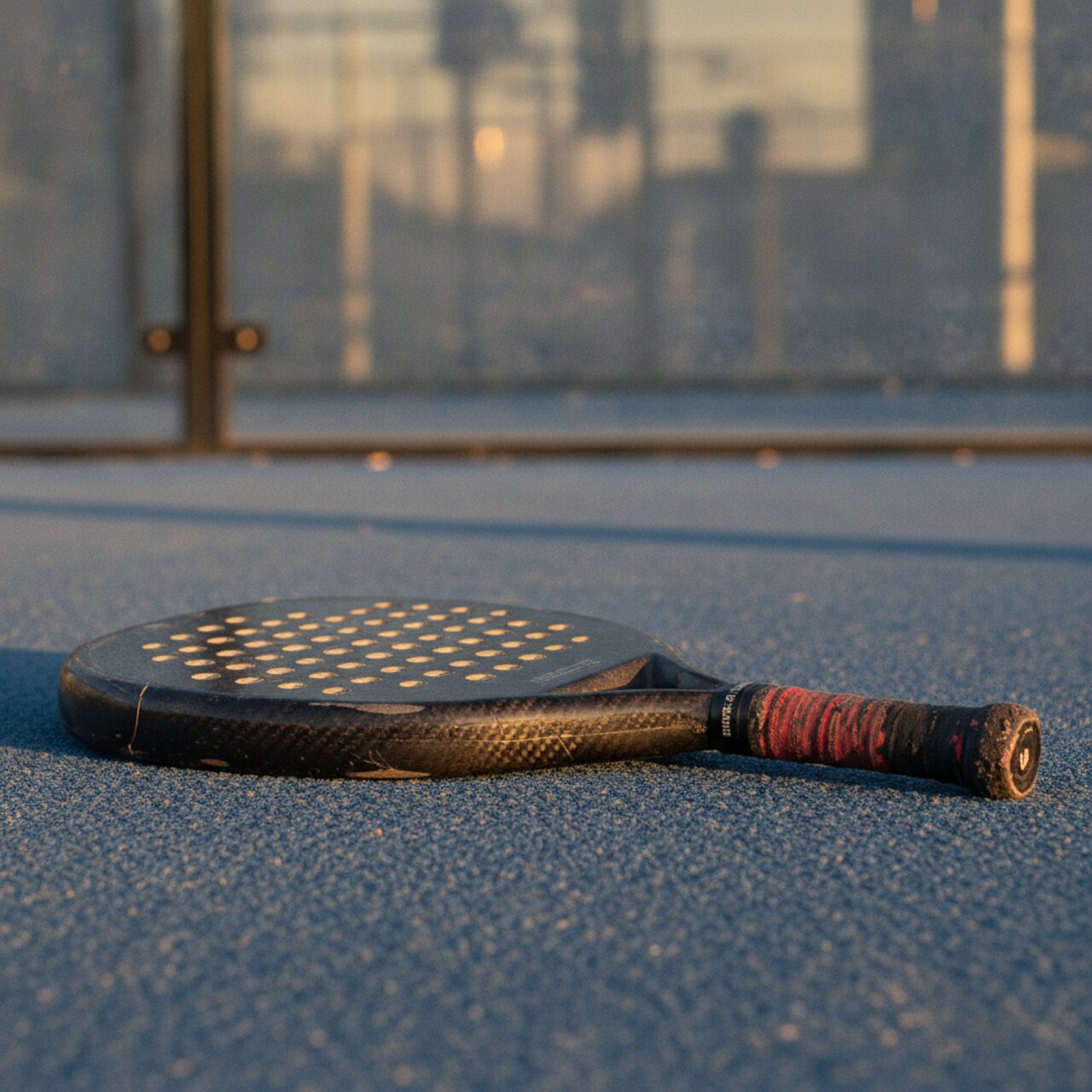
Knowing when to replace your padel racket saves you money on one end and lost matches on the other. Replace too early and you throw away a pala that still has months of play left. Hang on too long and you compete with a dead racket that has quietly lost 20% of its power and most of its sweet spot, costing you points you can’t explain afterward. The hard part is that a worn racket rarely fails dramatically. It fades, and you adapt without noticing until a friend hands you a fresh pala and the ball suddenly jumps off the face again.
This guide covers the concrete signs that a racket is finished, how long different rackets actually last, how to test a pala you’re unsure about, and what to do once you’ve confirmed it’s time for a new one.
How Long a Padel Racket Lasts
A padel racket is a consumable, not a lifetime purchase. The EVA or foam core compresses every time you hit the ball, and the carbon or fiberglass faces flex thousands of times per session. That fatigue is cumulative and irreversible.
For a recreational player hitting two to three times a week, a mid-range racket lasts roughly 18 to 24 months before performance noticeably drops. Play four or five times a week and you’re looking at 12 to 18 months. Competitive players who train daily and hit hard often cycle a racket in 6 to 12 months. Soft, low-density foam rackets built for comfort tend to break down faster than firmer EVA rubber models, because the softer core fatigues sooner.
Price matters less than you’d think for lifespan. A €350 pro racket doesn’t last longer than a €120 intermediate one; the expensive model just performs at a higher level while it’s alive. If anything, premium rackets with very soft cores can wear out faster precisely because of the materials that make them feel good.
The Clear Signs of Wear
Some signals mean the racket is genuinely compromised and no amount of cleaning or new grip will fix it.
Cracks in the Frame
Run your finger around the entire frame, especially the bottom edge near the heel and the top of the head. A hairline crack you can feel with a fingernail is a structural failure in progress. Padel frames take constant scrapes against the court and the back glass, and once the outer carbon layer cracks, water and dirt work into the core. A cracked frame is the one sign that ends the conversation immediately. Stop playing with it before it splits mid-swing and the broken edge whips toward your partner.
A Cracked or Caved Face
Press your thumb across the hitting surface in several spots. The face should feel uniformly firm. If one area gives more than the rest, or you see a spider-web crack or a visible dent around the sweet spot, the core underneath has broken down. This is the most common failure point on rackets that get heavy smash use, because repeated high-impact contact in the same zone crushes the foam.
Dead Spots and Lost Power
This is the symptom most players feel before they ever see damage. The ball comes off the strings of a healthy racket with a crisp, lively response. A worn pala feels muted, like hitting with a board. You find yourself swinging harder to generate the same depth, and your bandeja and smashes land shorter than they used to. When the sweet spot shrinks to the point that only perfect contact feels good, the core has lost its rebound.
A Dull, Flat Sound
Healthy rackets produce a sharp, clean “pock” at contact. As the core fatigues, that sound deadens to a dull thud. It’s subtle, but if you play with the same group every week, you’ll notice your own racket sounding flatter than your partners’. Trust your ears; the acoustic change tracks the loss of core stiffness closely.
What Is Not a Reason to Replace
Plenty of players bin a perfectly good racket over cosmetic issues. Before you spend money, rule these out.
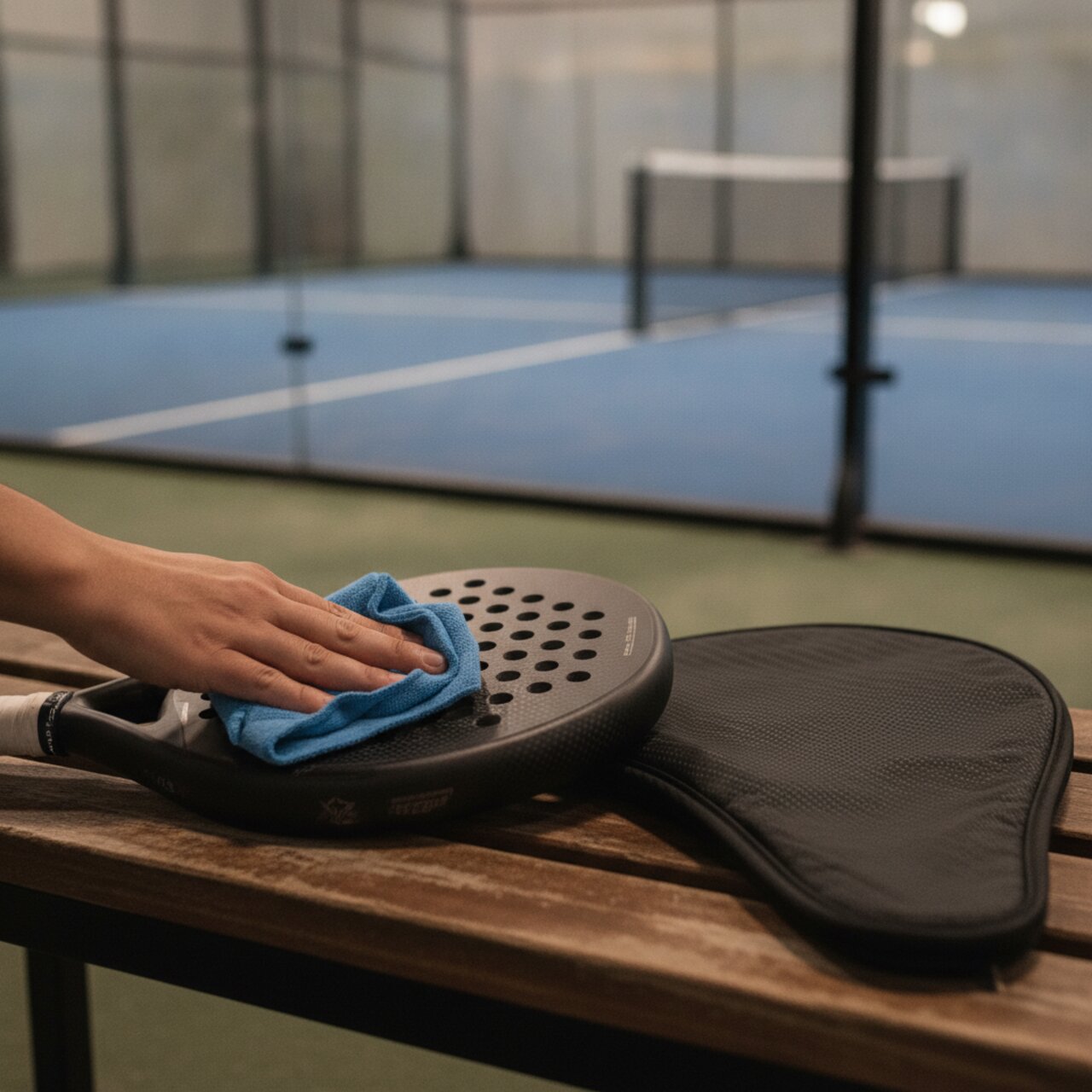
A worn or slick grip is a five-minute, low-cost fix, not a replacement trigger. Learning how to change your padel racket grip restores the feel completely. Surface scuffs, scratched paint, and a faded finish are purely cosmetic and have zero effect on performance. A dirty, gritty face just needs cleaning, and good padel racket maintenance will keep the surface texture sharp for spin. A missing or torn protector at the head is also replaceable on its own and often signals you should add one rather than retire the racket. None of these touch the core or frame, which are the only parts that actually determine whether a pala is finished.
How to Test a Racket You’re Unsure About
When the signs are ambiguous, run these checks before deciding.
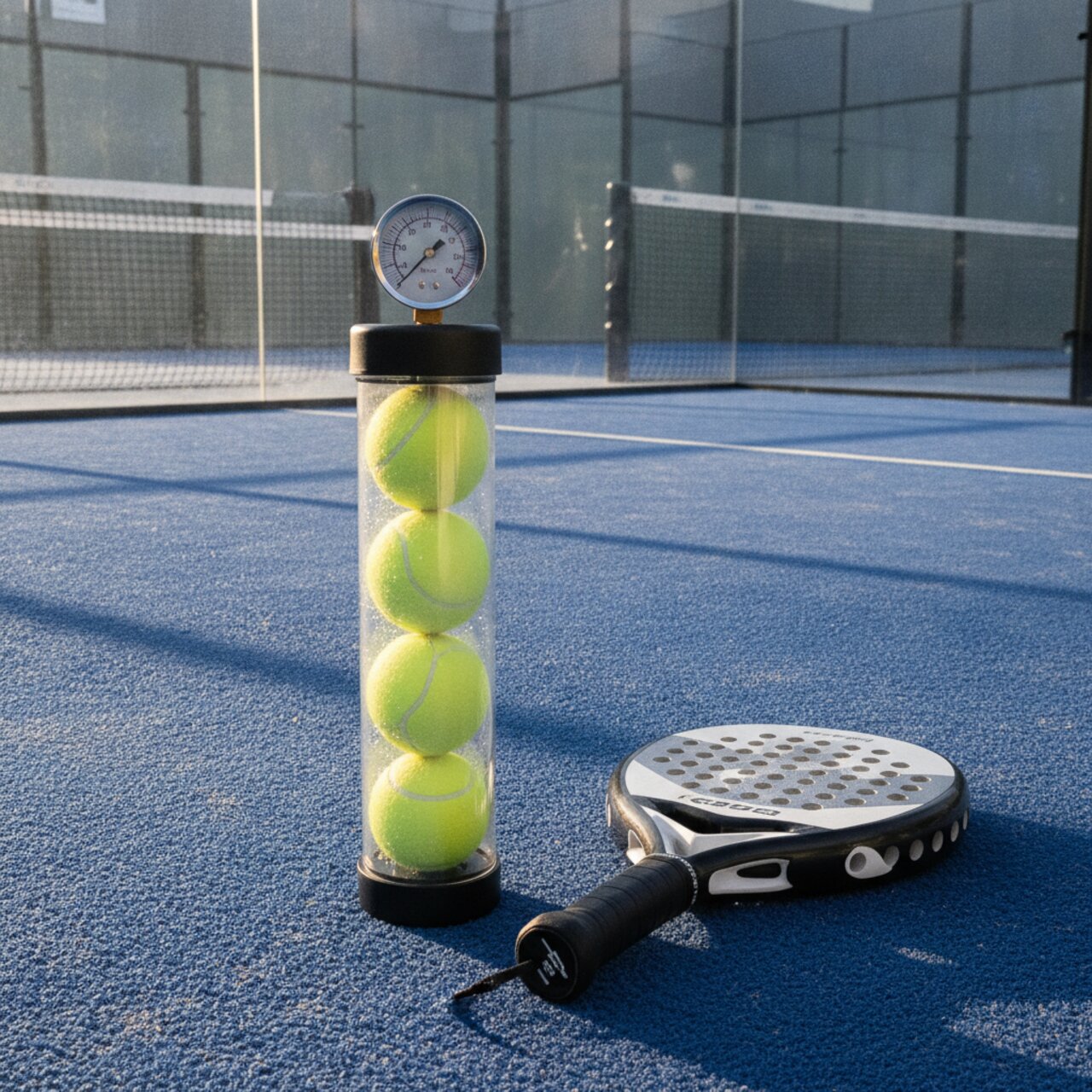
The press test comes first: hold the racket by the frame and press your thumb firmly across the face in a grid pattern, comparing the center to the edges. Soft, spongy, or uneven areas point to core breakdown. Next, do the bounce test. Drop a padel ball onto the sweet spot from about 30 centimeters and watch the rebound. A healthy racket returns the ball briskly and consistently; a dead core gives a low, lifeless bounce, and you’ll see uneven rebounds if you test different zones.
The most reliable test is comparative. Borrow a club or friend’s racket of a similar shape and weight, ideally the same model if anyone has a newer one, and hit ten balls with each back to back. If the borrowed pala feels markedly livelier and more powerful, your racket has aged more than you realized. Your hands are a better instrument than your eyes here. The numbers also help: if you’ve logged a clear drop in your results or your shots consistently land shorter, your match data backs up what you’re feeling. Tracking your matches over time in the Padellog app makes that kind of performance dip easier to spot.
Comparison: Replace, Repair, or Keep Playing
| Symptom | Verdict | Action |
|---|---|---|
| Hairline or visible frame crack | Replace | Stop using immediately; it’s a safety risk |
| Caved or spider-cracked face | Replace | Core is broken; no fix |
| Lost power, shrinking sweet spot, dull sound | Replace | Core fatigue; performance gone |
| Slick or worn grip | Keep | Re-grip it |
| Scuffed paint, scratches | Keep | Cosmetic only |
| Gritty, dirty face | Keep | Clean it |
| Torn or missing head protector | Repair | Replace the protector, not the racket |
What to Do When It’s Time
Once you’ve confirmed the core or frame is gone, resist the urge to grab the first racket on sale. The way you play has probably evolved since your last purchase, so reassess what you actually need now.
Match the shape to your game first. Round rackets offer control and a larger sweet spot, teardrops balance control and power, and diamond shapes maximize power for players who attack. Our guide on how to choose a padel racket walks through matching shape, weight, and balance to your level. If you’ve improved since your last pala, you might be ready to move from a forgiving round head toward a teardrop. If you’re still developing, see the best padel rackets for beginners for control-focused options that won’t punish off-center hits.
Buy when you spot the early signs, not after the racket is completely dead. Playing a fatigued pala for an extra two months teaches your body bad compensations, longer swings and extra wrist effort, that you then have to unlearn with the new racket. A timely replacement keeps your technique honest.
If you have one, hold on to your old racket as a backup or a rain-and-cold-weather pala, since you won’t mind exposing it to harsh conditions. Just don’t keep playing your best matches with it.
Extend the Life of Your Next Racket
You can’t stop core fatigue, but you can slow it down and avoid the failures that kill a racket early. Heat is the worst enemy: never leave a pala in a car trunk or boot in summer, where temperatures warp the frame and degrade the adhesives holding the layers together. Use a thermal cover, store the racket flat or hanging rather than wedged under pressure, and wipe the face down after dusty sessions. Adding a head protector takes the impact of court and wall scrapes that would otherwise crack the frame.
None of this makes a racket immortal, but good habits can add six months to a pala’s useful life. Combine that with knowing the real signs of wear, and you’ll replace your racket exactly when you should: not a session too early, and never a match too late.
FAQ
Can I keep playing with a small crack in the frame? No. A frame crack only grows under impact, and a racket can split during a swing, sending the broken edge toward you or your partner. Retire it the moment you find one.
Does a padel racket expire if I don’t use it? Less so than one in regular use, but the core foam and adhesives still age slowly. A racket stored for several years in good conditions will play, though it may feel slightly less lively than when new. Extreme heat or cold during storage causes far more damage than time alone.
How do I know if it’s the racket or my technique? Borrow a newer racket of similar specs and hit ten balls with each. If the other pala feels clearly more powerful and lively, it’s your racket. If both feel the same, the issue is technique or fitness, not the equipment.
Is it worth repairing a cracked padel racket? Generally no. Core and frame damage can’t be reliably repaired, and any patch compromises the balance and integrity. Repair makes sense only for replaceable parts like the grip or head protector.