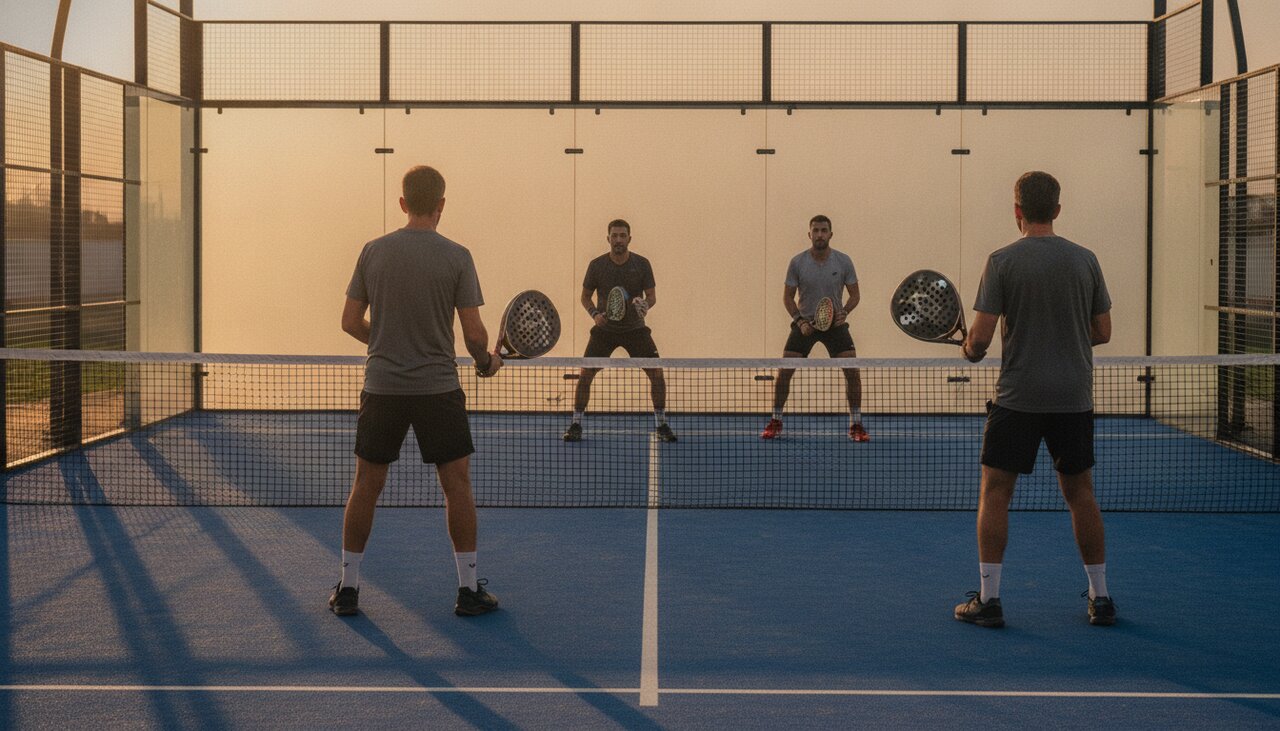
When to Move Up a Level in Padel (and When You are Not Ready)
The signals that say it is time to move up a level in padel, the cost of going too early, and a 70/20/10 split that adds difficulty without wrecking your game.

The signals that say it is time to move up a level in padel, the cost of going too early, and a 70/20/10 split that adds difficulty without wrecking your game.

Beating a back-court pair in padel is an attrition problem, not a patience one. Shorten the rally, take away the glass and know which smash actually finishes.
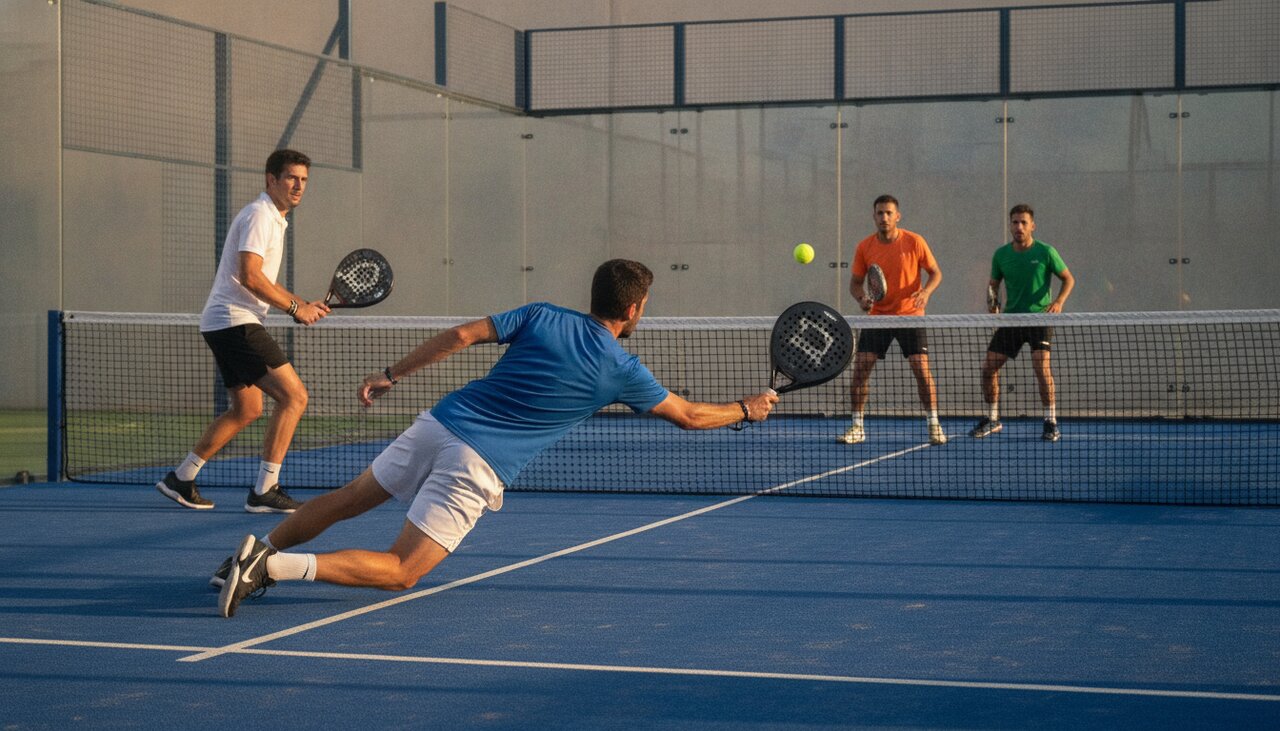
Poaching in padel wins points and quietly loses them. When crossing for your partner's ball pays off, when it opens the court, and how to rotate behind.

Controlling the tempo of a padel match is a tactic, not a mood. Learn when to slow the game down, when to speed it up, and how to do it without stalling.
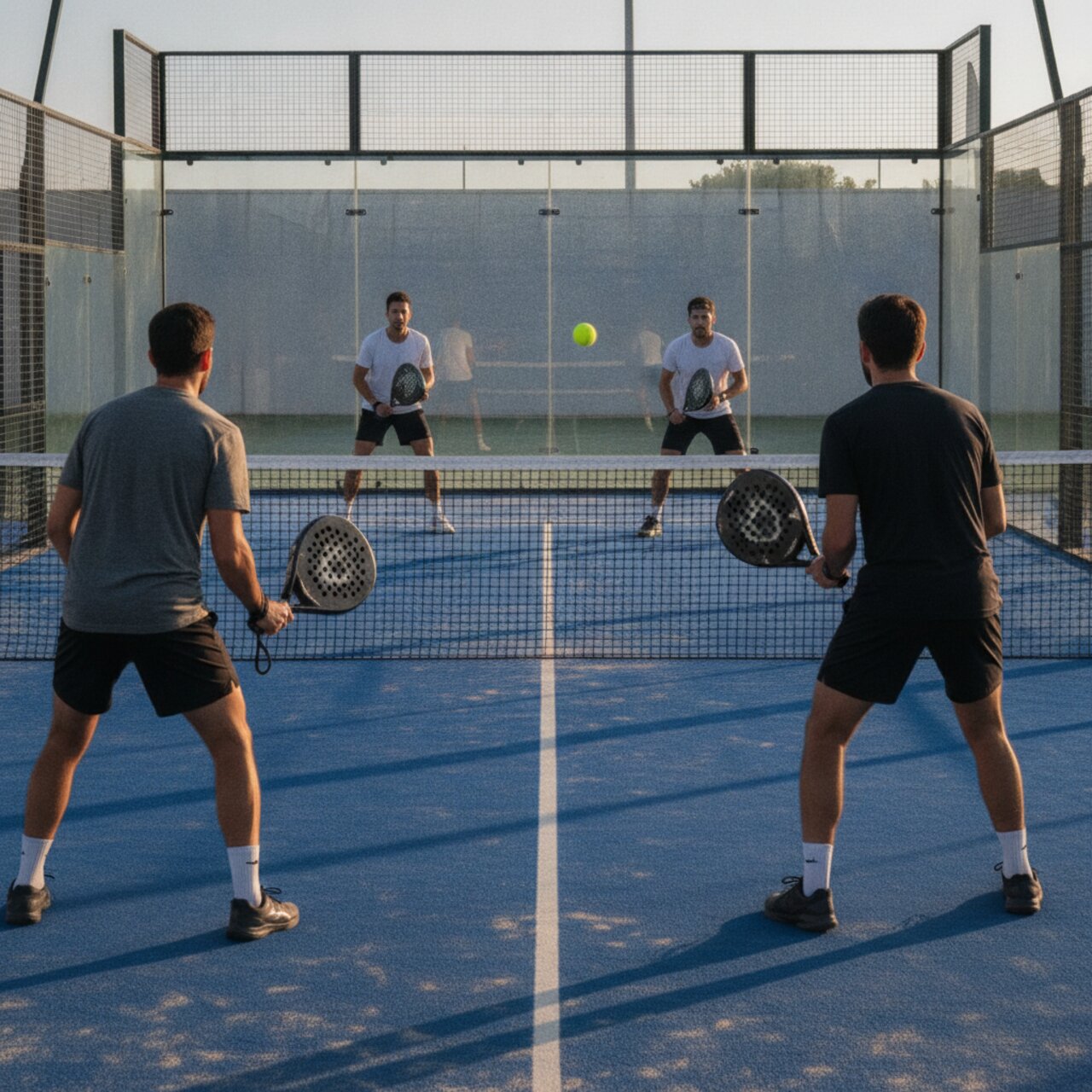
Most padel points go through the middle. Learn who takes the centre ball, how to attack down it and how to defend the gap between you and your partner.
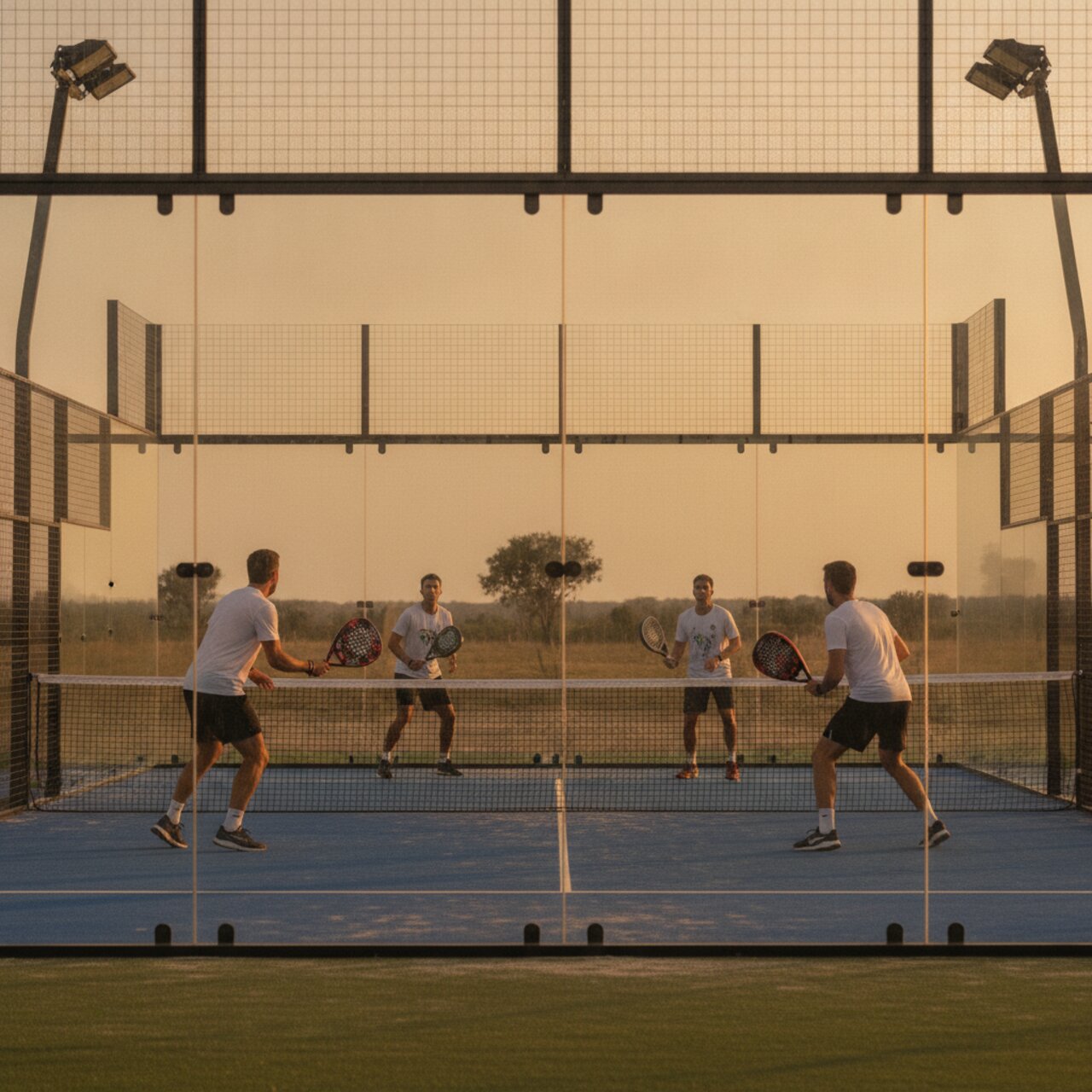
Two duos, one record. The padel pair head-to-head in Padellog counts only the matches where your exact team met theirs, and settles the group argument.

Closing out a padel match is a tactical problem, not a nerves problem. Learn what changes at 5-2, why leads evaporate, and how to actually finish the set.

What to do when your padel partner blames you: the eight-second rule, the two words that end an argument, the changeover sentence, and when to stop pairing.

How to balance uneven pairs with a padel handicap: sizing it from real scorelines, four scoring formats, court restrictions, and when to drop it entirely.

Run a padel Americano that finishes on time. Court and player math, a ready-made 8-player rotation, fair scoring, and the errors organizers keep repeating.