By Mario GonzalezStrategy
Beating a Back-Court Pair in Padel: The Team That Never Comes Forward
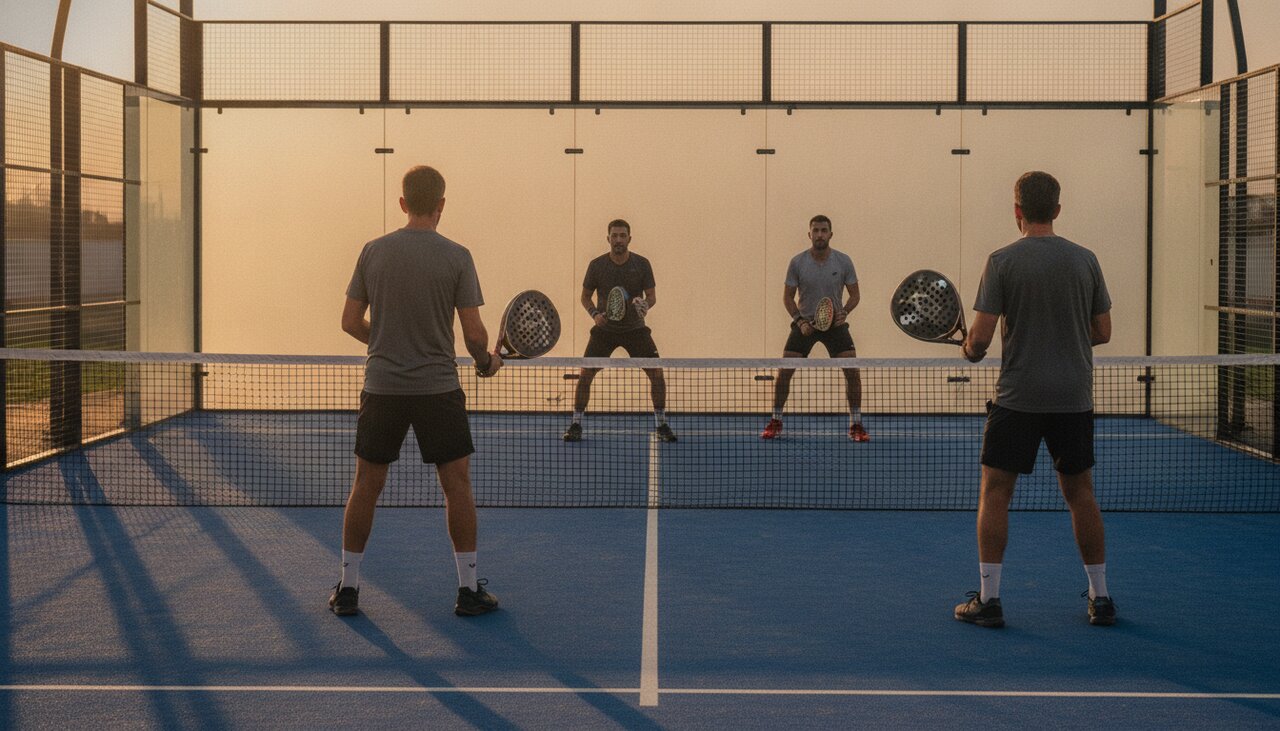
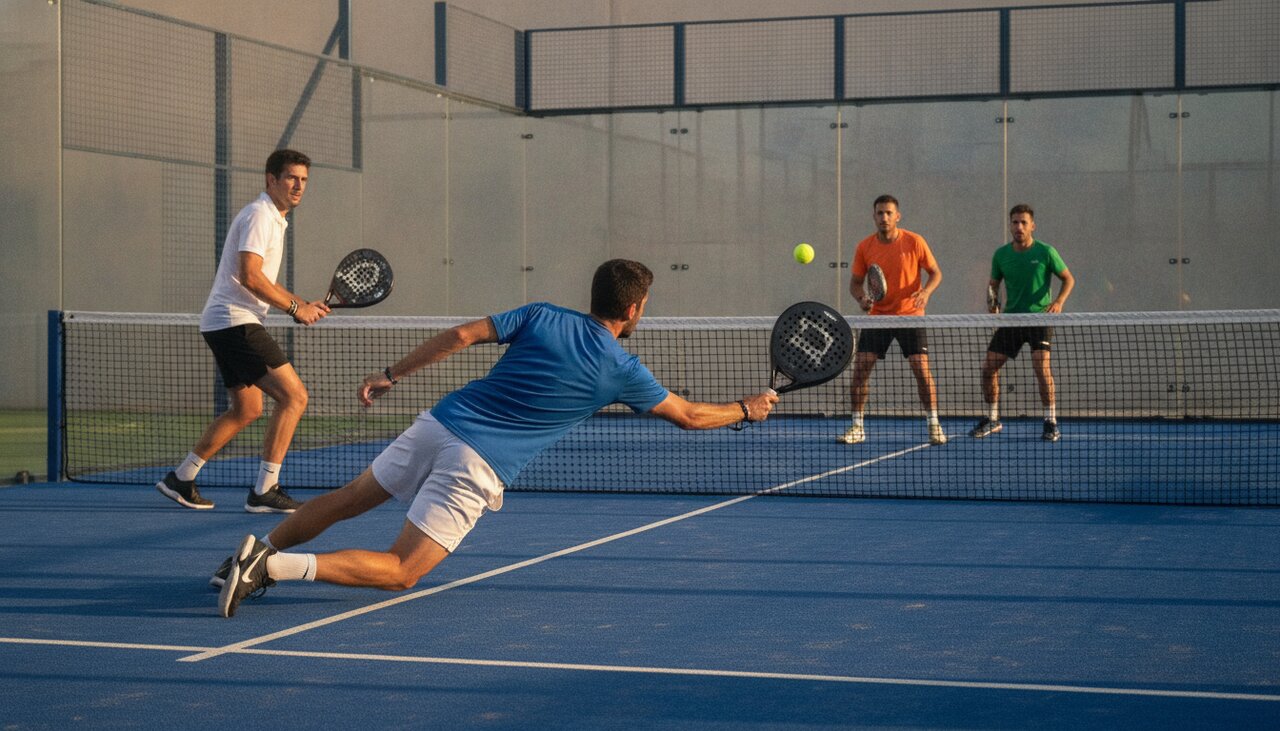
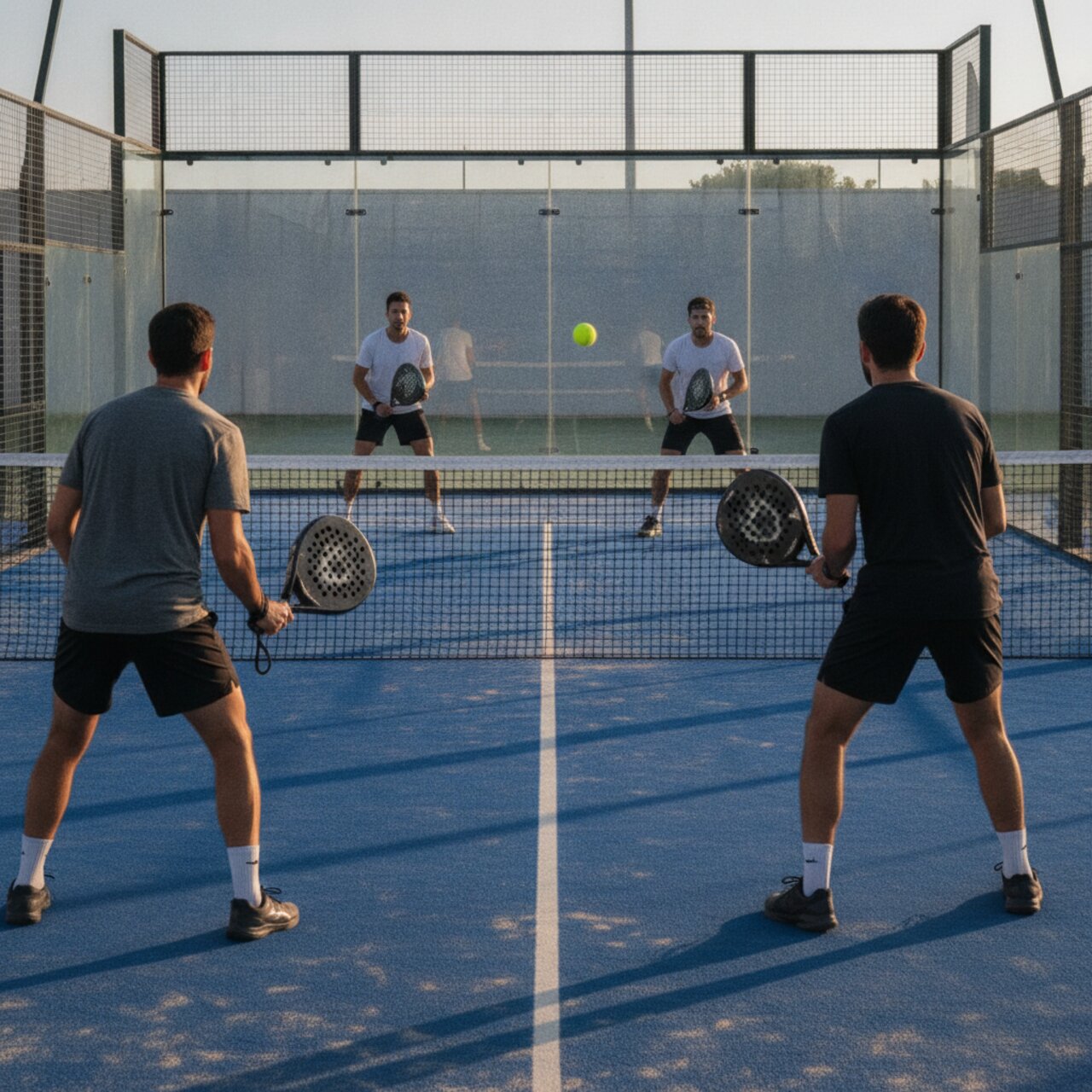
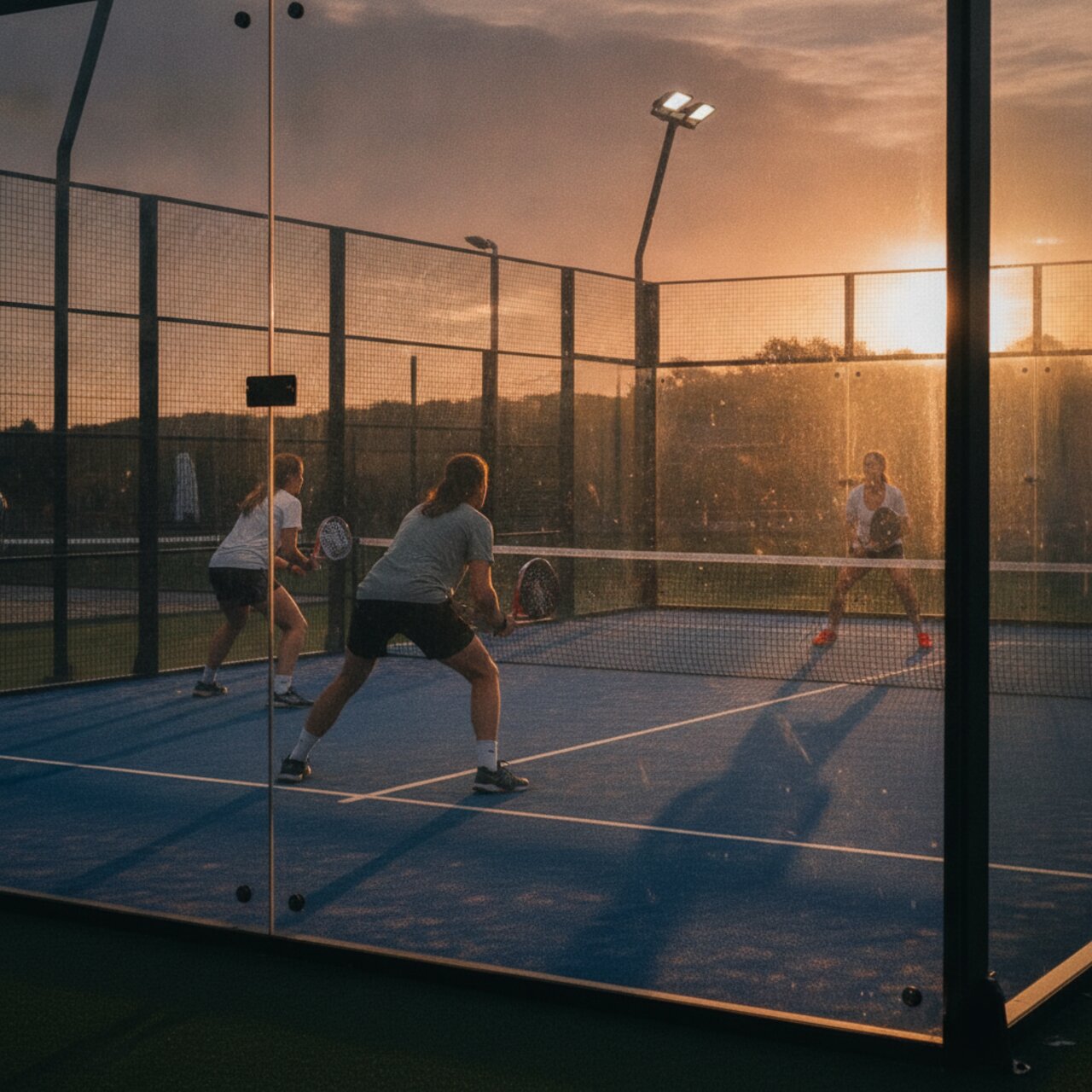
Beating a back-court pair in padel is an attrition problem, not a patience one. Shorten the rally, take away the glass and know which smash actually finishes.
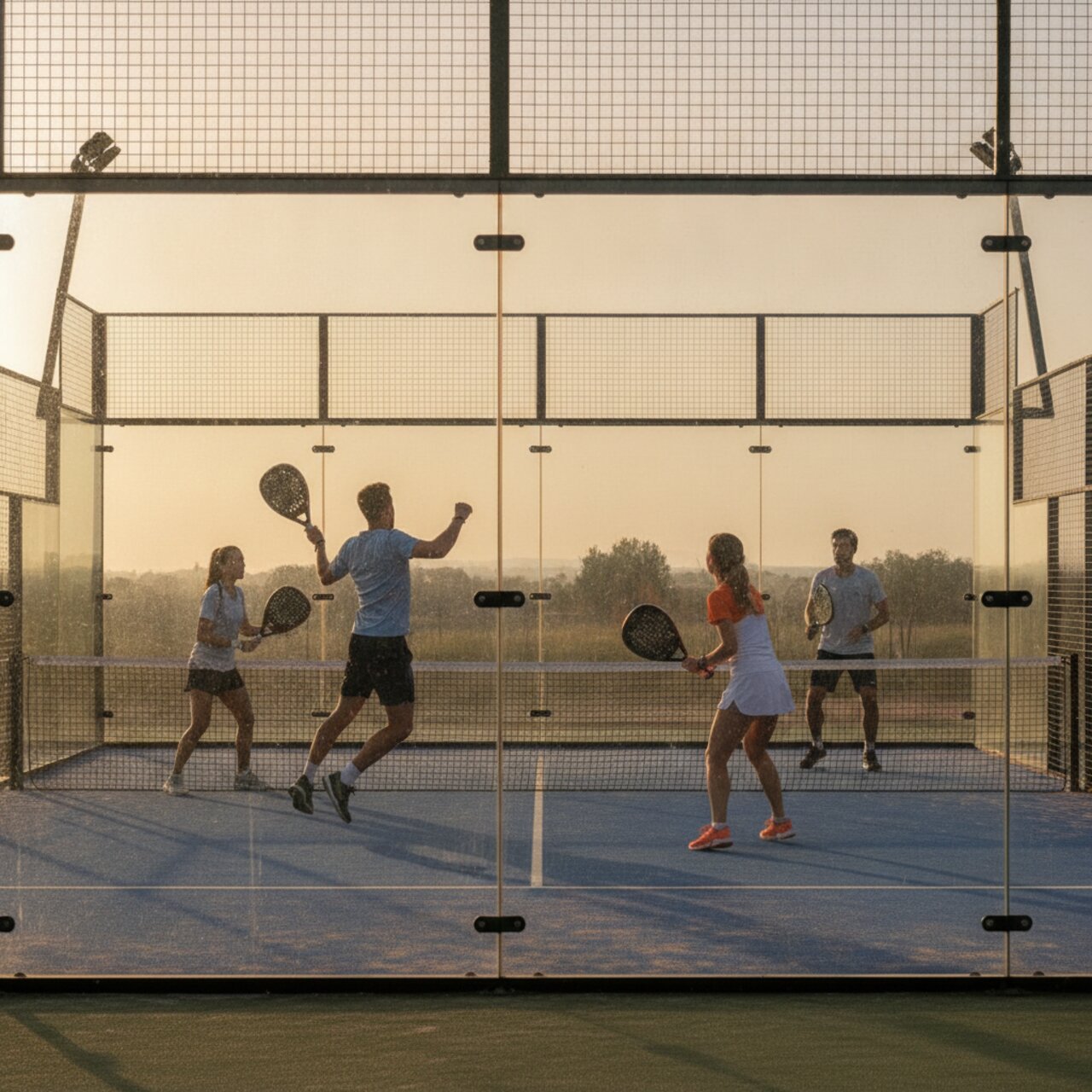
You had the net for two hours and lost 6-4 6-4. Nobody passed you, nobody hit a winner past your ear, and if you replayed the match you would struggle to name a single point they took from you. They lobbed, you answered, they lobbed again, and somewhere around the fifteenth shot of each rally you put a bandeja into the net or a smash into the fence. Beating a back-court pair in padel is the one match-up where the scoreboard and the highlight reel tell completely different stories.
This is not the same problem as a lob barrage, which is a technical question about overheads and net depth and is covered in playing against constant lobbers. It is not quite the patience problem either, the one that shows up in playing against defensive players, where the advice is to construct points and wait for the short ball. Against a pair who genuinely never leave the back, waiting is not a strategy. They will wait longer than you. Every rally is yours to win or lose, and each one has a price you pay in shoulder, legs and concentration.
What a Back-Court Pair Actually Is
The tell is not that they lob. Plenty of pairs lob. The tell is what they do when you hand them a short ball on the service line with the whole court in front of them: they hit it and go straight back to the fence, or they hit it and stand still, watching. They are declining an invitation that most players take automatically.
There are two versions and they need different treatment. The first pair stays back because they cannot do anything else. No reliable bandeja, no volley below the knee, and one lob would end their afternoon. The second pair could come forward and chooses not to, usually because lobbing and waiting has won them enough Tuesday-night matches to feel like a system.
Work out which one you are facing inside the first three games, because forcing the first pair forward wins the match outright and forcing the second pair forward achieves almost nothing. Feed one deliberate short ball early and watch what happens next. It costs you one point and buys you the whole tactical picture.
You Lose These Matches in the Eighth Game
A normal club rally runs six to eight shots. Against a pair parked on the back glass, fifteen to twenty-five is routine, and you can hit forty to seventy overheads in a single set. That number is the match. Nobody plans for it because nobody counts it.
What happens physically is predictable. Somewhere past your twenty-fifth or thirtieth overhead of the set, your contact point starts drifting behind your head instead of staying in front of it. The bandeja that was landing a metre from their baseline starts landing two metres shorter. A short bandeja is precisely the ball a back-court player wants, because it gives them time to set up under the next lob and put it deeper than the last one. Your fatigue feeds their best shot.
The collapse therefore arrives in the eighth or ninth game, and it feels mental. Players walk off blaming their patience and promising to be calmer next time. Calm has nothing to do with it. Track two numbers instead of your temperament: average shots per point, and how many of your lost points ended after shot twelve. If most of your damage is happening late in long rallies, the problem is the rally clock, and the answer is to make rallies shorter rather than to endure more of them.
Beating a Back-Court Pair in Padel Starts at the Back Glass
Here is the mechanic that decides this match-up. A deep pair is not really playing your ball. They are playing the ball that comes off the back glass afterwards, which arrives slower, higher and at a comfortable hitting height. Every shot of yours that reaches the wall on the full is handing them the rebound they have practised ten thousand times.
The ball that hurts them lands around the service line or a metre or two behind it, low and heavy, and finishes its second bounce before it ever reaches the glass. Now they have to play an actual low ball, moving forward, in a zone of the court they never train in. Watch their feet the first time you do it. Half the time they take it late and pop it up.
This is not the drop shot, and confusing the two is expensive. A drop shot is a surprise played into the front corner, and if it sits up an inch it is a free point for them. The dying mid-court ball is a rally shot you can hit twenty times a match, because the worst outcome is a neutral rally rather than a lost point. Sliced volleys, low víboras and flat drives that stop short all do the job. Depth control, not disguise, is what makes it work.
The other target worth having is the corner where the back glass meets the side glass. A ball into that junction rebounds unpredictably and gives a deep player nowhere clean to set up, which is a better use of a hard shot than the flat back wall in the middle of the court.
Only Two Shots Genuinely Finish
Against opponents standing a metre behind their baseline, the flat smash down the middle is a rally shot. They are already deep, they are already expecting it, and they will block it back over your head. Treating it as a finisher is how good players lose to worse ones.
Two shots actually end the point. The smash por tres sends the ball out over the side wall and out of the court entirely, which is the only way to beat a defender who has all the time in the world. The smash out of the back wall does the same job through the back glass, and needs a shorter lob and more height at contact.
Both require a specific ball: a lob that falls short of the service line, above shoulder height at contact, ideally near the side wall. If the lob is deeper than that, the correct answer is a controlled bandeja and another rally, no matter how much you want to swing.
Be honest about the failure rate. At club level a por tres that comes off maybe six times in ten is a good day, and the four misses are silent points for the other pair. That argues for a score rule rather than a feel rule: go for it at 30-0, 40-0 and 40-15, where a miss costs you a point you can afford, and take the bandeja at 30-40 and deuce. Most players do exactly the reverse, reaching for the spectacular shot at the moment the game is on the line.
Invite Them to the Net They Are Avoiding
The standard advice is to hold the net at all costs. Against this specific pair, that advice is incomplete, because a pair who never leaves the back has never practised holding the net or retreating from it.
Give them a genuine short ball they must come forward to play, let them arrive, and lob the first ball. Most club back-court players retreat by backpedalling, let the lob bounce, and end up exactly where they started, having handed the net straight back. Some of them will simply refuse the ball and let it drop, which tells you everything you need for the rest of the match.
If it costs you the point, you have still bought information for the price of one point in a set of sixty. If it works, you have converted the match into the version they cannot play, which is worth far more than another eighteen-shot rally won on their terms.
The other structural move is a deliberate reset. When your shoulder is heavy and three consecutive bandejas have landed short, stop taking the next lob out of the air. Let it come off the glass, hit your own deep lob, and spend two shots at the back recovering before you take the net again. Giving up your position for twenty seconds costs less than five short bandejas, and it is the opposite of what most players do, which is to keep grinding out overheads with a shoulder that stopped working three games ago.
Three Drills That Change the Result
No-glass points. Two players at the net against two at the back. The net pair loses the point immediately if their ball reaches the back glass on the full, regardless of what happens next. It is an infuriating drill for about ten minutes, and then depth control starts appearing in matches without you thinking about it.
Overhead thirty. Have a feeder send thirty lobs in a row while you answer every one with a bandeja or víbora, and mark on the court where each ball lands. Somewhere in that sequence the landing spot moves forward and stays there. That number is your real overhead budget for a set, and knowing it changes how you plan the match. Then train it upwards.
Finish or restart. Play fifteen points where the back pair lobs everything, and the net pair may only win by por tres or por cuatro. Count attempts and conversions. Whatever ratio you get is the number to use when you decide whether to gamble on a break point, and it is almost always lower than players assume before they count it.
What to Measure After the Match
Shots per point, points lost after shot twelve, and overheads hit per set. Three numbers, and any of your regular partners can count them from the side of a court in ten minutes. If you play a group regularly, tracking results over a season also shows you which pairs are genuinely beating you and which ones are beating a version of you that ran out of shoulder, and switching sides mid-match is often the cheapest fix, which is worth reading up on in switching sides in padel.
You do not beat a back-court pair by out-waiting them. They are better at waiting than you are, and they have built their whole game around the assumption that you will crack first. You beat them by shortening the rally: killing the ball before the glass, keeping a finishing shot for the balls that deserve it, and arriving at the ninth game with an arm that still works.