By Mario Gonzalez
Best Padel Drills to Practice Alone (Even When Your Partner Bails)
No partner? No problem. Discover the most effective solo padel drills to improve your technique, footwork, and fitness - plus two complete practice routines you can follow today.
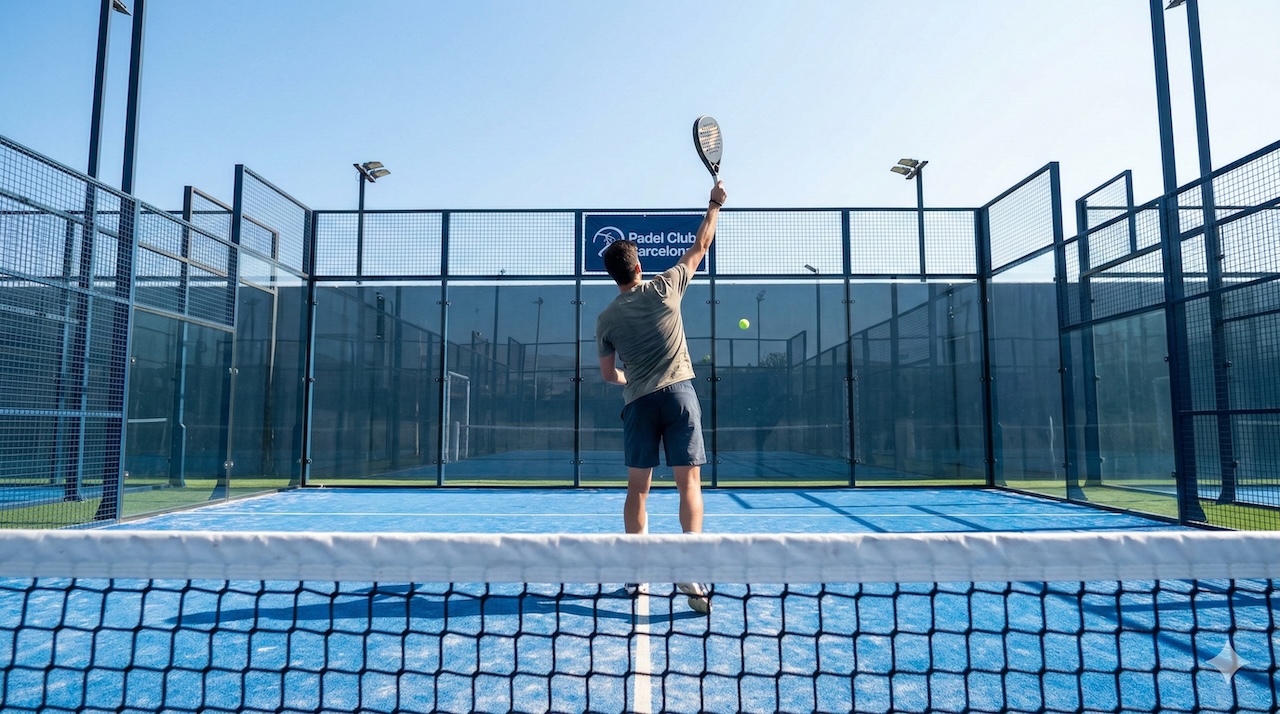
Look, I get it. Padel is a doubles sport. You need four people to play a proper match. But here’s the thing - some of the best players I know spend hours practicing alone. Why? Because solo practice is where you actually fix the technical stuff that makes you better when you finally step on court with others.
Your partner canceled last minute? Perfect. The court’s empty at 7 AM? Even better. Let’s turn that solo time into your secret weapon.
Why Solo Practice Actually Matters
Here’s what nobody tells you when you start playing padel: match time is for playing, not for learning. When you’re in a game, you’re reacting, competing, trying to win points. There’s zero mental space to work on your split step timing or fix that bandeja technique that’s been off for weeks.
Solo practice is different. It’s deliberate. Focused. You get to repeat the same movement fifty times in a row without annoying your partner or losing points. You can slow things down, speed them up, and actually ingrain the muscle memory that’ll show up automatically during matches.
Plus, let’s be honest - finding three other people with matching schedules is basically impossible. Solo practice means you train on your schedule, not everyone else’s.
The Essential Wall Drills
If there’s one thing that’ll transform your game faster than anything else, it’s wall work. Find a solid wall (the back wall of a padel court is perfect, but any flat wall works) and get ready to put in reps.
Forehand Consistency Drill
Stand about 3-4 meters from the wall. Hit controlled forehands, focusing on contact point and follow-through. Don’t smash it - this isn’t about power, it’s about consistency. Can you hit 50 in a row without missing? Then 100? That’s the goal.
The beauty of the wall is instant feedback. Bad technique = ball goes weird. Good technique = rhythm develops naturally.
Backhand Wall Rally
Same setup, but now work the backhand. Most people neglect their backhand in actual games because they run around it. The wall doesn’t let you cheat. Every ball comes back, forcing you to develop a backhand you can actually trust.
Pay attention to your grip change and shoulder rotation. The wall will tell you immediately if you’re doing it wrong.
Volley Rapid Fire
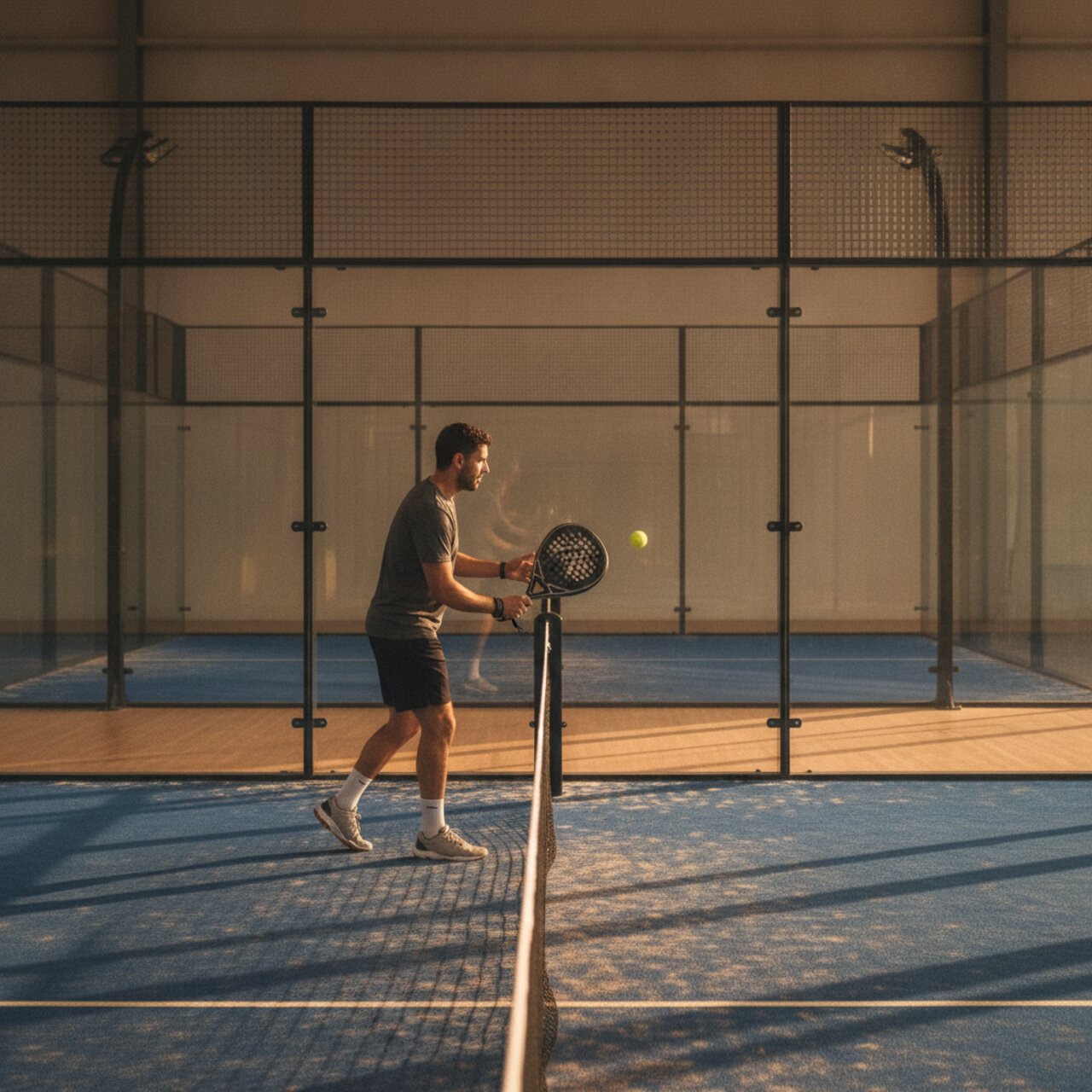
Step closer (2 meters max) and work on volleys. Forehand, backhand, alternating. This builds reflexes and that solid, compact volley technique you need at the net. Keep your racket up, use small movements, stay on your toes.
Try this: 20 forehand volleys, 20 backhand volleys, then 40 alternating. If you can do that without dropping the ball, your net game is already better than 70% of recreational players.
Serve Practice - The Most Underrated Solo Drill
Your serve is the only shot in padel where you have 100% control. No one’s hitting the ball to you, no weird bounces, nothing random. Yet most people practice it the least. Wild, right?
Grab a basket of balls (or just collect them every 10-15 serves) and work on:
Technique consistency: Pick a target on the opposite side - maybe a corner or the T. Try to hit it 10 times in a row. This builds the kind of serve reliability that wins you free points in matches.
Variety practice: Hit 5 serves to the body, 5 wide to the forehand side, 5 to the backhand. Then mix them up randomly. You’re training decision-making along with technique.
Pressure serves: Imagine it’s 40-40. You need this serve. Feel that tension? Good. Practice hitting quality serves under self-imposed pressure. It’s weirdly effective.
Here’s a video that breaks down solo serve practice perfectly:
“Solo Padel Serve Practice Routine” - The Padel School https://youtube.com/watch?v=example1
Footwork Drills That Actually Transfer to Matches
Footwork is where amateur players look amateur. Good footwork is invisible - you’re just always in position. Bad footwork is obvious - you’re always lunging, off-balance, late.
Ladder Drills
If you have an agility ladder, use it. If not, tape or chalk lines work fine. Classic patterns: two feet in each square, lateral shuffles, in-and-out patterns. Five minutes of this before practice and your movement speed will noticeably improve within two weeks. For a fuller set of patterns, see these ladder and cone agility drills for padel.
Shadow Movement
This one feels silly but works incredibly well. Imagine playing a point. Move to where you’d receive serve, split step, move to the ball (there is no ball), recover to center, split step again. Do this for full imaginary points.
It sounds ridiculous. It looks ridiculous. It also programs your brain to move correctly without thinking.
Split Step Practice
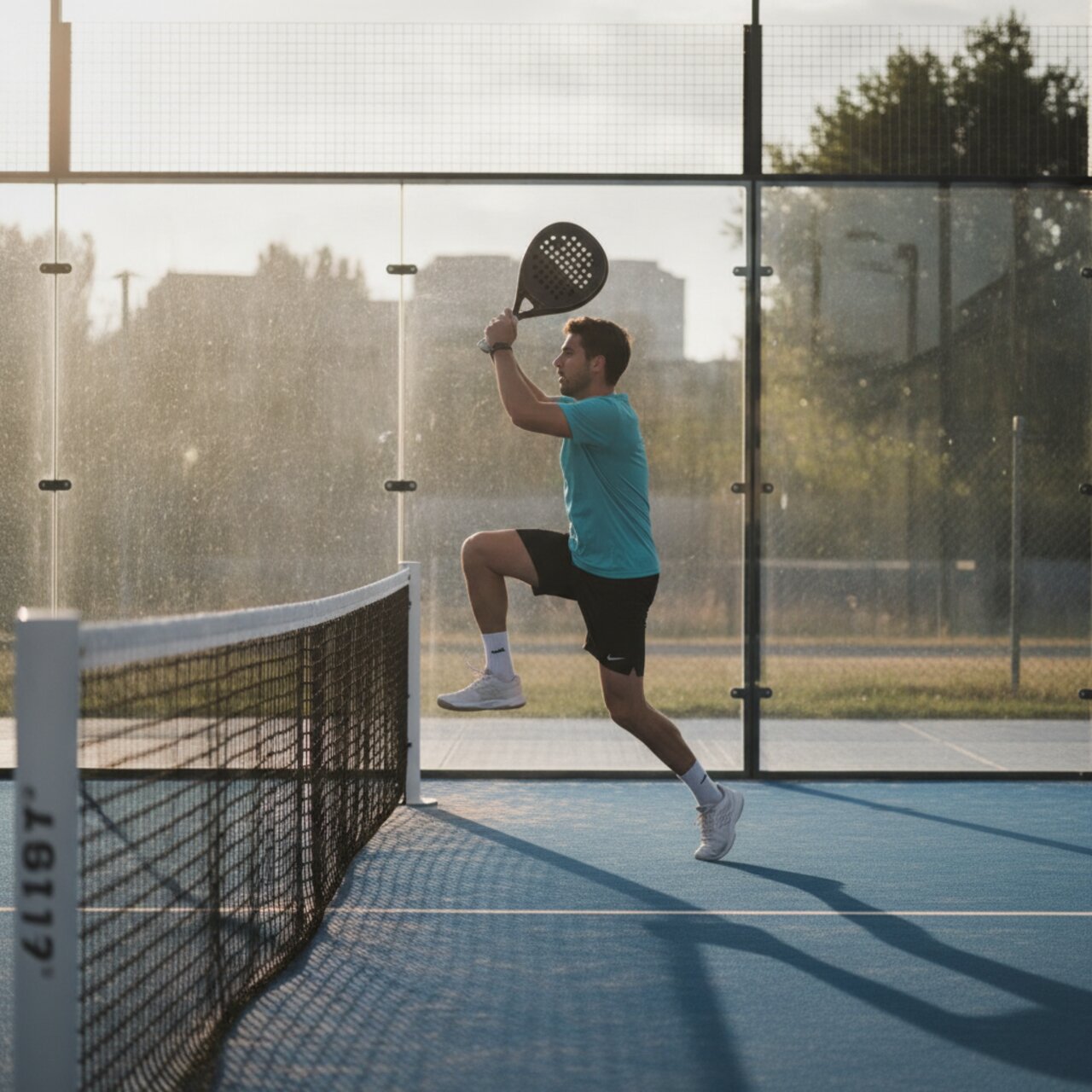
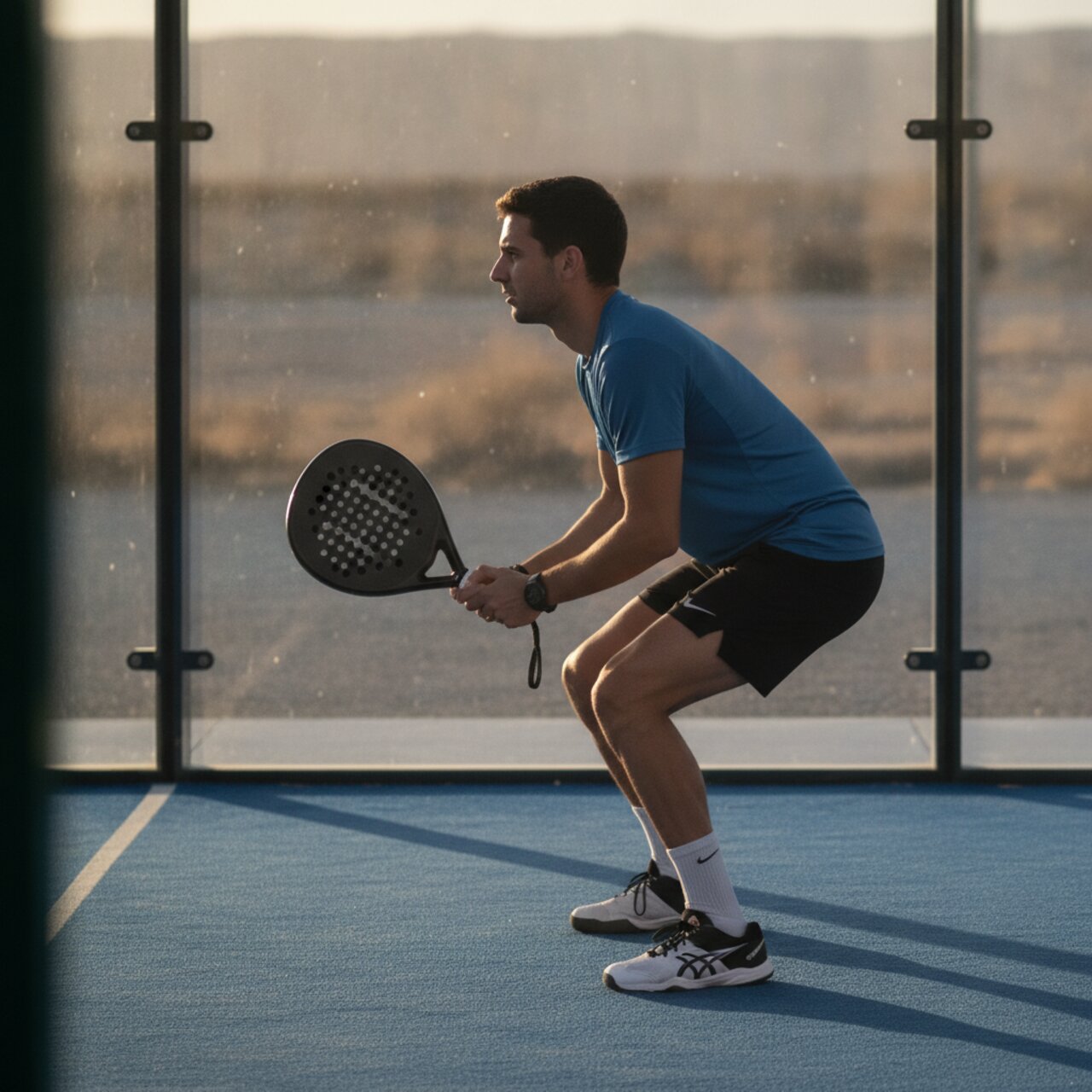
The split step is the most important footwork element nobody teaches properly. Stand in ready position. Jump slightly (just a small hop) and land on the balls of your feet exactly when your opponent would hit the ball. Repeat 50 times.
Time it with wall rallies. Hit the ball, split step when it rebounds, hit again. This rhythm - hit, split, hit, split - becomes automatic.
“Padel Footwork Drills You Can Do Alone” - Padel Alto https://youtube.com/watch?v=example2
Ball Control - The Foundation Nobody Practices
Before you can hit great shots, you need to feel the ball. These drills seem basic, but watch any pro warm up and you’ll see them doing exactly this.
Racket Face Bouncing
Bounce the ball on your racket face. See how many you can do without dropping it. Now flip the racket and use the other side. Now alternate sides with each bounce. Now add walking. Now walk backwards.
Sounds easy? Try getting to 100 bounces while walking a figure-8 pattern. Your ball control will be next-level.
Edge Work
Balance the ball on the edge of your racket frame. Walk around. This is absurdly hard and absurdly good for developing feel.
Bandeja and Smash Practice (Self-Toss Method)
Overheads are scary to practice because you need someone to feed you lobs. Except you don’t - you can toss to yourself.
Hold a ball in your non-racket hand. Toss it up and slightly forward (simulating a lob that pushed you back). Now hit your bandeja or smash. Collect balls, repeat.
Focus points:
- Toss consistency (same height, same position)
- Footwork (move back properly, don’t just reach)
- Contact point (high and slightly in front)
- Follow-through (control where the ball goes)
Start with bandejas since they’re more controlled. Once you’re comfortable, add smashes. Don’t go 100% power - this is technique work.
“How to Practice Smash and Bandeja Alone” - World Padel Tour https://youtube.com/watch?v=example3
Fitness Drills Specific to Padel
Padel fitness isn’t about running 5K. It’s about explosive lateral movement, quick direction changes, and maintaining intensity for 60-90 minutes. Here’s what actually helps:
Lateral Movement Sprints
Set up two markers 5 meters apart (cones, water bottles, whatever). Sprint laterally from one to the other, touch the ground, sprint back. That’s one rep. Do 10 reps, rest 30 seconds, repeat 5 times.
This builds the side-to-side explosiveness you need for covering the court.
Court Corners Sprint
Use the padel court corners. Sprint to one corner, touch it, sprint to the opposite corner (diagonally), touch it, keep going. Do this for 30 seconds, rest 30 seconds, repeat 8 times.
Your legs will burn. Your court coverage will improve dramatically.
Burpee to Split Step
Do a burpee. At the top, land in a split step position, then immediately do another burpee. Repeat 10-15 times. This combines conditioning with padel-specific movement patterns.
“Padel-Specific Fitness Drills” - Padel School https://youtube.com/watch?v=example4
How to Structure Your Solo Practice Session
Random drills are fine, but a structured session is way more effective. Here are two ready-to-use routines:
30-Minute Express Session
Perfect for those early morning slots or quick afternoon sessions.
- 0-5 min: Warm up (use this smart warm-up routine)
- 5-10 min: Wall rallies (forehand/backhand)
- 10-15 min: Serve practice (20-30 serves with different targets)
- 15-22 min: Footwork drills (ladder or shadow movements)
- 22-28 min: Bandeja/smash self-toss (20-30 reps)
- 28-30 min: Cool down and stretch
60-Minute Deep Practice Session
When you have more time and want to really level up.
- 0-10 min: Proper warm-up with dynamic stretching
- 10-25 min: Wall work (5 min forehand, 5 min backhand, 5 min volleys)
- 25-35 min: Serve practice session (50+ serves, working all zones)
- 35-45 min: Footwork intensive (ladder + shadow movements + split steps)
- 45-52 min: Overhead practice (bandeja and smash variations)
- 52-58 min: Fitness finisher (lateral sprints or corner sprints)
- 58-60 min: Cool down
Pro tip: End each session with one thing you struggled with. Struggling with backhand consistency? Do 20 more backhand wall rallies before you leave. This “struggle rep” principle accelerates improvement.
“Complete Solo Padel Training Session” - Padel Nuestro https://youtube.com/watch?v=example5
Equipment You Actually Need
The beautiful thing about solo practice is you don’t need much:
Essential:
- Your racket (obviously)
- 3-6 padel balls (more is better for serve practice)
- A wall (padel court back wall, any solid wall, even a garage door)
- Water bottle
Nice to have:
- Ball basket or hopper (makes collecting balls way easier)
- Agility ladder (for footwork drills)
- Cones or markers (for movement drills)
- Resistance bands (for warm-up and strength work)
Not needed:
- Expensive ball machines (walls work better for most drills)
- Training partner (that’s the whole point!)
- Perfect conditions (solo practice works in any weather)
The Mental Game of Solo Practice
Here’s the hardest part of solo practice: it’s boring. There’s no one to compete against, no points to win, no social aspect. Your brain will try to convince you to stop after 10 minutes.
Push through. The players who improve fastest aren’t the most talented - they’re the ones who show up and do the boring work when no one’s watching.
Set small goals for each session. “I’ll hit 100 consecutive wall rallies” or “I’ll land 8 out of 10 serves in the corner.” These micro-achievements keep it engaging.
Track your progress. Keep a simple log in your phone: “Feb 21 - 45 min solo - best wall rally: 87 hits.” Watching those numbers go up is motivating.
And remember: every pro player you admire spent hundreds of hours practicing alone. Not because they had to, but because they knew it worked.
Making It Stick
Solo practice isn’t a replacement for match play - it’s the complement. You practice alone to build technique and consistency. You play matches to develop tactics and mental toughness. You need both.
Try this: commit to two solo sessions per week for one month. Thirty minutes each, following one of the routines above. I guarantee you’ll see noticeable improvement in your game.
Your partner will definitely notice. They might even ask what you’ve been doing differently.
And you can just smile and say: “Just some solo work.”
Now grab your racket and get to that wall. Those forehands won’t fix themselves.