By Mario GonzalezTechnique
Mastering the Defensive Lob in Padel: Height, Depth, and Placement
Master the defensive lob in padel with the right height, depth, and placement to recover the net and turn defense into attack without gifting a smash.
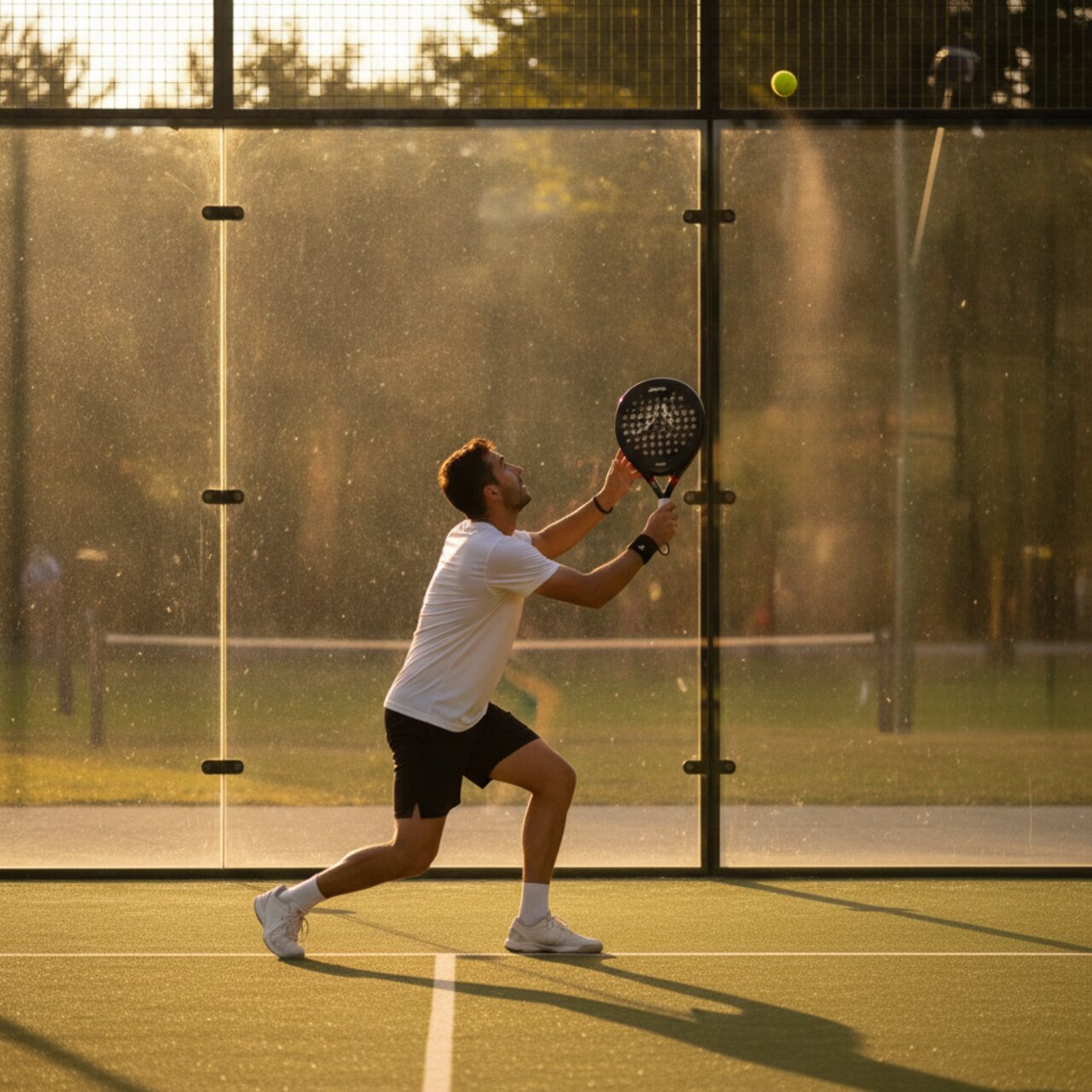
The defensive lob in padel is the shot that saves you when you have already lost the point. You are pinned at the back of the court, the opposing pair owns the net, and every ball they hit keeps you scrambling. A good defensive lob resets the rally: it pushes the net team back, buys you the two or three seconds you need to recover your position, and often earns you the net yourself. A bad one floats short and gets smashed into the fence.
The difference between those two outcomes comes down to three variables you can control: height, depth, and placement. Most intermediate players lob on instinct and get roughly one of the three right. Master all three deliberately and the defensive lob stops being a desperate flick and becomes the most reliable escape shot in your game.
When to Hit a Defensive Lob
Reach for the defensive lob when you are on the back foot and cannot generate an aggressive reply. The classic trigger is a bandeja or a hard volley that pushes you behind the service line and out of your comfort zone. You have no angle for a winner and no time to set up a controlled drive, so you buy time by sending the ball up and back.
It is also the correct answer against a pair that overcommits to the net. If both opponents are crowding the service line, a deep lob over their outside shoulder forces at least one of them to turn and chase, which breaks up their formation. This is where the defensive lob quietly becomes an offensive weapon, a theme covered in more depth in the guide on when to attack versus when to defend.
Avoid it on a low, slow ball you could drive, and avoid it into the wind, where height works against you. Reading those situations correctly is half the shot.
Height: Buy Yourself Time
Height is what gives you time, and time is the entire point of a defensive lob. A lob that peaks around six to eight meters above the court forces the smasher to wait, track the ball, and hit from an awkward overhead position rather than a comfortable one. That extra hang time is what lets you and your partner reset your court positions.
The common instinct under pressure is to hit flat and fast to “get it over quickly.” That is exactly wrong. A low, fast lob arrives at the net players at a comfortable height and gets punished. When in doubt, hit it higher. A lob that is slightly too high still lands in and still buys time. A lob that is too low is a free smash.
Height also protects you against the bandeja and víbora. When the ball drops steeply from a genuine height, opponents cannot attack it flat; they are forced into a defensive overhead that keeps them back rather than a bandeja that keeps them at the net.
Depth: The Non-Negotiable
Depth decides whether your lob works at all. The target is the last meter and a half before the back glass. Land it there and the smasher is pushed off the net, the ball may die awkwardly off the glass, and your opponents lose their attacking platform.
Land it short, around the service line, and you have hit a free smash straight into the strongest part of their court. This is the single most common defensive lob error, and it usually comes from being too cautious and decelerating through contact for fear of sending it long. Trust the depth. A lob that clips the back glass on the full is far better than one that sits up in the middle.
A useful reference point: aim for the ball to pass over the net players and come down onto the painted line where the back glass meets the floor. If you are consistently landing short, you are not following through enough. If you are flying it long over the glass, you are hitting too flat and need more height to bring it down inside the court.
Placement: Attack the Weak Shoulder
Placement is what turns a survivable lob into a point-winning one. The default target is over the backhand shoulder of the opponent on the backhand side, because an overhead over the non-dominant shoulder is the hardest ball in padel to attack cleanly. Most players cannot generate power or control on that shot and are forced into a weak defensive reply.
Cross-court lobs give you a second advantage: the diagonal is the longest distance on the court, so you get more margin for depth than you do down the line. A down-the-line lob has less court to work with and is easier to cut off with a volley before it drops.
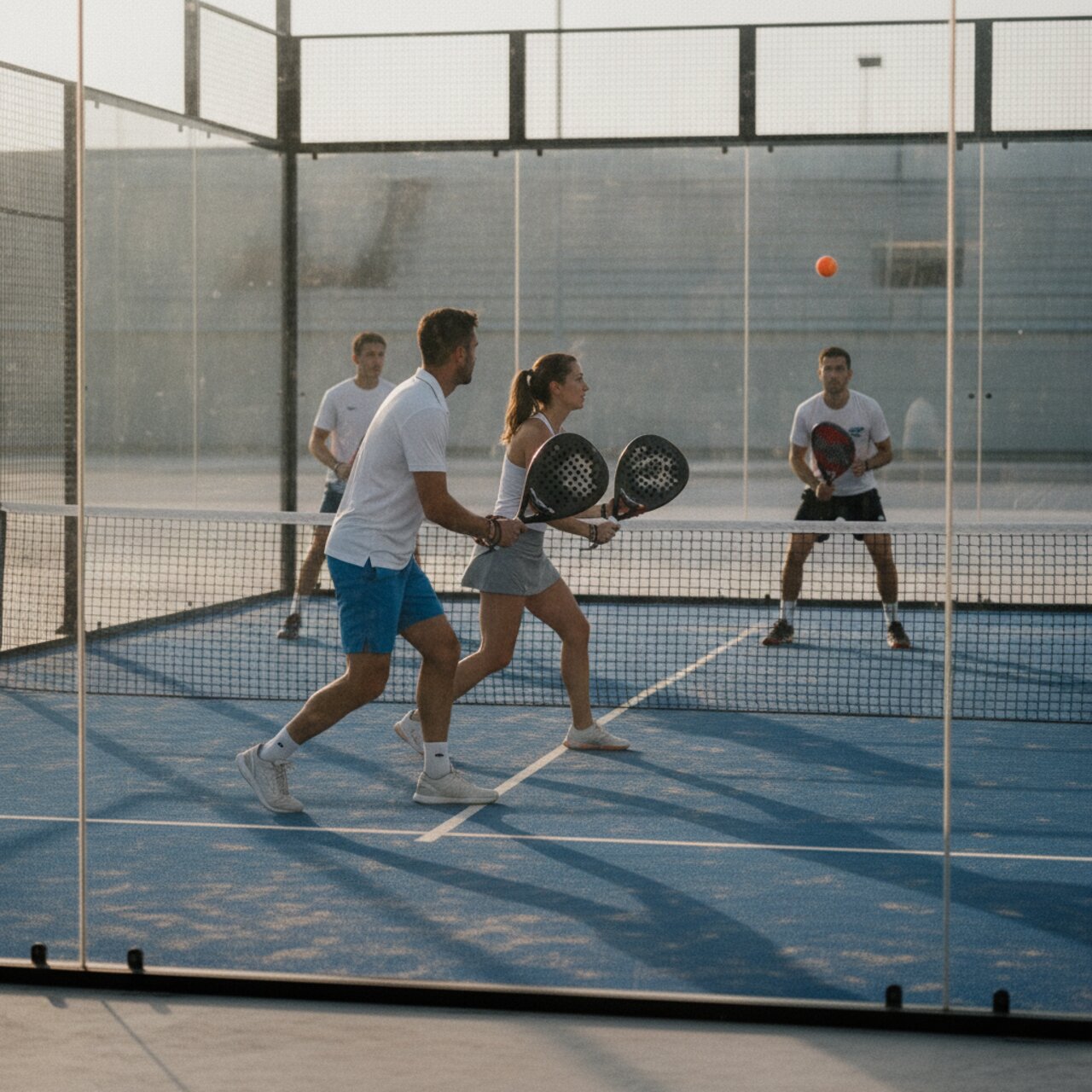
Placement also connects to formation. If you can read which opponent is weaker overhead, lob that player relentlessly. Good doubles positioning as a pair means you and your partner already know which side to target and both move forward together the instant the lob leaves your paddle.
Step-by-Step Execution
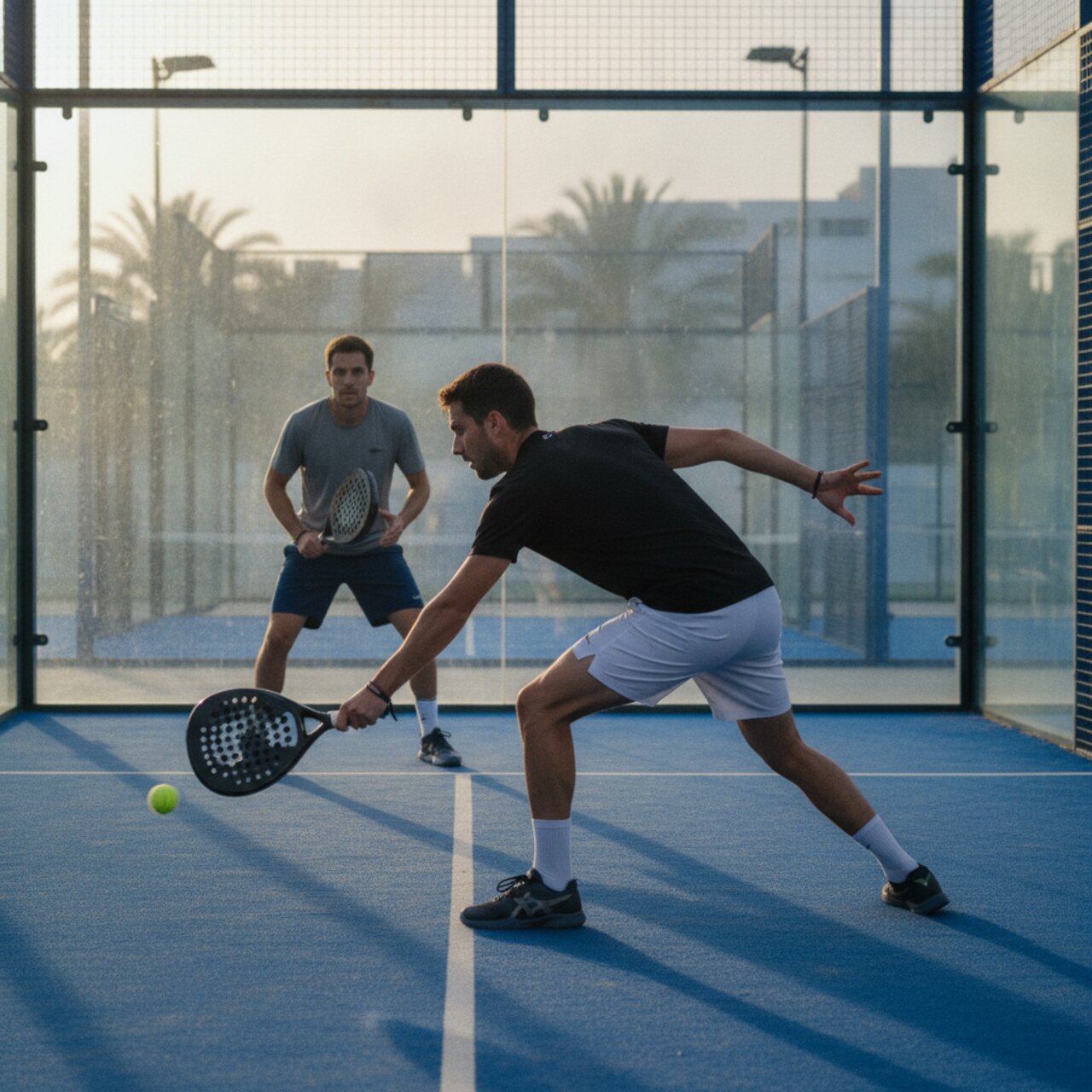
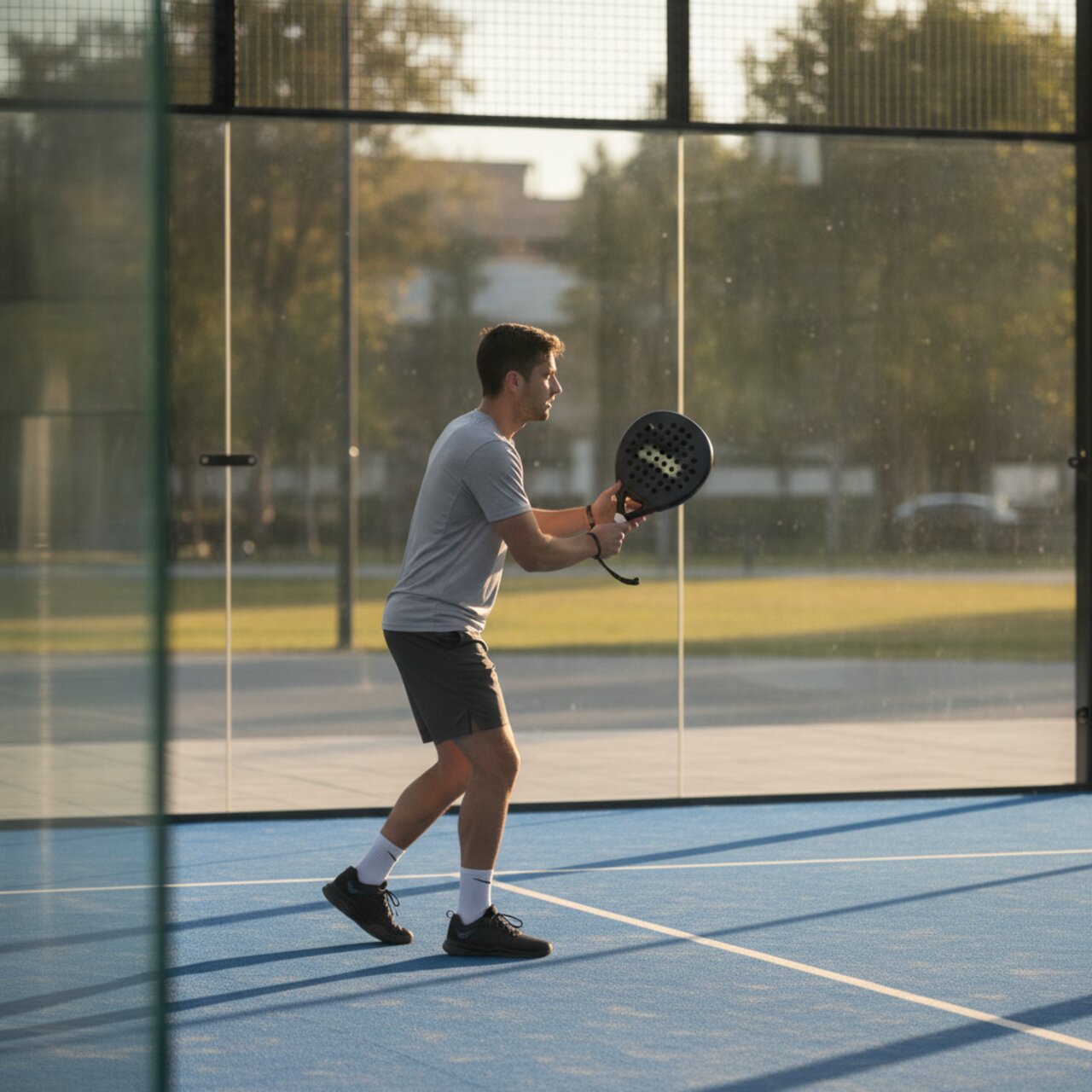
Get into position early. Turn your shoulders sideways to the net and get your paddle below the ball. The defensive lob is hit with an open paddle face and a low-to-high swing path, brushing up the back of the ball to lift it.
Contact the ball out in front of your body, not beside or behind you. Hitting late is the reason so many lobs float short and central. Keep your wrist firm through contact; the lift comes from the shoulder and the upward swing, not from flicking the wrist.
Follow through fully, finishing high with the paddle pointing up toward your target. A cut-off, decelerating follow-through is what produces the short, hangable lob that gets smashed. Then move. The lob is not finished when you hit it; you and your partner should be advancing toward the net while the ball is still in the air, ready to take the position it just opened up.
Common Mistakes and How to Fix Them
Lobbing too short. The root cause is deceleration through contact out of fear of hitting long. Fix it by committing to a full follow-through and aiming for the back glass on the full. Landing a few long in practice teaches your body the real range.
Lobbing too low and flat. A flat lob has no hang time and arrives in the smasher’s strike zone. Fix it by exaggerating the low-to-high swing and picking a target point high in the air above the net, not the net itself.
Hitting the ball late. Contact behind your body kills both height and control. Fix it by preparing earlier and taking the ball in front, which also lets you use the defensive skills for handling the bajada when opponents attack your lob off the glass.
Standing still after the lob. A perfect lob wasted because you did not move forward. Fix it by treating the lob as the trigger to advance; the moment it clears the net players, step in.
Drills to Sharpen Your Defensive Lob
Target-zone lobbing. Place two rackets or cones a meter and a half from the back glass on each side. Have a partner feed you deep balls and lob into the target zones, alternating cross-court and down-the-line. Score a point only for lobs that land in the zone. Aim for eight out of ten before moving on.
Lob and advance. Combine the shot with movement. A feeder pushes you back, you lob deep, then immediately sprint to the net and play out the point. This trains the habit of turning a defensive lob into an attacking position rather than a passive one.
Pressure lobs under a bandeja. Have a partner hit repeated bandejas at you while you lob each one back deep and high. This rehearses the exact situation the defensive lob exists for and builds the height reflex you need when a real point speeds up.
Turning Defense Into Attack
The defensive lob is only “defensive” in name. Executed with real height, genuine depth, and smart placement, it flips the balance of a point: the pair that owned the net is suddenly retreating, and you are the one stepping forward. Pair it with a reliable bandeja once you reach the net, and learn the terms behind the tactics in the padel glossary. Practice the three variables until they are automatic, and the shot that used to feel like surrender becomes the one that wins you the point.