By Mario GonzalezBeginner
Padel as a Family Sport: Playing Across Generations and Skill Levels
Padel as a family sport lets mixed ages and skill levels share one court. Learn how to balance teams, keep games fair, and get everyone playing together.
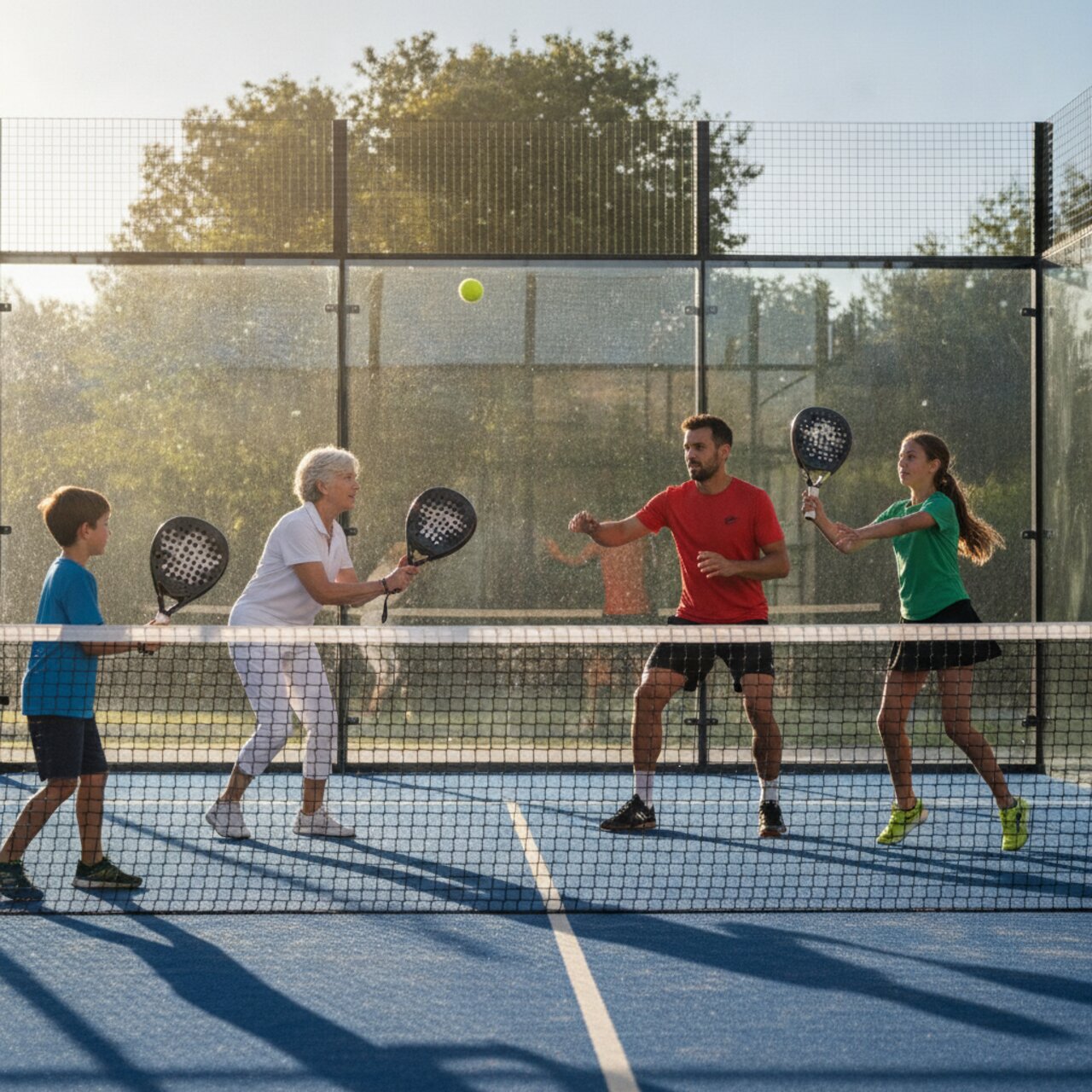
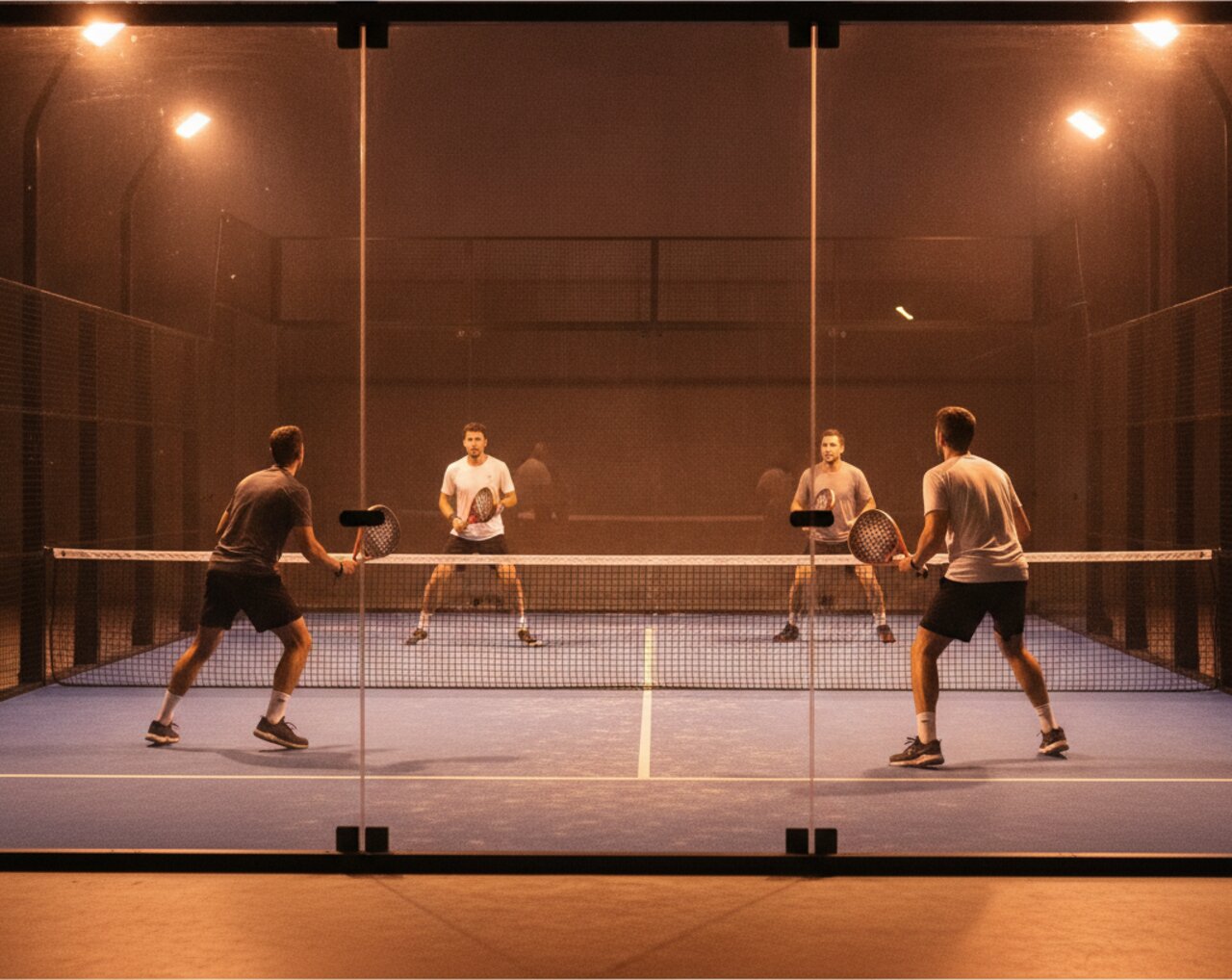
Few racket sports let an eight-year-old, a parent, and a grandparent share the same court and all enjoy the point. Padel as a family sport does exactly that. The enclosed court is small, the underhand serve removes the biggest barrier to entry, and the walls keep rallies alive long after a tennis ball would have sailed out. A grandparent who covers two steps can still volley at the net while the kids chase down lobs in the back.
That mix of ages and abilities is the appeal, but it’s also the challenge. A 4-0 blowout every game gets old fast, and the youngest or least experienced player drops out. The goal is to keep games close enough that everyone stays invested. This guide covers how to pair players, adapt the rules, and run sessions that send everyone home wanting to book the next court.
Why Padel Works So Well for Families
Padel removes the things that make tennis or squash intimidating for beginners and casual players. The serve is hit underhand below waist height, so there’s no complicated motion to learn before you can start a point. The court is 20 by 10 meters and shared by four players, which means less ground to cover than a tennis doubles court per person. If you’re new to the sport entirely, the introduction to what padel is covers the basics in a few minutes.
The walls change everything for mixed-ability play. A shot that beats you off the bounce can come back off the glass, giving a slower player a second chance to reach it. Rallies last longer, which means more touches, more fun, and more time for a beginner to actually hit the ball rather than picking it up off the floor. Long points also even out the gap between a powerful adult and a smaller child, because consistency matters more than raw power.
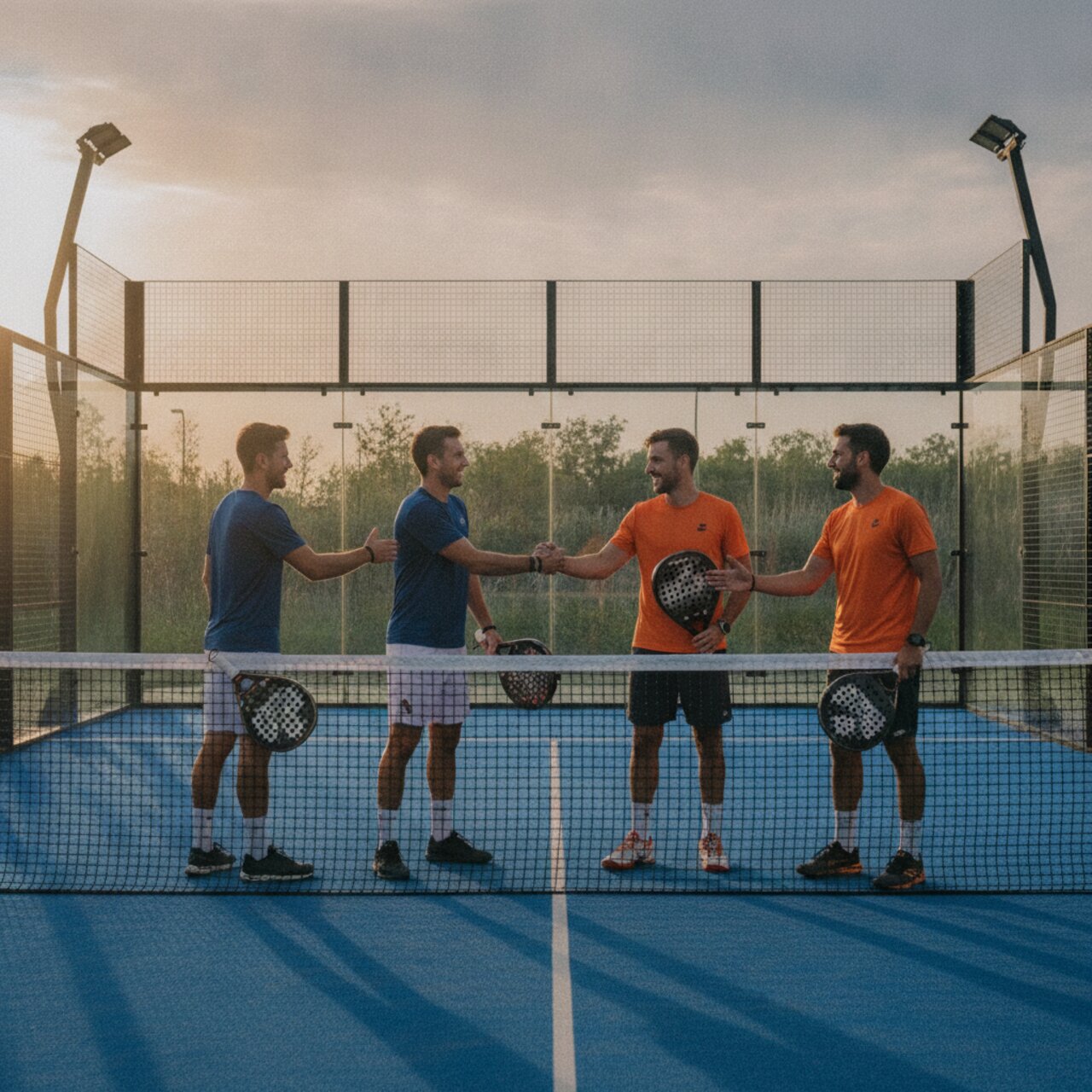
Doubles is the standard format, so nobody plays alone. A nervous beginner always has a partner to cover for them, and that shared responsibility takes pressure off. For a kid trying the sport for the first time, having a parent on the same side feels a lot safer than facing an opponent solo.
Pairing Players of Different Skill Levels
The fastest way to ruin a family session is to put the two strongest players on one team. Stack the teams instead: pair your most experienced player with your least experienced, and do the same on the other side. A strong adult with a young child against another strong adult with a beginner parent usually produces surprisingly close games.
Watch where you position each player. The stronger player should cover the left side (the backhand side for right-handers), where most of the attacking and finishing happens. The developing player takes the right side, where they handle more straightforward balls and build confidence. Our guide to doubles positioning explains why this split works and when to switch.
Reassess after a few games. If one team wins every game 4-0, swap a player. The aim isn’t perfect fairness on paper, it’s games that go to deuce often enough that everyone feels the result was in doubt. When you find a pairing that produces tight scores, keep it for the session and remember it for next time.
Adapting the Rules by Age and Ability
Standard padel scoring works fine for adults and teens, but you don’t have to play it straight with younger kids or first-timers. A few adjustments keep beginners in the rally instead of losing every serve.
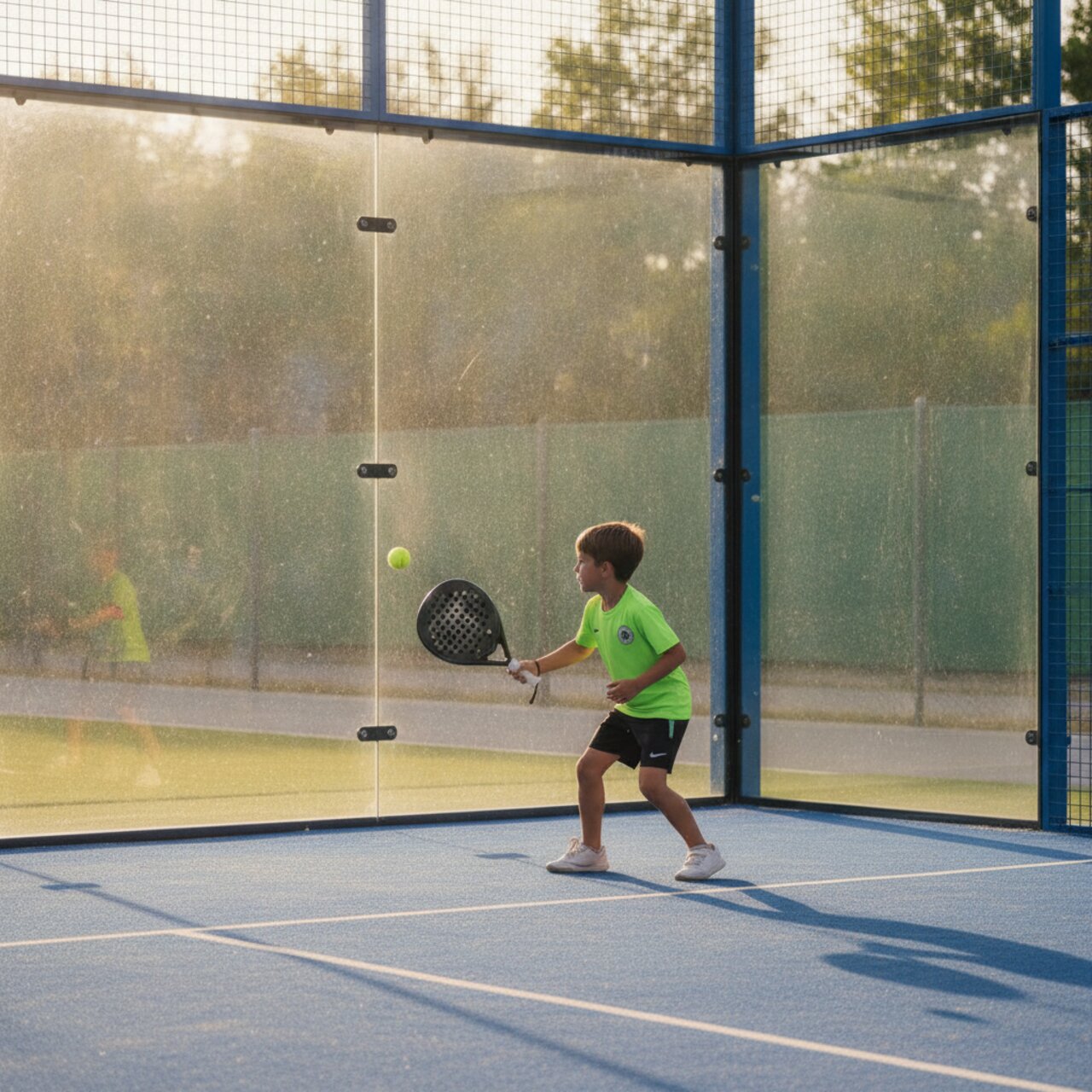
For young children, let them serve from the service line rather than behind it, and allow two bounces before they have to return the ball. The double bounce gives a small player time to get into position and turns a one-shot rally into something they can actually win. If the scoring system feels like too much to track, play first-to-11 points straight up and ignore games and sets entirely.
Adjust the targets too. A strong adult playing against kids should aim to keep the ball in play rather than hit winners, placing shots near the child rather than into the open corner. This isn’t about letting them win, it’s about giving them enough balls to develop a rhythm. As the child improves, dial the difficulty back up gradually. The same logic applies when an experienced player partners a nervous adult beginner: feed them playable balls and let them build touch before you start attacking.
Setting Up Sessions That Keep Everyone Engaged
A 90-minute family session needs structure or it drifts into the two best players hitting hard while everyone else watches. Start with ten minutes of cooperative warm-up: stand at the net in pairs and see how many volleys you can string together without a miss. Counting out loud turns it into a shared goal rather than a competition, and it gets younger players touching the ball early.
Break the session into short games rather than one long match. First-to-11 points, then rotate partners or sides. Frequent rotation means nobody gets stuck losing for an hour, and the constant resets keep the youngest players from checking out. Mix in a few mini-games: who can hit the back wall on the full, or longest rally where everyone is trying to keep it going rather than win.
End on something light. A points-don’t-matter rally where the only rule is “keep it alive” sends everyone off on a high, regardless of who won the competitive games. For kids especially, the last five minutes are what they’ll remember when you ask if they want to play again.
Equipment for Mixed-Age Family Play
You don’t need four sets of gear to start, but a couple of choices make family play easier. Lighter rackets suit kids and older players: look for frames around 340-360 grams and a round shape, which is more forgiving and easier to control than a teardrop or diamond. A heavier, head-light racket that an adult loves will feel like a sledgehammer in a child’s hand.
Junior rackets exist for players under about ten, with shorter handles and lower weight, and they’re worth it if a child plays regularly. For occasional family sessions, a light adult round racket works fine for a teen. If you’re choosing a first racket for anyone in the family, our beginner racket guide covers what actually matters at the entry level.
Footwear is the one place not to cut corners across ages. Padel involves lateral movement and quick stops, and proper court shoes reduce the slips and rolled ankles that scare older players and parents off the sport. Beyond rackets and shoes, the basics are the same for everyone: padel balls, water, and a bag to carry it all.
What to Expect as a Family
Early sessions will be messy. Expect missed serves, balls hit over the fence, and at least one round where a four-year-old decides to sit down mid-point. That’s normal, and it’s not a sign the sport won’t stick. The kids who come back are the ones who had fun, not the ones who played perfectly.
Progress comes fast for most beginners because padel’s rallies give you so many repetitions. A child or new adult who plays once a week will be returning serves and holding short rallies within a month or two. If you want to keep older or younger players engaged long-term, the dedicated guides on padel for kids and padel for players over 40 go deeper on adapting the game for each end of the age range.
The real payoff is having a sport the whole family can keep playing for decades. Book a court, stack the teams, keep the games close, and let the walls do the work of keeping everyone in the rally.