By Mario GonzalezFitness
Padel for Players Over 40: Adaptations, Injury Prevention, and Enjoyment
Padel for players over 40 means smarter movement, fewer injuries, and more wins. Adapt your game, protect your joints, and keep playing for decades.
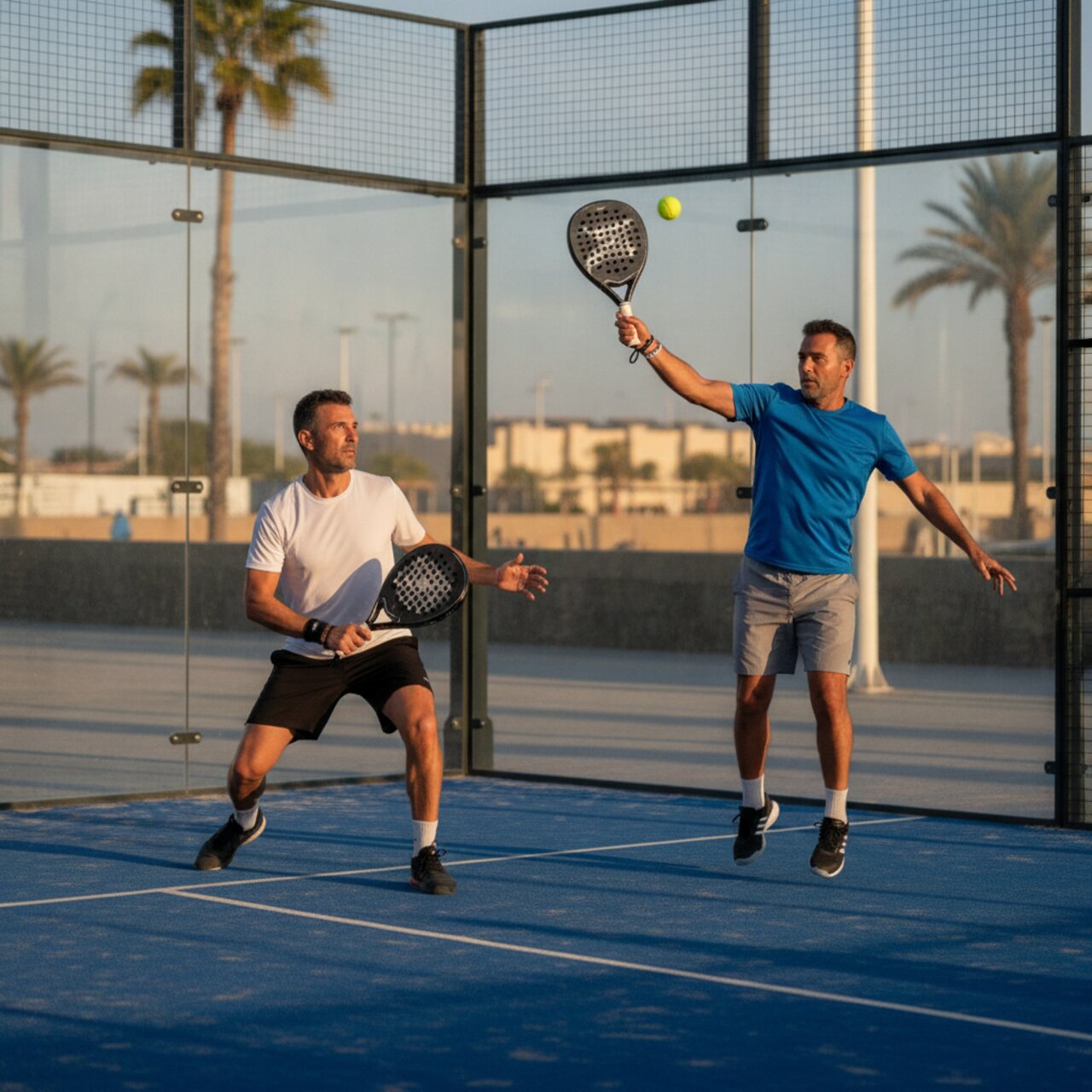
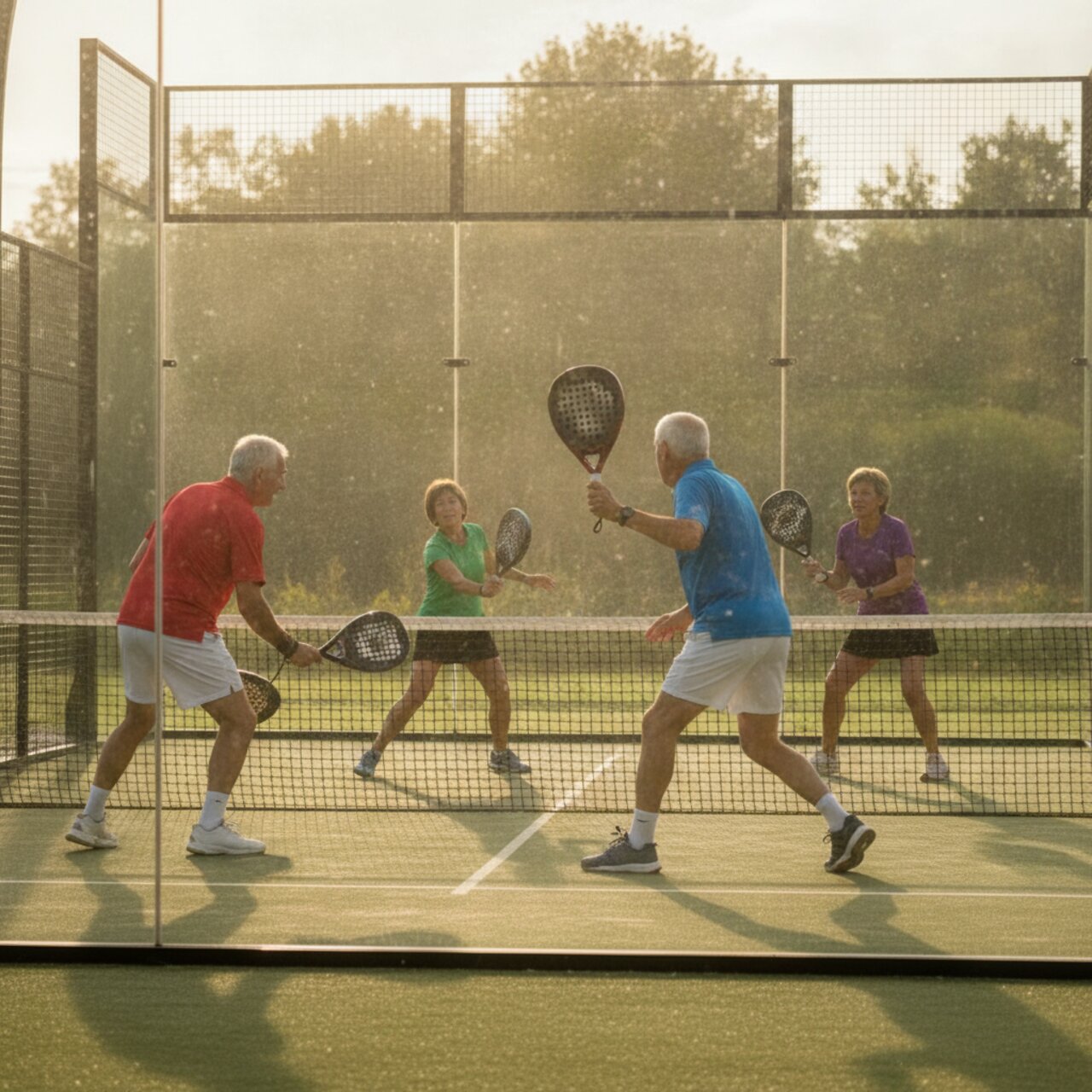
Padel for players over 40 is one of the best-kept secrets in racket sport. The court is small, the ball is slow off the walls, and points reward positioning and patience over raw speed. That combination lets a 45-year-old beat a 25-year-old far more often than tennis ever would. The catch is that your body recovers differently at 40 than it did at 25, and the players who keep winning into their fifties are the ones who adapt their game instead of fighting their age.
This guide covers how to adjust your style, protect your joints, and actually enjoy the sport more as the years add up.
Why Padel Suits Players Over 40
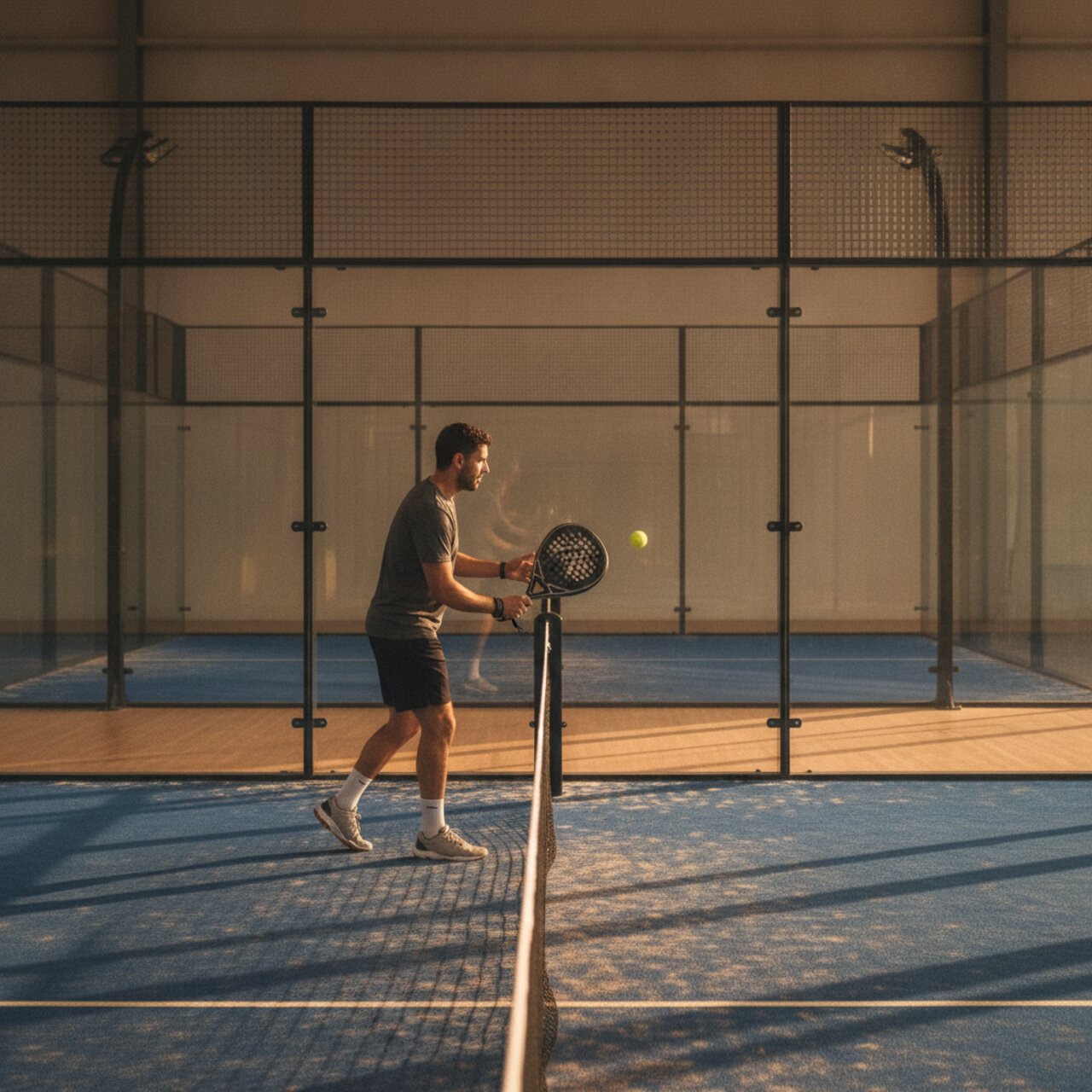
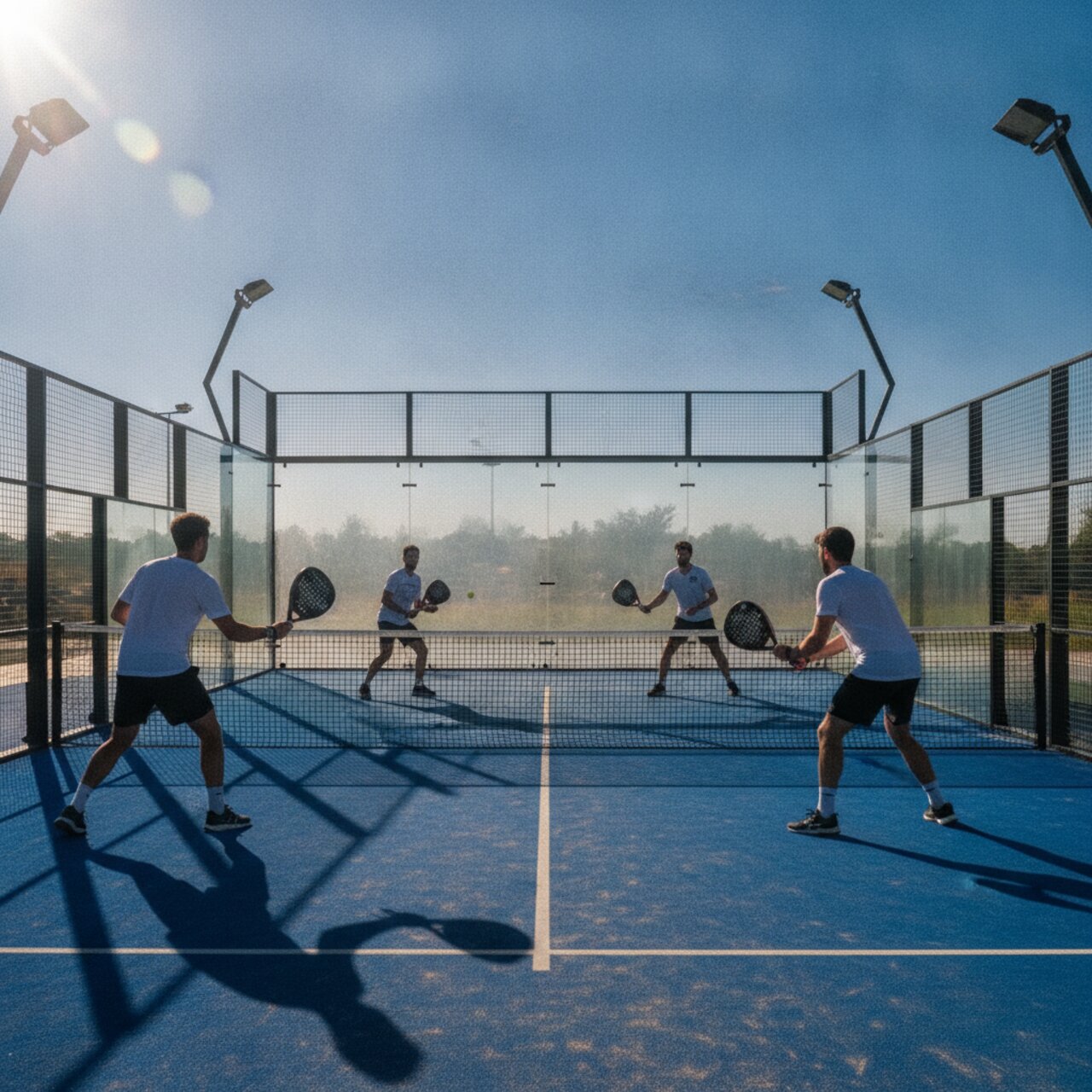
The geometry of padel works in your favor. A doubles court measures 20 by 10 meters split between two players, so each person covers roughly a quarter of a tennis court. You almost never sprint flat out. Most of the game happens in short bursts of two or three steps, followed by a reset.
Experience also counts for more here than in faster sports. Reading the rebound off the back glass, choosing when to lob, and knowing where your partner will be are skills that sharpen with years on court, not years off it. A patient 48-year-old who builds points and waits for the error will dismantle a younger player who tries to smash every ball.
If you are brand new to the sport, start with the complete guide to padel for beginners to learn the rules and the basic shots before worrying about age-specific tweaks.
Adapt Your Game, Not Your Effort
The mistake most players over 40 make is trying to play the same high-intensity game they did a decade ago. Smarter adaptation keeps you competitive and keeps you healthy.
Lead with placement over power
You do not need a 90 km/h smash to win at the club level. A well-placed lob that lands in the back corner forces your opponents off the net and resets the point in your favor. Prioritize depth and angles. Aim your volleys at the feet of the player at the net rather than swinging for winners that miss as often as they land.
Use the lob as your reset button
The lob is the single most valuable shot for an older player. When you are pulled wide or caught out of position, a deep defensive lob buys you the two seconds you need to recover to the middle. Practicing a reliable lob technique does more for a 40-plus game than any other single shot.
Anchor your position with your partner
Movement economy wins matches when your top speed has dropped. Stay connected to your partner like you are tied by a three-meter rope: when one moves up, the other moves up. Good doubles positioning means you cover the court with two well-placed players instead of two players scrambling. The less ground you have to make up, the fewer hard accelerations your knees absorb.
Pick the side that hides your weaknesses
If your overhead is fading but your hands are still quick, play the right side where reflex volleys matter more than booming smashes. Choosing the right court side for your strengths can add years to your competitive life.
Injury Prevention: Protect the Joints That Take the Load
Most padel injuries above 40 are not dramatic. They are the slow, nagging kind: a sore shoulder, a cranky knee, a tight calf that finally tears on a cold morning. Prevention is almost entirely about preparation and load management.
Warm up like it is part of the match
The warm-up is non-negotiable after 40. Cold muscles and stiff joints are where calf tears and shoulder strains begin. Spend at least eight to ten minutes raising your heart rate and moving through the ranges you will use on court. A structured 10-minute warm-up for padel takes care of this, and skipping it is the fastest route to the bench.
Protect your shoulder before it complains
The overhead motion of the smash and bandeja loads the rotator cuff repeatedly. Build the small stabilizing muscles with light resistance band work two or three times a week, and stop hitting full-power smashes the moment the shoulder feels off. The shoulder care and recovery guide lays out a simple maintenance routine that prevents the most common chronic complaint in older players.
Save your knees with footwork, not braces
Knee pain in padel usually comes from sudden stops and lateral changes of direction on a hard surface. Shorter steps, a lower ready position, and good shoes with lateral support reduce the strain far more than any brace. The knee protection guide for padel players covers the strengthening work that keeps the joint stable through those quick direction changes.
Stretch and recover deliberately
Flexibility fades with age unless you maintain it. A short stretching session after every match keeps your calves, hip flexors, and shoulders supple. Follow a consistent post-match stretching routine and treat your recovery between matches as seriously as the matches themselves. At 40-plus, recovery is where the gains are protected.
Manage Your Schedule and Intensity
Younger players can play five days a week and bounce back. After 40, the smarter approach is two or three quality sessions with full recovery between them. Listen to the difference between ordinary fatigue and sharp pain. Fatigue means push through with good technique; sharp pain means stop.
Build a baseline of off-court fitness so the court is not your only training. Even a modest amount of stamina and endurance work means you are still moving well in the third set instead of getting injured because you are tired and sloppy. Tired players reach late, lunge hard, and that is when things tear.
If you are coming from tennis, your transition will be quicker than you expect, though the wall game and the softer swing take adjustment. The differences between padel and tennis explain why your tennis instincts help on some shots and hurt on others.
The Real Win: Enjoyment and Longevity
The players who are still on court at 60 are not the ones who trained hardest. They are the ones who stayed healthy and kept it fun. Padel makes that easy. It is intensely social, the points are quick and rewarding, and the learning curve never really ends because there is always a new wall angle to read or a new partner combination to figure out.
Set goals that have nothing to do with beating younger players. Aim to play injury-free for the whole season, to win more points at the net, to finally trust your bandeja under pressure. Those goals keep you improving without grinding your body down.
Padel after 40 is not a downgrade from your younger sporting life. With smarter movement, real injury prevention, and a game built on placement and patience, it can be the sport you play best and enjoy most for the next twenty years. Adapt the game to the body you have now, protect the joints that do the work, and book the next match.