By Mario GonzalezStrategy
How to Play Against Aggressive Players in Padel: Defensive Tactics That Work
Master strategies for playing against aggressive players in padel. Learn defensive techniques, positioning, and counter-tactics to neutralize opponents.
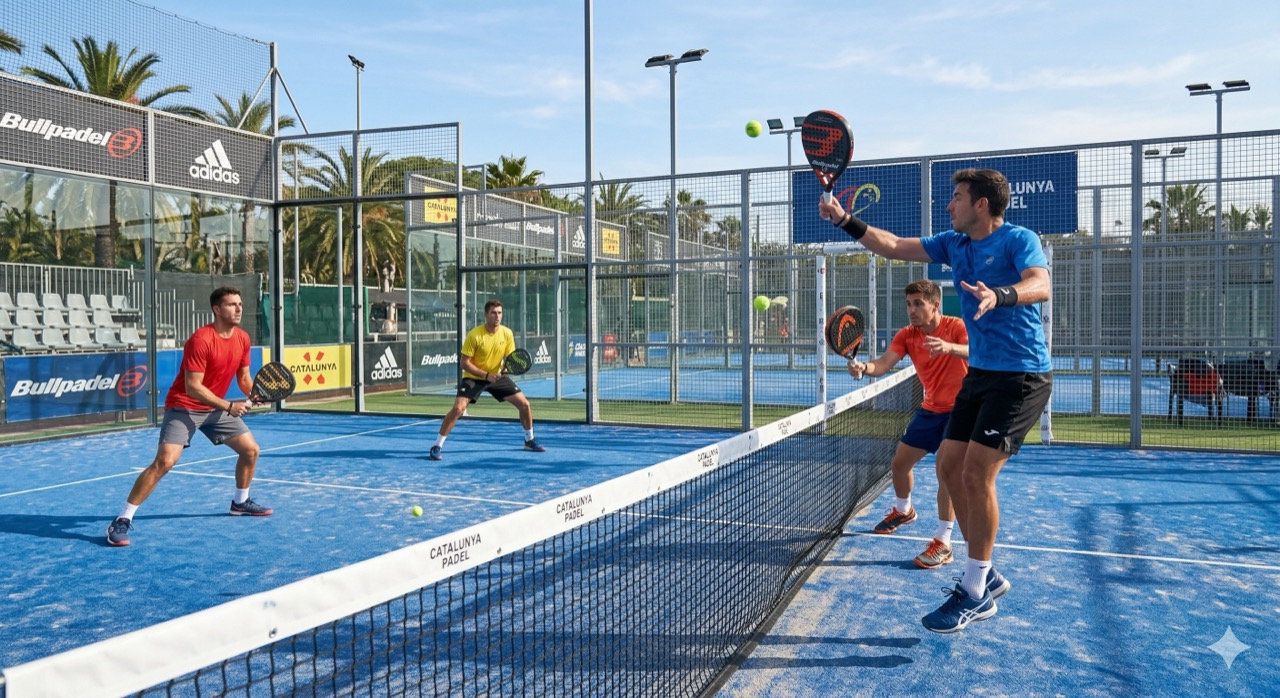
Playing against aggressive players in padel presents a unique challenge. These opponents hit hard, take time away from you, and often dominate points with sheer power. Rather than trying to match their aggression, the most effective approach involves controlled defense, strategic positioning, and smart shot selection.
The key to neutralizing aggressive players is understanding that power and consistency aren’t the same thing. Many aggressive players struggle with patience. By absorbing their pace and redirecting it, you can frustrate them into mistakes.
Why Aggressive Players Dominate (And How to Counter It)
Aggressive padel players win through a simple formula: hit the ball hard, take the initiative, and finish points quickly. They stand inside the baseline, attack every ball above net height, and look for put-away opportunities at the net.
Your counter-aggressive strategies must disrupt this rhythm. When you stop them from taking the offensive position, you neutralize their greatest strength. This requires a fundamentally different approach than what works against consistent, baseline-oriented opponents.
The primary challenge is that aggressive players hit with more topspin and power, which forces you deeper in the court and takes time away. You have fewer options to prepare each shot. This is where defensive technique becomes critical.
Positioning: The Foundation of Defense
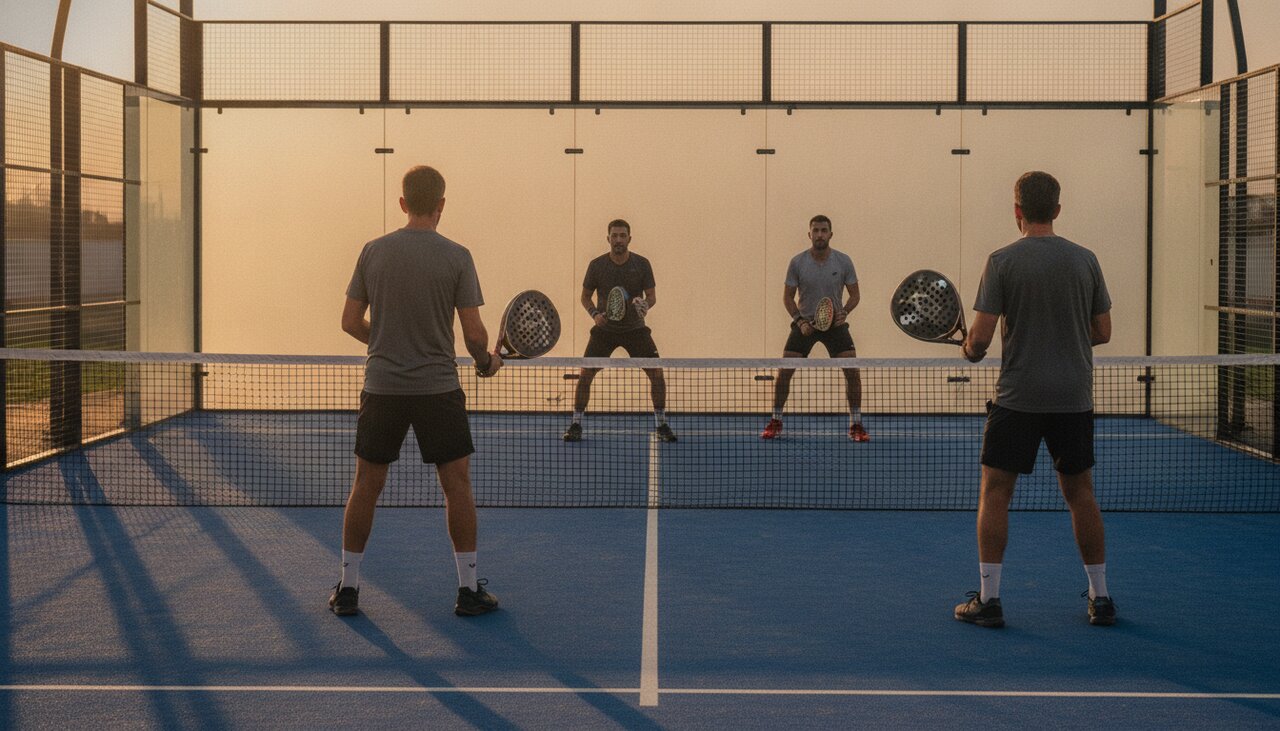
Effective defense against aggressive players starts with court positioning. You cannot afford to be caught in neutral space when facing power hitters.
Stay deeper than normal. Move back 1-2 feet beyond the baseline. This gives you extra reaction time and forces aggressive players to hit harder to reach the net, which increases unforced errors. Many aggressive opponents are programmed to attack—when they can’t shorten the point quickly, they often make mistakes.
Cover the middle. Most aggressive players aim for the sidelines when you’re outside the court. By positioning slightly toward the center, you protect the court’s most vulnerable area. This single adjustment eliminates the angle the opponent needs for winners.
At the net, stay low. When you’re at the net against aggressive opponents, crouch lower than usual. This reduces their angles and forces them to hit up on volleys, which gives them less control. A higher net position also makes it harder for them to pass you cleanly.
After hitting deep balls, recover to baseline depth. Don’t immediately advance to net after a defensive shot. Instead, hold your ground at the baseline until your opponent commits to attacking. This prevents the sudden transition that aggressive players exploit.
Defensive Shots That Stop Aggressive Players
The bandeja is your most important defensive tool. When opponents hit hard balls above net height, the bandeja absorbs their pace while taking time away from the net player. Learn the bandeja technique to stop hard approaches cold.
The slice is your second line of defense. Low, heavy slice shots with backspin reduce the pace and trajectory of your opponent’s next shot. They can’t attack aggressively from below net height. Hit slices with a full swing—these are not weak shots, but deliberately constructed defensive tools that frustrate attackers.
Block volleys work against very hard shots. Rather than taking a full swing, use a short punch volley that absorbs pace and redirects it into the court. Your opponent gets surprised by the sudden change in timing and often over-hits the next shot.
High, looping balls to the baseline are underrated defensive weapons. Push aggressive players back with moon balls and high lobs when necessary. Yes, these look passive, but they force your opponent to hit from deep in the court, where control becomes harder. Aggressive players get frustrated when they can’t finish points quickly.
Controlled Counter-Attacking
You don’t have to play passive padel, but your counter-attacks must be smart. Wait for elevated balls that you can attack safely.
When you get a ball above net height, don’t automatically crush it. Instead, take a measured swing that places the ball where your opponent can’t attack easily. A well-placed shot to an open court beats a hard shot that ends up at the net player’s racket.
The key difference between your attacks and your opponent’s is consistency. Hit with controlled aggression—power with placement. A 70% power shot into an open court beats an 100% power shot that your opponent can defend easily.
Use drop shots sparingly but effectively. A well-executed drop shot pulls aggressive players forward when they expect you to drive deep. One or two per match is enough to keep them honest.
Game Situations: Reading and Reacting
Early in points against aggressive players, prioritize consistency. Your first two shots should be solid and deep, in the court. This forces aggressive players to generate their own pace rather than using your power against you.
In mid-point rallies, look for elevated balls. The moment your opponent hits anything at net height or above, attack it with a measured shot. This is where you regain control of the rally.
When your opponent reaches the net, hit passing shots down the line. Aggressive players at the net expect you to hit crosscourt. By hitting the line, you use their forward momentum against them. Practice the passing shot technique to execute this reliably under pressure.
On break points and critical moments, revert to defense. Don’t try to beat aggressive players on the biggest points. Instead, keep the ball in play, trust that they’ll make mistakes under pressure, and be ready to capitalize when they do.
Practice Drills for Defense Against Aggression
Set up a specific drill: have your partner stand at the net and feed you hard balls from mid-court. You respond with either bandeja or slice shots aimed at the opposite baseline. Do 20 repetitions, focusing on consistency over power.
Second drill: play points where aggressive players can only hit from the baseline. Prohibit them from advancing to net. This forces them to hit winners from deep court, which is significantly harder. Play 10 points with this restriction to understand how much the net position matters to their game.
Third drill: points where you can only hit drives or slices—no volleys. This improves your baseline consistency and forces you to stay composed when aggressive players push hard from the baseline.
Mental Approach Against Aggressive Opponents
Aggressive players rely on taking initiative and controlling points. When you prevent that, they get frustrated. Stay patient. Your job is to keep rallies alive and let them make mistakes.
Don’t get intimidated by power. Padel is ultimately about court positioning and shot selection, not raw hitting strength. Many recreational aggressive players lack tactical discipline—they hit hard because that’s their comfort zone, not because it’s the right shot.
Celebrate defensive holds. When you win a tough defensive rally against an aggressive opponent, acknowledge it. These are momentum shifts that wear them down psychologically. Over a match, winning 5-6 extended defensive rallies changes the dynamic completely.
Real Match Scenarios: How to Execute Your Defense
Consider a specific match situation: Your opponent hits a hard approach shot and rushes the net. Your automatic response should be one of three options: the passing shot down the line, a low lob over their head, or a high defensive lob that forces them back.
The passing shot down the line works because aggressive net players lean toward the center waiting for the crosscourt pass. By hitting the line, you catch them off-guard. The key is solid footwork—move perpendicular to the net and hit through the ball rather than flicking it. This gives you control and consistency even under pressure.
Another scenario: You’re at the baseline, and they hit a hard ball at mid-court height. Instead of trying to drive it back, use the slice. Slice with a full backswing to load the shot, then contact the ball with downward motion to create spin. The heavy, low trajectory makes their next shot difficult. They either have to wait for the ball to bounce above waist height, or they attack a low ball where control suffers.
Third scenario: You win a point and you’re ahead in the score. Don’t change your strategy. Many players make the mistake of becoming passive when ahead, which allows aggressive opponents to reset the psychological momentum. Stay with your game plan. Keep them defensive, wait for elevated balls, and let them make errors.
Why Most Players Fail Against Aggressive Opponents
The biggest mistake is abandoning your game plan under pressure. When aggressive players hit a few winners or win a set, many defensive players panic and start trying to out-aggress them. This always fails. You don’t have their preparation or shot-making ability.
The second mistake is poor footwork during critical moments. When nervous, players stand flat-footed instead of moving their feet. Against aggressive players, footwork is everything. You need to be moving before the ball reaches you, not after.
The third mistake is over-hitting defensive shots. Your slice, bandeja, and lob are tactical tools, not weak shots. Hit them with full technique and conviction. Tentative defensive shots get punished—committed defensive shots frustrate aggressive opponents.
Building Mental Resilience for These Matchups
Mental toughness matters more in these matches than in any other. Aggressive players are trying to intimidate you with their power and pace. Your response is controlled calmness. Don’t react emotionally to their winners. Treat each point fresh, regardless of how the last one went.
Keep a simple mantra during the match: “Keep it in play, let them error.” This reminds you of your strategy when pressure builds. Aggressive opponents under sustained pressure eventually break. Winners get loose trying to force things. Your consistency forces them to take higher risk shots.
Celebrate your defensive wins. When you construct a rally where you stay patient and eventually win the point through their mistake, acknowledge it internally. These victories compound. After 3-4 of them, psychological momentum shifts to your side.
The Long-Term Strategy
The most effective approach against aggressive players combines solid positioning with selective, smart counter-attacks. You’re not trying to out-aggress them. Instead, you’re neutralizing their power through better court positioning and then attacking when they’re pushed back.
Understanding how competitive padel strategy works at a deeper level helps you prepare for these matchups. Aggressive players are predictable once you understand their patterns—and once you disrupt those patterns, they struggle.
The player who forces errors rather than produces winners will win the match. Against aggressive players, this means you, because your defensive foundation is stronger than their attacking one.
Training for Long-Term Success
Beyond match play, dedicate 20% of your practice time to these defensive drills. Work with a partner who plays aggressively and commit to the defensive strategy. The more you practice neutralizing aggressive players, the less intimidating they become.
Track your performance against aggressive opponents. Keep a simple note: Did my defense work? Did I stay patient? Did they make more errors than me? This data helps you refine your approach and build confidence.
Remember that padel evolved from tennis, and many of the principles apply. The most successful players in competitive padel aren’t always the most powerful hitters—they’re the ones who control the court through smart positioning and tactical awareness. Against aggressive players especially, this principle determines winners.