By Mario GonzalezStrategy
How to Communicate With Your Padel Partner: The Complete Guide
Master padel partner communication with verbal calls, hand signals, and positioning cues. Build chemistry and win more doubles matches together.
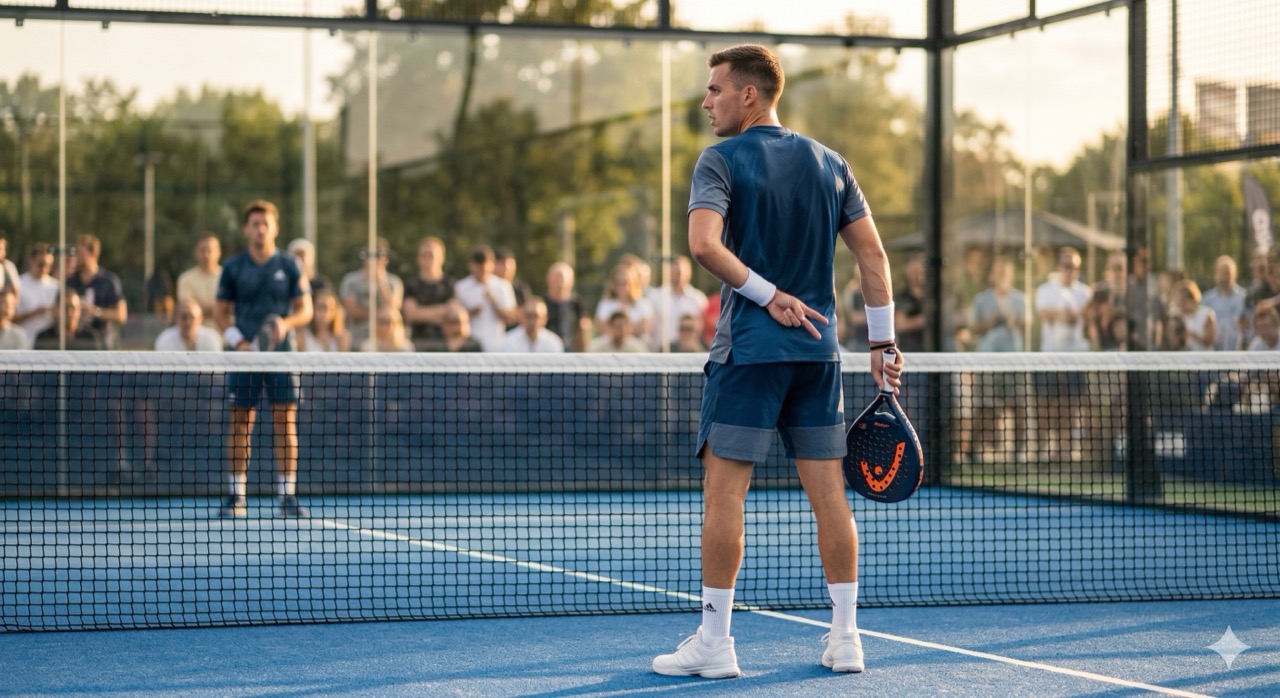
How to Communicate With Your Padel Partner on Court
You can have the best bandeja in your club and still lose to a pair that barely hits winners — because they move as one unit and you don’t. The difference? Communication. Padel partner communication is what turns two individual players into a real team, and most pairs never work on it.
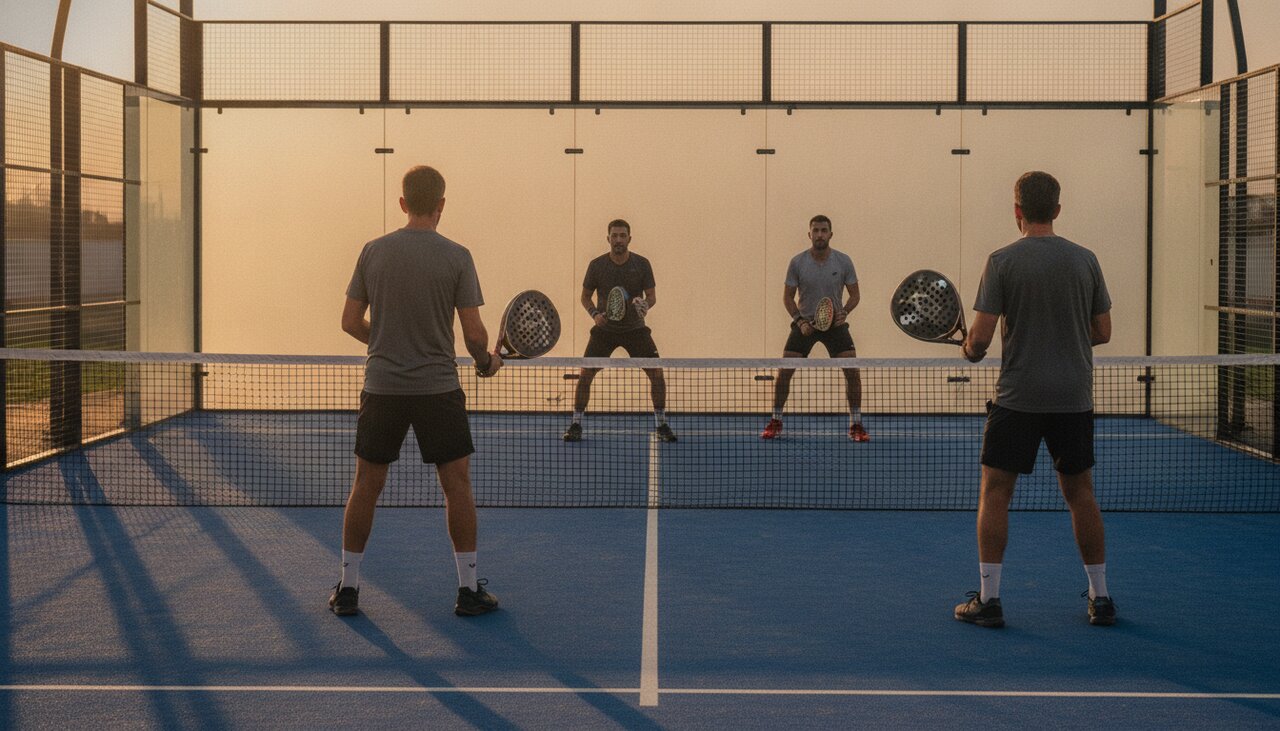
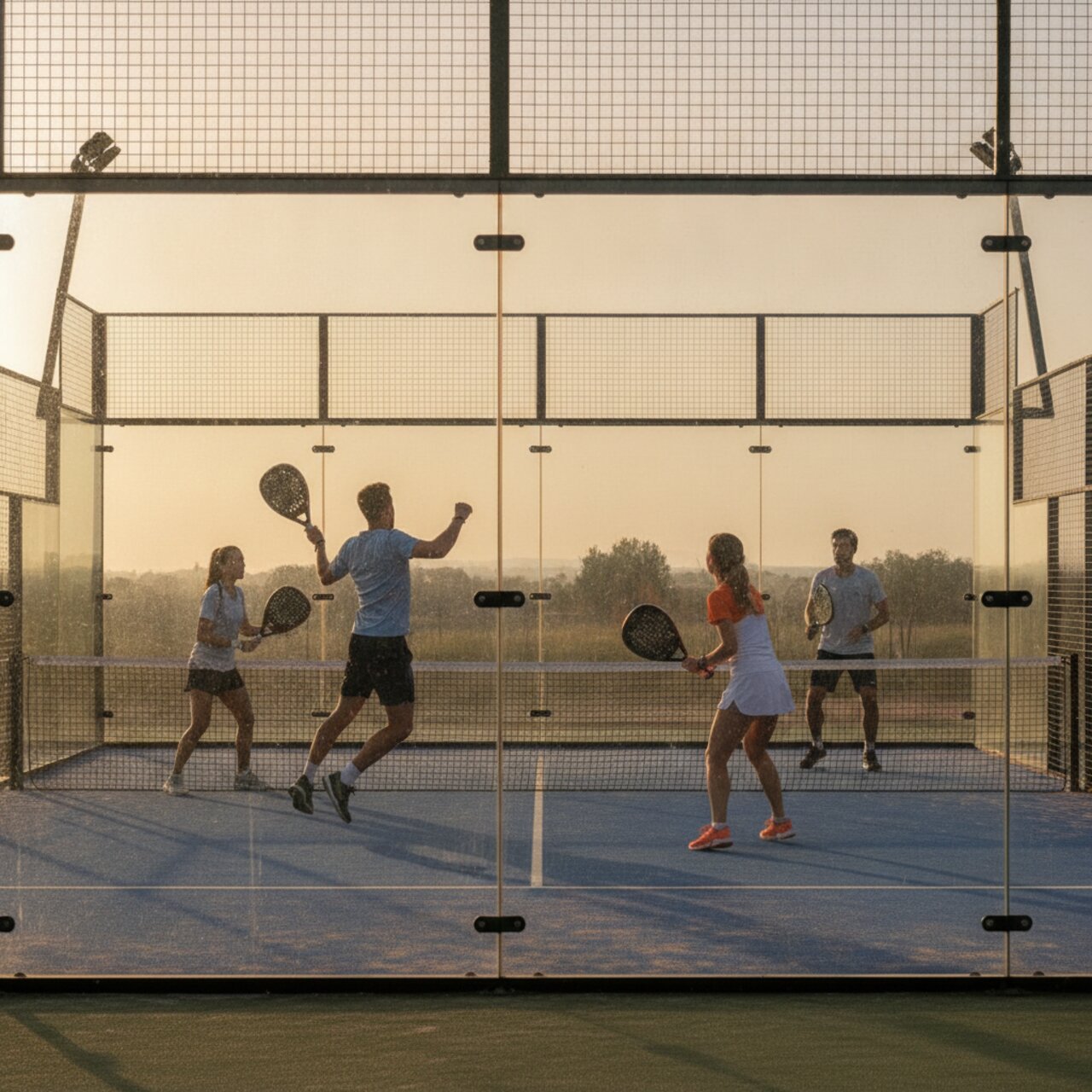
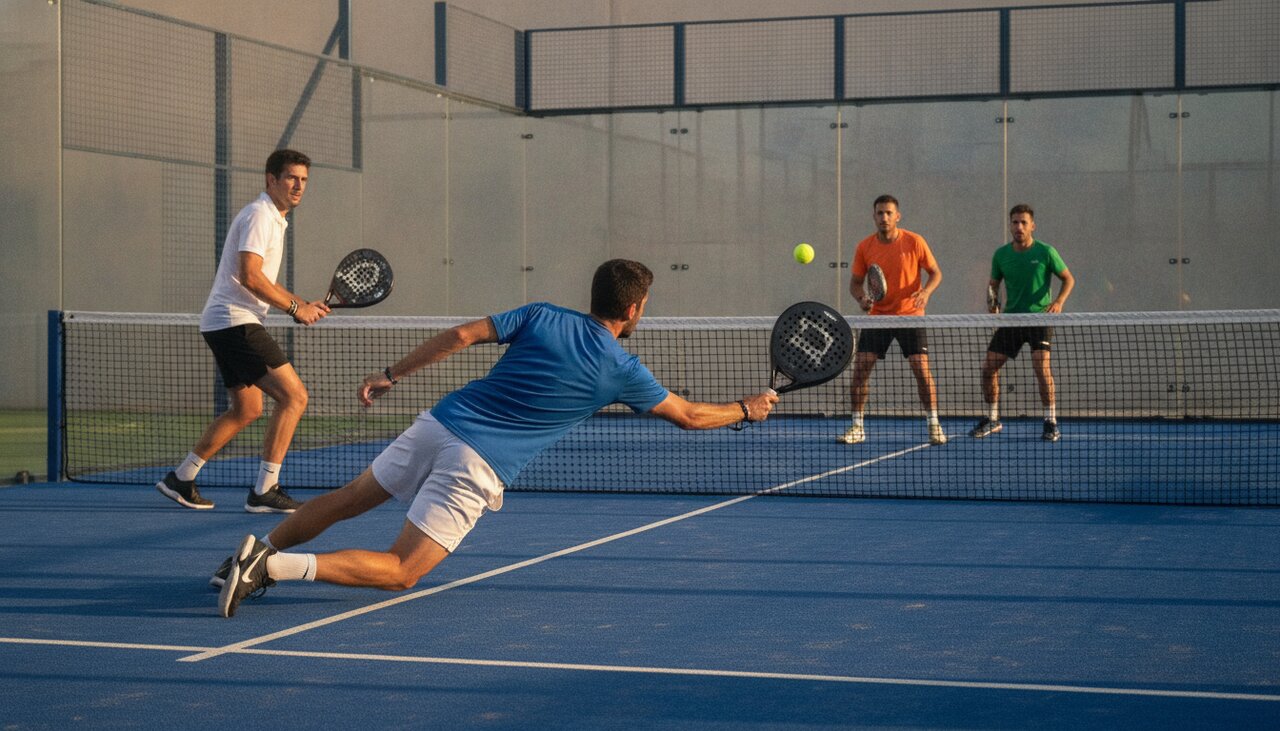
Think about it: you share a 10×10 meter half of the court with another person. Balls fly at you from every angle, off walls, off glass, off the fence. Without clear, fast communication, you’ll crash into each other, leave gaps, and argue about whose ball it was. With it, you’ll cover more court, make better decisions, and enjoy the game a whole lot more.
Why Most Padel Pairs Struggle With Communication
The biggest problem is assumption. You assume your partner saw the same thing you did. You assume they know you’re switching sides. You assume they’ll take the ball down the middle. Assumptions lose points.
Watch any professional padel match — Galán and Lebrón, Tapia and Coello — and you’ll notice they talk constantly. Between points, during points, even after errors. They point, they call, they tap rackets. None of it is accidental.
The good news: you don’t need to be a pro to communicate well. You just need a system that both of you commit to. Here’s how to build one.
Verbal Calls: The Foundation of Doubles Communication
Verbal calls are your primary tool. They need to be short, loud, and instant — there’s no time for full sentences when a ball is coming off the back glass at speed.
Essential calls every pair needs
“Mía” / “Mine” — The most important call in padel. Claim the ball early and loud. If neither player calls it, the ball drops between you. If both call it, the player with the better position takes it.
“Tuya” / “Yours” — Just as critical. When you recognize the ball is better for your partner, say it fast. This eliminates hesitation.
“Cambio” / “Switch” — You’re crossing sides. This happens after a lob sends one player to the opposite corner, or when you deliberately switch during a rally. Both players need to acknowledge the switch.
“Quédate” / “Stay” — Don’t switch back yet. Your partner lobbed the opponents and you want to hold your current sides rather than scramble back.
“Sube” / “Up” — Move to the net. You’ve hit a good deep shot and it’s time for both of you to take the offensive position. If you need a refresher on doubles positioning, that’s essential reading.
“Atrás” / “Back” — Retreat. A lob is coming and you both need to drop back.
When to call (and when to stay quiet)
Call the ball as early as possible — ideally before it bounces. Late calls create confusion. If the ball is clearly on one player’s side (a wide shot to the forehand corner, for example), you don’t always need a verbal call. Your positioning already communicates whose ball it is.
The gray zone is down the middle. Middle balls cause more arguments between partners than any other situation in padel. The general rule: the player with the forehand takes the middle ball. But this depends on your side of the court and the specific game situation.
Agree with your partner before the match on who takes middle balls. It’s a 30-second conversation that prevents dozens of lost points.
Hand Signals: The Secret Language Before Each Serve
Hand signals happen behind the server’s back, given by the net player to tell the server what they plan to do on the return. This is standard practice from intermediate level upward, and it’s one of the fastest ways to level up your game.
The basic signal system
The net player holds one hand behind their back (hidden from opponents) and signals:
- Closed fist — “I’m staying on my side.” The net player won’t poach; they’ll hold their position.
- Open hand / fingers pointing left — “I’m crossing left.” The net player will move to intercept the return on the left side.
- Open hand / fingers pointing right — “I’m crossing right.” Same concept, opposite direction.
- Wiggling fingers — “I’ll decide based on the return.” The net player reads the return and reacts.
How the server responds to signals
When your partner at the net signals they’re crossing, you need to cover the space they leave behind. If they cross right, you move left after serving. This creates a coordinated movement pattern that opponents can’t easily read.
The key here is trust. If your partner signals a cross, commit to covering the open side. Hesitation — where neither player covers the gap — is worse than any wrong decision.
Practicing hand signals
Start by using signals on every single serve for three or four matches straight. It’ll feel forced at first. By the fifth match, it becomes second nature and you’ll wonder how you ever played without them.
Body Language and Positioning Cues
Not all communication is verbal. Your position on the court tells your partner (and your opponents) what you’re planning.
Reading your partner’s position
Partner moves to the net aggressively — They expect to volley. Stay connected, move forward with them, and prepare to cover lobs.
Partner drops back behind the service line — They’re in defensive mode. Match their depth so you’re not one-up, one-back (the worst formation in padel, as covered in our positioning guide).
Partner shifts wide to cover a corner — The middle is exposed. Slide over to cover the gap.
The invisible string
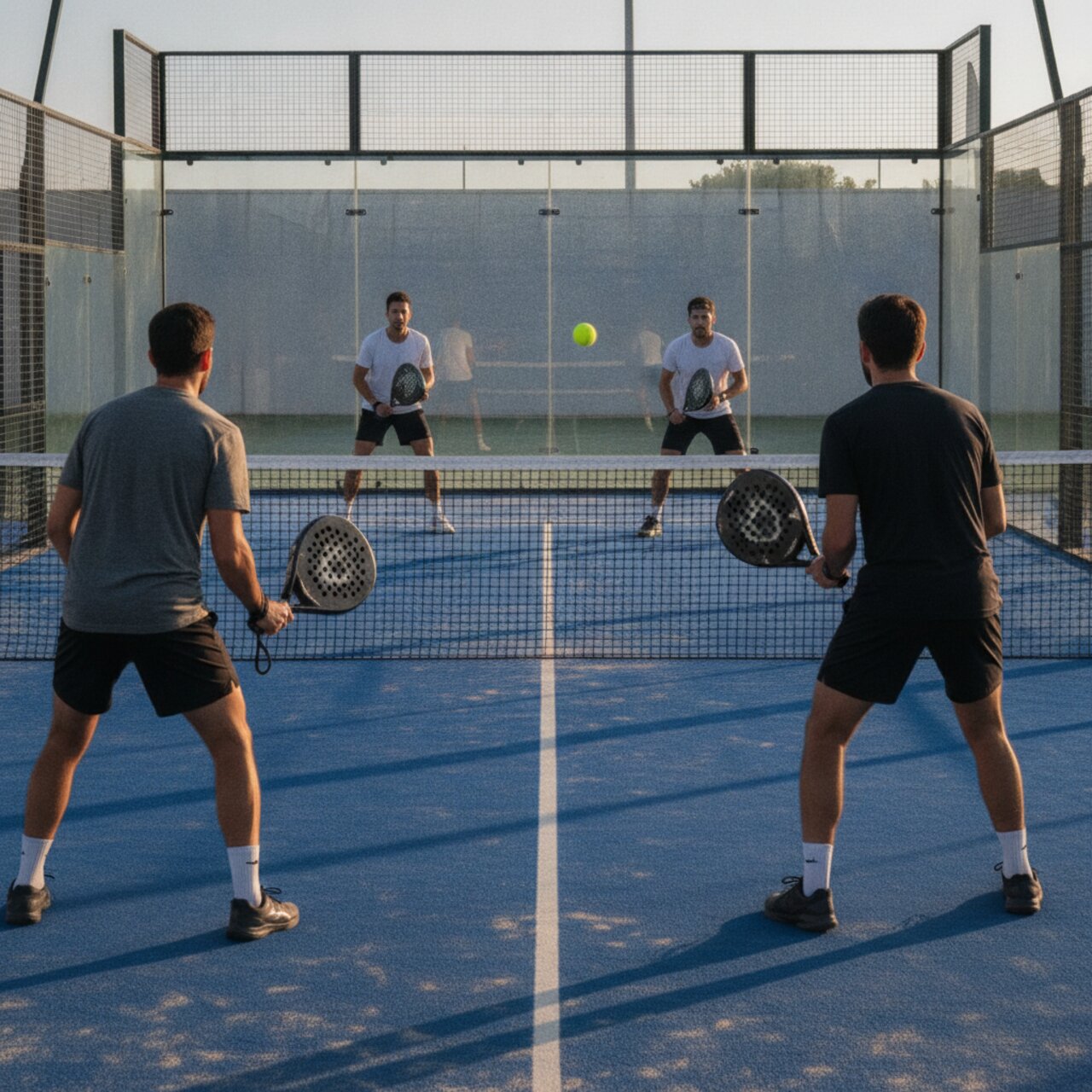
Imagine a 3-4 meter string connecting you and your partner. When they move left, you move left. When they move forward, you move forward. This concept — moving as a unit — is the most important positional communication in the game.
Watch your partner’s feet, not just the ball. Their movement tells you where to be half a second before you’d figure it out on your own. That half second is the difference between a clean volley and a scramble.
Communication Between Points
The 20 seconds between points is prime communication time. Use it.
What to discuss between points
After winning a point: Quick acknowledgment. A racket tap, a word of encouragement. Keep the energy up but stay focused.
After losing a point: No blame. Ever. Talk about what to do next, not what went wrong. “Let’s serve wide this time” is productive. “Why didn’t you take that?” is destructive.
After losing several points in a row: Call a brief strategy check. “They keep lobbing my side — I’ll play deeper.” Adapt together rather than silently hoping things change.
Before key points: Gold point, break point, or set point — agree on a plan. Where to serve, who takes the middle, whether the net player will poach. Having a plan reduces pressure because both players know their role.
The emotional side
Padel is an emotional sport. You’re close together, the points are fast, and frustration builds quickly. Your body language after an error communicates more than your words.
Dropping your head, sighing loudly, or turning away from your partner after their mistake sends a clear message: “I’m annoyed at you.” Even if you don’t mean it. Your partner reads that, gets tense, and plays worse.
The fix: face your partner after every point, win or lose. A brief nod or word. The best players reset emotionally in seconds. If you struggle with the mental side, our guide on dealing with losing streaks has techniques that apply directly to in-match frustration.
Building Chemistry With a New Partner
Playing with someone new? You’ll need to fast-track your communication system.
The 5-minute pre-match conversation
Before you hit a single ball, cover these five things:
- Sides — Who plays left, who plays right? If you’re not sure, the more aggressive player typically takes the left (forehand in the middle). Check our breakdown of left side vs right side to decide.
- Middle balls — Who takes them? Agree on a default and adjust during the match.
- Signals — Do you use hand signals on serve? Even basic ones help. Agree on what each signal means.
- Lob response — When you get lobbed, who switches and who recovers? Some pairs always switch, others recover to original sides.
- Energy style — Some players want constant verbal encouragement. Others prefer quiet focus. A quick “how do you like to play?” prevents mismatched energy.
First few games: over-communicate
With a new partner, call everything. Every ball, every movement, every switch. You’ll calibrate naturally — after 15-20 minutes, you’ll know which calls are needed and which aren’t. But starting with too much communication is always better than too little.
Drills to Improve Partner Communication
Drill 1: The blindfold rally
One player plays normally while the other can only look at their partner (not the opponents). The “blind” player relies entirely on their partner’s verbal calls: “yours left,” “mine,” “lob coming,” “up together.” Alternate roles every 5 minutes. This drill forces constant, precise communication.
Drill 2: Silent points
Play points with zero verbal communication. You can only communicate through positioning and body language. This sharpens your ability to read your partner’s movement and teaches you how much you rely on (or neglect) non-verbal cues.
Drill 3: Signal-only serving
Play a set where the net player must signal before every serve and the server must respond correctly. Track how many times the signal-movement coordination works versus fails. Aim for 80%+ success rate before your next competitive match.
Common Communication Mistakes to Avoid
Calling too late — A call after the bounce is almost useless. Train yourself to call before or at the bounce.
Blame disguised as feedback — “You should have taken that” mid-match isn’t helpful. Save tactical discussions for changeovers or post-match.
Inconsistent signals — Using hand signals sometimes but not others confuses your partner more than not using them at all. Commit fully or don’t use them yet.
Ignoring your partner’s style — Some players are naturally quiet. Don’t interpret silence as disinterest — they might communicate more through positioning. Adapt to each other rather than forcing your preferred style.
Forgetting to communicate on defense — Most pairs communicate well when attacking but go silent under pressure. Defensive situations — both players at the back, scrambling against aggressive opponents — are exactly when clear calls matter most.
Padel rewards pairs who function as a unit. The technical skill gap between you and your opponents matters far less than how well you coordinate. Start with the basics — verbal calls and hand signals — and build from there. Record your matches with your phone, review the communication breakdowns, and fix one thing at a time. Three matches of focused communication practice will improve your results more than three months of solo drills.