By Mario GonzalezFitness
Building Stamina and Endurance for Padel: HIIT and Cardio for Match Fitness
Build stamina and endurance for padel with HIIT and cardio that match how the sport actually taxes you. Stay sharp into the third set with this fitness plan.
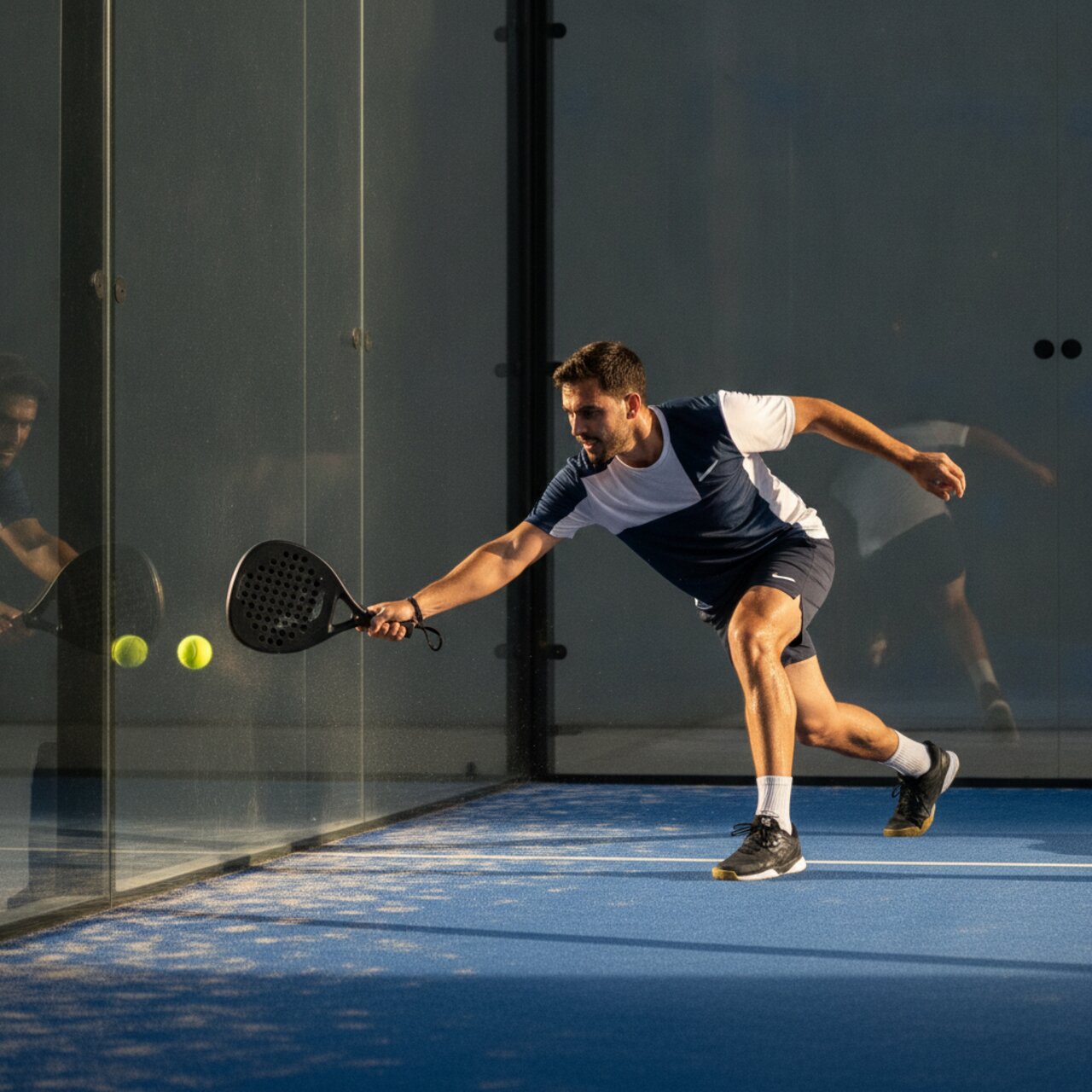
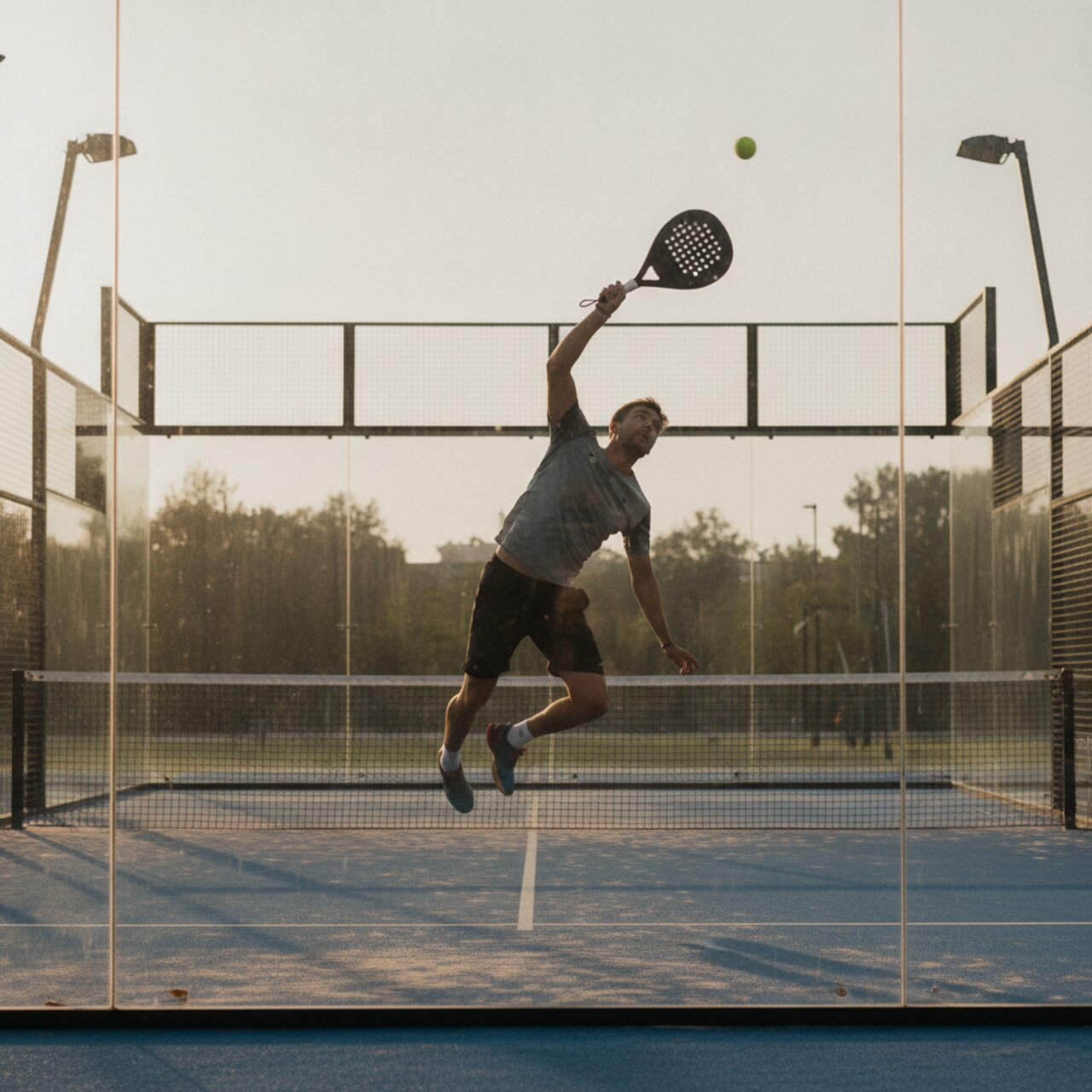
A padel match rarely slips away because you ran out of skill. It slips away because your legs stopped arriving on time. The lob you tracked easily in the first set drops a foot behind you in the third, your split-step gets lazy, and the bandeja you were nailing turns into a desperate flick. Building stamina and endurance for padel is what keeps you sharp deep into a match, and it is the most overlooked part of most amateur players’ training.
The good news: padel fitness is very trainable, and you do not need to live on a treadmill to get it. You need the right kind of conditioning, built around how the sport actually demands energy from your body.
How Padel Actually Taxes You
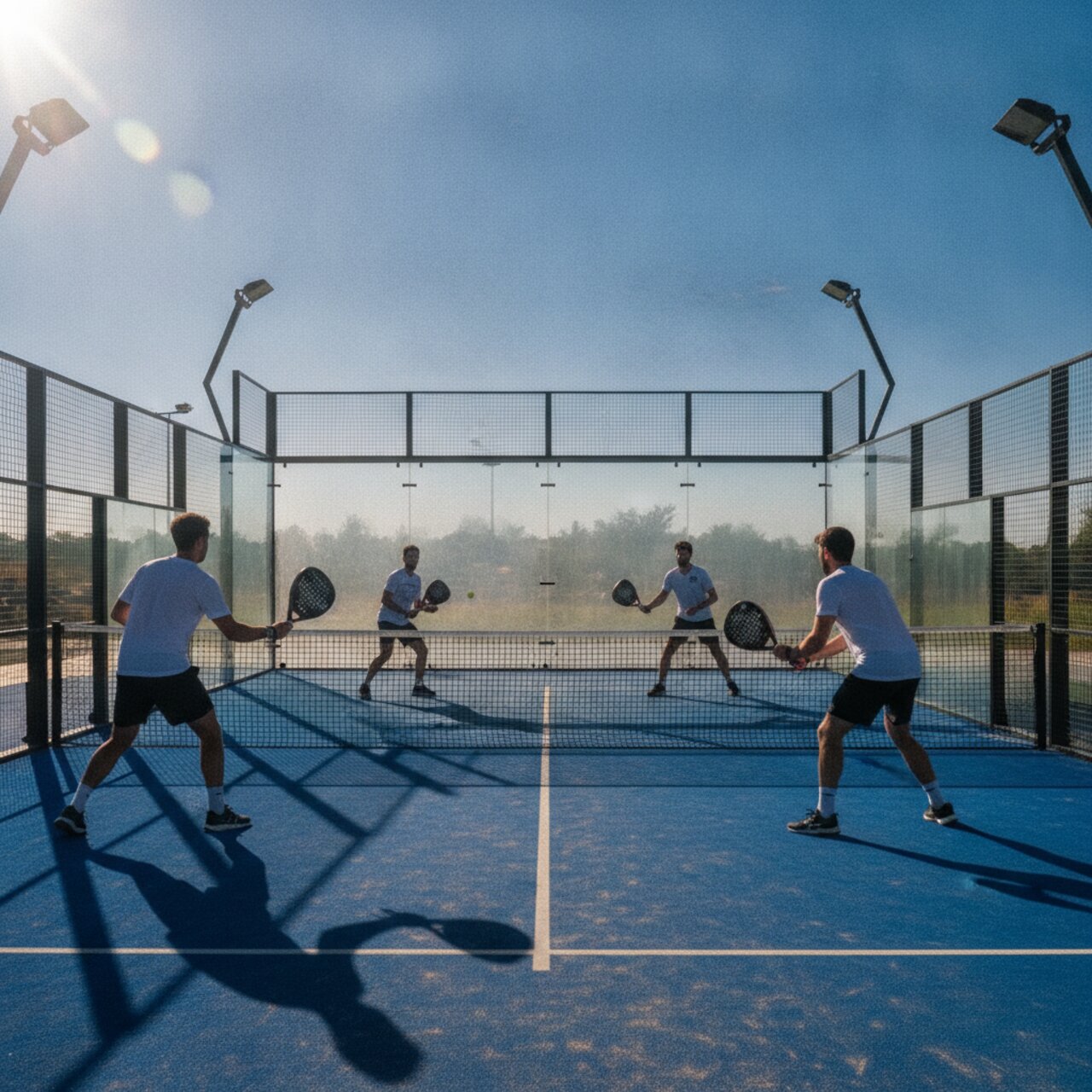
A point in padel lasts somewhere between 8 and 30 seconds for most club players, sometimes longer in defensive battles. You sprint, lunge, brake, twist, and recover, then you get 20 seconds of rest before the next serve. A match can run 60 to 90 minutes across two or three sets. That pattern matters, because it tells you exactly what to train.
This is repeated high-intensity effort with short recovery, not steady-state distance work. A marathon runner has a huge aerobic engine but might gas out chasing balls for an hour, because they never trained the sharp stop-start bursts padel demands. Equally, a pure sprinter has explosive power but fades over a long match because their recovery between efforts is poor.
You need both: an aerobic base that lets you recover quickly between points and across sets, and the anaerobic capacity to repeat hard sprints without your quality collapsing. Stamina is your engine size; endurance is how long you can run it before performance drops.
Building Stamina and Endurance for Padel: A Two-Layer Approach
Train these two layers in parallel and you cover the full demand of a match.
The first layer is aerobic base work, the slow cardio that grows the engine. The second is HIIT, high-intensity interval training that teaches your body to recover fast between bursts and hold its quality late in a match. Skip the base and your intervals leave you flat. Skip the intervals and you have a big engine that has never learned to handle padel’s stop-start rhythm.
Layer One: Aerobic Base (Steady Cardio)
This is the unglamorous part, and it is where most of your recovery capacity comes from. Two sessions a week of 30 to 40 minutes of steady, conversational-pace cardio builds the aerobic foundation that lets you bounce back between points.
Running, cycling, rowing, or brisk incline walking all work. Keep the effort at a level where you could just about hold a conversation, roughly 65 to 75 percent of your max heart rate. If you only know one number, aim for a pace that feels like a 6 out of 10. You should finish feeling worked but not wrecked.
Do not skip this thinking it is too easy to matter. A bigger aerobic base directly shortens how long you need to recover between every single point, which is the difference between being set for the next ball and still catching your breath when the serve comes in.
Layer Two: HIIT for Match-Specific Endurance
HIIT is where you build the ability to sprint, brake, and go again without your shots falling apart. The format mirrors a padel point: a hard effort, then a short rest, repeated.
A simple, effective session: sprint hard for 20 seconds, then walk or jog for 40 seconds. Repeat for 10 rounds, which takes 10 minutes plus a warm-up. As you adapt, shift toward a 30-seconds-on, 30-seconds-off structure, which more closely matches a tough rally followed by the gap between points.
Run these on a track, a field, or a spin bike. Two HIIT sessions a week is plenty. The work is genuinely hard, so quality beats quantity. If your sprints in round 9 look nothing like round 2, you have done enough for that day.
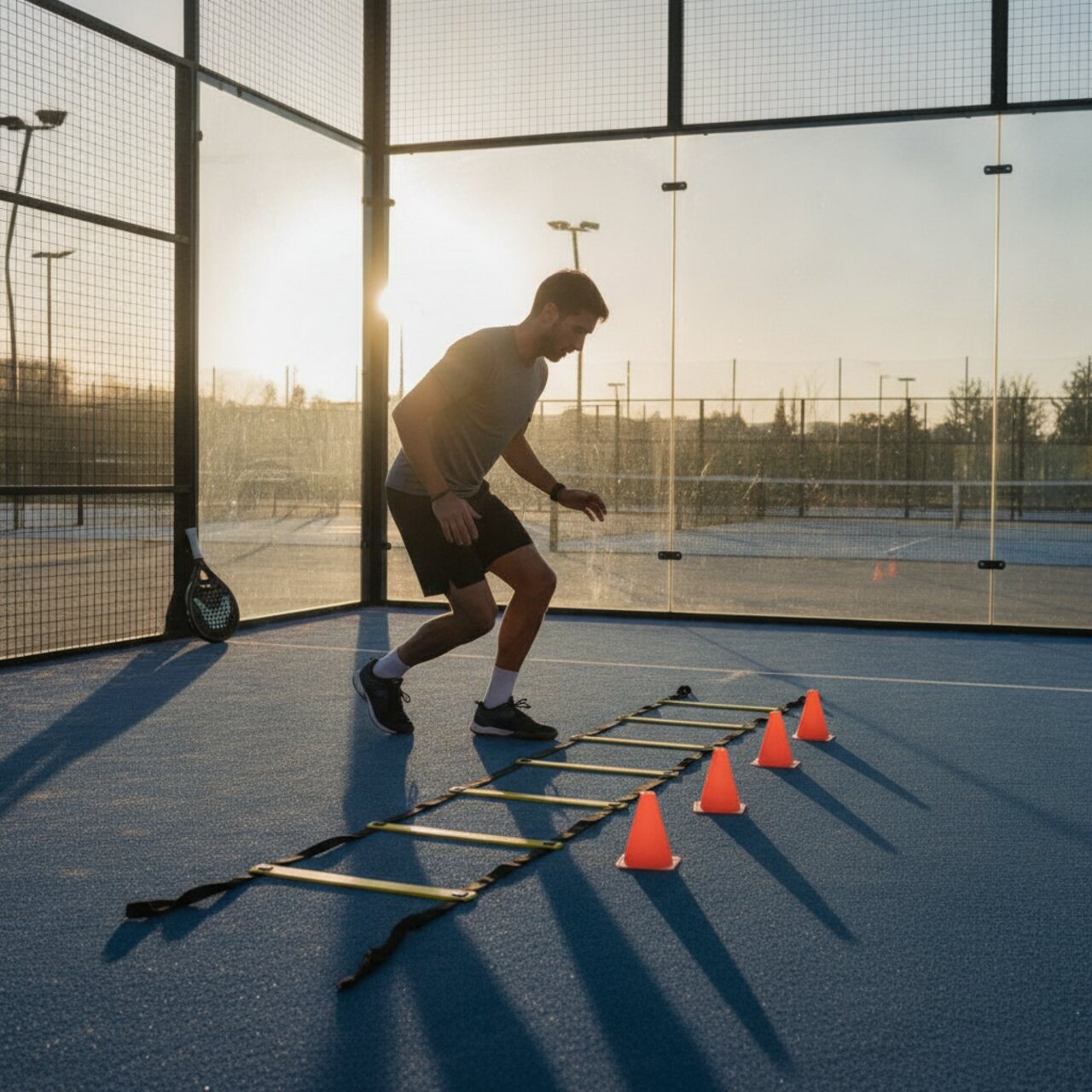
For padel specifically, add change of direction. Instead of straight sprints, set two cones 5 meters apart and shuffle, sprint, and backpedal between them for your 20 or 30 second work bursts. This trains the braking and re-acceleration that drains your legs far faster than running in a straight line ever will.
A Sample Weekly Plan
Here is how it fits together for a player who trains alongside one or two matches a week. Adjust the days to your own schedule, but keep hard sessions away from your most important match.
| Day | Session |
|---|---|
| Monday | HIIT intervals (20s on / 40s off x 10) |
| Tuesday | Steady cardio, 35 min easy pace |
| Wednesday | Padel match or practice |
| Thursday | HIIT with change of direction (cone shuffles) |
| Friday | Rest or light steady cardio |
| Saturday | Padel match |
| Sunday | Rest, mobility, easy walk |
That is two HIIT sessions, one to two steady cardio sessions, and two on-court days. If you play three times a week, drop one HIIT session rather than cutting your matches. Playing is its own conditioning, and you do not want to arrive at the court already fatigued.
Pair this with the strength side of fitness. A stronger trunk lets you brake and rotate without leaking energy, so spend time on core exercises built for padel alongside your cardio work.
On-Court Conditioning You Can Do Solo
If you have access to a court, you can train endurance with a ball in hand instead of just running.
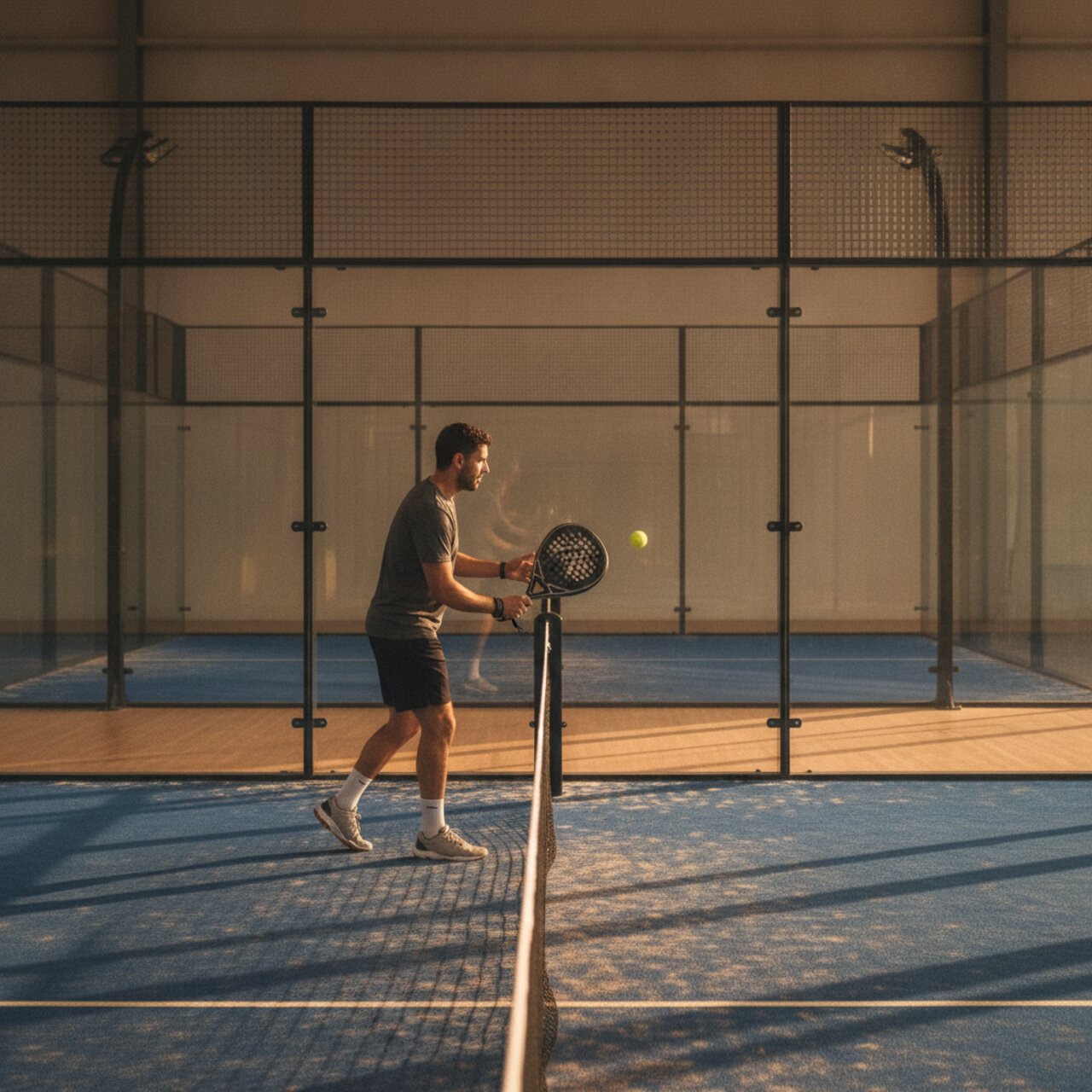
The continuous volley drill is brutal and effective. Stand at the net and have a partner feed balls at a steady, slightly uncomfortable pace, alternating sides so you have to shuffle. Volley for 45 seconds straight, rest 30, and repeat for six rounds. Your legs will feel it more than your arm.
Ghosting also works well alone. Picture a rally and move through the patterns at full speed: split-step, push back for an imagined lob, recover to the net, lunge for a low volley. Work for 30 seconds, rest 30, and do eight rounds. It builds the exact movement endurance a match asks for, and it sharpens your court coverage at the same time. If your positioning is shaky, combine this with the habits in our doubles positioning guide so the movement you groove is the movement you actually need.
Don’t Train Stamina at the Expense of Recovery
More conditioning is not automatically better. Endurance gains happen while you rest, not while you grind, and stacking hard sessions on top of matches with no recovery is the fastest way to flat legs and nagging injuries.
Keep at least one full rest day a week, sleep like it is part of the program, and treat the days between hard efforts seriously. Our guide on recovery between matches covers the active recovery, sleep, and nutrition side in detail. A short stretching routine after sessions keeps your hips and ankles loose for the next one.
Three Mistakes That Stall Your Progress
The first is training only steady cardio. Long, slow runs feel productive and build your base, but they never teach your legs to brake and re-accelerate the way a match does. Without intervals, you stay aerobically fit and still get caught flat-footed in long rallies.
The second is going too hard on your easy days. Many players turn their steady cardio into a half-effort grind, somewhere between easy and intense. That middle zone is too hard to recover from and too soft to drive real adaptation. Keep easy days genuinely easy and save the suffering for your two HIIT sessions.
The third is treating conditioning as separate from your game. Endurance is only useful if it shows up on court, so weight your interval work toward change-of-direction and on-court drills rather than straight-line running. The closer your training looks to a real point, the better it transfers.
What to Expect and How Long It Takes
Give it four to six weeks of consistent work before you judge results. Aerobic adaptations are real but gradual, and the first thing you will notice is not that you run faster, but that you recover faster between points. The serve comes in and you are already set, instead of still breathing hard from the last rally.
By eight to twelve weeks, the third set should feel like a different experience. Your shot quality holds up, your split-step stays springy, and you stop losing matches to fatigue that you should have won on skill. Track it simply: note how you feel in the final games of your matches over a month. When the late-match heaviness fades, your conditioning is working.
Match fitness is a slow build with no shortcuts, but it pays off in points you used to give away. New to the sport and still finding your feet? Start with our complete beginner’s guide to padel, then layer this conditioning on top once you are playing regularly.