By Mario GonzalezFitness
Getting Back to Padel After a Break: A Return-to-Play Guide
Getting back to padel after a break? Ease in the right way, protect your joints, and rebuild timing and fitness across your first four weeks back.
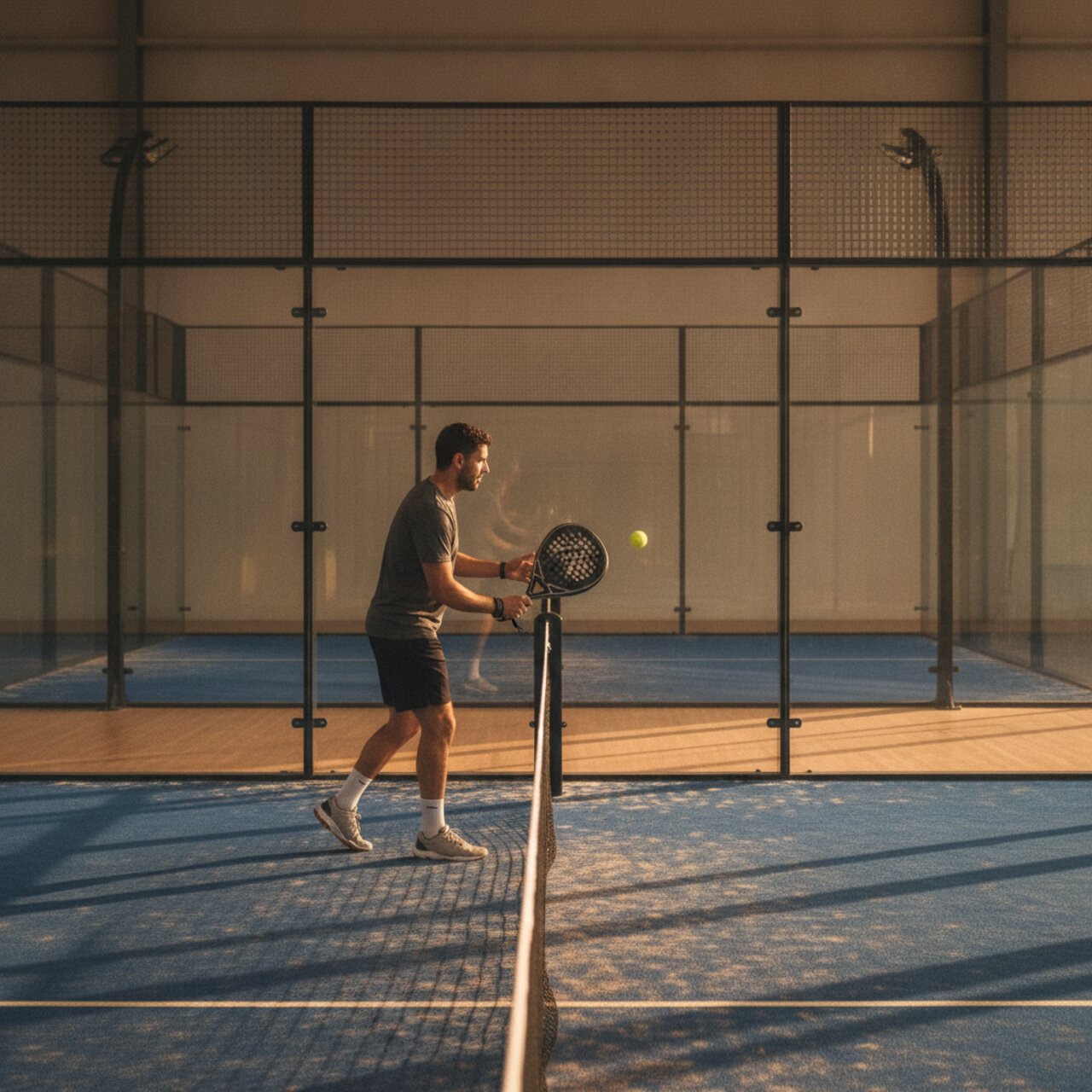
September is the classic return month. The summer trips are over, the courts fill up again, and a lot of players who took six or eight weeks off suddenly want their old game back on the first night. Getting back to padel after a break is where most avoidable injuries happen, because the head remembers a level the body has quietly lost. Your shot selection returns in one match. Your shoulder, calves, and match fitness take four to six weeks.
The good news is that padel comes back faster than almost any sport, because so much of it is timing and positioning rather than raw output. Handle the first three or four weeks with a bit of patience and you skip the strained calf that costs you the whole autumn.
Why the First Match Back Is the Riskiest
The gap between what you can do and what you can tolerate is widest right after a layoff. Your nervous system still knows how to hit a bandeja, so you swing at full speed. But the tendons and muscles that absorb that load have detrained, and connective tissue adapts slower than the fitness you feel.
Three areas take the biggest hit during time off:
- Calves and Achilles — padel is thousands of tiny stop-start pushes. A cold calf on a hard split-step is the most common first-week injury.
- Shoulder — overhead volume (serves, bandejas, smashes) drops to zero on a break, and the rotator cuff loses its conditioning within a couple of weeks.
- Lower back and knees — from twisting into balls off the back glass before your hips are ready to rotate under load.
None of this means you should be timid. It means the first two sessions are for waking the body up, not for winning the club ladder back in one night.
Getting Back to Padel After a Break: Your First Four Weeks
Treat the return as a ramp, not a switch. The structure below assumes you were playing once or twice a week before the break and had four to eight weeks off.
Week 1: One relaxed session, half your usual intensity
Play once. Pick a friendly game or a shared court, not a competitive match. The goal is 45 to 60 minutes of movement where you consciously hit at maybe 70 percent and let the timing return on its own.
Do a real warm-up before you step on — this is not optional in week one. A proper 10-minute warm-up for padel with ankle mobility, leg swings, and a few gentle shadow smashes prepares exactly the tissues most likely to complain. Skip it and your first hard split-step is a gamble.
Week 2: Two sessions, add controlled overheads
If week one left you sore but fine (normal), add a second session. This is when you start hitting bandejas and smashes with real intent, but cap the number. Twenty to thirty overheads across the session is plenty for a shoulder that did nothing all summer.
Between sessions, do two short mobility blocks. A basic stretching routine for padel focused on calves, hips, and shoulders does more for your return than any extra court time this week.
Week 3: Return to competitive play
Now you can play the matches you actually miss. Your split-step feels normal, your overhead timing is back, and you can chase lobs without thinking about it. Keep one session lighter than the other so you’re not stacking two maximal efforts back to back.
Week 4: Full load, back to your normal routine
By week four most recreational players are back to their pre-break level and can resume their usual schedule. If a specific area still complains — usually the shoulder or a calf — hold that part back another week rather than pushing through.
Protecting the Joints That Detrain Fastest
Timing returns for free. Joint resilience does not, so give the vulnerable areas targeted attention.
For the shoulder, the fix is volume management plus a little prehab. Don’t play three overhead-heavy sessions in your first week, and add two or three sets of light external rotations with a band on non-playing days. If you’re returning with any history of soreness, the padel shoulder care guide covers the specific patterns worth building in.
For the knees and lower body, the priority is not going straight into hard defensive scrambles off the back glass. Those deep twisting positions load the knee at an awkward angle, and it’s the classic week-one tweak. Ease into them; the knee protection guide for padel players explains how to prepare the joint before you’re diving into corners again.
Calves respond to warm-up and gradual loading more than anything else. If your calves are tight in the first sessions, that’s your body asking for a longer warm-up and one fewer sprint, not a sign to stop.
Rebuilding Match Fitness Without Overdoing It
Padel fitness is a specific thing: repeated 5 to 15 second efforts with short recoveries, over an hour or more. You lose it faster than you’d like and rebuild it faster than you’d fear.
Expect to be blowing hard by the middle of the second set in your first competitive match back. That’s the aerobic base, not your technique, and it returns within two to three weeks of regular play. You can speed it up with light off-court work between sessions — even 20 minutes of easy intervals helps. If you want structure, building stamina and endurance for padel lays out how to train the exact energy system padel uses.
Two practical rules for the fitness rebuild:
- Don’t chase every ball at 100 percent in week one. Losing a point you could have sprinted for is a cheap price for staying uninjured.
- Hydrate like it’s still summer. September courts are often warmer than they look, and a body that’s been off for weeks handles heat worse. Front-load your water intake before the match, not during.
Getting Your Timing and Shot Selection Back
The technical side is the fun part, because it comes back quickly. Your body remembers the strokes; what it forgets first is the small stuff.
The two things that feel off in the first session are almost always the same. Your overhead timing is slightly early or late, so bandejas float or get dumped into the net. And your reading of the ball off the glass is rusty, so you arrive a fraction late to back-wall balls. Both fix themselves within a session or two of live play.
Serve and return are worth a deliberate reset. Hit ten easy serves before your first match rather than discovering your toss is off at 2-2. A quick refresh of the return of serve fundamentals helps you get compact and early on returns instead of reaching, which is exactly when tight, cold muscles get pulled.
If you’re returning after a long enough gap that the rules feel fuzzy, or you’re bringing a rusty partner back with you, the complete beginner’s guide to padel is a fast way to reset the fundamentals before you step on.
What to Realistically Expect
Set your expectations by the calendar, not the memory. Here’s what a normal return looks like after a four-to-eight-week break:
- Session 1: Timing off, legs heavy by the end, some next-day soreness. All normal.
- Week 2: Shots feel like yours again; fitness still lagging.
- Week 3: Back to competitive matches, close to your old level.
- Week 4: Full load, pre-break level, no more thinking about it.
The players who get hurt in September are the ones who compress this into a single week. The ones who are flying by October are the ones who gave the ramp its four weeks. Log those first sessions, watch your intensity climb week over week, and you’ll be sharper in autumn than you were before the summer off.
Keep track of how each return session feels — energy, soreness, timing — and you’ll spot the difference between normal rust and a problem worth resting. That record is exactly what turns a cautious return into a confident one.