By Mario Gonzalez
The gancho in padel: the overhead hook shot from the backhand side
Learn the gancho in padel: step-by-step technique, when to use it, common mistakes, and video tutorials for this backhand overhead attack shot.
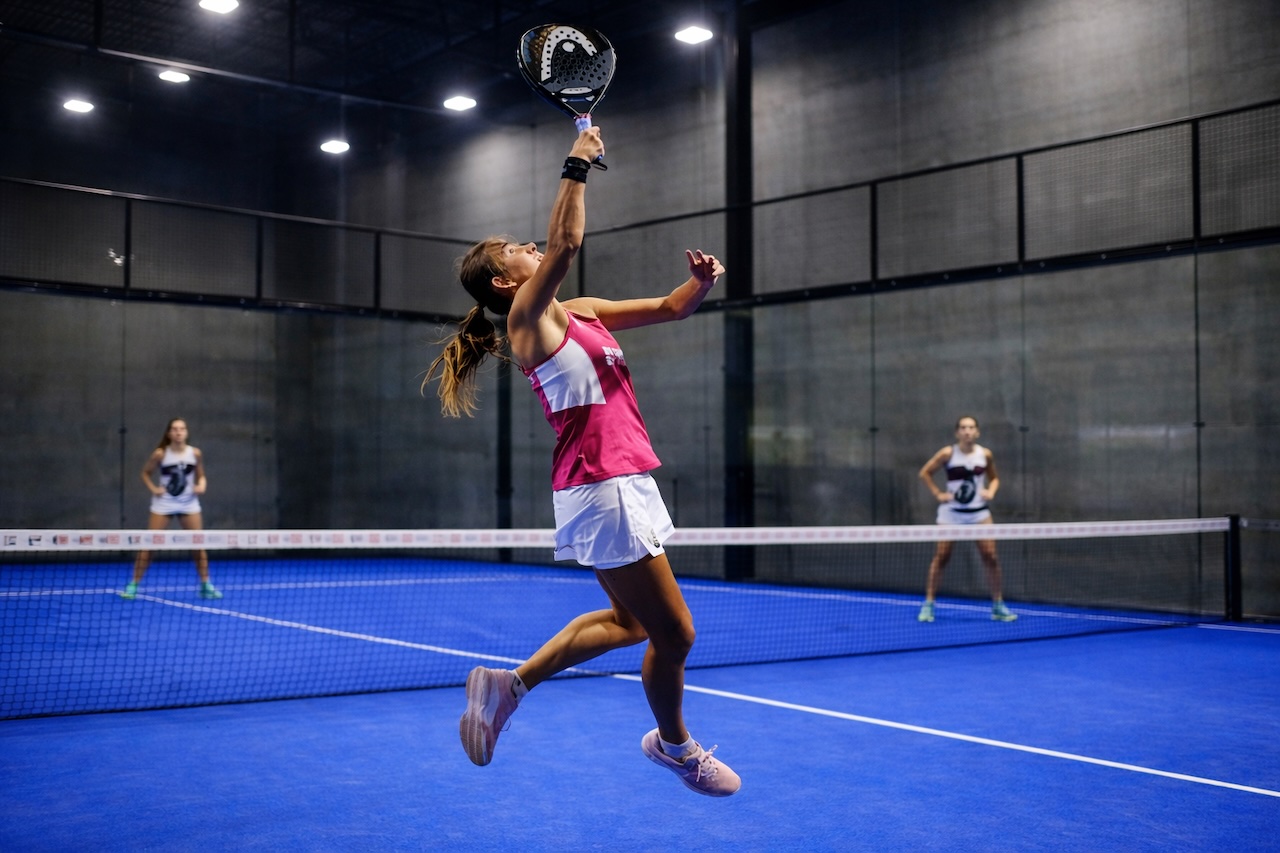
The gancho: the backhand overhead that catches everyone off guard
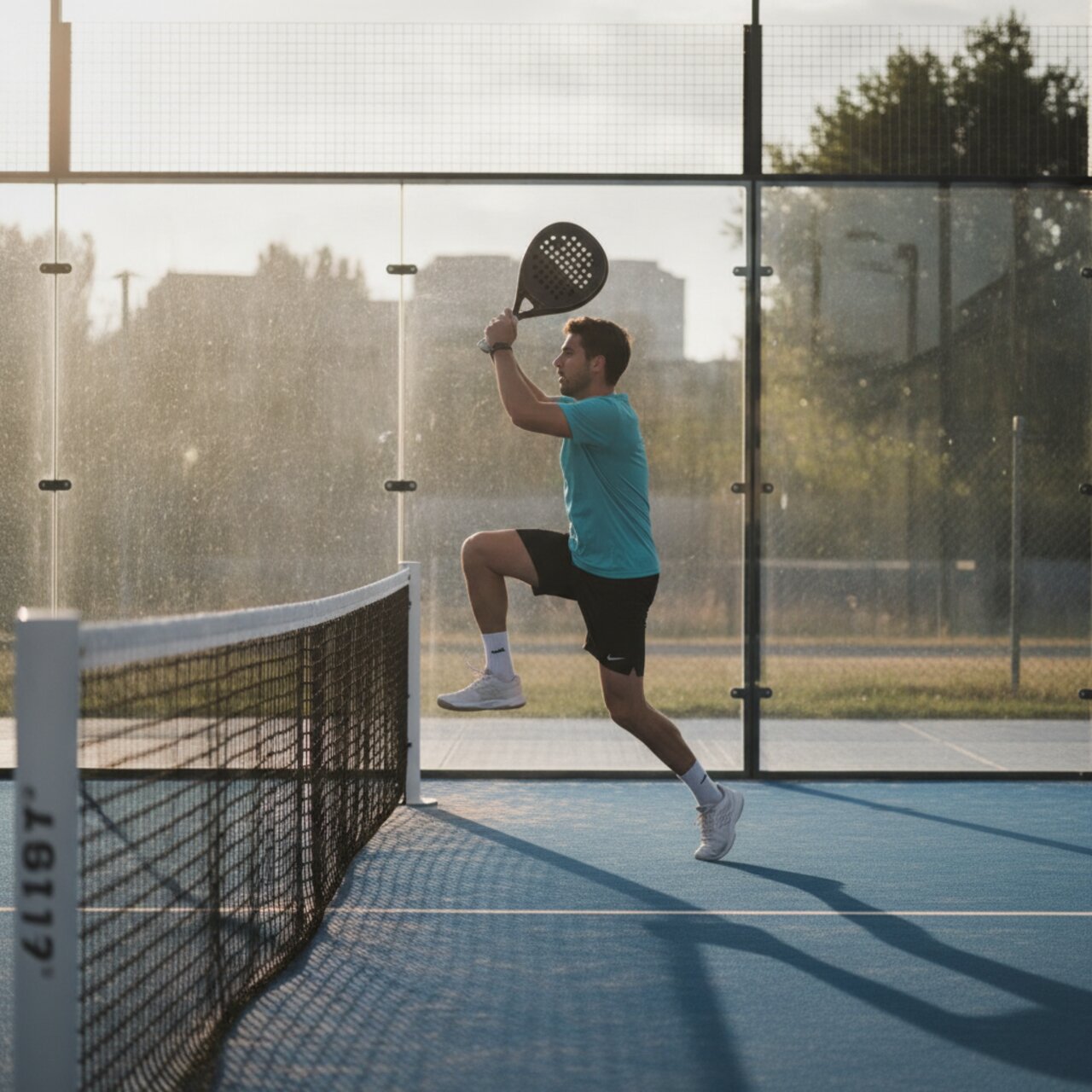
A lob comes to your backhand side. You don’t have time to turn around and hit a forehand smash. What do you do? This is where the gancho lives. It’s an overhead shot hit from the backhand side with a hooking motion over your head. Think of it as a boxing uppercut, but aimed at a padel ball above you.
You’ve probably seen it on the World Padel Tour and thought “no way I can do that.” You can. Let’s break it down.
What is the gancho?
The gancho (Spanish for “hook”) is an attacking overhead shot played from the backhand side. Instead of fully turning to hit a forehand smash — which sometimes you just can’t do in time — you bring the racket behind your head and swing through with a semicircular motion.
It’s closely related to the víbora in terms of court position, but the mechanics are different. The víbora uses side-spin and slice. The gancho is flatter or with topspin, looking for power and depth.
When to use it
- Lob to your backhand with no time to turn: the classic gancho situation. The ball arrives and you can’t get into a forehand position.
- To surprise the opponent: if you always play a bandeja or víbora in this spot, a powerful gancho catches them off guard.
- When you want to attack from the backhand side: the backhand bandeja is more defensive. The gancho lets you be aggressive.
- If you play the right side of the court: right-handers on the deuce side get tons of lobs to the backhand. The gancho becomes essential.
- To pressure without losing the net: a solid gancho lets you attack and stay in an offensive position.
How to execute it step by step
1. Setup
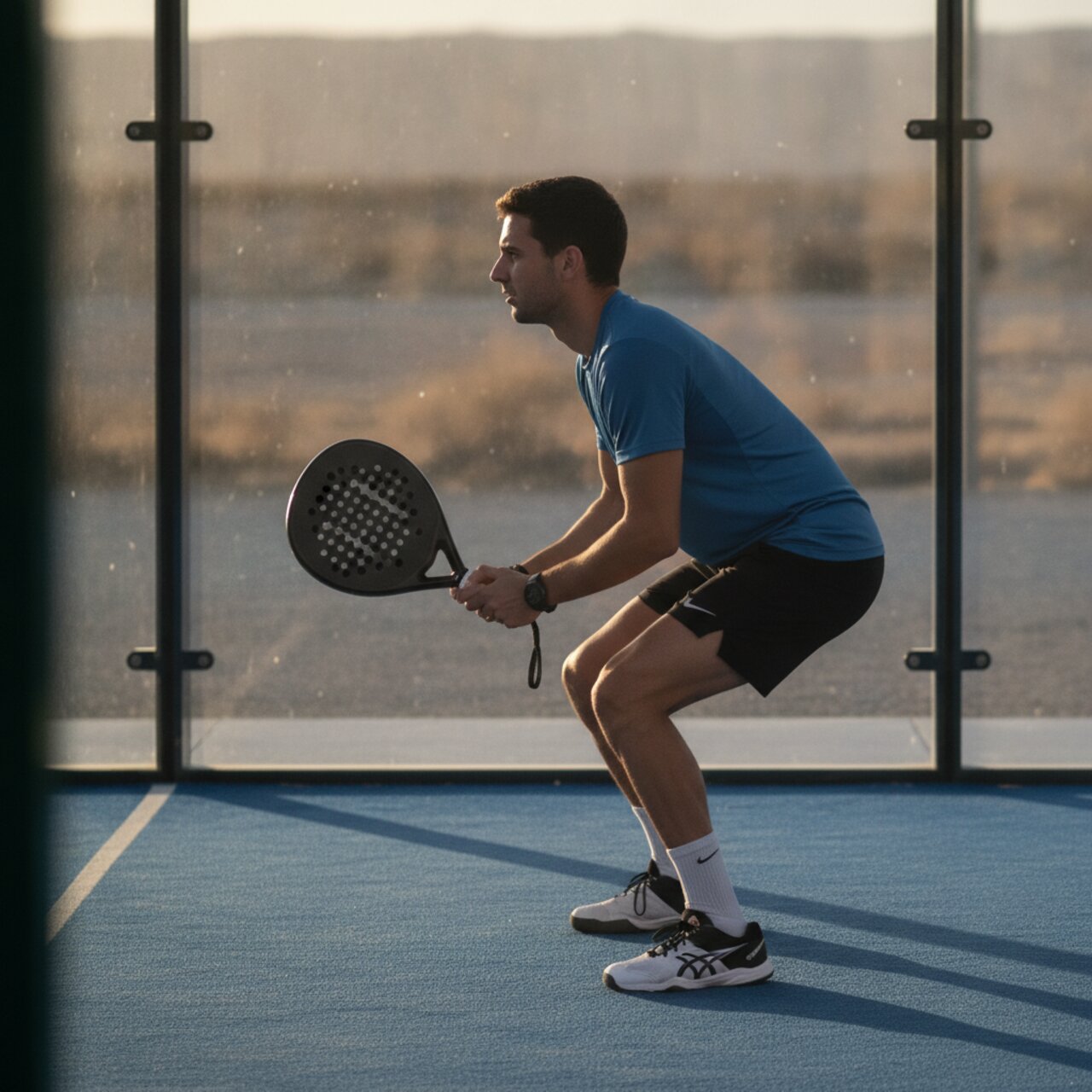
- You don’t need to fully turn. That’s the whole point. Stay in a semi-frontal position.
- Bring the racket behind your head on the backhand side. Elbow points up.
- Continental grip or slightly closed. Not a forehand grip — that’ll wreck your wrist angle.
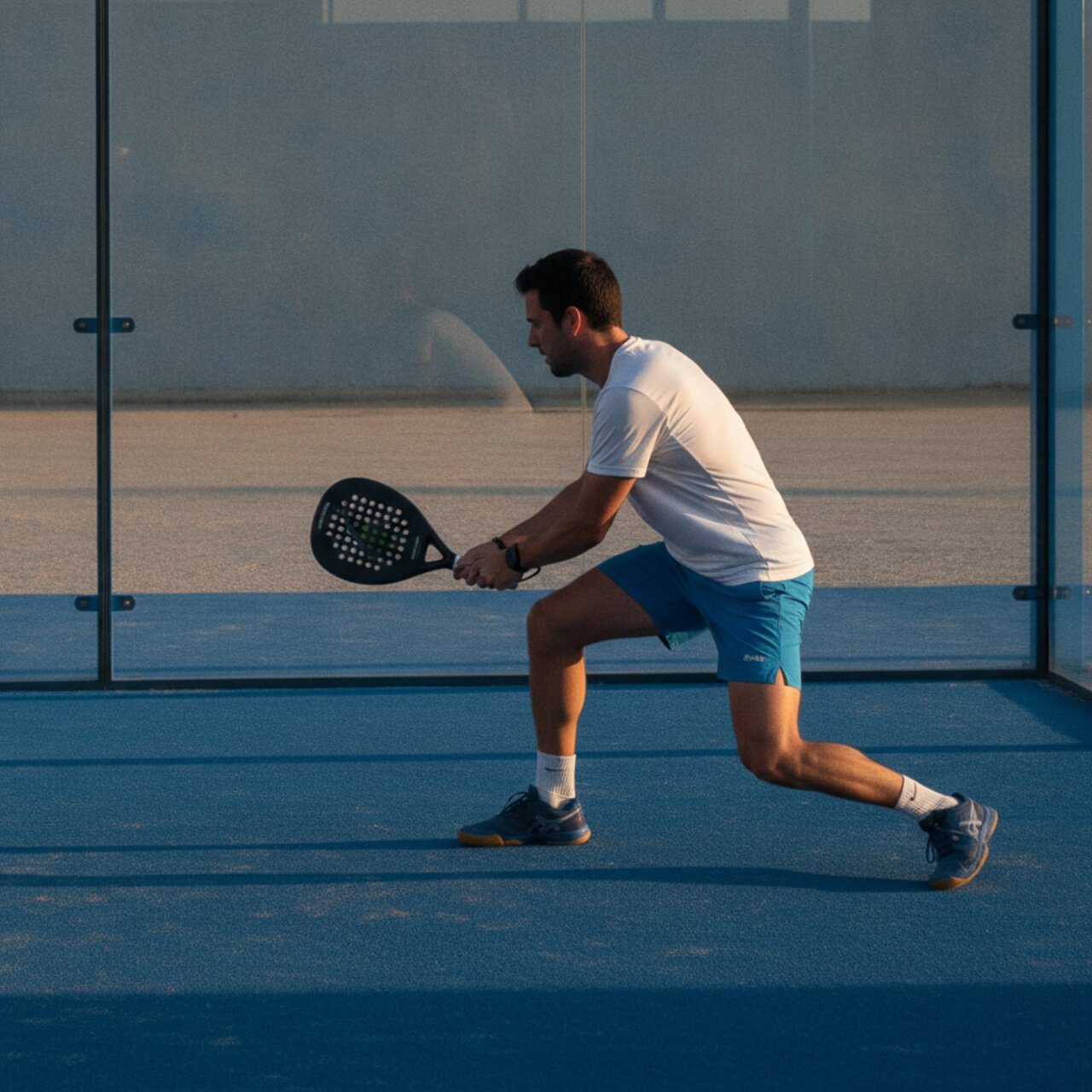
- Bend your knees. You need leg drive for power.
- Track the ball with your free hand, same as any overhead.
2. The stroke
- The motion is semicircular: racket travels from behind to in front, arcing over your head.
- Contact the ball above and slightly in front of your head. Don’t let it drop.
- Firm wrist at contact. Power comes from trunk rotation and leg push, not from flicking your wrist.
- You can go flat (more power) or with light topspin (more control and kick).
- Aim crosscourt or down the middle. The parallel gancho is trickier and riskier.
3. After the shot
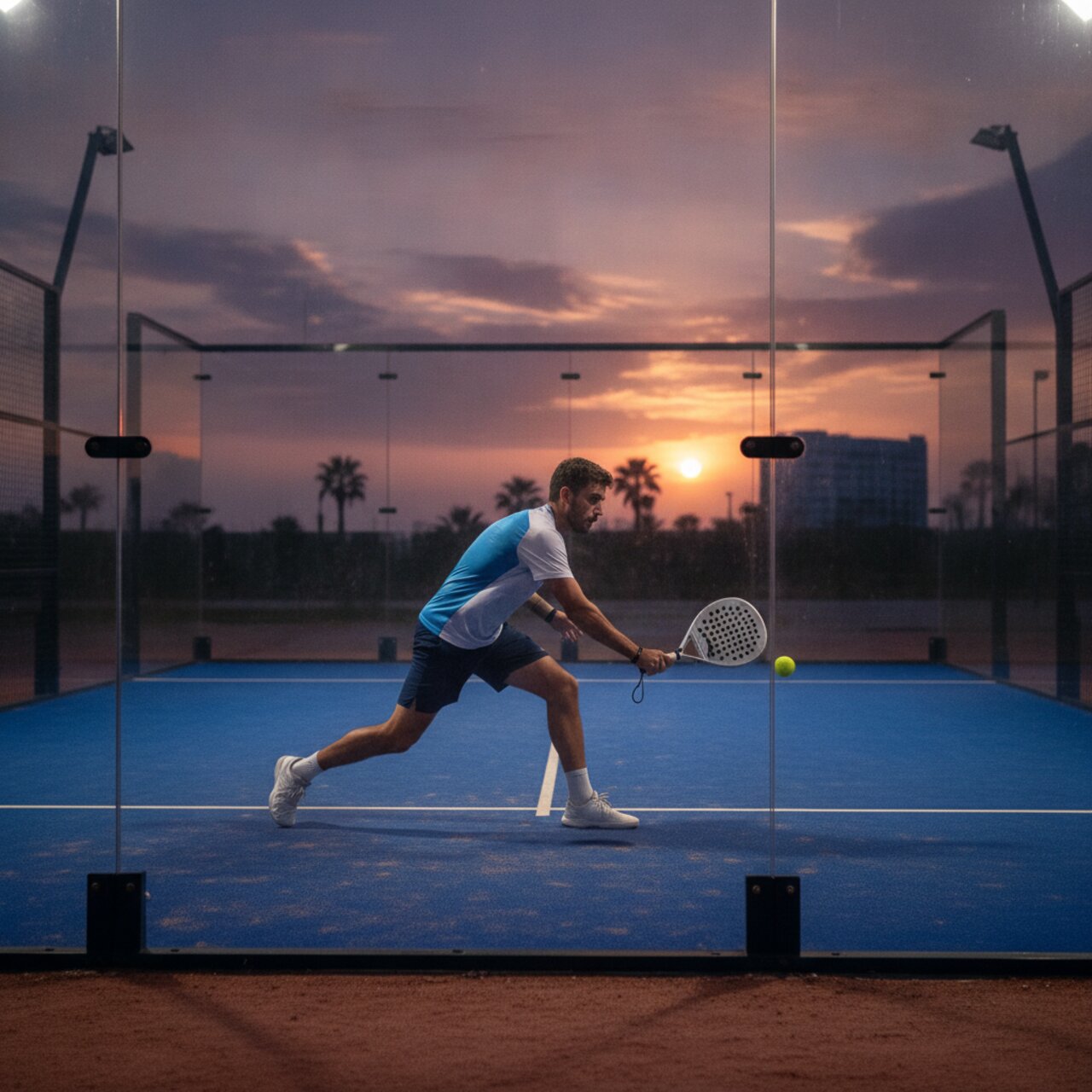
- Let your arm follow through naturally forward and down. Don’t brake the motion.
- Recover to the net fast. The gancho isn’t always a winner, so get ready for the next ball.
- Coordinate with your partner to cover the side you’ve left open.
Common mistakes
| Mistake | Result | Fix |
|---|---|---|
| Trying to turn for a forehand | You arrive late and off-balance | If there’s no time to turn, commit to the gancho |
| Hitting with arm only | No power, easy ball for the opponent | Use trunk rotation and leg drive |
| Forehand grip | Impossible angle, strained wrist | Switch to continental grip |
| Contacting the ball too low | Shot goes into the net | Hit at the highest point, don’t wait |
| Standing still after the shot | Opponent counters easily | Get back to the net immediately |
Advantages
- ✅ Solves backhand lobs without turning — the quickest response when time is short
- ✅ Offensive shot from a defensive position: turns a problem into an opportunity
- ✅ Hard to read because the swing is compact and doesn’t telegraph the direction
- ✅ Complements the víbora and bandeja, and having all three makes you unpredictable
- ✅ Essential for right-side players — you’ll face tons of backhand lobs
Risks
- ⚠️ Less power than a forehand smash because the biomechanics limit how hard you can hit
- ⚠️ Technically demanding: timing needs to be spot on
- ⚠️ Shoulder injury risk if you use poor technique repeatedly
- ⚠️ A bad gancho floats — a weak one with no pace is a gift for the opponent
Recommended videos
The best YouTube tutorials for mastering the gancho:
- ¿Cómo hacer el gancho de manera correcta? — Alto Padel
- 5 Gancho tips for beginners — Padelable
- ¡Por qué necesitas el gancho! Padel smash — The Padel School
- Aprende padel — El gancho — Maxi Castellote
- Should you use the gancho in padel? — Otro Nivel Padel
Pro tip
The gancho doesn’t replace the víbora or the bandeja. They’re complementary shots for similar but not identical situations. Learn all three and pick based on context. See where each fits in the complete shot arsenal.
Log your matches on padellog and find out which overhead shots you’re relying on most.