By Mario GonzalezStrategy
Iconic Padel Pairs and Why They Worked
Iconic padel pairs share the same structure: one builder, one finisher, a settled side. Here is what really made the great pro partnerships work on court.
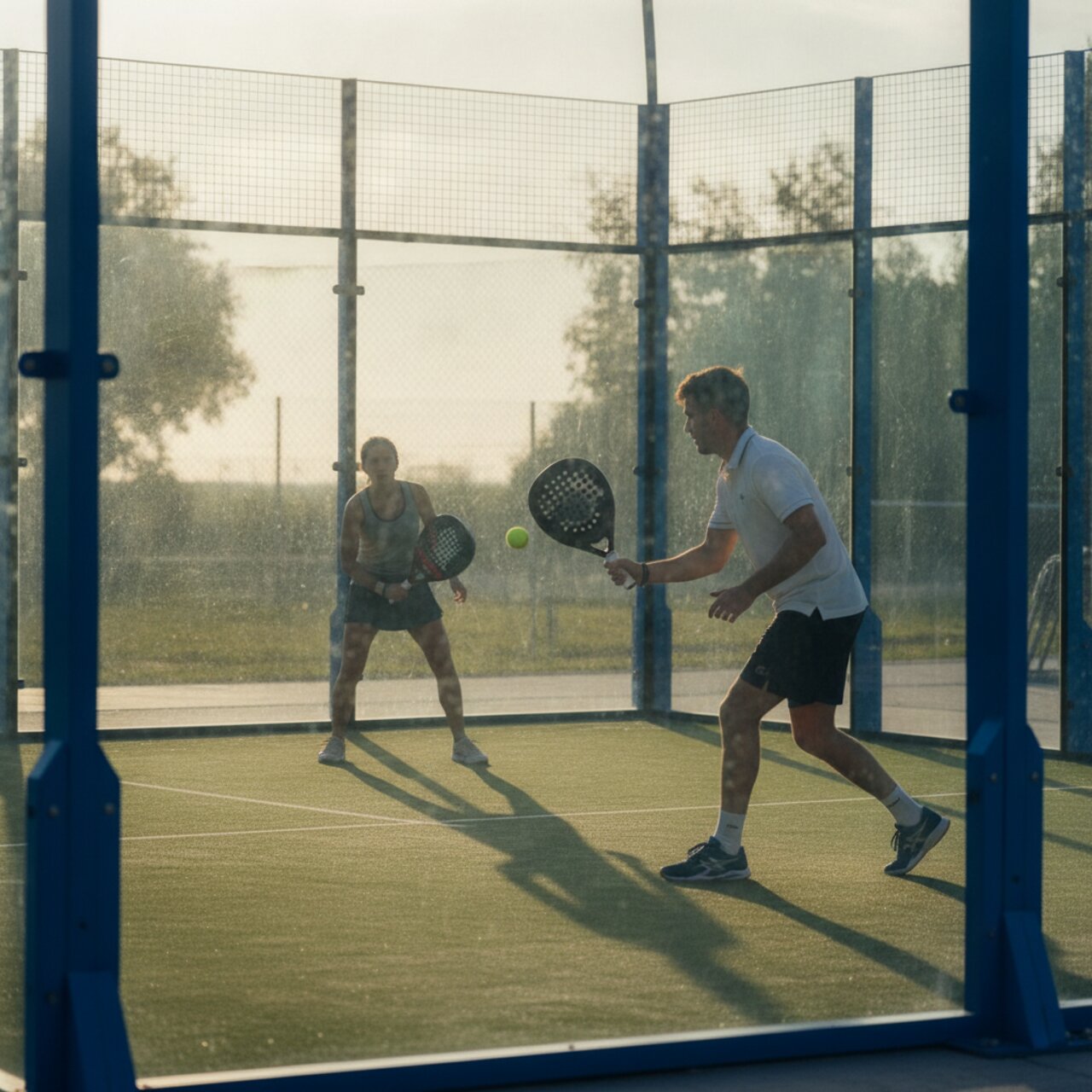
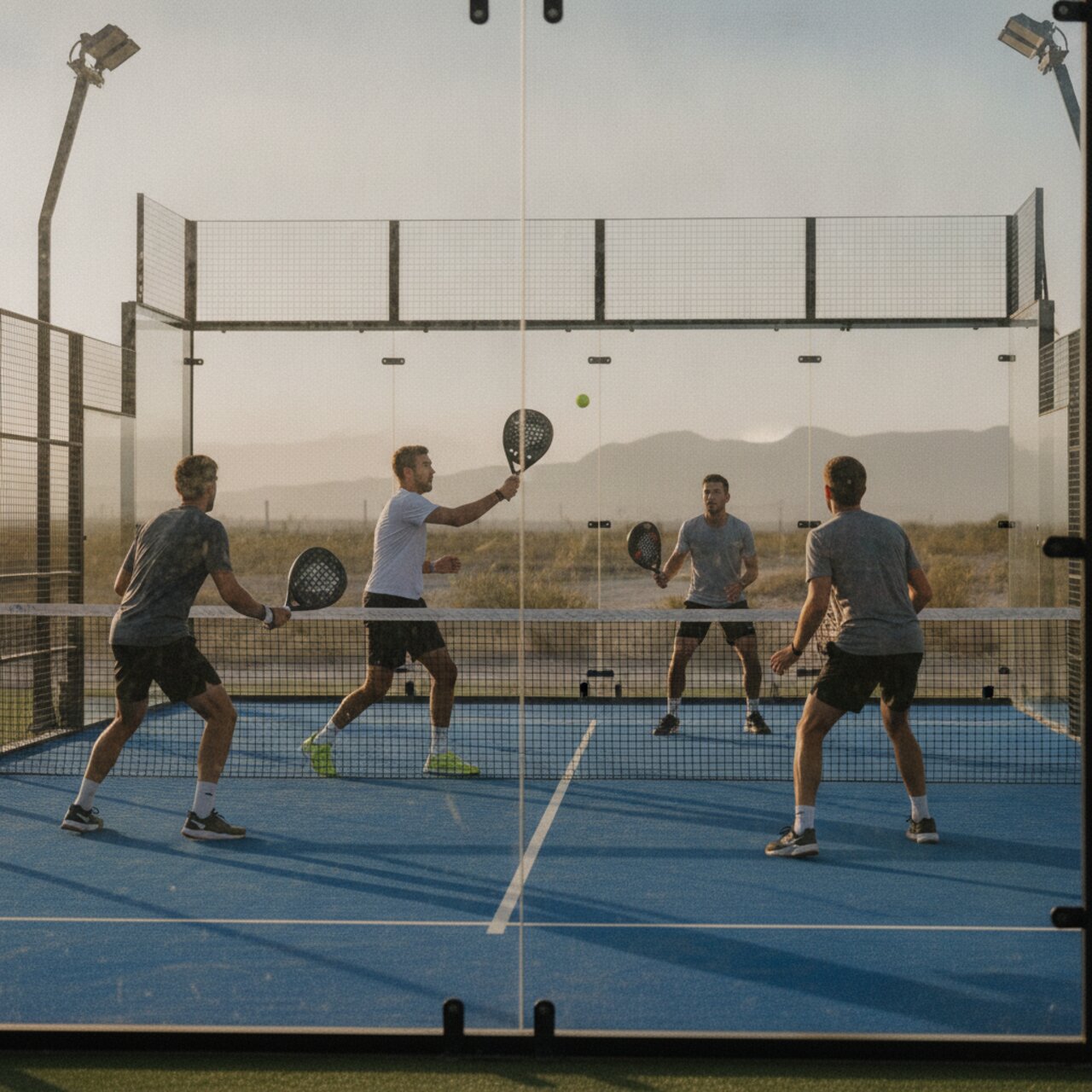
The iconic padel pairs of the last twenty years look nothing alike on paper. One had a shotmaker next to a competitor who never missed. One had two of the biggest hitters the sport has produced. One has a 19-year-old power athlete next to a left-court magician. What they share is not a style, it’s a structure: each player knew which balls were his, and neither of them wanted the other’s.
That structure is the whole game. Talent stacks badly in padel — two brilliant players who want the same ball produce fewer winners than one brilliant player and one who feeds him. Looking at how the great partnerships divided the court is the fastest way to understand what your own pair is getting wrong.
What actually makes a padel pair work
Three variables decide almost everything, and only one of them is technical.
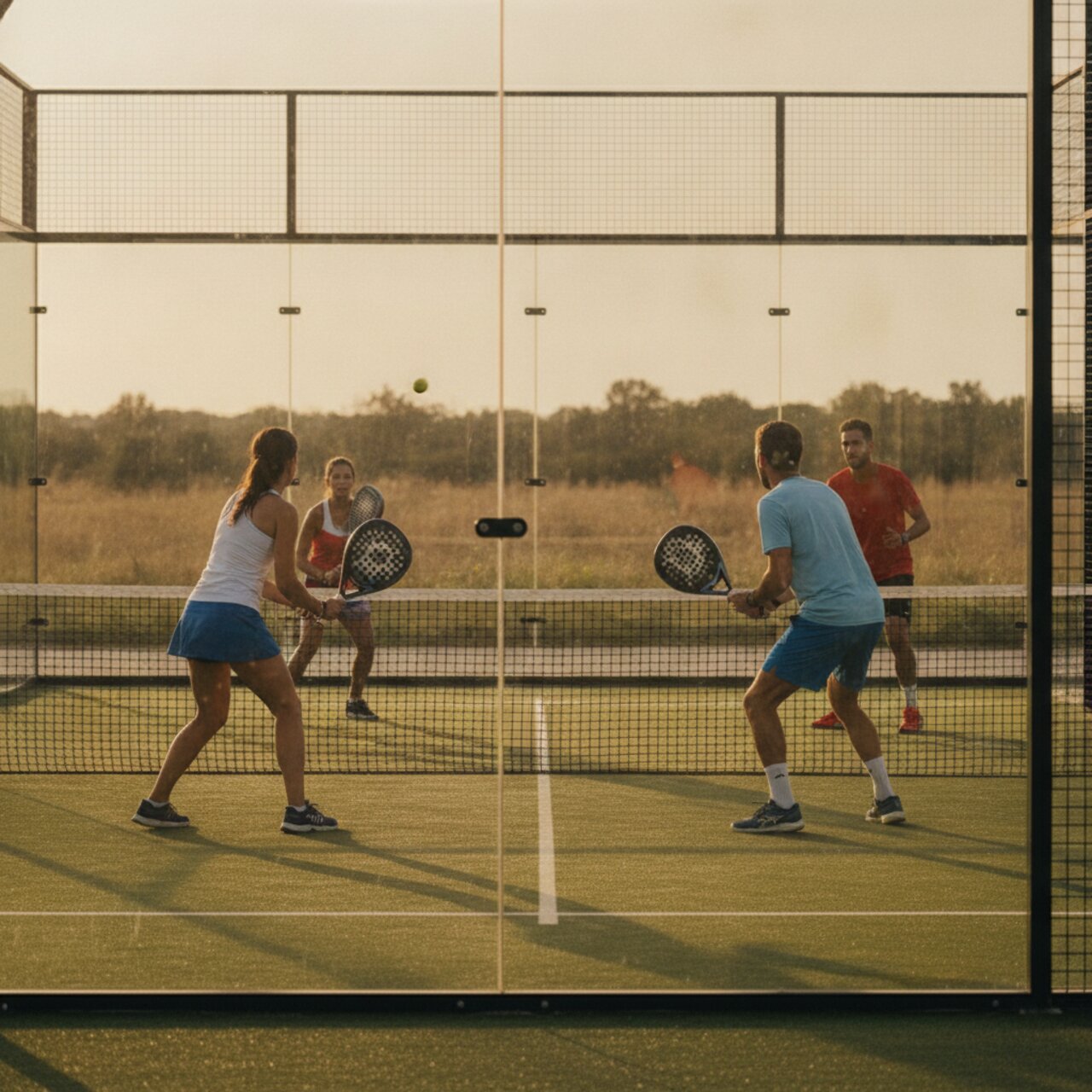
The first is side fit. Somebody plays the left, somebody plays the right, and the pair that keeps arguing about it never builds anything. If you’ve never formally settled this, the left side versus right side breakdown is where to start, because most club pairs have two players quietly assuming they’ll get the side they prefer.
The second is role hierarchy. Padel points have a builder and a finisher. The builder keeps the ball uncomfortable, drags the rally out, and waits for the loose reply. The finisher takes it. Pairs collapse when both players think they’re the finisher, and stagnate when both think they’re the builder.
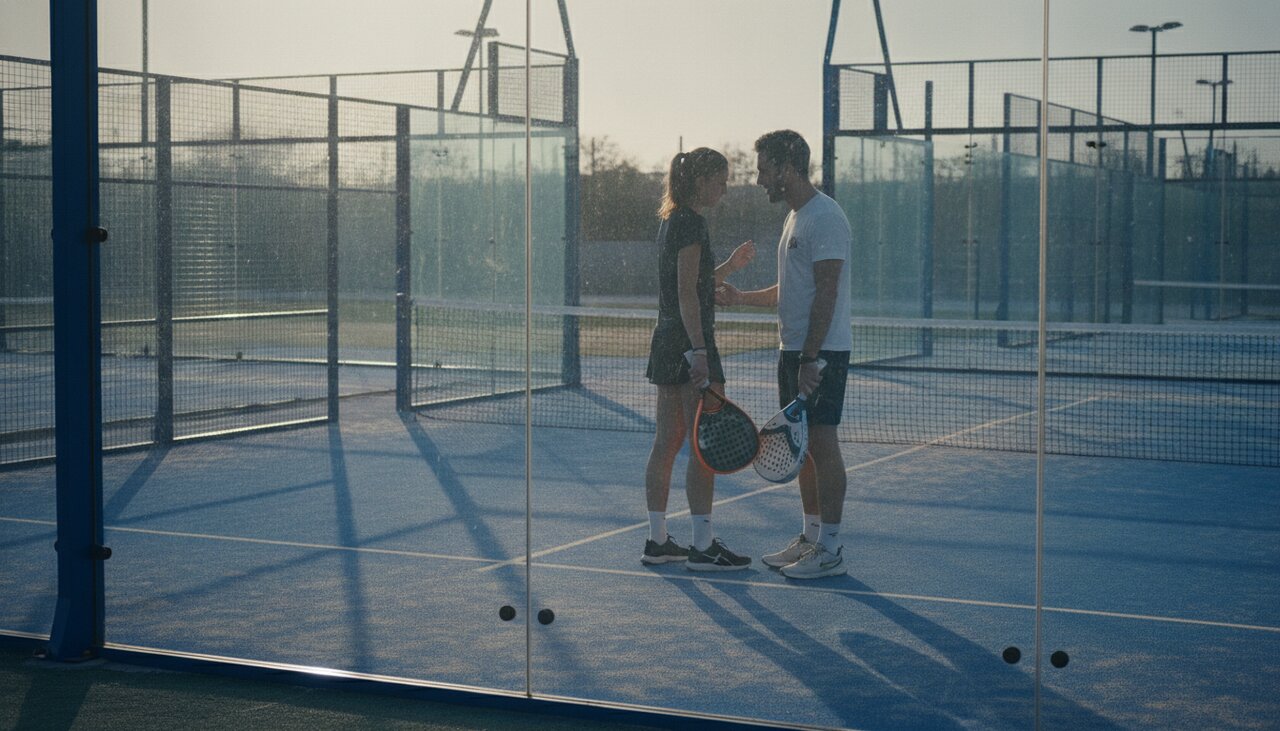
The third is temperament, which nobody tracks and everybody feels. Two players who tighten up under pressure lose the same close matches over and over. A pair usually needs one person whose head stays flat when the score gets ugly.
The blueprint: one builder, one finisher
Belasteguín and Juan Martín Díaz
The pair that defined the modern sport held the world No. 1 spot together for most of a decade. Fernando Belasteguín played the left, Juan Martín Díaz the right, and the division was almost cartoonishly clean. Díaz was the artist — the touch, the angles, the shots nobody else was attempting. Belasteguín was the competitor who did not give a point away, chased every ball, and made the opposition play one more shot than they wanted to.
Neither would have dominated with a copy of himself. Two Díaz-type players would have produced a beautiful pair that lost tight matches on unforced errors. Two Belasteguín-type players would have won a lot of rallies and finished almost none. Together they covered a full point from first ball to last.
Belasteguín rebuilt the same structure years later with Pablo Lima on the right and went back to the top. The parts changed, the shape did not.
Sanyo Gutiérrez and Maxi Sánchez
Sanyo and Maxi reached No. 1 in the World Padel Tour rankings in 2018 with the sharpest role split of their era. Sanyo, on the left, had hands nobody could match and a habit of turning defensive positions into attacking ones with a single shot. Maxi brought weight from the right — the physical presence, the aggressive volleys, the willingness to be the one who ended things.
Watch old matches of theirs and you can predict which player will hit the last ball of a rally roughly nine times out of ten. That predictability was a feature. Neither player had to make a decision about whose ball it was, which meant neither hesitated in the middle of the court.
Galán and Chingotto
The current version of this idea is the pairing of Alejandro Galán and Federico Chingotto. Chingotto is one of the smaller players in the top ten and plays like it in the best sense: he absorbs pace, neutralises attacks, and keeps points alive from positions where the rally should already be over. Galán is a full-size athlete with a smash that finishes anything short.
The pair works because Chingotto is genuinely content to play the ball that sets up someone else. He isn’t a diminished attacker; he’s a specialist at the other job. That distinction matters, and it’s the one most amateur pairs get backwards.
When two finishers share a court
Alejandro Galán and Juan Lebrón were the exception that tests the rule. Two of the most aggressive players in the sport played together and finished as the world’s No. 1 pair three years running, from 2020 through 2022. Neither was a natural builder. Both wanted the overhead.
It worked because their aggression was synchronised — when both are attacking the same target at the same moment, the opposition faces two finishers and no let-up. It’s the most punishing style in padel while it’s on. The cost is variance. A pair with two finishers and no natural reset has fewer ways to survive a bad afternoon, and when the intensity of the two players drifts out of phase, the partnership stops covering for itself.
If your regular pair is two attackers, that’s not automatically wrong. It does mean you need an explicit agreement about who resets when the point goes bad, because neither of you will do it by instinct.
Temperament: the variable nobody tracks
Alejandra Salazar and Gemma Triay held the top of the women’s game across 2021 and 2022 with a pairing built as much on personality as on shots. Triay, on the left, is one of the best point-organisers in the sport — her value is shot selection rather than raw power. Salazar brought the experience and the flat competitive head, the player who behaves the same at 5-1 up and 1-5 down.
The counter-example is instructive too. Mapi and Majo Alayeto, identical twins, spent years near the top as an inseparable pair with communication no other partnership could match. Chemistry that good buys you consistency — very few flat performances, very little on-court friction. What it doesn’t automatically buy is a higher ceiling. Getting along is a floor, not an accelerator.
Most club pairs have this backwards. They pick partners by friendship and then wonder why the results don’t follow, which is exactly the gap that pair-by-pair win rates expose the moment you start logging them.
The modern template: Coello and Tapia
Arturo Coello and Agustín Tapia are the cleanest current example of the builder-finisher split, and the numbers are extreme. Across the 2025 and 2026 seasons our match database has them at 139-13, with only three defeats before a final in more than thirty tournaments.
Tapia, on the left, builds — the low bandeja that pins the opposition deep, the chiquita, the change of pace that stretches a rally three shots past where the opponents wanted it to end. Coello closes from the right, and he closes from positions most players can’t physically reach.
The detail worth stealing is that Coello knows precisely which ball is his. He isn’t fighting Tapia for the middle. The full statistical breakdown of that partnership shows up as an absence in the data: they’re almost never blown off the court, because they don’t donate the unforced errors that come from two players reaching for the same shot.
Three rules the great pairs share
Sides get settled once, not weekly. Every partnership on this list had a fixed left and a fixed right for years at a time. Rotating sides every Thursday means neither player ever builds the shot library their position demands.
The finisher is named in advance. Not by ego, by fit — usually the better overhead and the better athlete. The other player’s job is to make that person’s life easy, and doing it well is a skill, not a demotion.
Someone stays flat under pressure. If both of you spiral at 4-4 in the third, you will keep losing the same matches. Decide beforehand who talks between points when it gets tight, which is what structured partner communication is actually for.
Testing this in your own pair
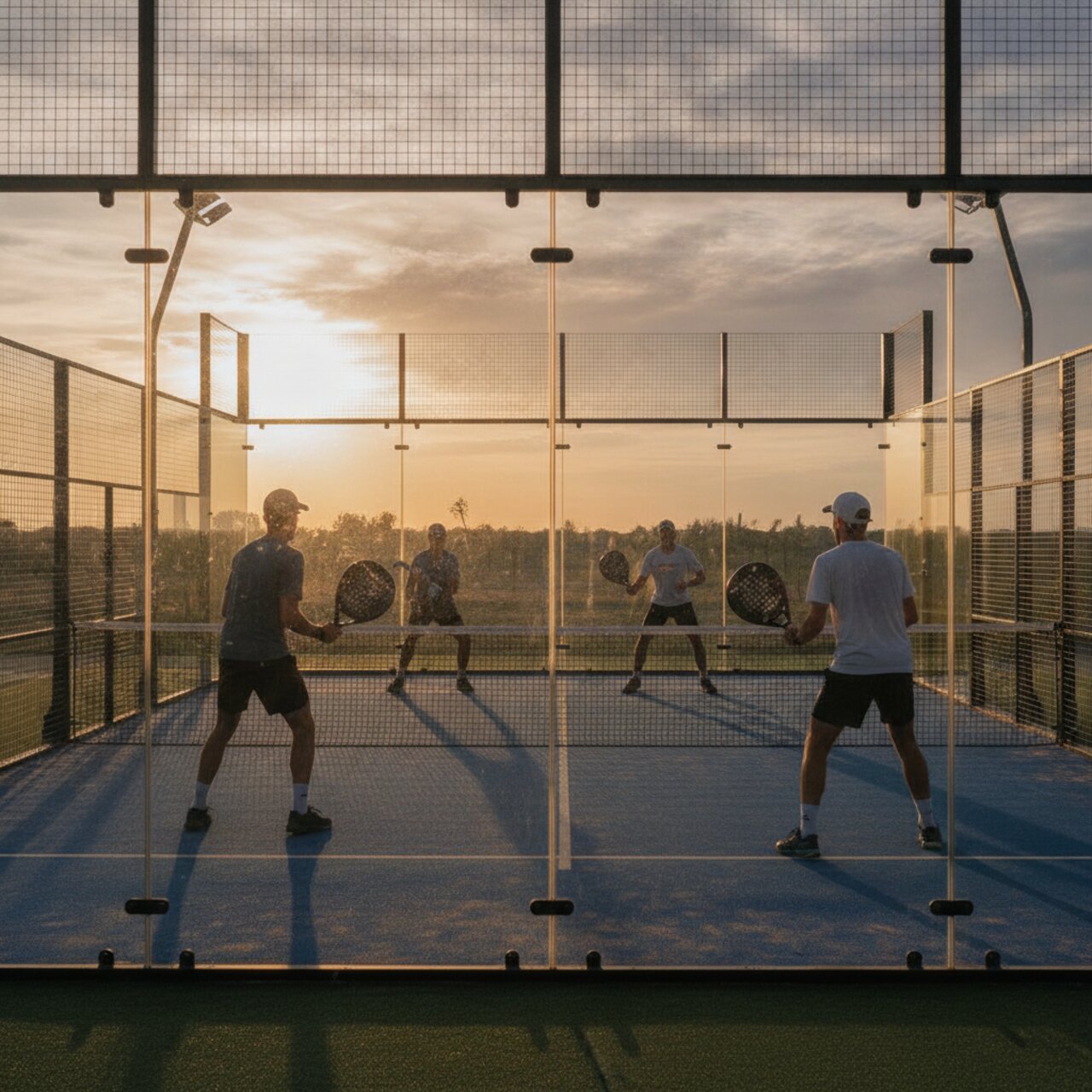
Play one set where you name the roles out loud before the first serve. One of you is the builder for the whole set: no attempting winners from below net height, no cutting off a ball that’s travelling towards your partner’s strike zone. The other finishes. It feels artificial for about four games, then the court gets noticeably quieter.
Then run a second set with the roles swapped. Most pairs discover the fit is obvious in one direction and awkward in the other, and that answer is worth more than any drill.
The third test is the reset agreement. Pick a phrase — anything — that means “this point is not ours, we’re going back to neutral.” Two attackers especially need it, because without it both of you will keep hitting your way out of a rally you’ve already lost.
None of this requires you to be Coello. It requires you to stop being two players hitting shots on the same court at the same time. If you want to watch the split in real time, the players worth following in 2026 is a shortlist of who to study, and the giveaway is always the same: watch which player takes the last ball, and count how often you were right.