By Mario GonzalezEquipment
Padel Racket Protectors: Are They Worth It? Frame Protection Guide
A straight answer on whether padel racket protectors are worth it, the frame protection options that work, what they cost, and when the tape does more harm.
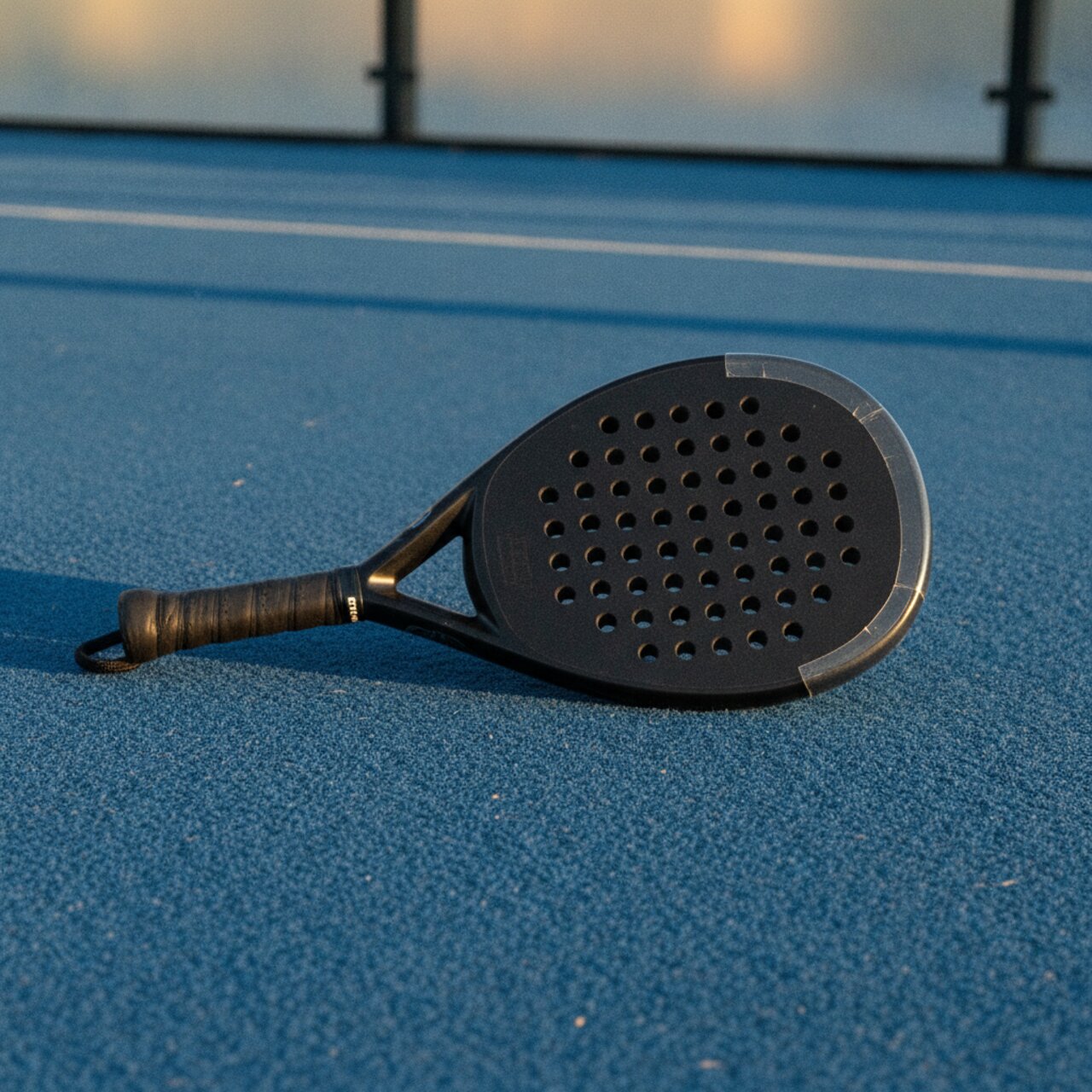
Ask ten padel players whether a padel racket protector is worth it and you’ll get five who swear by them and five who think they’re a waste of money that ruins the balance of the pala. Both camps are partly right. A protector won’t save a racket from a cracked frame, and it won’t make you play better. What it does is take the small, repeated scrapes that would otherwise wear a hole in your frame edge, and for a €150 racket that adds up to real money saved.
Here’s the honest breakdown: what protectors actually protect against, the options that exist, what each one costs and weighs, and the specific situations where fitting one is smart versus where it’s pointless.
What a Padel Racket Protector Actually Does
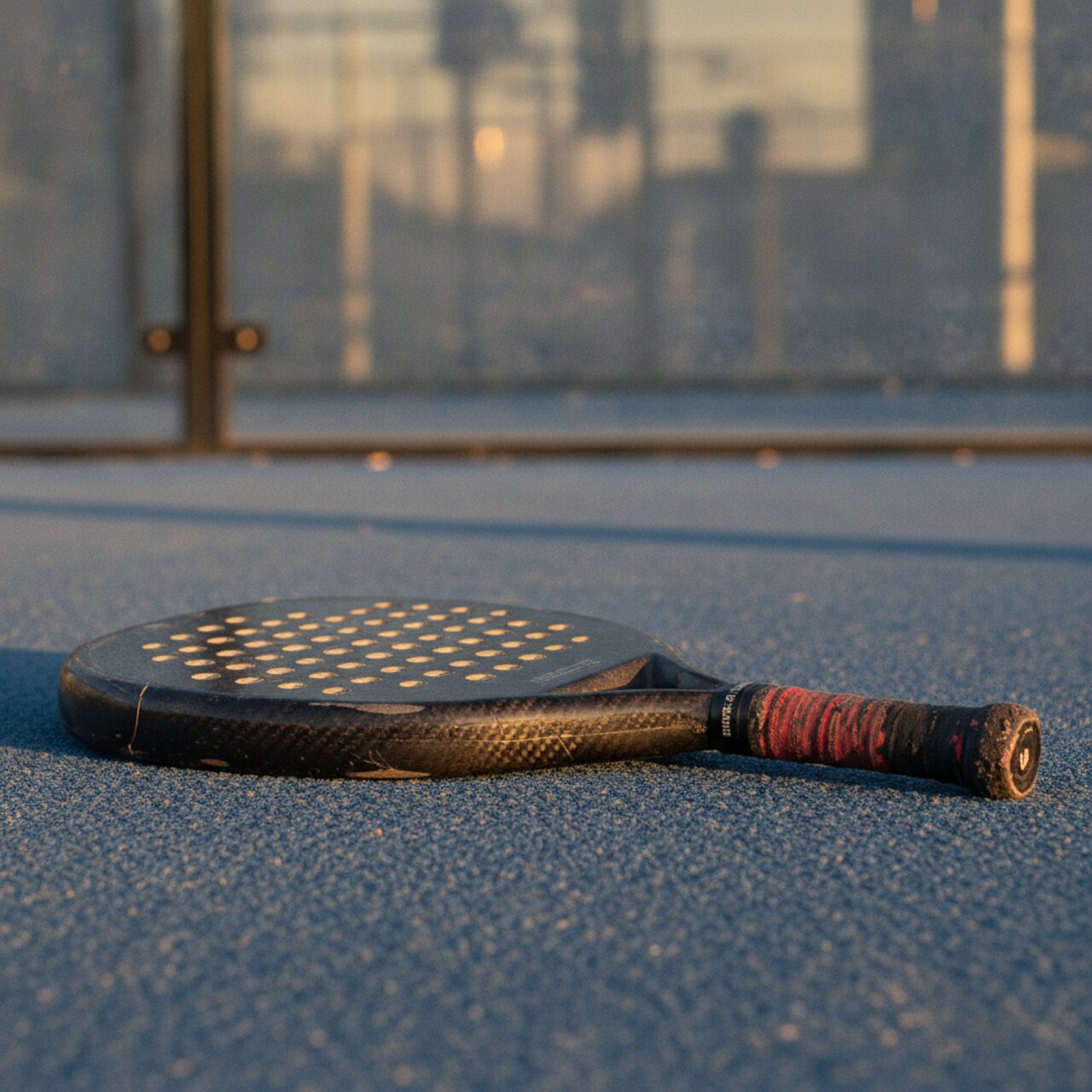
The protector guards the single weakest and most exposed part of the racket: the top edge of the frame. Almost every player scrapes that edge at some point, whether digging a low ball off the court surface, clipping the glass on a defensive volley, or catching the metal post frame near the net.
That top rim is where the carbon or fiberglass face wraps around the foam core. Once you grind through the factory bumper guard and start eating into the frame itself, you expose the core and the layer bonds. That’s the beginning of a crack, and a crack through the frame is the one kind of damage you can’t repair on a padel racket. A protector adds a sacrificial layer on top of the bumper so the abrasion happens to a €6 strip of tape instead of your frame.
What it does not do is protect against impact cracks from mishitting off the frame, structural fatigue in the core, or scrapes to the flat face of the racket. Those failures come from play and time, and no adhesive strip prevents them. If your racket died from a dead core or a rattling handle, a protector was never going to help.
Who Actually Needs One
Not everyone should run out and tape their frame. The value depends entirely on how and where you play.
You’ll benefit if you play mostly outdoors on gritty or sand-dusted courts, if you’re a defensive player who digs a lot of low balls off the surface, if you scrape the glass often, or if you’re a beginner or improver still catching the frame on the ground during low volleys and bandejas. These players wear through a bumper guard in a few months.
You probably don’t need one if you play almost entirely on clean indoor courts, you rarely scrape the surface, and you upgrade rackets frequently anyway. For a clean-court player who changes pala every season, a protector solves a problem you don’t have and just adds weight to the head.
The other honest factor is the racket’s value. Protecting a €250 premium pala makes obvious sense. Taping a €40 beginner racket you’ll outgrow in six months is harder to justify, though even there a strip of cheap tape can keep a starter racket presentable for resale.
Frame Protection Options Compared
There are four practical ways to protect a padel racket frame, and they’re not interchangeable.
Adhesive Protector Tape
The most common option. A strip of transparent or colored polyurethane tape, usually 20-40 cm long, that you stick along the top edge of the frame over the existing bumper. It’s cheap, light, replaceable, and the standard choice for most players.
Best for: almost everyone who wants basic edge protection. Weight added: roughly 3-8 grams depending on length and thickness. Price range: €4-10 for a strip or a multi-pack. Downside: cheap tape peels at the edges once it picks up court grit, and applying it badly traps air bubbles.
Factory Bumper Guard (Replacement)
Every racket ships with a bumper guard clipped or glued along the top rim. This is your first line of defense, and on many rackets it’s replaceable. When it wears down to the carbon, swapping the whole guard restores full protection rather than layering tape over a worn one.
Best for: players whose racket brand sells replacement guards, and anyone whose original guard is already ground down. Weight added: none beyond original, since it replaces existing weight. Price range: €5-15 for a compatible guard. Downside: not all brands sell them, and fitting some glued guards is fiddly.
Gel or Foam Protector Strips
A thicker cushioned strip, sometimes gel-filled or dense foam, that absorbs a harder knock rather than just resisting abrasion. Less common, aimed at players who take genuine impacts against posts and glass, not just surface scrapes.
Best for: aggressive defensive players and anyone who regularly clips hard structures. Weight added: 8-15 grams, enough to shift the balance noticeably. Price range: €8-15. Downside: the extra head weight changes how the racket swings, which many players dislike.
Corner and Tip Protectors
Small targeted pieces that cover only the two upper corners and the very tip, the points that hit the ground first. A minimalist approach for players who want protection with almost no weight penalty.
Best for: weight-conscious players who scrape corners but not the whole rim. Weight added: 2-4 grams. Price range: €4-8. Downside: they only cover the corners, so a mid-rim scrape still hits the bumper directly.
The Weight Trade-off Nobody Mentions
Every gram you add above the geometric center of the racket raises the balance point toward the head. A head-heavy racket delivers more power and a more stable bandeja, but it swings slower and demands more from your wrist and shoulder over a long match.
For a light protector of 3-5 grams, most players won’t feel the difference in a blind test. Add a 12-gram gel strip to a racket that’s already head-heavy, and you’ll notice it in your smashes and your forearm by the third set. If you play with a control-oriented, evenly balanced pala and value quick hands at the net, keep the protector as light as possible or skip it.
The players who should care most about this are those already managing arm strain. If you’re dealing with tennis elbow or shoulder fatigue, adding head weight is the wrong direction, and edge protection isn’t worth aggravating an injury for.
How to Apply Protector Tape Correctly
A badly applied protector peels off within two sessions, so the application matters.
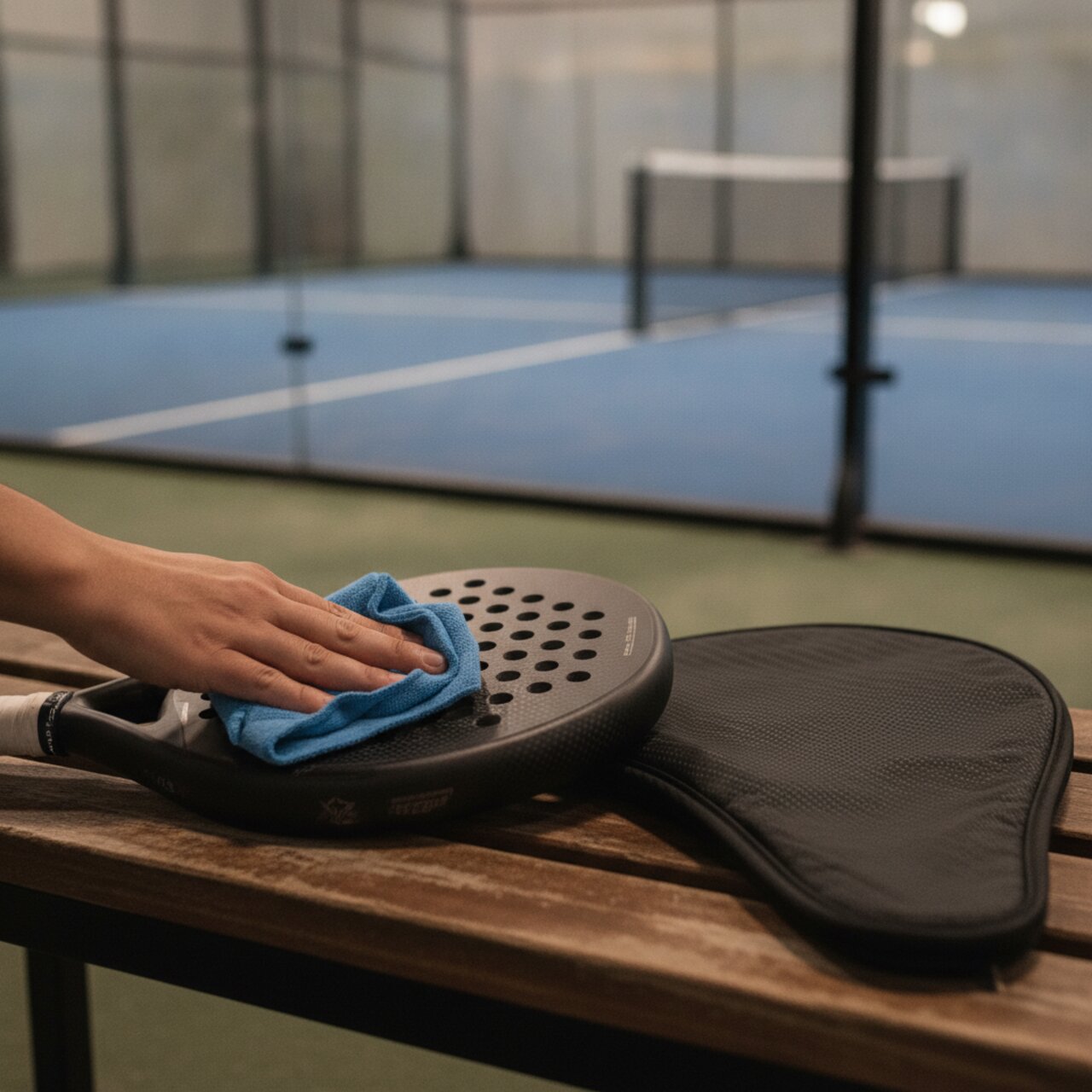
Start with a clean, dry frame. Wipe the top edge with a barely damp cloth to lift off dust and old grip residue, then dry it fully. Any grit under the adhesive creates a bubble that becomes a peel point. This is the same surface care that keeps the rough face coating working for spin, so it’s worth doing well.
Peel the backing gradually as you go rather than all at once. Start at the throat on one side, press the tape down along the rim following the curve, and work toward the tip and down the other side. Push out air bubbles with your thumb as you move, don’t stretch the tape tight, and let it follow the frame’s natural curve.
Press the whole strip firmly for 30 seconds once it’s positioned, paying attention to the ends, which lift first. Leave it a few hours before playing if you can, so the adhesive cures. Replace the strip when it’s ground through or the edges start peeling, usually every one to three months of regular play.
Protector vs Protector Tape vs Nothing
| Option | Weight added | Cost | Protection level | Best for |
|---|---|---|---|---|
| Nothing (factory bumper only) | 0g | €0 | Baseline | Clean indoor courts, frequent upgraders |
| Corner protectors | 2-4g | €4-8 | Corners only | Weight-conscious players |
| Adhesive tape | 3-8g | €4-10 | Full rim, abrasion | Most players, outdoor courts |
| Replacement bumper | 0g net | €5-15 | Full rim, restores original | Worn factory guards |
| Gel/foam strip | 8-15g | €8-15 | Full rim, impact | Hard scrapers, defensive players |
Frequently Asked Questions
Does a protector affect how the racket plays? A light tape strip of a few grams is imperceptible for most players. A heavy gel strip shifts the balance toward the head and you’ll feel it in swing speed and arm fatigue. Match the protector weight to how sensitive you are to balance.
Will a protector void my racket warranty? No. Protectors sit on the outside of the frame and don’t alter the racket structurally. Manufacturer warranties cover defects, not scrape damage, which a protector helps prevent anyway.
Can I use a protector on a rough-surface racket? Yes, but only along the frame edge, never across the hitting face. The protector goes on the rim, so it doesn’t touch the textured surface that generates spin on your víbora and smashes.
How often should I replace the tape? Inspect it when you clean the racket. Replace it once it’s ground through to the bumper underneath or the edges start peeling, typically every one to three months for regular play.
Is it worth protecting a cheap beginner racket? Marginally. The tape costs a fraction of the racket and keeps it tidy, but a beginner racket has less value to preserve. If you’re still choosing your first pala, our beginner racket guide matters far more than any protector.
So, are padel racket protectors worth it? For most players who train regularly, scrape courts, or play outdoors, yes. A €6 strip that saves the top edge of a €150 frame pays for itself the first time it takes a scrape your frame would otherwise have worn. For clean-court players who upgrade often, it’s an optional extra you can skip. Fit one for protection, not performance, keep it light, and replace it before it wears through. When the racket itself finally fatigues, the best padel rackets guide covers what to buy next.