By Mario GonzalezStrategy
Playing Your First Padel League Match: What to Expect and How to Prepare
Nervous about your first padel league match? Learn what to expect, how to prepare the week before, and how to handle nerves so you play your real game.
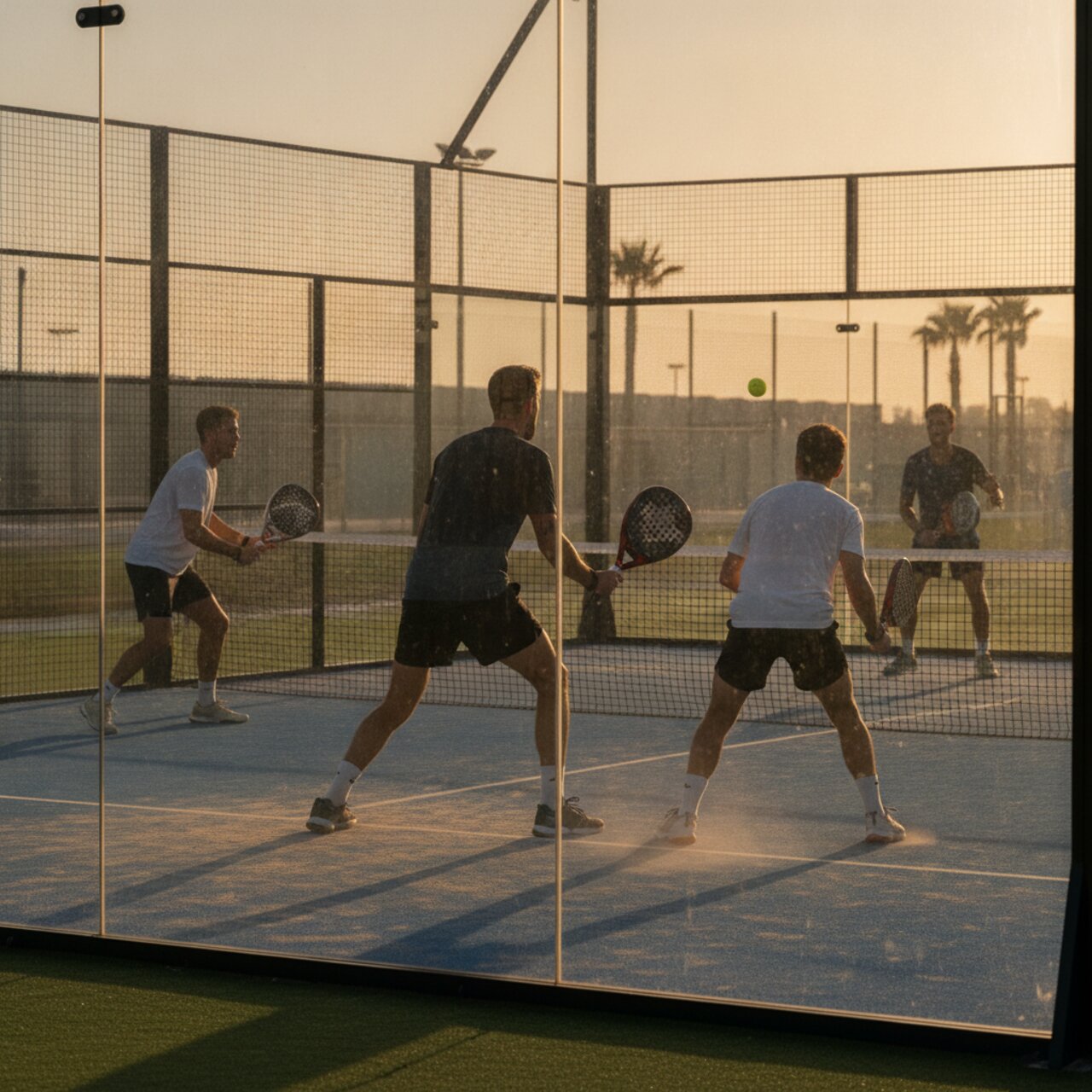
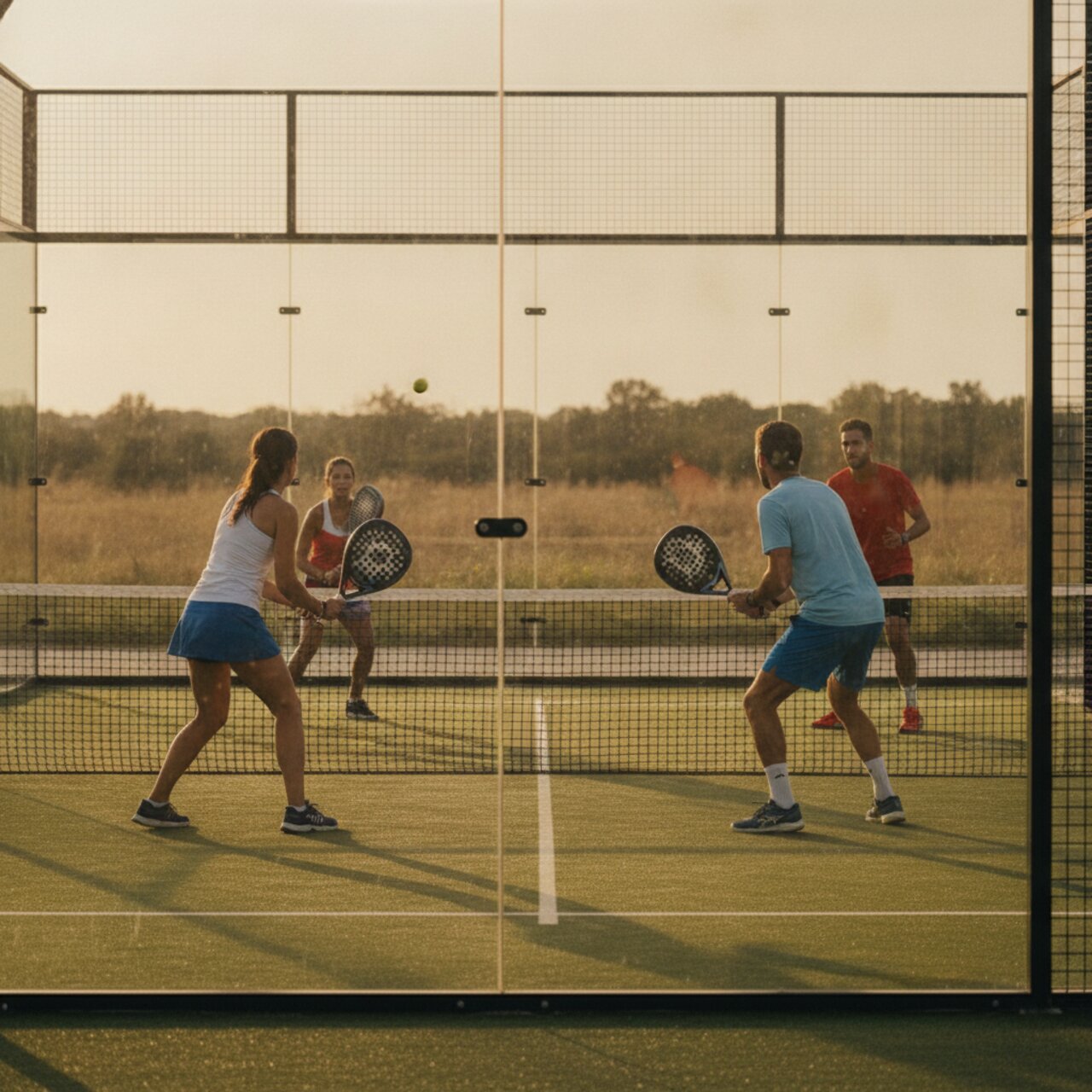
Your first padel league match feels different from any social game you’ve played. There’s a scoreboard that counts for a table, an opponent pair you’ve never seen, and usually a few people watching from behind the glass. Most players lose that first match not because they’re worse, but because the occasion makes them play a version of themselves they don’t recognize. Knowing what to expect and preparing properly turns that nervous energy into something you can use.
This is a guide to the whole thing: the week before, the warm-up, the first few games, and the mental side that decides more first matches than technique ever does.
What a League Match Actually Feels Like
Social padel and league padel share the same rules, but they don’t feel the same. In a friendly game, a bad point disappears in seconds. In a league match, every point sits on a scoreboard that affects your team’s standing, and that changes how your body reacts.
Expect three things you’re not used to. First, tighter arms. Adrenaline shortens your swing, so your normally reliable bandeja floats long and your volleys clip the top of the net. Second, faster decisions from your opponents. League pairs punish loose balls that social players let go. Third, a slower start than you’d like. Almost everyone plays their worst padel in the opening three or four games, then settles. If you know that dip is coming, you won’t panic when it arrives.
The format matters too. Most amateur leagues play best of three sets, often with a scoring system that uses a tie-break at 6-6 and sometimes a deciding “super tie-break” to 10 instead of a third set. Confirm the format before you walk on. Turning up expecting one long third set when it’s actually a race to 10 points changes how aggressively you should play from the start.
Why Preparation Beats Talent in the First Match
At beginner and intermediate level, first-match results swing on preparation far more than on shot quality. The player who slept well, warmed up properly, and agreed a simple game plan with their partner beats the more talented player who arrived five minutes before the toss with cold arms and no plan.
Preparation removes variables. Every thing you sort out in advance is one less thing your nervous brain has to process during the match. That’s the whole point of a routine: it shrinks the number of decisions you make under pressure, so your attention stays on the ball instead of on your own doubts.
The Week Before: A Simple Plan
You don’t need a training camp. You need three or four focused sessions and a bit of logistics.
Play at least once with your actual league partner in the days before. Chemistry beats individual skill in doubles, and you want to sort out the basics of who takes the middle ball and how you’ll signal before the match, not during it. If you’re still deciding sides, read our guide on the left side versus the right side and commit to positions rather than swapping mid-match.
Two days before, do a short, sharp hitting session rather than a long grind. Twenty minutes of controlled bandejas, volleys, and returns keeps your timing without leaving your legs heavy. Then rest the day before. Fresh legs win more first matches than an extra practice session.
Handle the boring logistics early. Know the court number and start time, string a spare racket or at least pack one, bring two fresh grips, water, and a snack. Check the match preparation checklist so nothing gets forgotten in the rush. Arriving flustered because you couldn’t find parking sets a tone you’ll spend two games recovering from.
Match Day: Arrive Early and Warm Up Right
Get to the club 30 minutes before your slot. That buffer absorbs traffic, a locked gate, or a court running late, and it gives you time to warm up instead of walking straight on cold.
Warm up your body before you warm up your padel. Five minutes of light movement, some arm swings, a few lunges, and shoulder rotations. Cold shoulders produce the shanked smashes that gift the first game away. A short pre-match routine also settles the nerves by giving your mind a familiar sequence to follow.
Use the on-court warm-up with purpose. Most leagues give you five minutes to hit before starting. Don’t waste it smashing for show. Hit crosscourt drives to feel the pace, take a few volleys at the net, practise three or four bandejas, and hit a couple of serves and returns. You’re calibrating your timing to today’s conditions: the ball’s bounce, the wind if you’re outdoors, the speed of the walls.
The First Few Games: Play Percentages, Not Heroes
The opening games decide the tone. Your goal early isn’t to hit winners, it’s to make your opponents play. Beginners lose first matches by trying low-percentage shots to end nerves quickly. That’s backwards. The safer you play early, the faster your nerves settle.
Keep the ball in play and deep. A lob that lands near the back glass buys you time and pushes your opponents off the net. When you’re not sure what to do with a ball, play a lob or a controlled ball back crosscourt and reset the point rather than forcing a winner down the line. Winners will come once your arm loosens, usually around the fourth or fifth game.
Watch your opponents in these early points. Which player is weaker under a lob? Who backs away from balls at the body? Does one of them avoid their backhand volley? You gather this information for free while playing safe, and it shapes where you attack once you’re settled. Our guide on scouting your opponents covers what to look for in more detail.
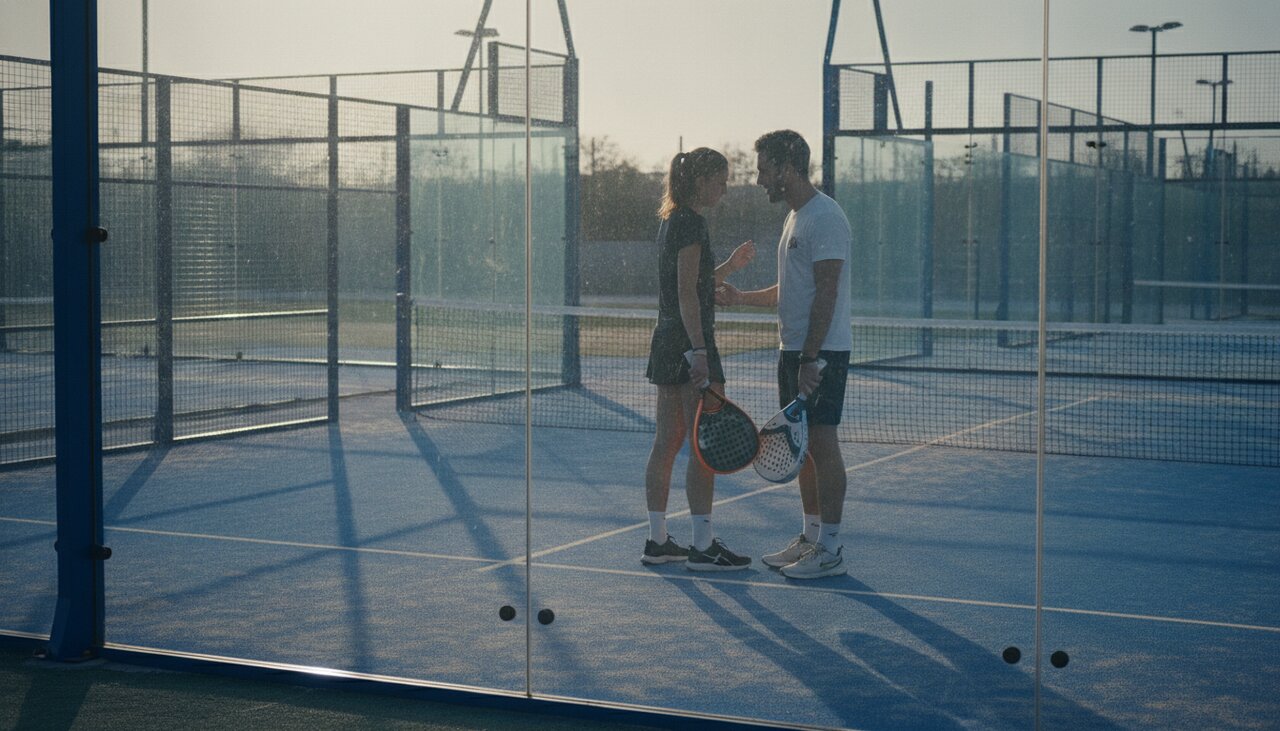
Talk to your partner between every point. Two words is enough: “my ball,” “yours,” “lob next.” Silence lets nerves grow; a quick word keeps both of you in the point. Doubles falls apart when partners go quiet, and it’s the easiest thing to fix.
Handling Nerves Without Fighting Them
Nerves aren’t the enemy. The adrenaline that tightens your arm is the same energy that sharpens your reactions once you channel it. Trying to feel calm rarely works. Giving the nerves a job does.
Breathe between points. A slow exhale after a rally drops your heart rate and stops the rushed serve that follows a lost point. Build a small reset ritual: adjust your grip, bounce the ball twice, look at your target, then serve. That sequence gives your mind something concrete to hold instead of replaying the last error.
Accept that you’ll make mistakes and that they don’t compound unless you let them. The players who lose first matches are the ones who let one double fault become three, one framed smash become a lost game. Treat each point as separate. Miss, breathe, reset, next. If you feel your confidence dip after a bad game, our advice on staying calm under pressure and managing rankings anxiety can help keep the result in perspective.
Common Situations You’ll Face
You lose the first game to love. Normal. Almost nobody starts a league match at full rhythm. Don’t change your whole plan after one game. Keep playing percentages and trust that your level shows up around game four.
Your opponents lob everything. Many league pairs, especially at lower levels, win by lobbing and waiting for errors. Sharpen your bandeja, stay patient, and don’t try to smash every lob for a winner. A well-placed bandeja that keeps you at the net beats a low-percentage smash that hands back the point.
A line call gets tense. It happens. Follow standard court etiquette: calls on your side are yours to make honestly, and if there’s genuine doubt, replay the point. Don’t let one disputed call live in your head for three games.
You’re winning and freeze. Closing out a first win is its own skill. Keep doing what built the lead rather than getting cautious. Playing “not to lose” is how leads evaporate. Same plan, same intensity, one point at a time.
A Simple Pre-Match Routine to Rehearse
Run this exact sequence in a practice match the week before so it feels automatic on the day:
- Arrive 30 minutes early, sort your gear, drink water.
- Five minutes of physical warm-up off the court.
- Five-minute on-court hit: drives, volleys, bandejas, serves, returns.
- Thirty-second partner chat: sides, who takes the middle, first-game plan.
- First four games: safe, deep, high-percentage padel while you read the opponents.
- Reset ritual before every serve; two words to your partner between points.
Rehearsing the routine matters as much as rehearsing shots. When the real match starts and your heart is thumping, you fall back on what you’ve practised, and a familiar routine is the thing that carries you through the nervous opening.
After the Match
Win or lose, log it. Note what worked, which shot let you down, and how your nerves behaved so your second league match starts from real information instead of a vague memory. Tracking your matches over a season shows patterns you can’t feel in the moment, like consistently slow starts or a bandeja that fades late in tight sets. That record is what turns a nervous first-timer into a reliable league player, and it’s exactly what Padellog is built to help you do.
Your first league match is a threshold, not a test. Prepare the week before, warm up properly, play percentages early, and treat your nerves as fuel. Do that and the result takes care of itself, because you’ll finally be playing your own game instead of a tense imitation of it.