By Mario GonzalezStrategy
Padel Match Preparation Checklist: Day-Before and Day-Of Routines
A complete padel match preparation checklist covering the night before, match morning, and warm-up so you arrive ready to compete at full level.
Most players lose points before they ever step on court. They show up rushed, warm up for two minutes, and spend the first three games figuring out the wind, the walls, and their own timing. A proper padel match preparation checklist removes that handicap. The work you do the night before and the morning of a match decides how sharp you are when the first serve goes in.
This is not about doing more. It’s about doing the right things in the right order so nothing catches you off guard. Below is the exact sequence I give competitive players, split into the day before and the day of the match.
Why Match Preparation Decides the First Set
Padel rewards players who start well. Because sets are short and a single break often settles them, falling behind 0-3 while you “warm into it” can cost you the whole set. Preparation is how you compress that warm-up window from three games down to zero.
Good preparation also protects you on the days when you don’t feel great. Nerves, poor sleep, and stiff legs are normal in competition. A checklist gives you a floor: even on a bad day, you’ll have eaten correctly, packed the right gear, and moved your body enough to compete. You stop relying on feeling perfect and start relying on a process.
The players who treat preparation as optional are the ones who blame the wind, the balls, or the early start. The ones who take it seriously walk on court with nothing left to think about except the point in front of them.
The Day-Before Checklist
The goal the day before is simple: arrive at match morning with zero loose ends. Handle logistics and recovery now so the morning is calm.
Sort Your Gear the Night Before
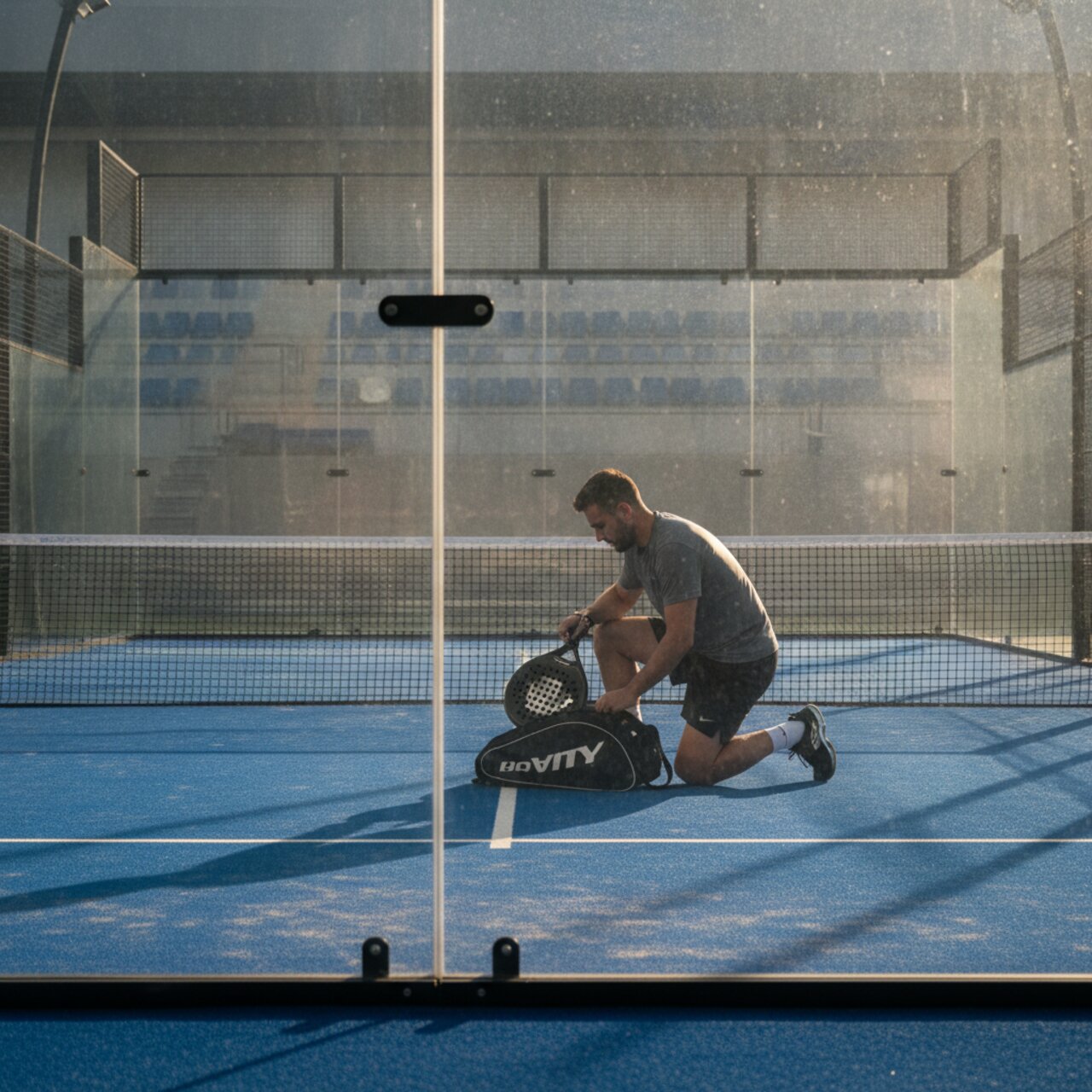
Pack your bag completely and check it once. You want at least two rackets if you have them, a fresh grip or overgrip, a full tube of pressurized balls if you’re providing them, a towel, a water bottle, and a spare shirt. Cold or early matches also need a light jacket you can peel off during the warm-up.
If your grip is worn, change it now rather than in the parking lot. A slick grip forces you to squeeze harder, which tires your forearm and kills touch on the drop shot and volley. Learning to change your racket grip is a five-minute job that belongs in your day-before routine, not your day-of panic.
Eat and Hydrate Ahead of Time
Hydration is a two-day process, not a one-hour one. Drink normally throughout the day before, and don’t try to catch up on water the morning of a match. Your evening meal should lean on slow carbohydrates like rice, pasta, or potatoes with a moderate amount of protein, keeping it light enough to sleep well. Save the detail for match day, but the hydration guide for padel players covers how much and when.
Protect Your Sleep
Sleep is the recovery tool with the biggest return and the one players sacrifice first. Set a hard bedtime that gives you seven to eight hours. Screens down 30 minutes early, bag already packed by the door, alarm set with a buffer so you’re not sprinting out the house. Anxiety the night before a match is normal; a packed bag and a clear morning plan are the cheapest way to quiet it.
Know Your Opponents and Your Side
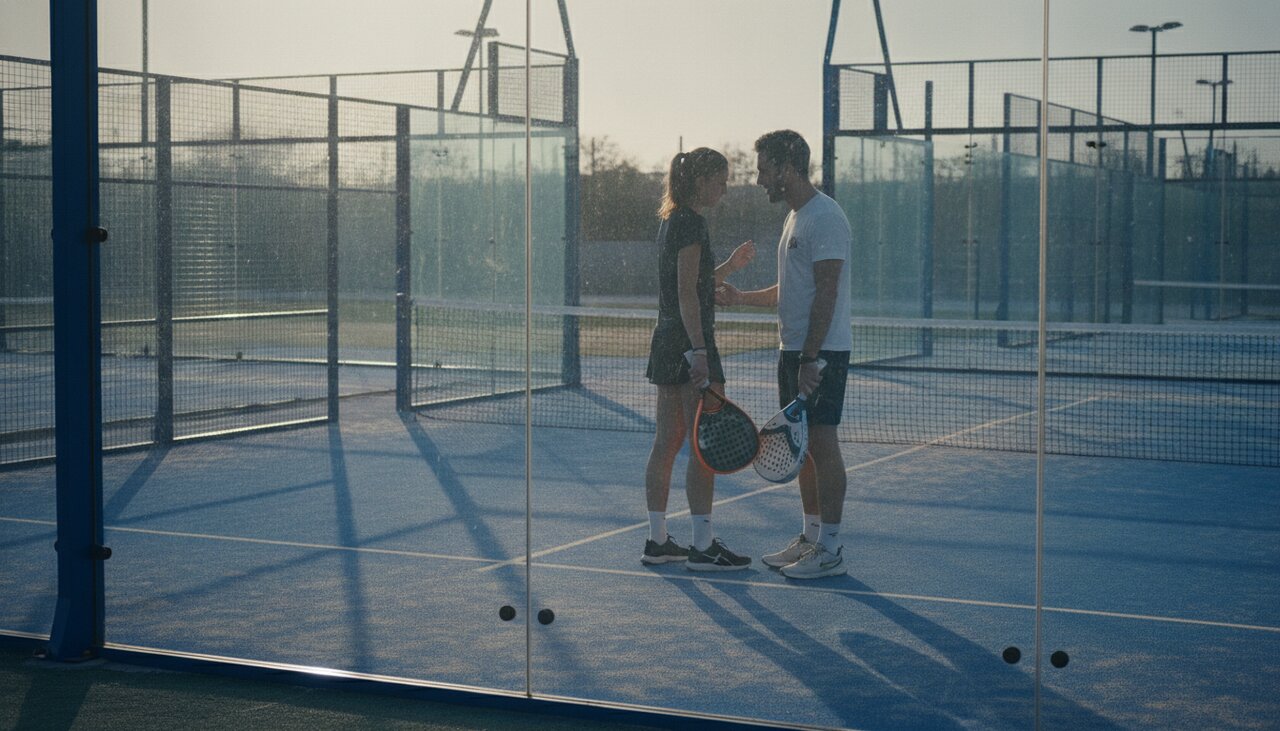
If you know who you’re playing, spend ten minutes deciding a rough plan with your partner. Who serves first, which side of the court each of you takes, and one or two tactical priorities. Reading the body language of your opponents starts before the match if you’ve seen them play. Keep the plan short. Two clear ideas you both remember beat ten you forget by 2-2.
The Day-Of Checklist
Match morning is about activation, not cramming. Everything heavy was handled yesterday. Today you fuel, arrive early, and switch your body on.
Time Your Pre-Match Meal
Eat two to three hours before the first ball. You want energy available without a full stomach. A breakfast match might be oats with fruit and a little honey; a midday match wants something like chicken and rice or a sandwich with lean protein. Avoid heavy fats and anything new you haven’t tested. The full breakdown of what to eat before a padel match explains the timing and portions, but the rule is simple: familiar food, eaten early enough to digest.
Sip water steadily through the morning. If it’s hot, add electrolytes an hour out rather than chugging plain water right before you play.
Arrive Early Enough to Settle
Get to the club at least 30 minutes before your slot. Rushing in raises your heart rate for the wrong reasons and cuts into your warm-up. Early arrival lets you check the court, feel the wind, notice whether the walls are fast, and see how the balls are bouncing that day. On an outdoor court, the sun angle and wind direction change your serve and lob choices, and you want that information before the first game, not during it.
Do a Real Physical Warm-Up
A two-minute knock is not a warm-up. Give yourself 10 to 15 minutes of progressive movement: light jogging, leg swings, arm circles, and a few sharp changes of direction to wake up your reactions. Padel is stop-start and lateral, so prime the movements you’ll actually use. A structured 10-minute warm-up for padel covers the exact sequence, and adding a short stretching routine protects the shoulder and knee under the first hard smashes.
Then hit with purpose. Work through the shots in order: groundstrokes, volleys, overheads, and finally a few serves and returns. Don’t just rally cross-court for ten minutes and call it ready. If your bandeja or serve feels off in the warm-up, that’s the shot to spend an extra two minutes on.
Set Your Mind Before the First Point
The last five minutes are mental. Agree with your partner on your opening tactics one more time, decide who calls the middle balls, and pick a simple cue to reset between points. Nerves are normal and even useful; the goal is to channel them, not erase them. Managing that state is a skill in itself, and staying calm under pressure is worth practicing long before finals day.
Common Situations Where the Checklist Saves You
The early-morning tournament match. You’re stiff, cold, and half awake. This is where the day-before packing and a full physical warm-up matter most. Add five minutes to your movement prep and keep the jacket on until you’re sweating.
Back-to-back matches. Between games, you’re recovering, not preparing from scratch. Refuel with something light, rehydrate, change your shirt, and do a shortened three-minute activation before the next match rather than sitting cold.
Playing an unknown pair. Without scouting, your warm-up becomes your scouting. Watch how they hit during the knock-up, note who covers the middle, and adjust your opening plan in the first two games. Communication carries you here, which is why a shared system with your partner, covered in the guide to communicating with your padel partner, matters more than any pre-match intel.
Build the Routine Into Every Match
Run the same checklist for casual games, not just tournaments. A routine only works under pressure if it’s automatic, and it only becomes automatic through repetition. Log how you prepared and how you played, and patterns show up fast: the matches where you ate too late, arrived rushed, or skipped the warm-up tend to be the ones you started slow.
Preparation won’t fix a technique problem, and it won’t win you a match on its own. What it does is guarantee you show up as the best version of yourself that day, ready from the first point instead of the fourth game. Over a season, starting sharp in every match is worth more than any single shot in your arsenal.