By Mario GonzalezEquipment
Padel Glasses and Eye Protection: Safety and Performance Guide
A practical guide to padel glasses and eye protection. Compare protective eyewear, sport sunglasses, and lens types by safety, fit, comfort, and price.
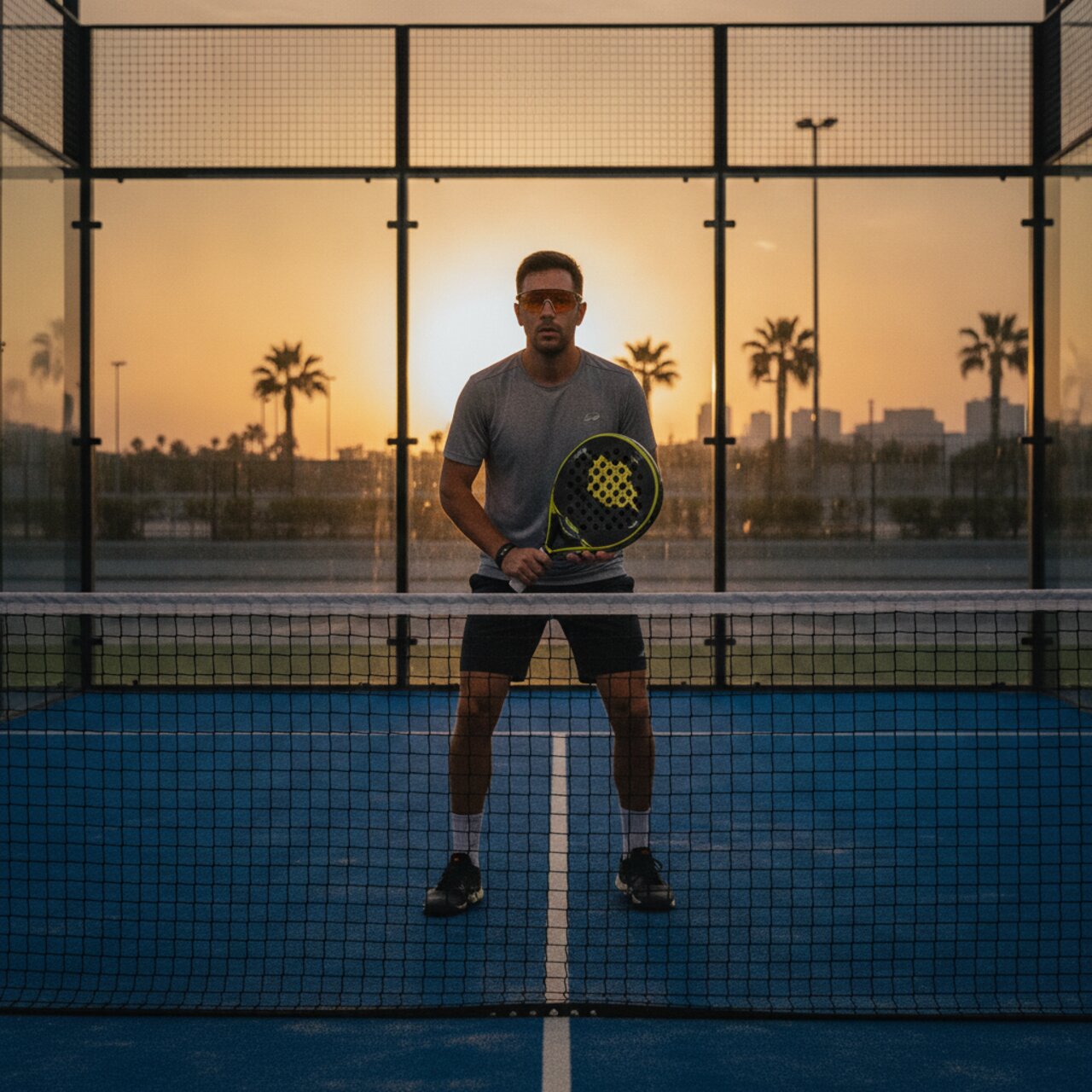
A padel ball leaves a smash at well over 100 km/h, and on an enclosed court it can come back off the glass from an angle you never saw coming. That is the case for padel glasses and eye protection in a nutshell: the ball is small, fast, and unpredictable off the walls, and your eyes have no natural defence against it. Eye injuries in racket sports are rare but serious, and almost all of them are preventable with the right pair of glasses.
Most players never think about it until they take a ball to the face or watch a partner do the same. The good news is that protective eyewear has improved enough that you no longer choose between safety and seeing the ball clearly. The sections below cover what actually protects your eyes, which lens suits which conditions, and how to pick a pair you’ll keep wearing.
What to Look for in Padel Eye Protection
Start with impact resistance. The only lens material worth considering for sport is polycarbonate. It’s the same material used in safety goggles and riot shields, and it flexes rather than shatters when a ball strikes it. Avoid regular acrylic or glass lenses entirely. A pair sold as fashion sunglasses will crack on impact and send fragments toward the eye, which is worse than no protection at all.
Coverage matters as much as the lens itself. A padel ball off the back glass can arrive from below or to the side, so a wraparound frame that curves toward your temples protects far better than a flat lens sitting square on your nose. Look for a frame that covers the eye socket from brow to cheekbone with no large gaps at the sides.
Fit decides whether you actually wear the glasses. They need to stay put when you sprint to the net, lunge for a low volley, or snap your head up for a smash off the back wall. Rubber nose pads and grippy temple tips stop slippage from sweat. Glasses that bounce or slide get pushed up onto your head within two games, which defeats the point.
Ventilation prevents fogging. Padel is humid and physical, and a sealed lens fogs the moment your body heats up. Anti-fog coatings help, but frame design matters more: small vents at the top of the lens or a slight gap between lens and brow let air circulate without exposing the eye.
Weight and grip on the field of view round things out. A good sport frame weighs 25 to 35 grams, light enough to forget you’re wearing it. Avoid thick frame arms that block your peripheral vision, since you track your partner and the opposing net player out of the corner of your eye constantly.
Types of Padel Eyewear and Who Each Suits
Dedicated Protective Sports Glasses
These are purpose-built impact glasses with a polycarbonate wraparound lens, a secure strap or grippy arms, and clear or lightly tinted lenses. Brands like Oakley, Bollé, and several racket-sport specialists make models rated for ball impact. They’re the right choice for indoor players, anyone who has taken a ball to the face before, and players who wear them simply because they value their eyesight.
Expect to pay €30 to €80 for a solid protective pair, with premium models reaching €120 or more. The clear-lens versions work indoors and in low light without darkening your view of the ball.
Sport Sunglasses With Polycarbonate Lenses
Outdoor players in bright sun need tinted lenses, and a proper sport sunglass with a wraparound polycarbonate lens covers both glare and impact. The frame should grip during movement, not the loose fit of casual sunglasses. These suit players at open-air clubs, especially during summer or at courts where afternoon sun sits low behind the back glass.
Sport sunglasses run €40 to €100. The trade-off is that a fixed dark tint is useless indoors or under floodlights, so frequent indoor players need a second clear pair.
Photochromic (Light-Adapting) Glasses
Photochromic lenses darken in bright light and clear up in shade, adjusting automatically as conditions change. They’re the most versatile option for players who switch between indoor and outdoor courts, or who play outdoor sessions that run from afternoon sun into floodlit evening. One pair handles everything.
Photochromic sport glasses cost €60 to €130. They cost more and the transition takes 20 to 30 seconds, which is a non-issue between points but worth knowing.
Prescription Sports Eyewear
Players who wear glasses off court have real options now. Many sport frames accept prescription inserts behind the main lens, or you can order direct prescription polycarbonate lenses. This beats playing in contact lenses for anyone whose eyes dry out under exertion, and it protects the eye at the same time. Prescription sport glasses start around €90 and climb with lens complexity.
Comparison Table
| Type | Best for | Lens | Price range |
|---|---|---|---|
| Protective sports glasses | Indoor play, max safety | Clear polycarbonate | €30–€120 |
| Sport sunglasses | Bright outdoor courts | Tinted polycarbonate | €40–€100 |
| Photochromic glasses | Mixed indoor/outdoor | Light-adapting | €60–€130 |
| Prescription sport eyewear | Players who need correction | Rx polycarbonate | €90+ |
Do You Actually Need Eye Protection for Padel?
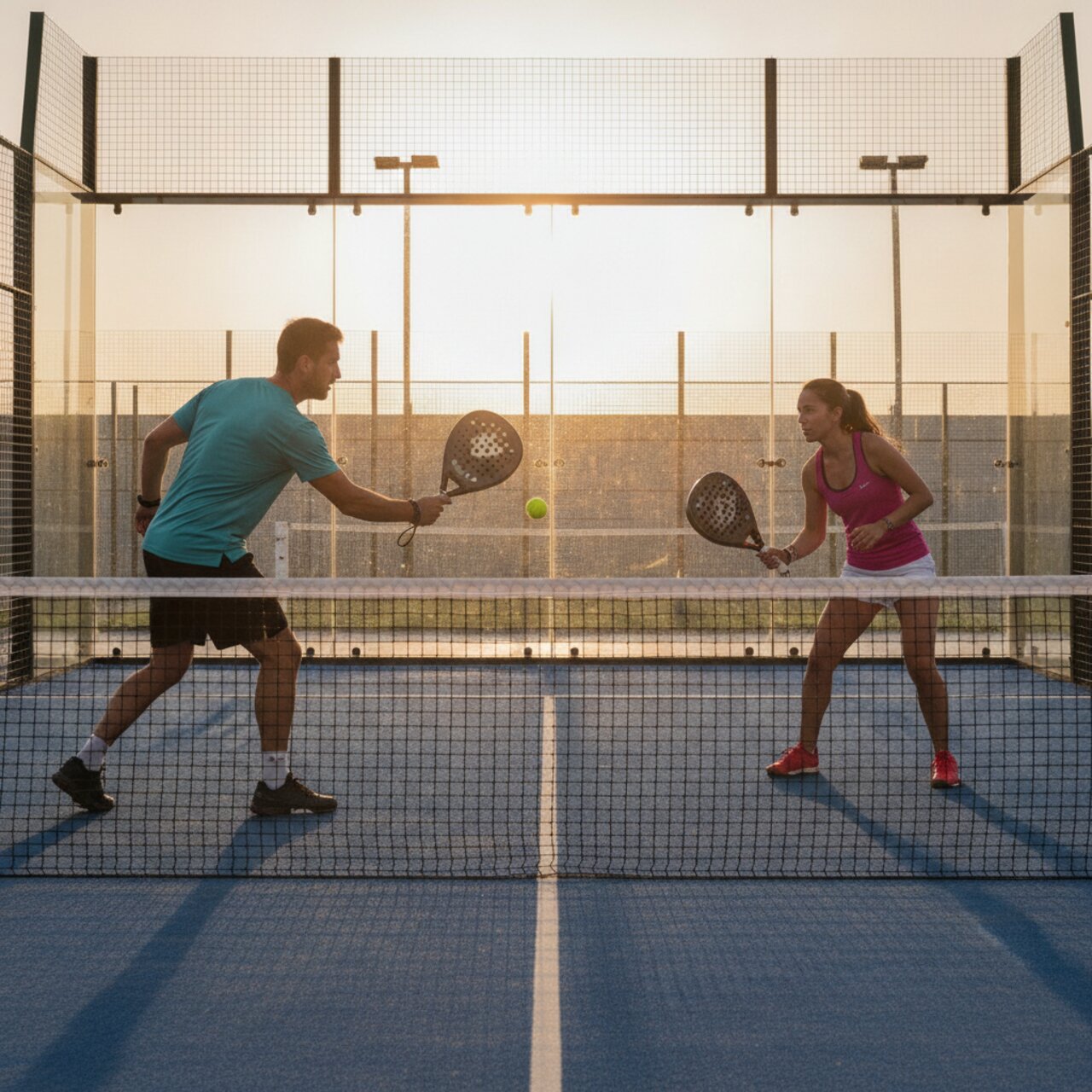
For most recreational players the honest answer is that it’s optional but smart, and the calculus changes with how you play. The single most dangerous shot is a smash or víbora taken when you’re at the net and your partner is behind you, because a mishit can fire the ball straight back at close range with no time to react. Net players at competitive pace face the most exposure.
Indoor courts raise the risk slightly because the ball stays fast off the glass and lighting can flatten your depth perception. Outdoor players in strong sun face a different problem: glare that hides the ball entirely for a split second, which is both a safety and a performance issue. In both cases the right eyewear solves the problem rather than adding to it.
If you play recreationally once a week in good light, you can reasonably skip it. If you play at the net regularly, compete, wear contacts or prescription glasses, or have had any eye surgery or condition, protective eyewear stops being optional. Children should always wear it, since their reaction time and the value of decades of future eyesight both argue for protection.
How Eyewear Affects Your Performance
Good glasses do more than protect. Tinted or polarised lenses cut the glare that washes out a yellow ball against bright sky or pale glass, letting you pick up the ball earlier off the smash. Earlier ball pickup means better positioning, which feeds directly into the court coverage and positioning that wins points at the net.
The catch is depth perception. Heavy polarisation or a strong tint can flatten how you read the ball’s speed off the wall, especially indoors or in changing light. Match the tint to the conditions: light amber or rose for overcast and indoor, darker grey or brown for full sun. A photochromic lens removes the guesswork by adapting on its own.
Comfort feeds performance too. Glasses that fog, slip, or pinch pull your attention off the point, and a distracted net player is a beaten net player. The pair you forget you’re wearing is the pair that helps your game.
Maintenance Tips
Rinse the lenses with cool water before wiping to float off dust and grit. Wiping a dry, sandy lens drags those particles across the coating and leaves fine scratches that scatter light. Dry with the microfibre cloth that came with the glasses, never your shirt or a paper towel.
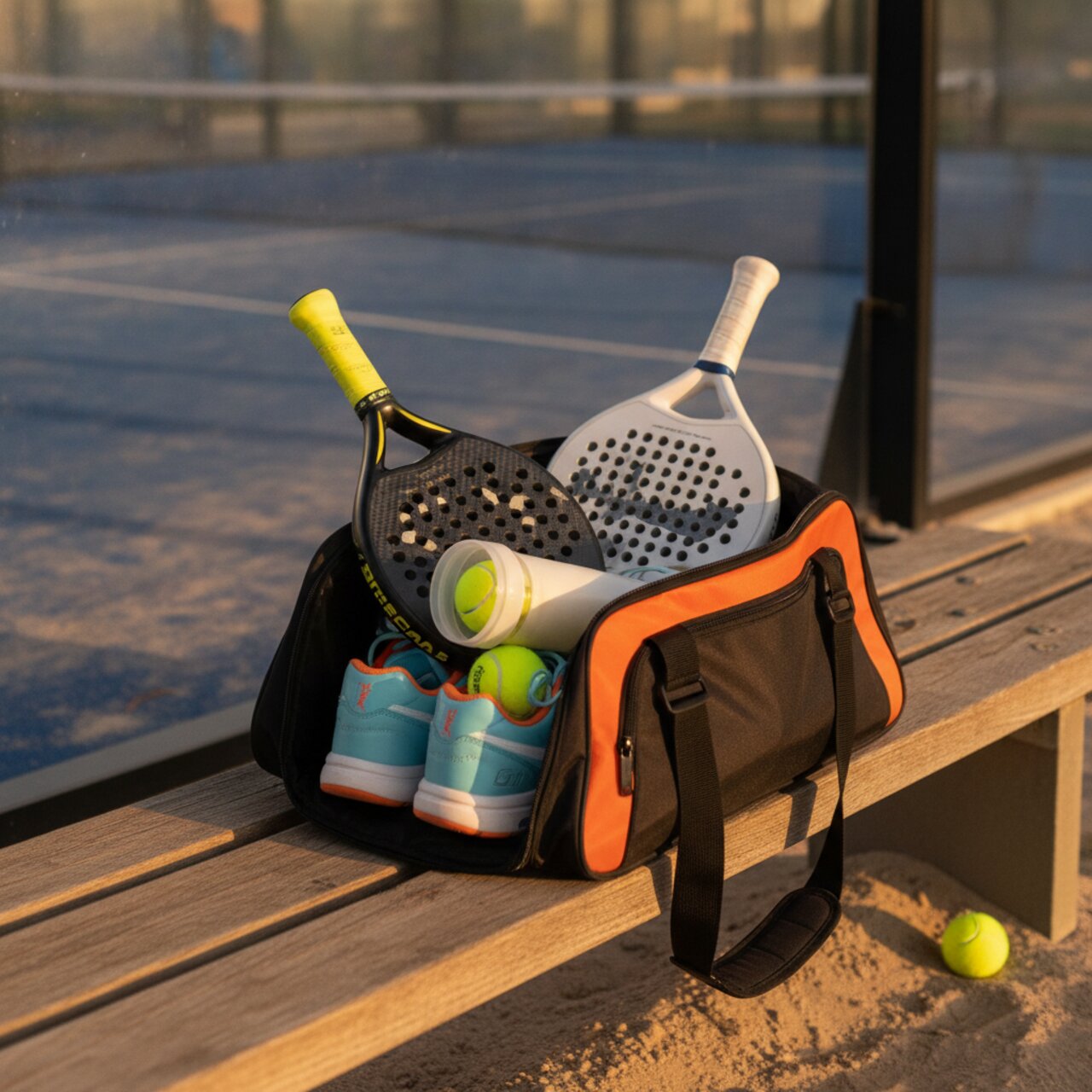
Store them in a hard case, not loose in your padel bag where they’ll get crushed under shoes and rackets. Heat ruins coatings and warps frames, so don’t leave glasses on a sunlit car dashboard between sessions, the same way you wouldn’t leave your rackets there.
Reapply anti-fog treatment every few weeks if you use a spray or gel, since the coating wears off with cleaning. Replace the lenses or the whole pair once you see scratches in your direct line of sight, because a scratched lens both distorts the ball and weakens the impact protection you bought them for.
Frequently Asked Questions
Can I just wear my normal sunglasses? Only if they have polycarbonate lenses and a secure wraparound fit. Fashion sunglasses with acrylic or glass lenses can shatter on impact, which is more dangerous than playing without them.
Do glasses fog up too much to be worth it? Modern sport frames with venting and anti-fog coating handle padel humidity well. Fogging is mostly a problem with sealed, low-ventilation frames or cheap pairs without any coating.
Are protective glasses required in competition? Not at recreational or most amateur levels. Some junior programmes and a handful of clubs require them, and many competitive net players choose to wear them regardless.
Clear or tinted lenses for indoor play? Clear or a very light tint. A dark tint indoors hurts your view of the ball and your depth perception under floodlights.
Eye protection is the cheapest insurance in padel. A €40 pair of polycarbonate glasses costs less than a single racket and protects something you can’t replace. Pair the right eyewear with solid court positioning and you protect your eyes while seeing the ball better than the players squinting next to you.