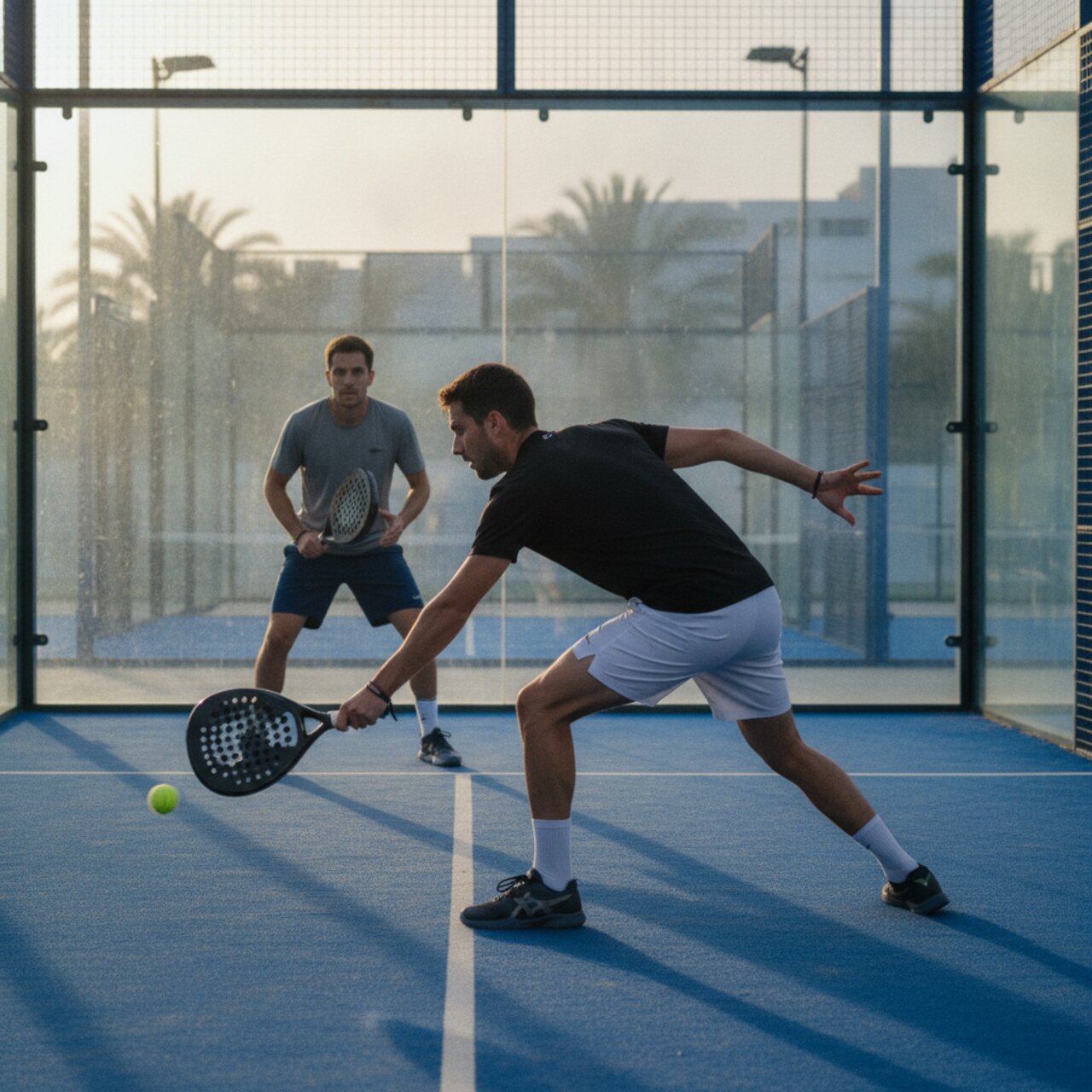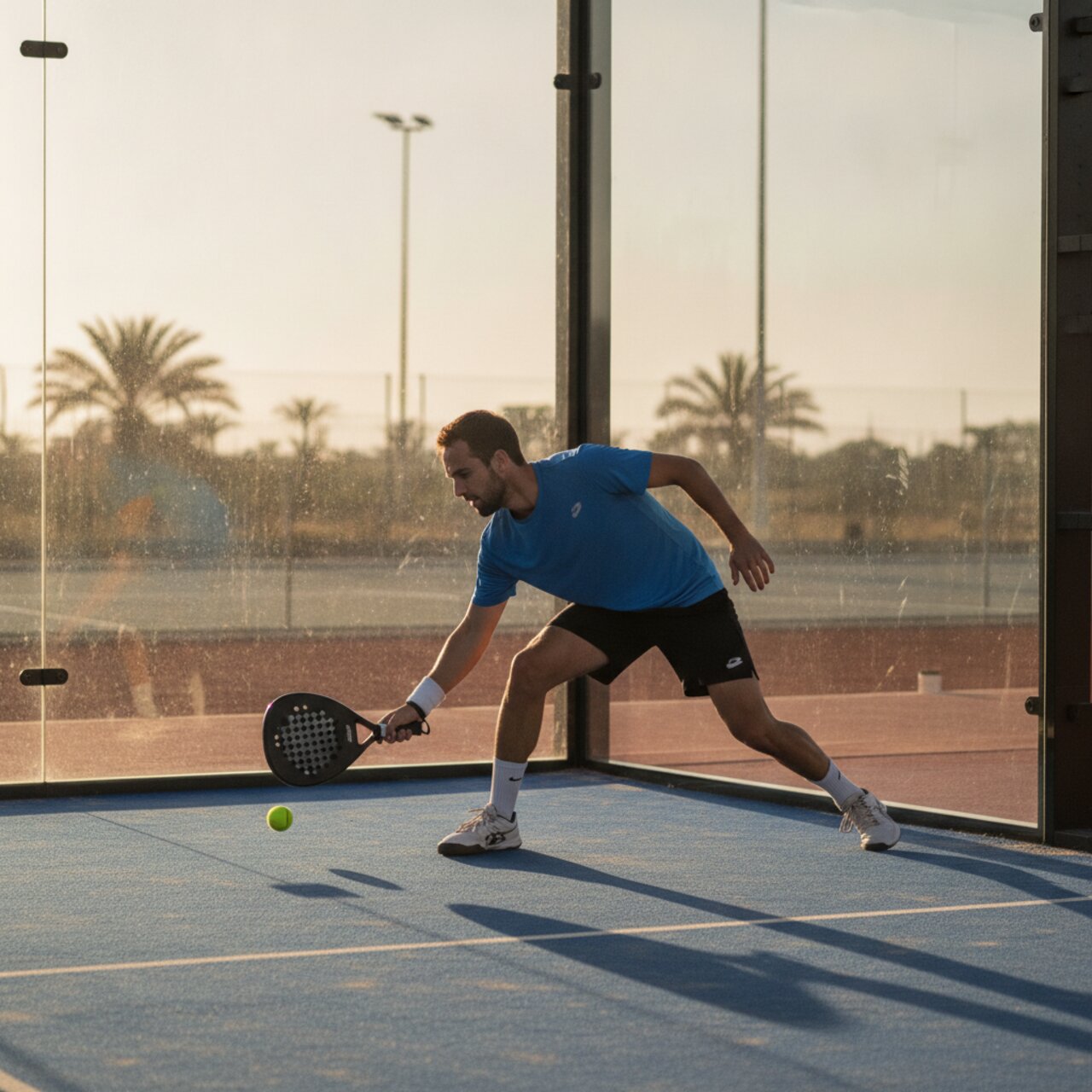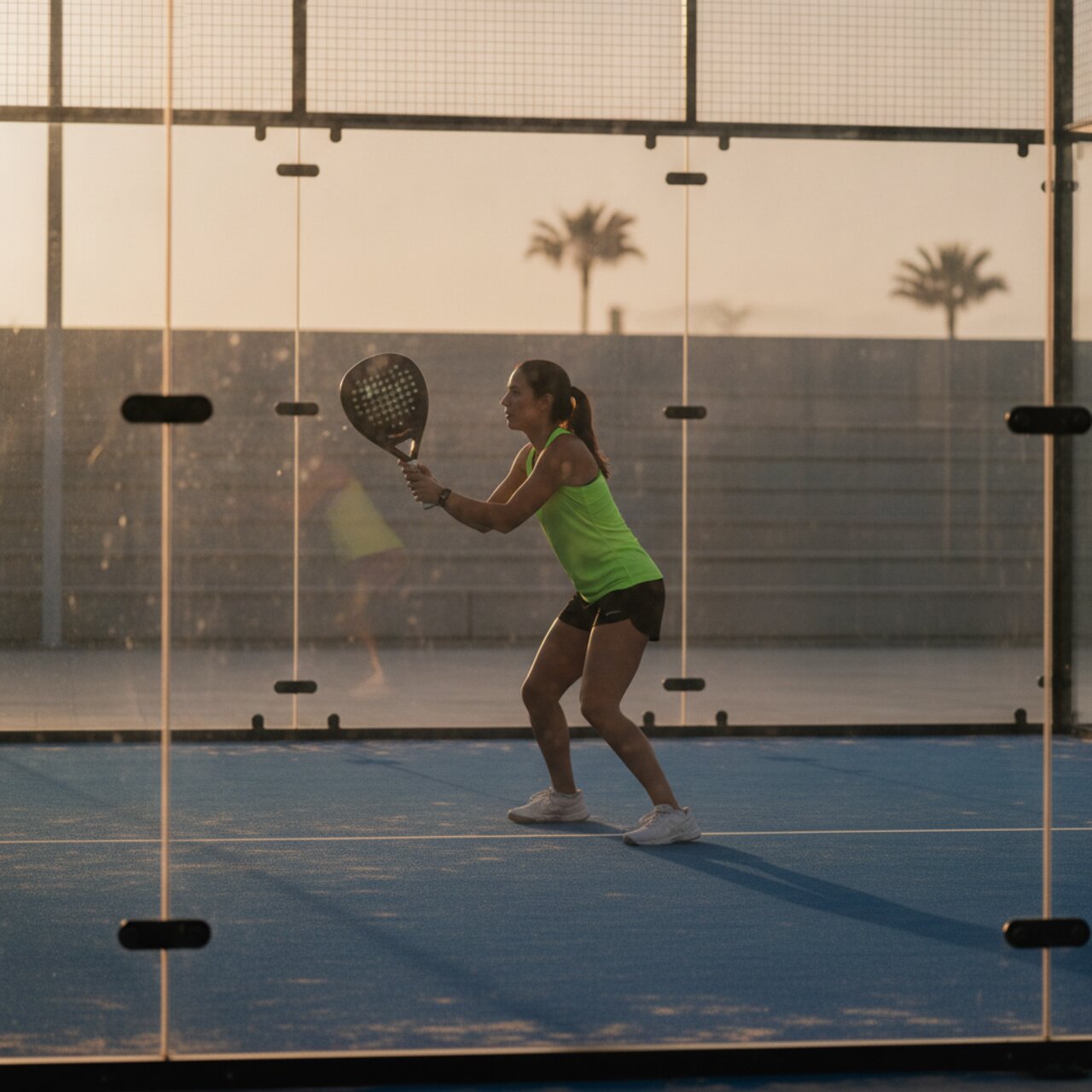
By Mario GonzalezTechnique
7 Padel Smash Techniques to Improve Your Game
Learn 7 padel smash techniques and when to use each one, from the flat power smash to the bandeja, víbora, gancho, rulo, and the smash out of the court.
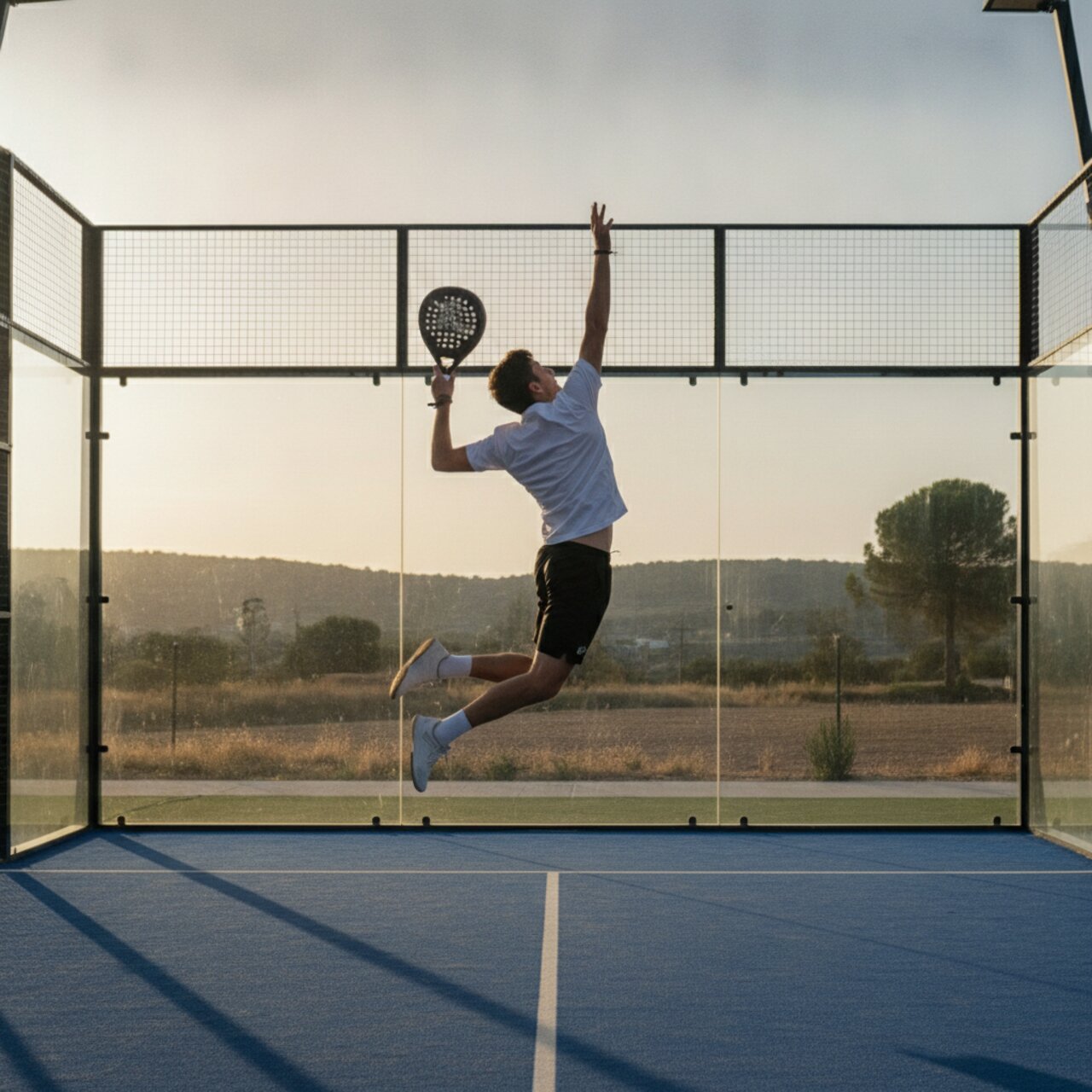
Most club players own one padel smash: they wind up, swing as hard as they can, and hope. That works until you face opponents who defend the back glass well, and then every flat smash comes back at your feet. The players who win the overhead battle carry a whole set of options and choose the right one for the ball in front of them.
These seven padel smash techniques cover the full range, from the pure power finisher to the patient control shots that keep you attacking without handing the point away. Learn what each one does and, more importantly, when to reach for it.
Why One Smash Is Never Enough
The overhead is the most situational shot in padel. The height of the lob, its depth, the spin on it, and where your opponents are standing all change what the smart choice is. A flat smash into a deep, well-defended lob is a gift to the other team. A soft bandeja against a short, floating ball wastes an easy point.
Good players read three things before the racket comes back: how high the ball is, how deep it lands, and whether they have time to set their feet. Those answers point to one of the seven techniques below. Build them in order, because the control shots protect you while you develop the power ones.
1. The Flat Smash: Your Power Finisher
The flat smash is the shot everyone pictures. You hit up and through the ball with a slightly closed racket face, minimal spin, and maximum racket-head speed. Done right, it either wins outright or forces such a weak reply that the next ball is a formality.
Use it when the lob is short and sits above net height, roughly in the service-box area, and your opponents are pinned deep. Contact should be out in front of your hitting shoulder, not directly overhead, with your body weight moving forward into the court.
The flat smash has one big weakness: it is high risk against a good lob. If the ball is deep or you are off balance, the flat smash is the wrong choice. Save it for the balls that are genuinely short.
2. The Bandeja: Control Over Power
The bandeja is the shot that keeps you at the net when the lob is too deep to attack cleanly. Instead of jumping and swinging up, you hit a controlled slice at roughly shoulder height, brushing down and across the ball so it lands deep with a low, skidding bounce.
The bandeja is not a winner. Its job is to buy time, keep your opponents pinned back, and hold your position at the net so you do not have to retreat. Aim it deep and preferably down the middle or wide to the walls, following the ball back toward the net after you hit.
If you learn only one control overhead, make it this one. It turns the awkward lob that lands over your head into a shot you handle without panic.
3. The Víbora: The Aggressive Middle Ground
The víbora sits between the bandeja and the flat smash. You hit it with more of a side-on, cutting action, brushing the outside of the ball to produce a mix of pace and vicious sidespin. The result kicks sideways off the side glass and stays low, which makes it far harder to read than a bandeja.
Reach for the víbora when the lob is a touch shorter than a bandeja ball but still not short enough to flatten safely. It keeps the pressure on while carrying much less risk than a full smash. The spin does the damage, dragging the ball away from your opponent after the bounce.
For the difference between these two control overheads, compare them directly in our bandeja vs víbora breakdown.
4. The Topspin (Kick) Smash: Bounce It Over the Fence
The topspin smash, sometimes called the kick smash, is built to bounce the ball up and over the back glass so it flies out of the court entirely. You brush aggressively up the back of the ball at contact, imparting heavy topspin that makes the bounce jump violently high off the back wall.
This is a high-percentage way to end points against opponents who defend the back glass well. Rather than trying to overpower them, you aim the ball short into the service box so the topspin sends it kicking over the fence before they can recover it.
It demands timing and a full upward brush, so it is genuinely an intermediate shot. Groove it once your flat smash and bandeja are reliable.
5. The Gancho: When the Lob Goes Behind You
The gancho, or hook, saves the point when a lob drifts behind your head and you cannot get fully underneath it. You hit it with a hooking, over-the-top motion while your body is leaning back or turning, which lets you generate power from an awkward, off-balance position.
Think of the gancho as an emergency attacking option rather than a first choice. When you have time to set your feet, a bandeja or víbora is safer. When the lob has beaten you and retreating means giving up the net, the gancho lets you stay aggressive instead of scrambling back to the glass.
6. The Rulo: Rolling Topspin From Deep
The rulo is a rolling topspin overhead you can hit from deeper court positions where a flat smash would sail long. You roll the racket up and over the ball, wrapping heavy topspin that pulls the shot down inside the lines even when you swing with real pace.
Because the topspin brings the ball down, the rulo lets you attack lobs that land closer to the middle of the court without the constant fear of hitting long. It is a bridge between defense and offense: more aggressive than a bandeja, safer than flattening a deep ball.
7. Smash Out of the Court: Por Tres and Por Cuatro
The most spectacular finish in padel sends the ball off your own side or back glass and out over the fence, beyond any hope of a return. The smash “por tres” aims the ball into the side glass at an angle so it rebounds out over the side fence.
The “por cuatro” is the bolder version, driving the ball into the back glass hard enough that it bounces up and clears the back fence. Both need a short, high ball and a precise target on the glass rather than raw power. The physics of the rebound does most of the work; your job is placement and enough pace to lift the ball out.
These are not everyday shots. But when a nervous opponent floats a short lob and gives you the angle, knowing how to finish off the walls turns a good position into an immediate point.
Common Smash Mistakes and How to Fix Them
Hitting every overhead flat. The most common error is treating every lob as a power smash. Deep lobs should be met with a bandeja or víbora; only short balls deserve the flat smash. Ask yourself where the ball will land before you decide how hard to swing.
Contact point too far back. Letting the ball drift behind your head kills power and control and forces a scramble. Move your feet early so the ball stays in front of your hitting shoulder. If it gets behind you, the gancho is your bailout, not your plan A.
No footwork under the lob. Standing still and reaching is the fastest way to mishit. Use small adjustment steps and the side-on position so you are set and balanced at contact, exactly as you would be for a smash off the back wall.
Aiming into the middle of the court. A smash to nobody gives defenders time. Target the side glass, the open feet, or the gap between your opponents. Placement beats power against players who defend well.
Drills to Build Your Smash Arsenal
The three-lob ladder. Have a partner feed you three lobs of different depths in a row. Short ball: flat smash. Medium ball: víbora. Deep ball: bandeja. Repeat until you choose the right shot without thinking. This trains decision-making, which matters more than any single technique.
Wall-target smashes. Set a cone or target on the service box and practice the topspin and por tres smashes, aiming for the spot that sends the ball over the fence. Placement and spin matter far more than swinging hard here, so hit at 70 percent pace and focus on the target.
Bandeja shadow work. Without a ball, rehearse the side-on bandeja motion 20 times, following each swing with two steps back toward the net. Grooving the recovery movement is half the shot.
Choosing the Right Smash in a Rally
The quick decision tree is simple. Short ball above the net and opponents deep: flat smash or a finish off the walls. Medium-depth ball: víbora or topspin smash to keep attacking with control. Deep lob over your shoulder: bandeja to hold the net. Lob behind your head: gancho to survive and stay offensive.
Master the bandeja and the flat smash first, because between them they cover most overheads you will face. Add the víbora, rulo, topspin, and wall smashes as your timing sharpens. If any of the terms here are new, our padel glossary breaks down the vocabulary.
Track which smash you reach for and how often it wins the point, and your weak spots show up fast. Log your matches in Padellog and the pattern in your overhead game becomes obvious within a handful of sessions.