By Mario GonzalezTechnique
The Perfect Return of Serve in Padel: Positioning and Shot Selection
Master the return of serve in padel with smarter positioning and shot selection. Where to stand, what to hit, and the mistakes that cost you points.
The return of serve in padel is the shot that decides who controls the point before the rally even starts. Serve is a formality in padel because it has to bounce and cannot be smashed, so the receiver holds far more power than in tennis. A good return neutralizes the serving team’s rush to the net and buys you time to move forward. A weak one hands them an easy volley and puts you on defense for the rest of the point.
Most intermediate players lose points on the return not because of poor technique but because of two decisions made before contact: where they stand and what shot they choose. Fix those two things and your return improves immediately, even without changing your swing.
Where to Stand for the Return of Serve
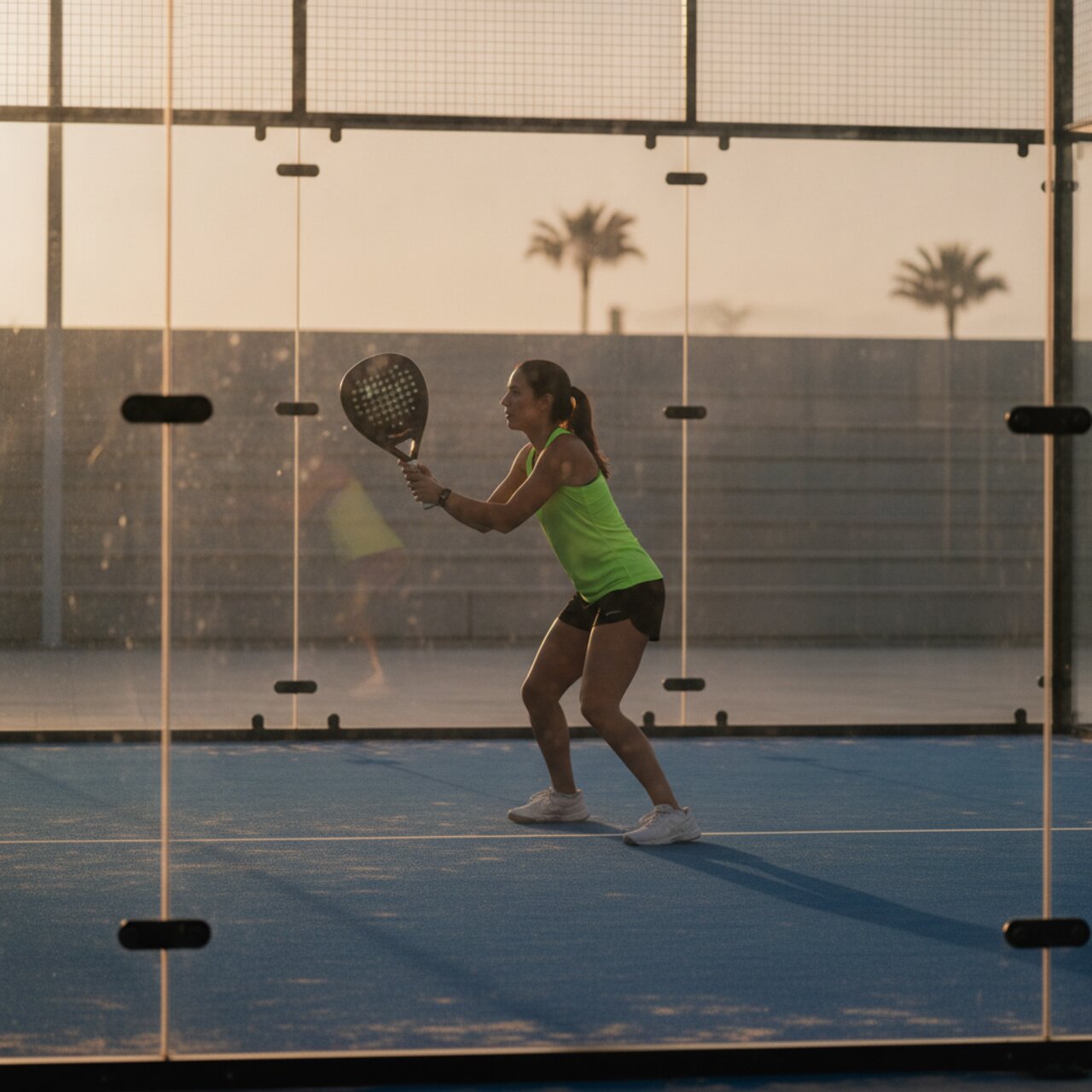
Positioning is the foundation of a reliable return of serve. Stand roughly one to two steps behind the service line, near the middle of your half of the court, with your body angled slightly toward the server. This gives you time to read the ball and covers both a serve down the T and a serve angled wide toward the side glass.
If you stand too close, a serve that kicks off the back glass jams you and forces a rushed reply. Stand too far back and you concede the middle, letting the serving team poach easily. The sweet spot shifts with the surface and the server: against a big kick serve, take an extra half-step back so the ball drops into your strike zone instead of climbing past your shoulder.
Your split-step timing matters as much as your starting spot. Land your split-step as the server strikes the ball, not before. This keeps you balanced and ready to push off in either direction. Players who plant early get caught flat-footed on serves aimed at the corner.
Read the serve early by watching two things: the toss location and the server’s paddle face. A toss out to the side usually signals a wide serve, while a paddle face opening late points toward the side glass. The earlier you read direction, the more time you have to set your feet.
Choosing the Right Return
Shot selection separates a return that pressures the opponents from one that simply keeps the ball in play. Your default should almost always be the lob, and the second option is a low drive at the incoming volleyer’s feet. Understanding when to pick each is where matches are won.
The Lob Return
The lob is the highest-percentage return of serve in padel, and it should be your bread and butter. A deep lob over the serving team pushes them back off the net, erases their positional advantage, and lets your team advance to the net together. Aim for depth first: land the ball in the last two meters before the back glass so it dies in the corner rather than sitting up for a comfortable bandeja.
Hit the lob crosscourt when you can. The diagonal is longer, giving you more margin, and it moves the opponents apart. If you want to master the trajectory, review the padel lob technique for the mechanics of height and depth. A returner who lobs well takes away the entire point of serving and rushing the net.
The Drive Return
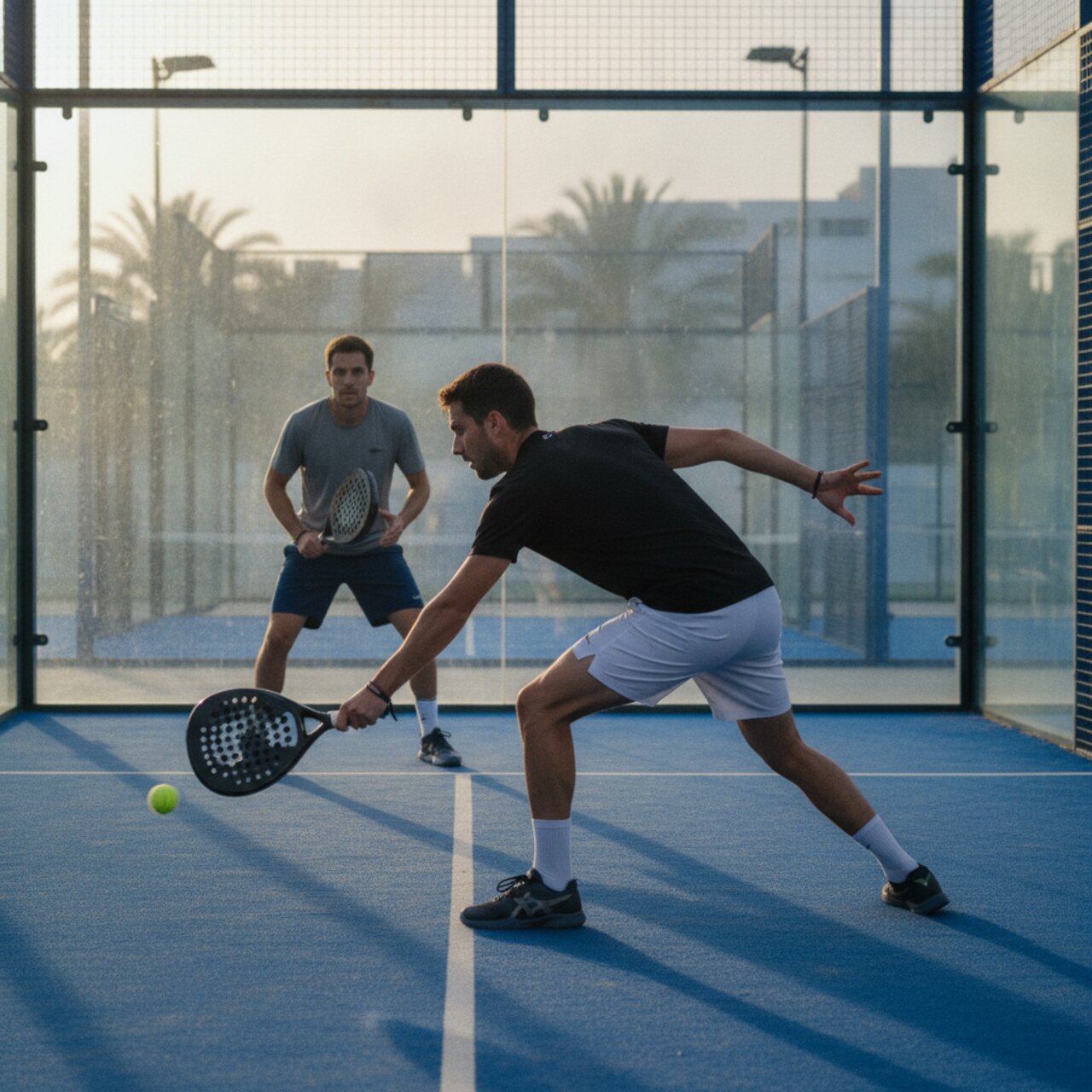
The low drive is your alternative when the serve is weak, sits up around waist height, or when the servers are guarding against the lob by hanging back. Drive the ball flat and low at the feet of the player moving in to volley. A ball at the shoelaces forces a defensive half-volley that pops up, and you attack the next shot.
Keep the drive under control. This is not a winner attempt from the baseline; it is a pressure shot designed to produce a weak volley. Aim crosscourt to the incoming player’s outside foot, or straight at their body to jam them. Overhitting the drive is one of the most common ways intermediate players gift free points.
Reading Which to Choose
Choose the lob by default and switch to the drive only when the serve gives you a clear, comfortable ball to attack. If the serve is deep, kicks high, or pushes you off balance, lob and reset. If it lands short and sits up, drive it low. When in doubt, lob: the downside of a slightly short lob is far smaller than the downside of a drive that floats into a put-away volley.
Step-by-Step Execution
A clean return starts with a compact preparation. Take the paddle back with a short backswing, not a full tennis-style loop. The serve arrives with less pace than a tennis serve, so a big swing only adds timing errors.
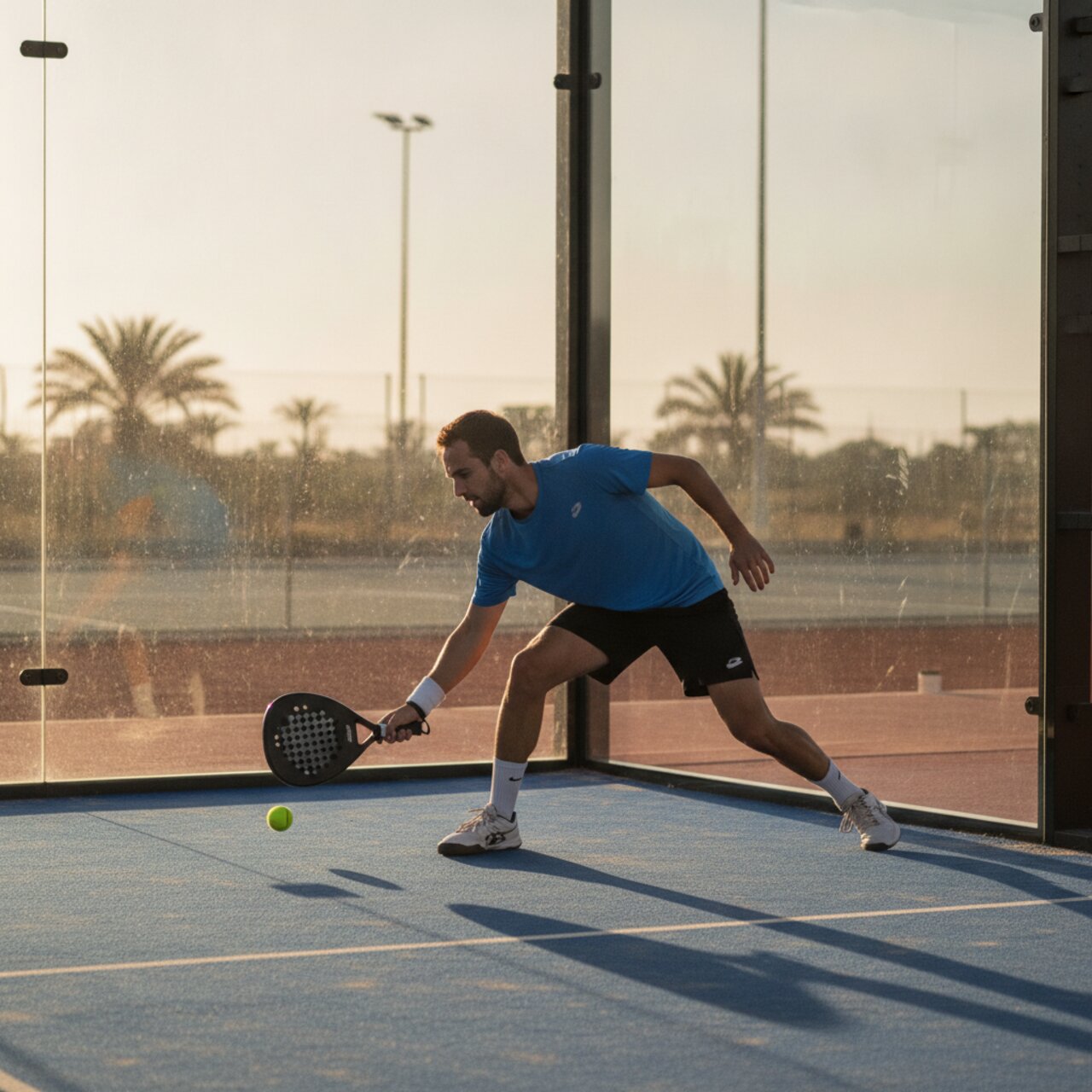
Move your feet to the ball rather than reaching. Get your body sideways to the target with your weight loading onto the back foot, then transfer forward through contact. Meet the ball out in front of your body, level with your front hip, so you can direct it precisely.
For the lob, open the paddle face and brush up the back of the ball with a low-to-high swing, finishing high. For the drive, keep the face closer to vertical and swing flatter through the ball, finishing toward your target. After either shot, follow your return forward. On a good deep lob, both partners advance to the net; on a drive, move in to volley the weak reply.
Common Mistakes and How to Fix Them
Standing still and reaching. Reaching sideways for the ball kills your balance and your control. Fix it by taking two or three small adjustment steps so the ball arrives in your strike zone. Footwork, not arm extension, sets up a clean return.
Lobbing too short. A lob that lands mid-court gives the opponents an easy bandeja or smash. Add depth by aiming for the back glass and swinging more up than forward. It is better to occasionally lob long than to consistently lob short and get punished.
Driving everything. Trying to hit a winning drive off every serve produces a stream of errors and floaters. Reserve the drive for serves that genuinely sit up, and lob the rest. Discipline in shot selection beats power almost every time.
Late split-step. Splitting after the serve is struck leaves you flat-footed and slow to the corners. Time your split to land exactly when the server contacts the ball so you can react in either direction.
Ignoring the back glass. On a serve that reaches the back wall, playing the ball too early jams you. Let it come off the glass, take a step back, and use the rebound to hit a controlled return. Learning to use the back wall applies directly to returning heavy serves.
Practice Drills
Target-zone lobs. Place a towel or cone in each back corner, two meters from the glass. Have a partner serve while you return, aiming to land ten lobs in the target zone. Track how many you hit deep enough. This builds the depth that makes the lob return effective.
Return and advance. After every return, immediately move to the net with your partner. The drill trains the habit of following a good lob forward instead of admiring it. Play out the point so you learn to convert the positional advantage the return creates.
Drive-or-lob decision drill. Have a partner mix strong deep serves with weaker short ones at random. React by lobbing the deep serves and driving the short ones low. This sharpens the split-second read that governs shot selection under pressure.
Related Techniques to Build On
A strong return connects to the rest of your game. Once you and your partner reach the net after a good return, your doubles positioning determines whether you keep the advantage. Knowing your role from the left or right side also shapes which returns you should favor from each position.
If any of the padel terms here are unfamiliar, the essential padel glossary covers the vocabulary. Track which returns actually win you points by logging your matches in Padellog, then adjust your shot selection based on what the data shows. The return is the one shot you play in nearly every point you receive, so small improvements compound faster here than almost anywhere else on the court.