By Mario GonzalezFitness
What to Eat Before a Padel Match: Pre-Match Nutrition Timing
What to eat before a padel match and exactly when to eat it. A timing guide to fuel a 90-minute match with steady energy and no stomach trouble on court.
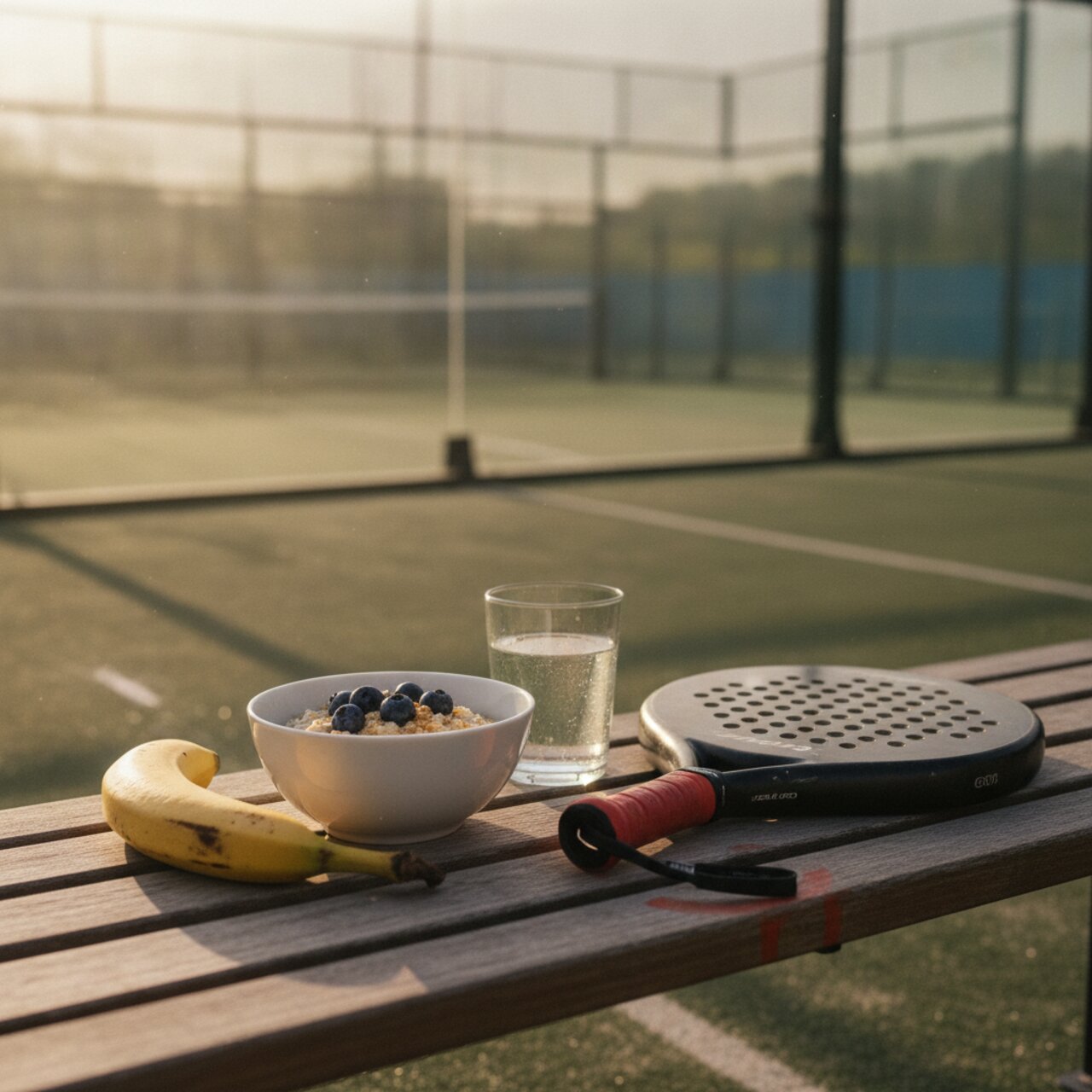
Knowing what to eat before a padel match is the difference between holding your level in the third set and fading after 40 minutes. A padel match runs 60 to 90 minutes of stop-start sprints, lunges and overhead swings, and your body burns through stored carbohydrate the whole time. Eat the wrong thing, or eat at the wrong moment, and you either run out of fuel or play with a heavy, uncooperative stomach.
The food itself matters less than the timing. A plate of pasta is great three hours before you play and a problem 20 minutes before. This guide breaks down what to eat at each window before you step on court, so you arrive fueled rather than full.
Why Pre-Match Nutrition Timing Matters
Padel is powered mostly by glycogen, the carbohydrate your body stores in muscle and liver. A hard match can drain a meaningful chunk of those stores, and once they run low your sprints get slower, your footwork gets sloppy, and your decision-making at the net drops off. That last part is the one players underrate. Fatigue doesn’t just slow your legs, it makes you choose the wrong shot.
Digestion competes with performance. When food is sitting in your stomach, blood flow is directed toward digesting it instead of supplying your working muscles. That’s why a big meal too close to match time leaves you sluggish and occasionally nauseous after the first few hard rallies. The goal is to top up your fuel while giving your body enough time to process the food before the warm-up.
Two variables decide what you should eat: how much time you have, and how big the meal is. The further out you are, the more you can eat and the more fat, protein and fiber you can include. The closer you get, the smaller and simpler the food should be, leaning almost entirely on easy-to-digest carbohydrate.
What to Eat 3 to 4 Hours Before
This is your real meal, and the most important one if you’re playing in the afternoon or evening. With three to four hours of digestion time, you can eat a full, balanced plate.
Build it around carbohydrate, with moderate protein and a little fat. Good options include chicken or fish with rice and vegetables, a pasta dish with a light tomato-based sauce, or a chicken sandwich with a piece of fruit. Aim to finish satisfied but not stuffed. If you feel like you need a nap afterward, you ate too much.
Go easy on fat and fiber at this meal. A heavy cream sauce, a pile of fried food, or a huge bowl of high-fiber vegetables all slow digestion and can leave you bloated by match time. Save the big salad and the rich dishes for after you play.
If you train in the morning before work or before a league match, the same logic applies to breakfast. Oatmeal with banana and honey, or eggs on toast with some fruit, sits well and keeps energy steady. Players targeting padel for weight loss sometimes skip this meal to cut calories, which usually backfires when energy crashes mid-match.
What to Eat 1 to 2 Hours Before
If your last full meal was longer ago, or you only have a couple of hours before stepping on court, eat a smaller carbohydrate-focused snack. This is a top-up, not a meal.
Good choices at this window are a banana with a small handful of nuts, a slice of toast with honey or jam, a small bowl of oatmeal, or a couple of rice cakes. Keep protein light and fat low so it clears your stomach in time. A banana an hour out is one of the most reliable pre-match foods there is, easy to digest, fast-acting carbohydrate, and a little potassium to go with it.
Avoid anything new or experimental in this window. The hour before a match is not the time to try a protein bar you’ve never eaten or a new energy gel. Stick with foods you know your stomach tolerates. This habit matters even more before competitive matches, where nerves already make digestion touchier.
What to Eat 30 Minutes Before or Less
If you’re running late and only have 15 to 30 minutes, keep it tiny and simple. Half a banana, a few dates, a small handful of dried fruit, or a sports drink will give you quick-access carbohydrate without sitting heavily.
This close to match time, less is genuinely more. A full snack now will still be in your stomach during the warm-up, and that’s exactly the heavy feeling you want to avoid. Many experienced players eat nothing at all in the final 30 minutes and rely on what they ate earlier, sipping water or a diluted sports drink instead.
Use this window to start your physical preparation rather than eating. A proper 10-minute warm-up for padel does more for your first few games than any last-minute snack.
Hydration: The Other Half of Fueling
Food gets the attention, but arriving even slightly dehydrated will sabotage a good pre-match meal. Drink around 400 to 500 ml of water in the two hours before you play, then a smaller amount, roughly 150 to 250 ml, about 15 minutes before you step on. Don’t gulp a liter right before the match or you’ll be sloshing during rallies.
For a long match, especially in heat, plain water alone isn’t ideal because you also lose sodium through sweat. A sports drink or water with a pinch of salt and some carbohydrate helps you hold your level deep into the third set. If you regularly play in hot conditions, our guide to playing padel in the heat goes deeper on managing hydration and fueling when it’s sweltering. The same fluids carry over into how well you bounce back, which ties directly into your recovery between matches if you’re playing more than once in a day.
Practical Tips for Match Day
Eat foods you’ve tested in training before you rely on them for a match. Your gut adapts to what it sees regularly, and a food that works for a teammate might not work for you. Treat your nutrition like any other skill and practice it.
Match your meal to the time of day. An 8 a.m. match needs a light, fast breakfast, not the three-hour plan. A 9 p.m. match means your main meal lands in the afternoon and you top up with a small snack beforehand. Caffeine, a coffee 45 to 60 minutes before, can sharpen focus and reaction time if you tolerate it well, but skip it if it makes you jittery or you’re playing late.
Watch the obvious traps. Heavy, greasy, or very high-fiber foods too close to match time are the most common cause of on-court stomach trouble. Sugary snacks eaten 30 to 60 minutes out can spike and then crash your blood sugar right as you start. And alcohol the night before still degrades hydration and sleep the next day, both of which show up in your footwork.
What to Expect
Dialing in your pre-match nutrition won’t turn a bad day into a great one on its own, but it removes a problem that quietly costs a lot of players matches. With the right fuel and timing, you should feel steady energy from the first point, no stomach heaviness during rallies, and the legs to compete just as hard in the final games as the first.
It takes a few matches of experimenting to learn what your body likes. Pay attention to how you feel during the third set and trace it back to what and when you ate. Once you find a routine that works, lock it in and repeat it.
Next Steps
Good nutrition works best alongside the rest of your physical preparation. Build the endurance to use that fuel with a plan for stamina and endurance in padel, and protect your body before and after play with a consistent stretching routine. If you’re still learning the fundamentals, the complete beginner’s guide to padel covers everything that happens once you’re fueled and on court.