By Mario GonzalezFitness
Padel for Seniors: Staying Active After 60
Padel for seniors is low-impact, social, and easy on the joints. Learn how to adapt your game, prevent injury, and keep playing well past 60.
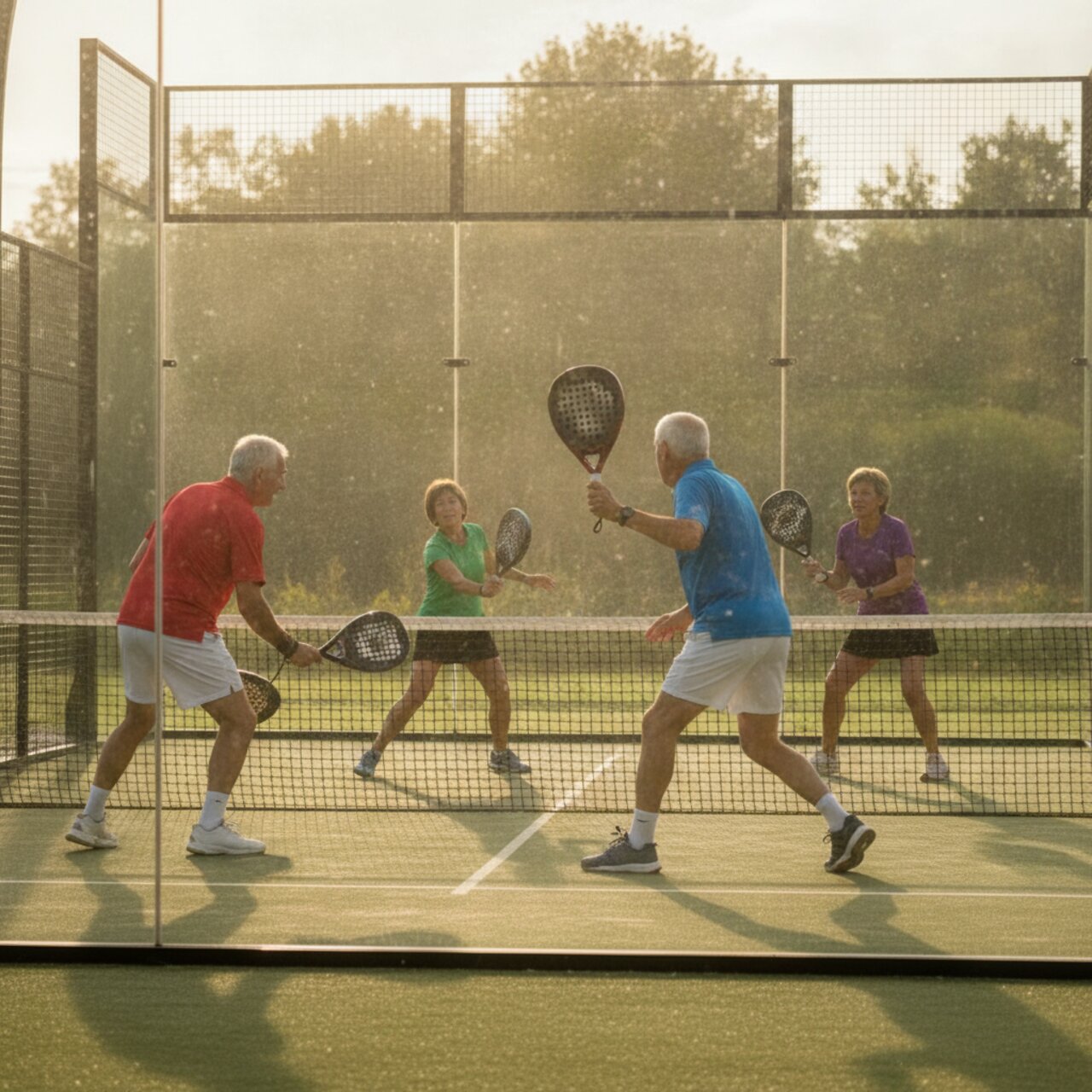
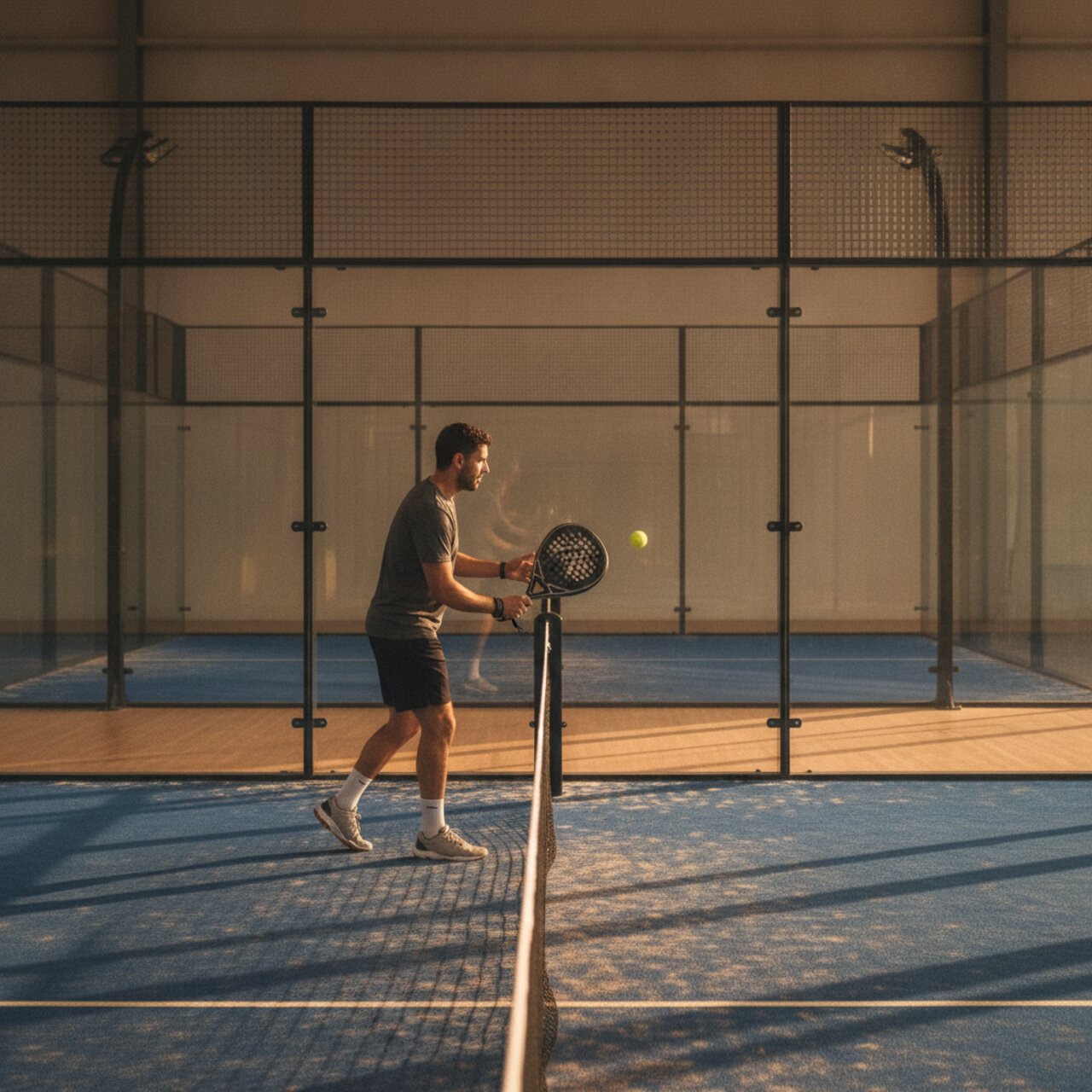
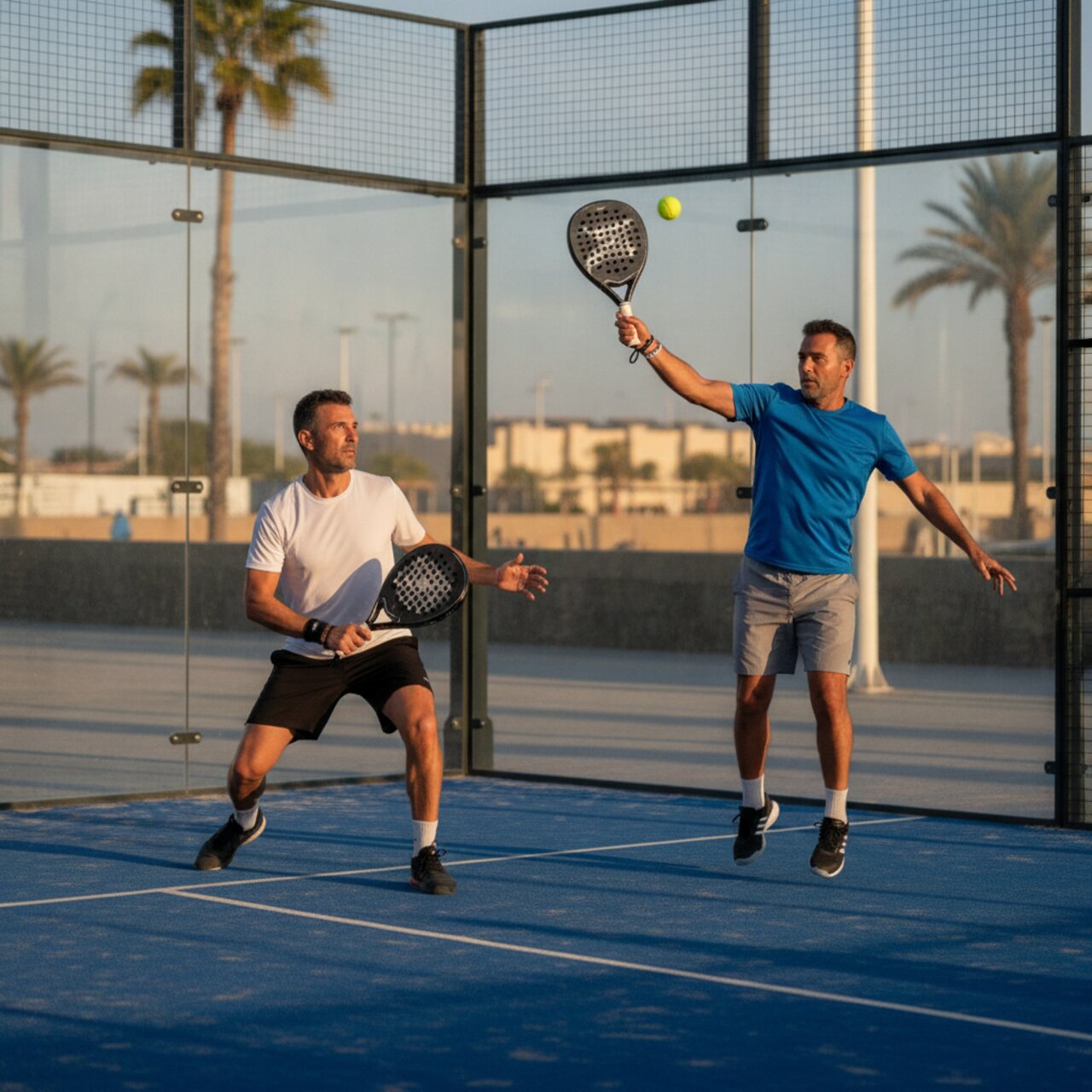
Padel for seniors is one of the easiest ways to stay active after 60 without punishing your knees, shoulders, or back. The court is small, the ball is slow off the walls, and the underhand serve removes the overhead strain that ends a lot of tennis careers. Players in their sixties and seventies fill courts across Spain and Argentina every morning, and they are not just hitting soft rallies for fun. They compete, they improve, and many take up the sport for the first time well after retirement.
The body at 60 is not the body at 40. Recovery takes longer, joints are less forgiving, and balance needs more attention. None of that has to stop you. What follows is how to start or continue playing padel after 60, how to protect yourself, and how to keep getting better instead of just getting by.
Why Padel Works So Well After 60
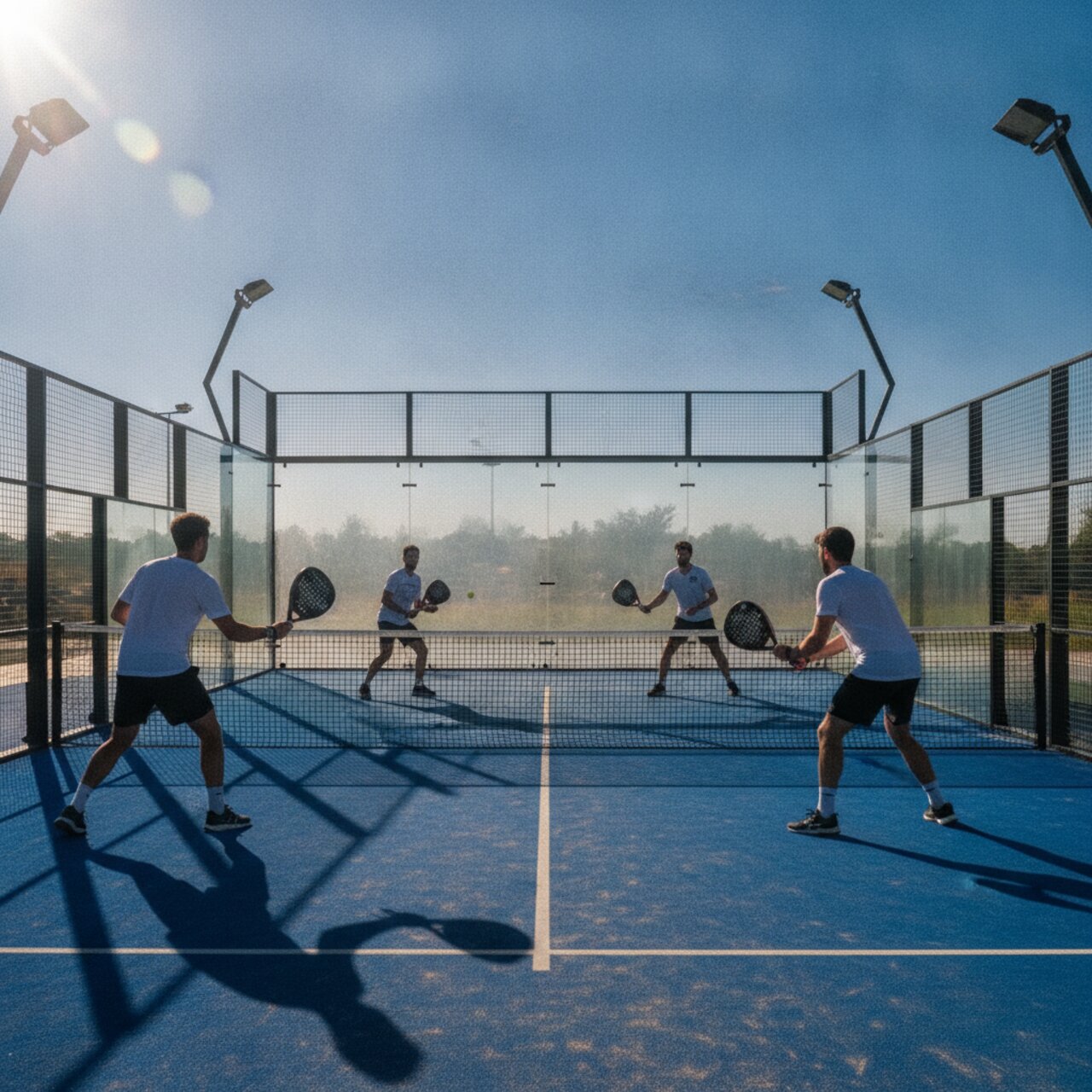
The size of the court does most of the work. A doubles court is 20 by 10 meters shared between two players, so you cover roughly a quarter of what a tennis player runs. You almost never sprint. Points are built in two or three steps at a time, followed by a pause while the ball travels or comes off the glass.
The walls slow everything down. A ball that would fly past you in tennis rebounds off the back glass and floats back into reach, giving you an extra second to set up. That second matters more every year, and padel hands it to you for free.
The serve is underhand and below the waist, so there is no shoulder-wrenching overhead motion every point. For anyone with a history of rotator cuff trouble, that single rule makes padel playable when tennis no longer is.
It is also a social sport by design. You always play doubles, so every session is four people talking, laughing, and covering for each other. That social contact is one of the strongest predictors of staying active long term, and it is built into the format.
Get Cleared and Start Slow
Before your first session, get a basic check-up if you have any history of heart issues, joint replacements, or blood-pressure concerns. Padel is gentle, but the short accelerations still raise your heart rate, and it is worth knowing your limits before you find them on court.
When you do start, play shorter sessions than you think you need. Forty-five minutes of relaxed doubles is plenty for the first few weeks. Your cardiovascular system will adapt quickly, but tendons and ligaments take longer, and overdoing it early is the fastest way to a setback. If you are completely new to the sport, work through the complete guide to padel for beginners first so the rules and basic shots feel familiar before you step on court.
Warm Up Like It Matters, Because It Does
The single biggest difference between players who keep playing into their seventies and those who quit at 63 is the warm-up. Cold muscles and stiff joints tear and strain far more easily after 60, and five minutes of preparation prevents weeks on the sidelines.
Spend ten minutes before play raising your heart rate gently and moving every joint you are about to use. Walk briskly, swing your arms, do slow shoulder circles, gentle lunges, and a few half-speed practice swings. Skip the static stretching before you play; save the long holds for afterward, when the muscles are warm. A structured routine like this smart 10-minute warm-up for padel covers exactly what to do and in what order.
Adapt Your Game to Your Body
Trying to play like a 30-year-old is what gets people hurt. Smart adaptation keeps you competitive and keeps you healthy.
Favor positioning over chasing. The best senior players read where the ball is going early and take small, efficient steps to get there, rather than sprinting late and lunging. Standing a step closer to the middle and a step further back gives you more time to react to almost everything.
Lean on the lob. A well-placed lob is the most valuable shot in senior padel because it forces opponents back, buys you time to recover position, and costs you almost no energy. Learning to control depth on the lob in padel will win you more points than any power shot ever could.
Let the walls help you. Instead of rushing a ball near the back glass, let it rebound and play it on the way back. This takes the pressure off your reaction time and turns the court geometry into your defensive partner. Choose the right side of the court for your mobility too: many older players prefer the forehand side so they can play more balls without twisting awkwardly across the body.
Protect the Joints That Take the Load
Three areas need attention after 60: knees, shoulders, and the lower back.
For knees, footwear matters more than anything. Use proper padel shoes with good lateral support on the surface you play on, replace them before the grip wears down, and never play on a wet court. Bend from the knees and hips to reach low balls rather than rounding your back. If you already feel knee strain, the guidance in knee protection for padel players is worth following closely.
For shoulders, the underhand serve already protects you, but the bandeja and smash still load the joint overhead. Keep those swings smooth and controlled rather than violent, and stop hitting overheads the moment you feel a pinch.
For the lower back, strengthen your core off the court and keep your knees soft when you reach. Most padel back pain comes from bending at the waist under load, not from the swing itself.
Recover Properly Between Sessions
Recovery is where the over-60 game is won or lost. After 40, full recovery from hard exercise can take an extra day or two, and ignoring that is how nagging injuries become chronic ones.
Give yourself at least one full rest day between sessions when you start, and listen to soreness that lingers beyond 48 hours. Hydrate before, during, and after play, since the thirst signal weakens with age and dehydration sneaks up faster than you expect. Gentle stretching and light walking on rest days keep you mobile without adding strain. The habits in what to do between matches to recover apply doubly once you pass 60.
What to Realistically Expect
You will be tired and a little sore after your first few sessions, and that is normal. Within a month, the same game that left you wiped out will feel comfortable, and you will start to notice your positioning and shot choices improving faster than your fitness. That is the nature of padel: brains beat legs here more than in almost any other sport.
You will not move like you did at 30, and you do not need to. The players who enjoy padel the most after 60 are the ones who stop measuring themselves against their younger selves and start enjoying the part of the game that actually rewards age, which is patience, placement, and reading the point. Win the rallies you are built to win, and let the younger players burn themselves out chasing your lobs.
Expect to keep playing for a long time. Plenty of people pick up a racket at 65 and are still playing twice a week at 80. With sensible adaptations and honest recovery, there is no reason you cannot be one of them.
Where to Go Next
Build your foundation with the complete guide to padel for beginners, then keep the glossary of essential padel terms handy so the on-court chatter makes sense. When you are ready to sharpen the most useful senior shot, work through the lob technique until you can drop it deep on demand.
If you are coming back to the sport rather than starting fresh, the adaptations in padel for players over 40 bridge nicely into the over-60 adjustments here. The game has room for every age. Show up, warm up, and play the smart points, and padel will keep you moving for decades.