By Mario GonzalezEquipment
Women's Padel: Equipment and Technique Tips That Make a Difference
A practical guide to women's padel equipment and technique. Find the right racket weight, grip size, shoes, and shot adjustments for your game.
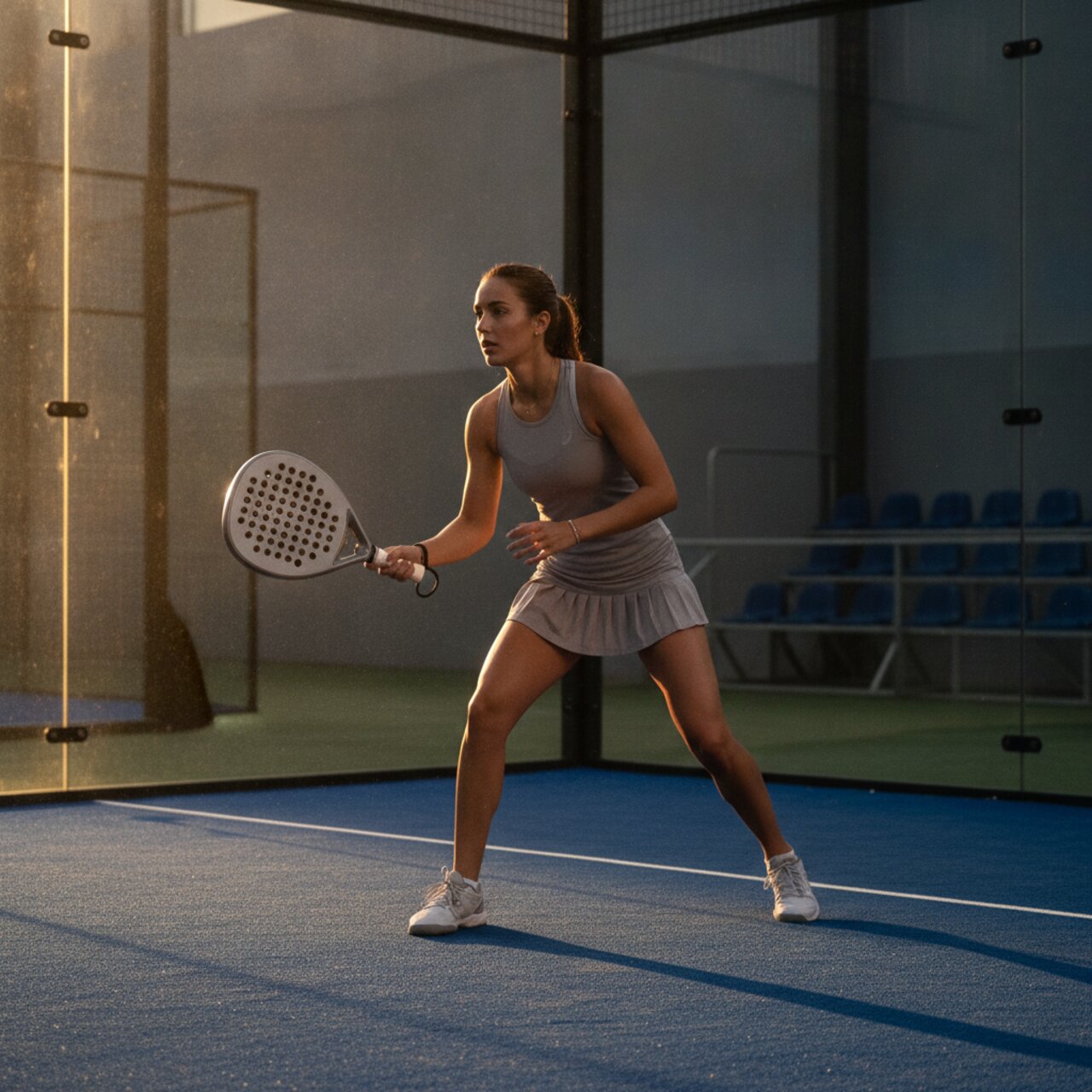
Most padel gear is sold as one-size-fits-everyone, and that costs women players real performance. Choosing the right women’s padel equipment is less about pink colorways and more about matching racket weight, grip circumference, and shoe fit to your body and your game. Get those three right and you swing faster, control the ball better, and finish a long match without your forearm screaming.
The technique side matters just as much. Power in padel comes from timing and the kinetic chain, not raw strength, which means a well-built control game can beat opponents who hit harder but think less. Below is what actually changes results, from the racket in your hand to the shots you lean on.
Choosing the Right Women’s Padel Racket
Racket selection has the biggest single impact on your game, and the headline number is weight. Many women play better with a racket in the 350-365 gram range rather than the 365-375 grams common in men’s models. A lighter frame lets you swing through contact faster, react quicker at the net, and keep your shoulder fresh in the third set.
Shape and balance work together with weight. A round-shaped racket places the sweet spot in the center and keeps the balance low (toward the handle), which gives you control and forgiveness on off-center hits. A teardrop shape pushes the balance slightly higher for more power while staying manageable. Diamond-shaped rackets concentrate weight in the head for maximum power, but they punish mistimed shots and ask a lot of your arm, so they suit advanced players with a fast, grooved swing rather than anyone still building consistency.
If you are unsure where to start, read our guide on how to choose a padel racket and the broader best padel rackets for 2026 roundup. As a rough rule: control players and improvers should look at round or teardrop frames around 355-365 grams with a soft EVA core, because a softer core flexes more and returns the ball with less effort from you.
Grip Size Is the Detail Everyone Skips
Padel rackets come with one grip thickness, and it is built for an average male hand. Women with smaller hands often grip too tightly to hold on, which kills wrist mobility and feeds tennis elbow. The fix is cheap: most players already have a grip slightly too thin once they add an overgrip, so test the racket bare first. If the handle still feels too thick, you can shave down the base grip or choose a model known for a slimmer handle.
A correctly sized grip lets you hold the racket with relaxed fingers and snap the wrist freely on the bandeja and serve. You should be able to fit roughly one finger’s width between your fingertips and the base of your thumb when gripping. Too tight and you lose touch; too loose and the racket twists on contact.
Shoes, Apparel, and the Rest of Your Kit
Padel shoes built on women’s lasts have a narrower heel and a different volume than unisex models sized down, so a smaller men’s shoe is rarely the same as a true women’s fit. Look for a herringbone or omni sole matched to your court surface, lateral support for the constant side-to-side movement, and a snug heel that does not slip during a hard split-step. Our best padel shoes for 2026 guide breaks down models by court type.
For apparel, the priority is freedom of movement over the lunges, reaches, and overhead swings padel demands. A supportive sports bra rated for high-impact sport reduces strain on long sessions. Skorts with built-in shorts and a ball pocket are practical for serving. None of this is about looking the part; it is about not being distracted by gear that pinches, slips, or rides up mid-point.
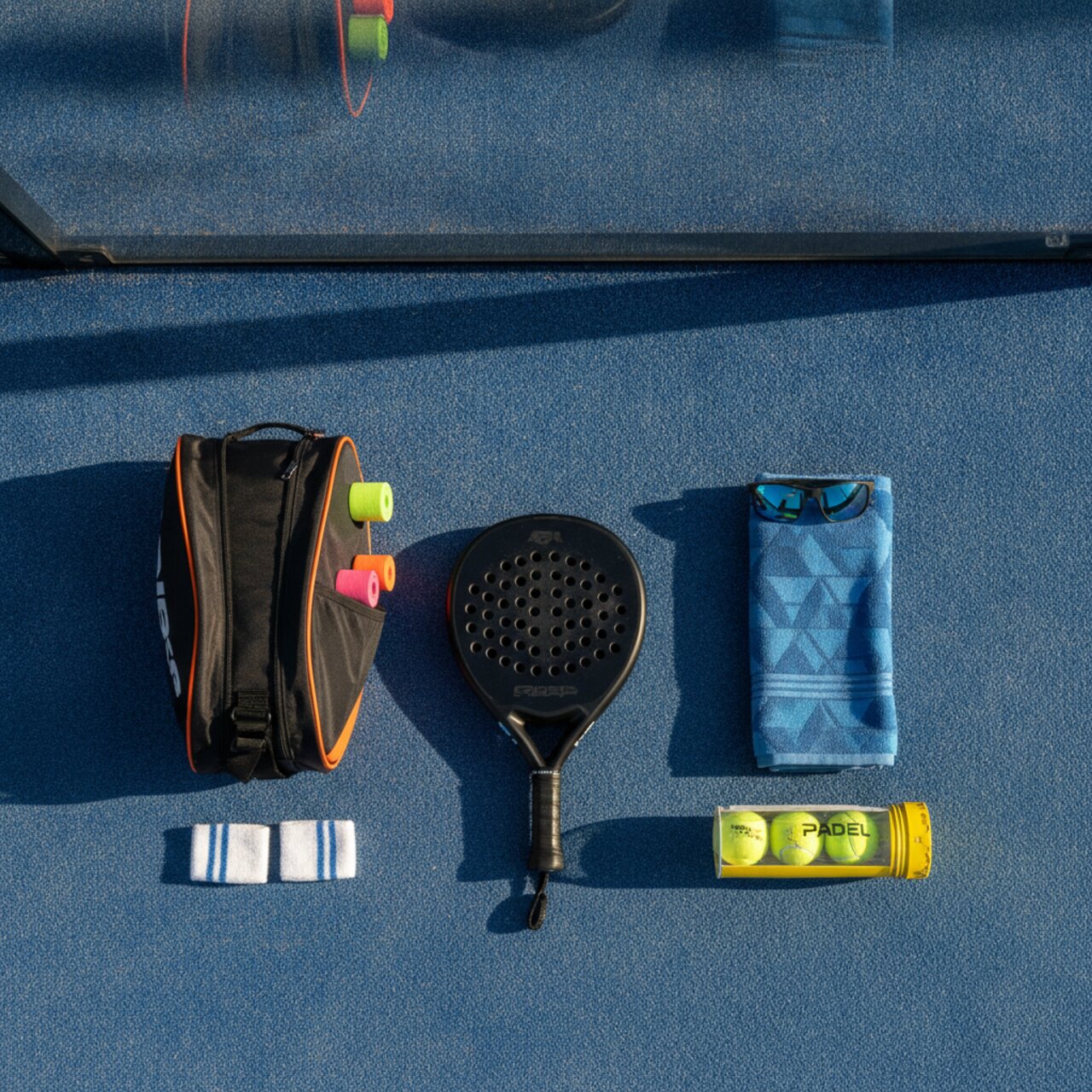
Round out the bag with a few overgrips, a wristband to keep sweat off your hand, and a spare set of balls. A new player can find the full list in our complete beginner’s guide to padel.
Technique: Win With Timing, Not Muscle
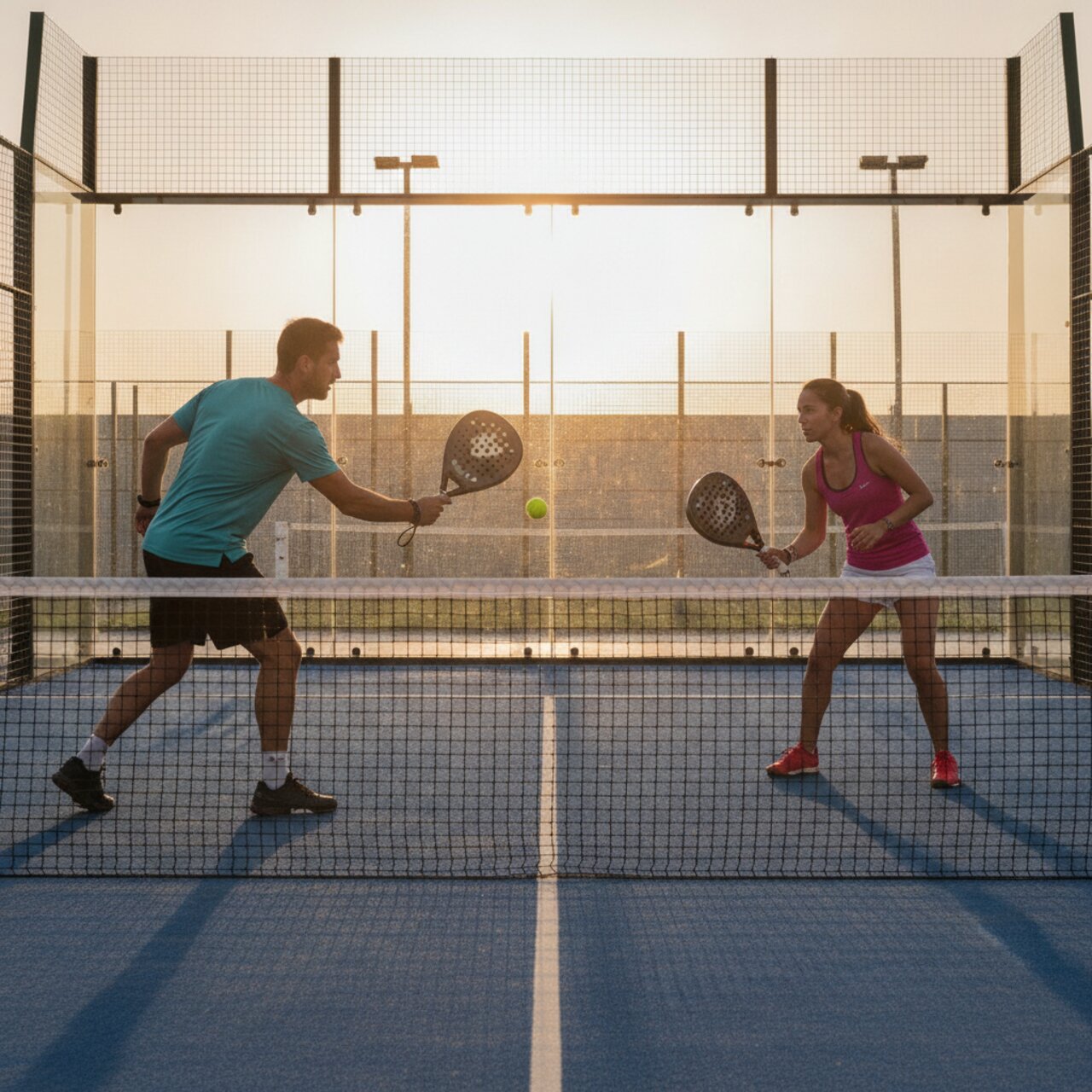
Here is the part that levels the court. Padel rewards placement, anticipation, and a clean kinetic chain far more than it rewards a heavy arm. Two players hitting at the same modest pace will see the one who places the ball deep into the corners and lobs at the right moments win comfortably. That style plays directly to a control-first game.
Build your power from the ground up. On groundstrokes and the bandeja, the energy starts in your legs, travels through hip and trunk rotation, and only finishes with the arm. Players who try to muscle the ball with the shoulder alone hit slower and tire faster than players who rotate. Drill this by hitting with your feet set and forcing yourself to turn your hips toward the target before the racket moves.
Lean on the Shots That Reward Precision
The lob is the most undervalued weapon at every level and especially in a control game. A deep lob over an attacking opponent flips the point: they retreat from the net, you move up, and now you dictate. Practice landing it within the last meter of the court so it cannot be smashed.
The bandeja keeps you at the net when the ball goes over your head. It is a placement shot, not a power shot, sliced cross-court to push the opponents back while you hold your position. Mastering it means you stop retreating to the baseline every time you are lobbed, which is the single biggest leak in most intermediate games.
At the net, compact volleys beat big swings. Block the ball with a firm wrist and short punch, aim at the opponents’ feet or the open gap, and stay patient. You do not need pace; you need angles and depth. If you are still learning the names of these shots and zones, keep our padel glossary of essential terms handy.
Putting It Together
Start with the racket, because the wrong weight or grip undermines everything else. Pick a frame you can swing fast for three sets, get the grip thickness right, and put your feet in shoes that actually fit your foot shape. Then spend your practice time on the lob, the bandeja, and patient net play rather than trying to out-hit people.
The players who improve fastest are rarely the strongest in the group. They are the ones who chose gear that fits and built a game around timing and placement. Track which shots win and lose you points across a few matches, and you will see exactly where to focus next.