By Mario GonzalezStrategy
Playing Padel in Different Weather: Wind, Rain, Heat, and Cold
Playing padel in different weather? Learn to adjust your serve, lobs, positioning and kit for wind, rain, heat and cold so the conditions never beat you.
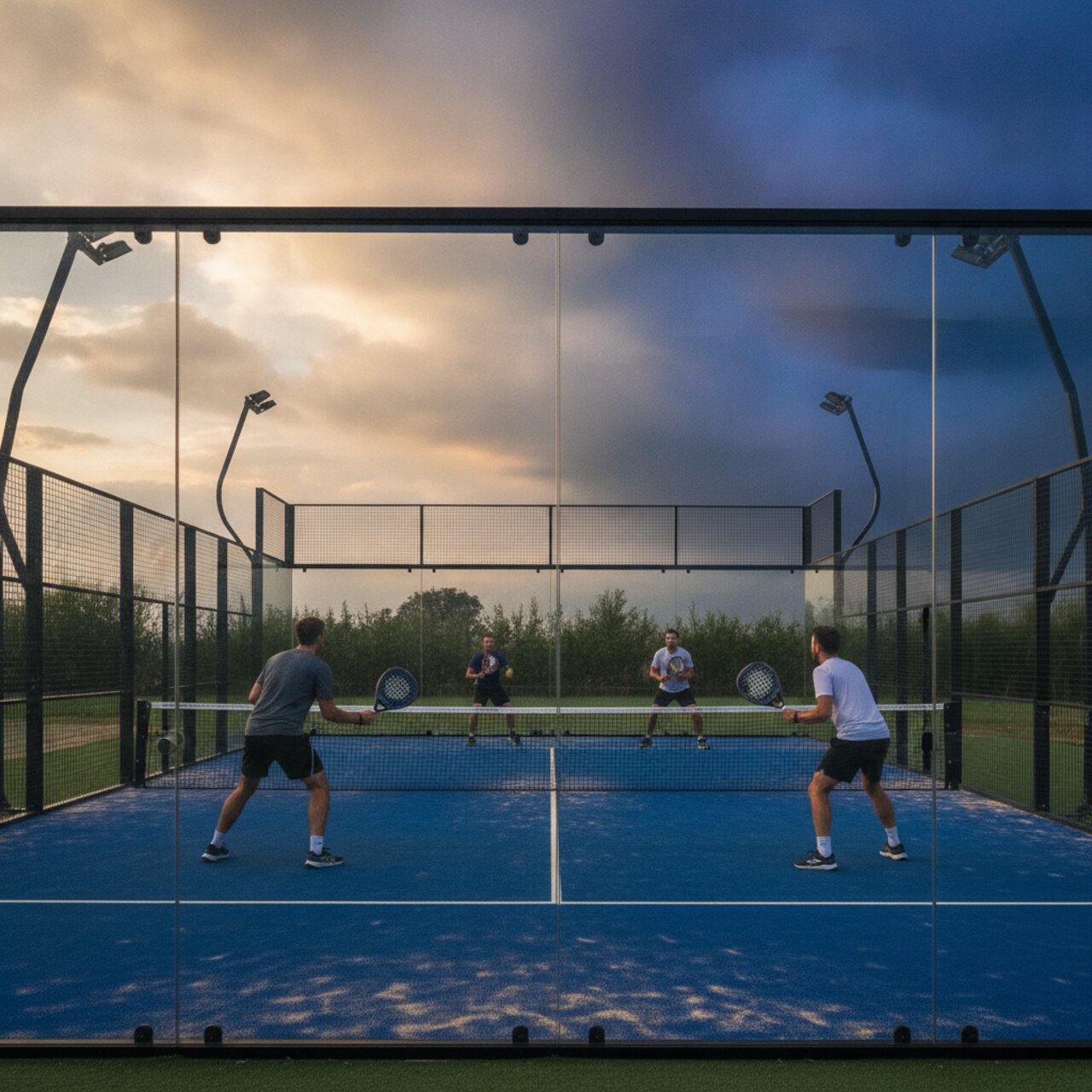
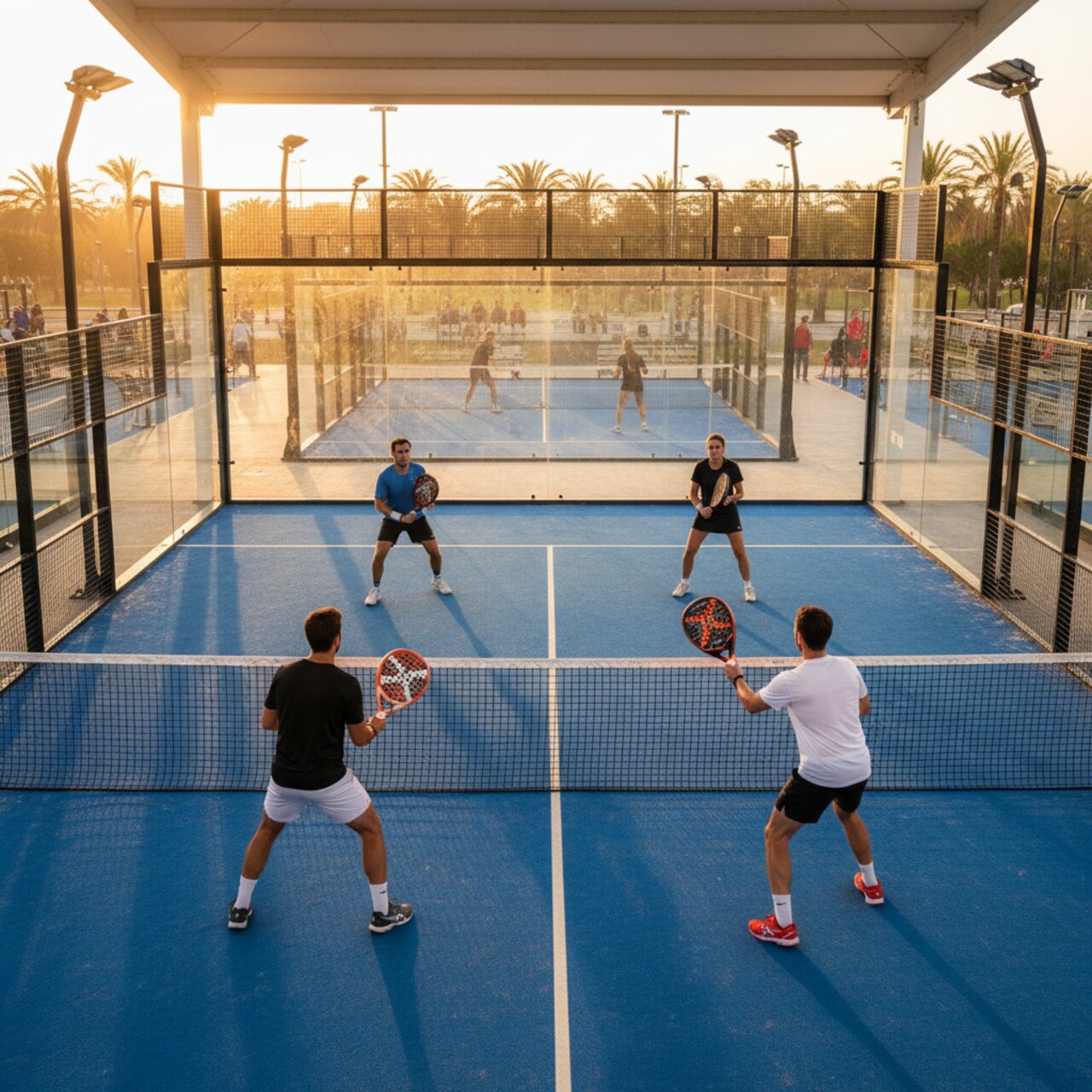
Playing padel in different weather separates players who own their local courts from those who only look good on a calm, dry afternoon. Outdoor padel exposes you to wind that swallows lobs, rain that turns the glass slick, heat that drains your legs by the second set, and cold that leaves the ball dead off the strings. The players who adapt fastest usually win, regardless of who has the cleaner technique on paper.
None of this requires a different game. It requires small, deliberate adjustments to shot selection, positioning, and gear. Get those right and bad conditions become an advantage, because most opponents refuse to change anything.
How Playing Padel in Different Weather Changes Your Game
Weather does not reward the flashiest player. It rewards the one who reduces risk at the right moments and keeps the ball in play while the opponent forces errors. The core adjustments repeat across every condition: shorten your swing when control matters, favor the shots that the elements can’t ruin, and read the court before the warm-up instead of during the first game you lose.
Indoor courts remove almost all of this, which is why understanding the differences between indoor and outdoor padel helps you decide when it’s worth booking a covered court instead of fighting the sky. When you have no choice, the sections below cover the four conditions you’ll meet most.
Playing Padel in the Wind
Wind is the condition that breaks the most players, mainly because they keep hitting the same shots and expecting the same results. The first rule is simple: check the wind direction during the knock-up, not after you’ve dropped a break.
Adjust your lob, not your aggression
The lob is the shot the wind punishes hardest. A well-timed lob that would land on the baseline in still air can sail two meters long or drop short into a smash. When the wind is at your back, lower your lobs and aim a meter inside the line, because the tailwind will carry them deep. Into the wind, hit them higher and deeper than feels comfortable; the headwind kills the flight and a “safe” lob often lands short.
If the wind is swirling and you can’t trust the lob at all, switch to low, flat shots and chiquitas that stay under the turbulence. Keeping the ball below net height takes the wind out of the equation entirely.
Use the walls more, the air less
Wind has almost no effect on a ball traveling fast and low, and none at all once it rebounds off the glass. Favor hard, flat volleys and drives over floating defensive shots. On serve, take pace off and add margin rather than going for lines, since a gust can push a good serve wide.
Own the favorable side
When one player serves or attacks into a strong wind and the other has it behind them, the advantage swings every time you change ends. Recognize which side is easier and press harder when the wind helps you: go for the smash you’d normally leave, and add depth to your drives. On the hard side, accept that you’re in a holding pattern. Cut the unforced errors and wait for the ends to change.
Playing Padel in the Rain
Light rain is playable; steady rain usually is not, and knowing the difference protects both your safety and your racket. The moment the glass and tiles turn glossy, traction disappears and a routine chase to the back corner becomes a fall waiting to happen.
If you decide to play through a drizzle, shorten every movement. Take smaller steps, plant before you hit rather than lunging, and abandon any shot that requires a full sprint into the corner. Flat shoes with worn tread are dangerous on wet turf, so if you play outdoors often, factor grip into your buying decision; the clothing and gear guide covers what actually holds up in poor conditions.
A wet ball gets heavier and slower, sitting up instead of skidding. Expect less bounce off the back glass and be ready to generate your own pace. And once the surface is genuinely slick, stop. No match point is worth a torn hamstring or a cracked frame, and most clubs will let you reschedule when the court is unsafe.
Playing Padel in the Heat
Heat is the condition that beats you slowly. You feel fine for a set, then your legs stop covering the middle and your decision-making dulls in the third. The ball also flies faster and bounces higher in hot air, so balls you’d normally take out of the air off the back wall now clear you completely.
Hydration is the whole game here. Drink before you feel thirsty, not after, and add electrolytes for anything past 40 minutes in real heat. The full breakdown lives in the hydration guide for padel players, and the heat nutrition and hydration guide covers what to eat around a hot match.
Tactically, shorten the points. Long, defensive rallies in 35-degree heat favor whoever is fitter, and even then both players fade. Go for your volleys, close the net earlier, and take the smash when it’s there instead of grinding from the back. Between points, use every second of the allowed rest: get to the shade, breathe, and slow your heart rate before serving.
Playing Padel in the Cold
Cold changes the ball before it changes you. In low temperatures the ball loses pressure and pace, coming off the strings dead and refusing to bounce off the back glass the way it does in summer. Your smashes lose their sting and short balls that would normally sit up stay low and awkward.
The fix is a longer, more deliberate warm-up. Cold muscles pull, and the calf and shoulder are the first to go on a padel court. Spend a full ten minutes raising your heart rate and mobilizing before the first serve; the smart 10-minute warm-up for padel is built for exactly this. Keep a layer on until you’re genuinely warm, then shed it rather than starting cold in a t-shirt.
Because the ball dies, you have to generate your own pace and hit deeper to push opponents off the net. Flat, driven shots reward you more than touch play, since delicate drop shots barely bounce and hand your opponent an easy read. If the balls feel like stones after twenty minutes, change them; a fresh set makes a real difference in the cold.
Gear That Actually Helps in Bad Weather
Two small kit choices change more matches than any tactical tweak. The first is your grip. Heat and humidity make a bare grip slippery within a few games, and a light drizzle finishes the job; a fresh overgrip, swapped mid-match if needed, keeps the racket from twisting in your hand. If you’ve never thought about this, the overgrip versus replacement grip guide explains what to run in sweaty conditions and how often to change it. Carry two spares in your bag between May and September.
The second is ball choice. Pressure-sensitive balls behave very differently across temperatures, playing lively and fast in the heat and dead in the cold. Opening a fresh tube for a cold session, or picking up slightly de-pressurized balls for a scorching afternoon, evens out the extremes. A small towel clipped to the fence lets you dry your hand and the racket face between points in humid or damp weather, which is often the difference between a clean smash and a mishit.
None of this replaces adjusting your shots, but it removes the equipment problems that magnify bad conditions. A twisting grip and a dead ball turn a manageable cold day into a frustrating one.
Read the Conditions Before You Warm Up
The single habit that separates adaptable players is scouting the court before the match, not during it. In the two minutes before you start, check three things: which way the wind is blowing and how strong, whether the surface has any damp or slick patches, and how the ball is bouncing off the back glass under today’s temperature.
That quick read tells you which shots to trust and which to shelve. Pair it with solid court positioning across the three zones and you’ll waste far fewer points discovering the conditions the hard way. Weather will always favor the player who adjusts first, so make the adjustment before the first point rather than after the first lost set.
New to outdoor play and still building the fundamentals? Start with the complete padel guide for beginners, then bring these weather adjustments to your next match. The technique stays the same; only the margins change.