
By Mario GonzalezStrategy
The Psychology of the Comeback: How to Win From Behind in Padel
A padel comeback is built on mindset, not luck. Learn how to reset the scoreboard, steady your nerves, and turn a losing match into a win from behind.
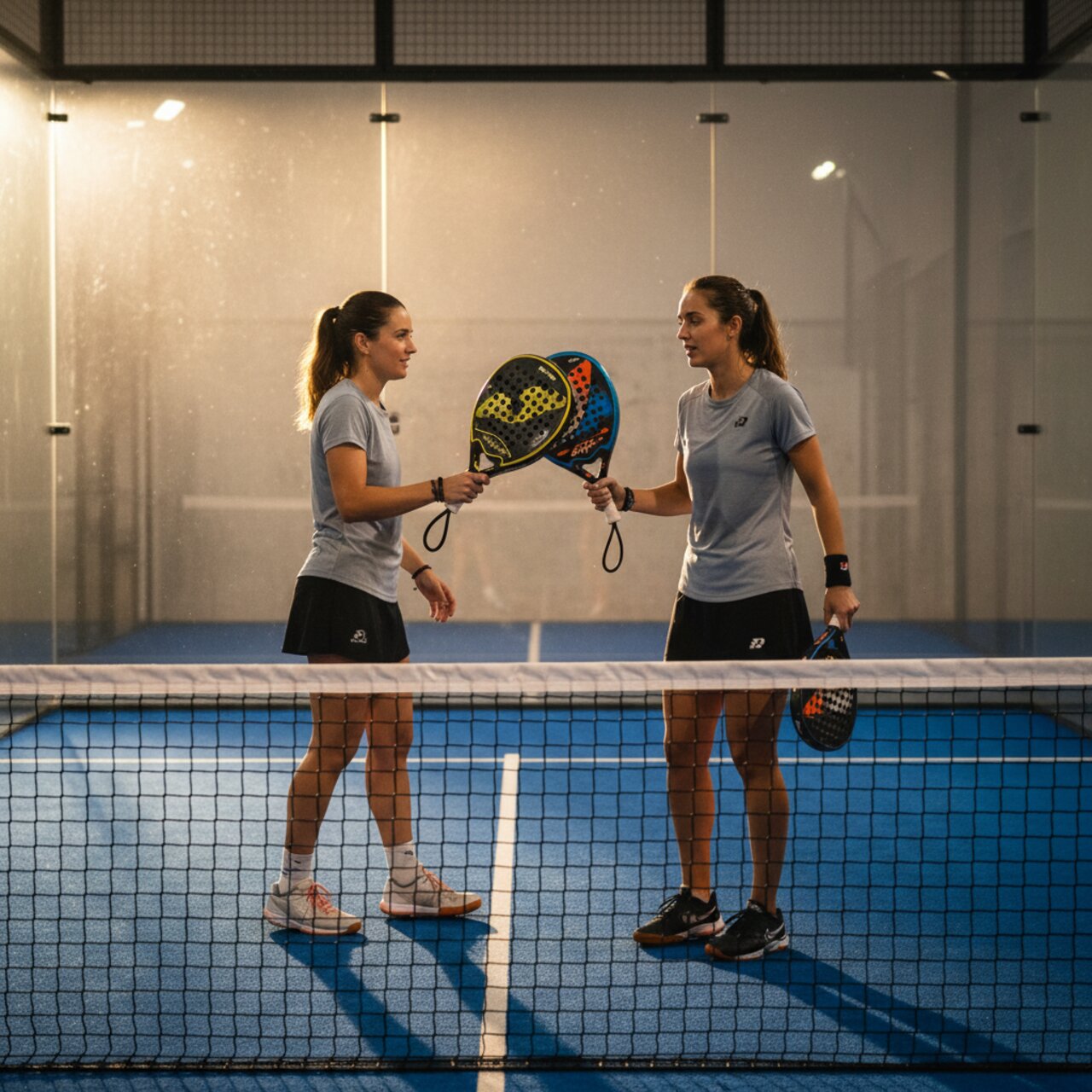
Down 6-2, 3-0 and the match feels gone. Your partner’s shoulders have dropped, the other team is high-fiving every winner, and a small voice is already rehearsing the excuse you’ll give in the car. A padel comeback rarely starts with a brilliant shot. It starts about ninety seconds earlier, in your head, with a decision to stop playing the scoreboard and start playing the point in front of you.
Matches turn around more often than most players think. Padel’s scoring rewards momentum swings, the server’s advantage is smaller than in tennis, and two break-backs can erase a set in minutes. The teams that recover from deep deficits aren’t luckier. They manage their own minds better while the match is still alive.
Why a Padel Comeback Is a Mental Problem First
When you fall behind, your body changes before your tactics do. Your heart rate climbs, your grip tightens, and your swing speeds up. Tight muscles shorten your follow-through, so the controlled bandeja that kept you at the net starts floating long. You’re not suddenly less skilled. You’re playing scared, and scared padel is rushed padel.
The scoreboard also distorts your attention. Instead of reading the next ball, you’re doing math: “If we lose this game it’s 4-0 and basically over.” That math pulls your focus three or four points into the future, where you have zero control, and away from the only point you can actually win. Every player who has choked a lead knows this feeling from the other side. The comeback is simply learning to break that loop while there’s still time.
The good news: the same scoring system that buried you can dig you out fast. Win one break point and the pressure flips. The team that was cruising now has something to protect, and protecting a lead is where nerves return.
Reset the Scoreboard in Your Head
The first move in any comeback is to shrink the match down to a size you can handle. You can’t win a set from 1-4. You can win the next point. So that becomes the whole game.
Pick a small, countable target and chase only that. “Win the next three points.” “Hold this service game to love.” “Make them play five balls before we miss.” These micro-goals do two things: they give your attention somewhere useful to go, and they let you feel progress even while you’re still behind on the actual score. Stringing four points together feels like winning, which loosens your swing, which produces better padel.
Treat each game as a fresh 0-0. A practical trick: between games, say the new game score out loud to your partner and nothing else. Not “we’re still down a break.” Just “zero-zero, this one’s ours.” You’re training your focus to live in the present game instead of the lost ones.
Steady the Body to Steady the Mind
You can’t argue yourself calm, but you can breathe yourself calm. The fastest tool is a long exhale. Between points, breathe in for about three seconds and out for about six. The extended exhale pulls your nervous system out of fight-or-flight and drops your heart rate enough to slow your swing back to its normal tempo.
Build a between-point routine and run it every single point, especially when you’re losing. Walk to the back glass, adjust your grip, bounce the ball twice, breathe, then step in. The routine matters most when you’re rattled because it gives your mind a job during the seconds it would otherwise spend panicking. Players who already use a pre-match routine to settle their nerves have a head start here. The mid-match version is the same idea compressed into ten seconds.
Watch your feet too. Anxiety makes players go flat-footed and reactive. Force small adjustment steps and stay on the balls of your feet. Active feet trick your brain into feeling aggressive and in control, and they fix the late, lunging shots that fear produces.
Change the Pattern, Not Your Identity
When you’re losing, the urge is to either play it safe and push, or to swing for the fences and hope. Both are reactions to fear rather than reads of the match. A real comeback usually comes from one deliberate tactical change, not from playing more desperately.
Start by asking what’s actually beating you. Are they overpowering you at the net? Then take pace off and lift more. A patient, well-placed lob does more to break a confident net team than a low-percentage drive, because it pushes them off the net and forces an uncomfortable overhead. Are they punishing your second serve? Slow it down, add spin, and aim for the body to jam the returner.
One of the most reliable comeback levers is attacking the weaker opponent. In almost every pair, one player is steadier under pressure than the other. Find that player and make them hit the deciding ball, over and over. Leads make people complacent; few things wake up nerves like being asked to close out a match you thought was already won.
If you’ve been defending all match, look for the moment to flip. Knowing when to attack and when to defend is what separates a frantic comeback from a controlled one. Pick your spots, commit fully, and accept that a few aggressive errors are the cost of changing the momentum.
Use Your Partner as a Battery
Padel is a doubles game, and comebacks are a team project. The single fastest way to kill a recovery is two players sinking into private frustration, avoiding eye contact, drifting to opposite corners between points. The single fastest way to spark one is connection.
Meet in the middle after every point, win or lose. Tap paddles. Keep the talk short, specific, and forward-looking: “Next one to the lefty’s backhand.” “I’ll take the middle, you cover the lob.” Never relitigate the missed shot. A partner replaying the error is a partner still living in the last point instead of the next one. If your teammate is spiraling, give them one simple job — “just get your returns deep” — because a clear task is easier to execute than a vague plea to relax.
Body language is contagious in both directions. If you walk to the baseline with your chest up and your feet moving, you make your partner believe the match is alive. If you slump, you confirm the other team’s belief that it’s over. You’re not faking confidence for yourself; you’re sending a signal to three other people on the court, and on a padel court everyone is reading everyone. Strong communication with your partner is the difference between two players losing together and a team fighting back.
Apply Pressure Where Leads Crack
A team protecting a big lead is more fragile than the score suggests, and you can aim straight at that fragility. They want the match to end, so make every point long and uncomfortable. Lengthen the rallies, lob more, and force them to earn the finish line instead of coasting across it.
The scoreboard moments where leads crack are predictable. Closing out a set is hard; returners who relaxed at 5-1 suddenly feel their arm tighten at 5-4. Tiebreaks compress all that tension into a few points and erase any lead a team was sitting on, which is why a tiebreak is a comeback artist’s best friend. Get the set there and you’ve reset everything to even.
Stack a little extra effort on the first two points of each of their service games. Going up 0-30 on the team in front plants real doubt, because now they’re the ones doing the nervous math you escaped three games ago. You don’t need to win every point. You need to win the ones that make them feel the lead slipping.
Train the Comeback Before You Need It
You can’t install a comeback mindset during the match that requires it. Build it in practice so it’s there under pressure.
Start your practice sets from a deficit on purpose. Play to 6 but begin every set at 0-3, so chasing from behind becomes a familiar, unremarkable feeling instead of a panic trigger. Run “must-hold” games where losing a single point costs the whole game, which teaches you to play your cleanest padel exactly when the stakes feel highest.
Rehearse your between-point routine until it’s automatic. The breath, the grip check, the one cue word you give yourself: drill them in low-stakes games so your body runs the sequence on its own when your mind is too rattled to direct it. And after real matches, separate the result from the response. Reviewing how you handled adversity is its own skill, and players who track their matches and revisit the tight ones in the Padellog app build a memory bank of moments they fought through. That evidence matters. The next time you’re down a set, you won’t be hoping you can come back. You’ll remember that you already have.
No comeback is guaranteed, and chasing one well still ends in plenty of losses. But the team that resets the scoreboard, steadies the body, changes one pattern, and leans on each other gives itself a real chance from scores that look hopeless. Play the point in front of you. That’s the only one a comeback ever needs.